Are you wondering if emergency food is something you can buy with your FSA benefits? Knowing what qualifies can save you money and make tough times a little easier.
You might be surprised by what counts—and what doesn’t. Keep reading to find out exactly how your Flexible Spending Account works when it comes to emergency food. This could change the way you prepare for unexpected situations.
What Is Emergency Food
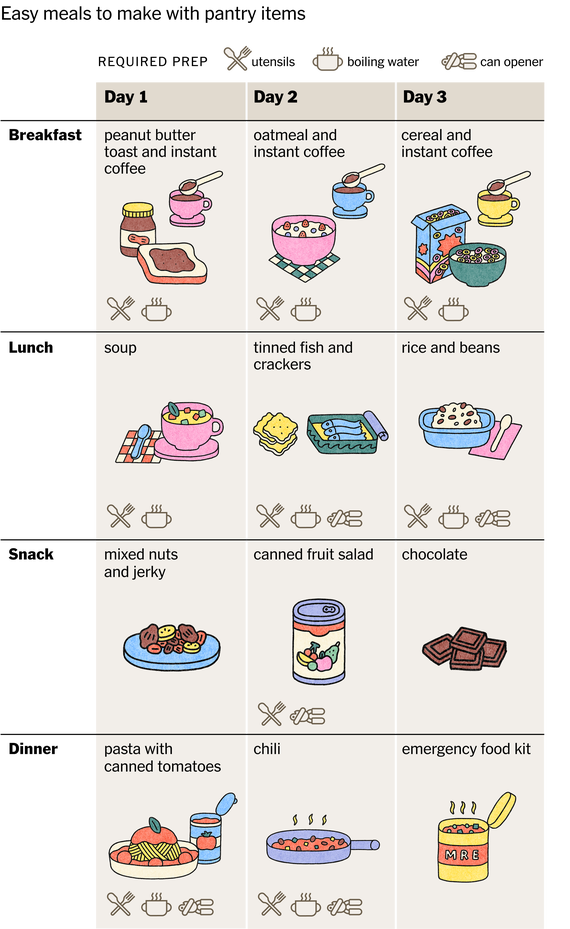
Emergency food refers to meals and snacks stored for use during unexpected situations. These foods help people stay nourished when regular food supplies are unavailable. They have long shelf lives and need little or no preparation. Emergency food can be vital during natural disasters, power outages, or other crises.
Types Of Emergency Food
- Canned goods like vegetables, fruits, and meats
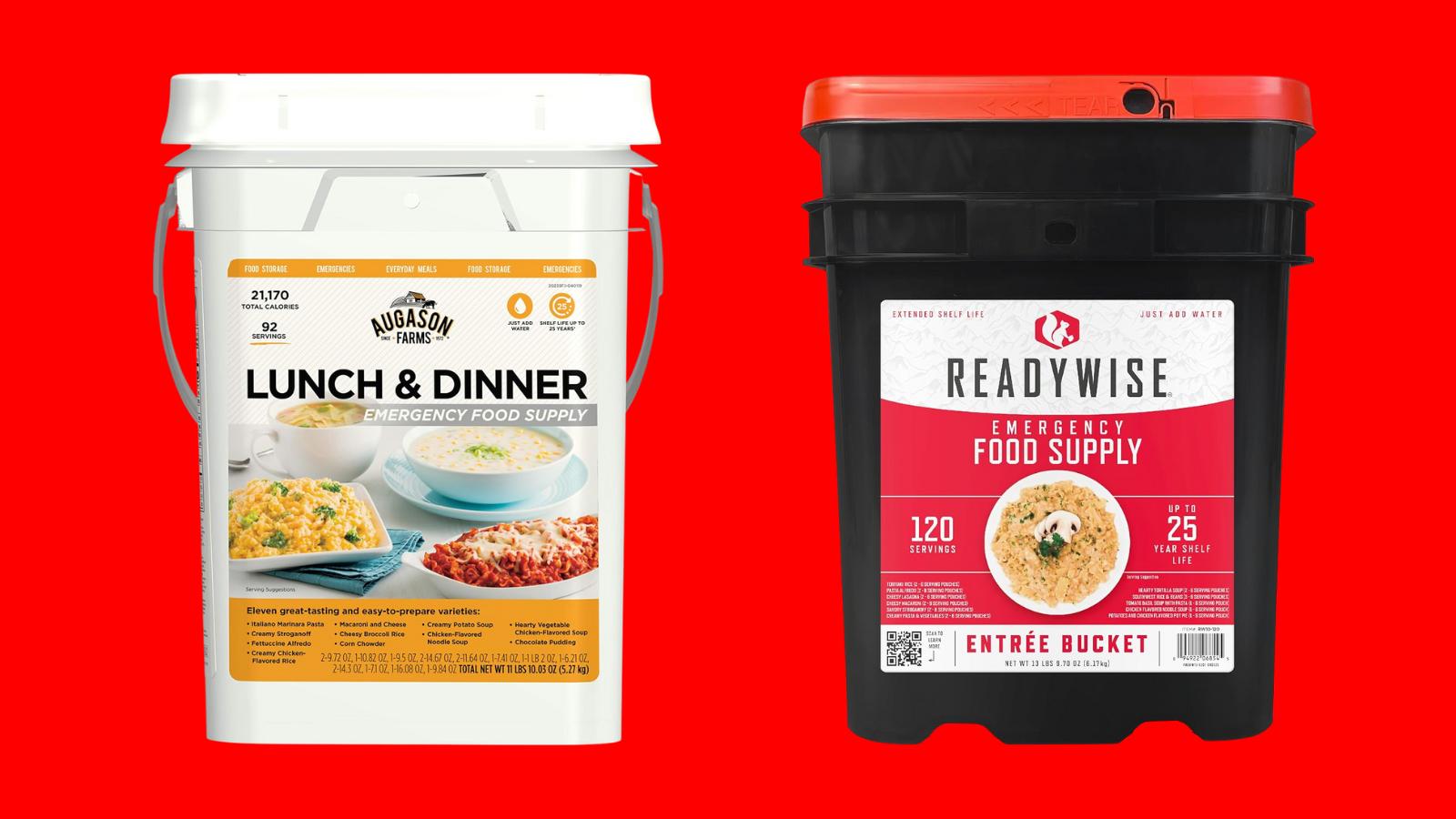
- Freeze-dried meals that last for years
- Energy bars and protein snacks
- Instant noodles and soups
- Dehydrated fruits and nuts
- Ready-to-eat meals (MREs)
Common Uses
- Survival during natural disasters such as hurricanes and earthquakes
- Backup food supply during power outages
- Camping and outdoor adventures
- Emergency kits in vehicles or homes
- Supporting communities in crisis or famine
Fsa Eligibility Basics
Understanding FSA eligibility helps you make the most of your benefits. Flexible Spending Accounts (FSAs) cover specific health-related expenses. Knowing what qualifies ensures you use your funds correctly. Not all medical or emergency items are covered. This section explains the basics of FSA eligibility for emergency food and related expenses.
What Expenses Qualify
FSA funds pay for costs that treat or prevent medical conditions. Eligible expenses usually include:
- Prescribed special diet foods for medical conditions
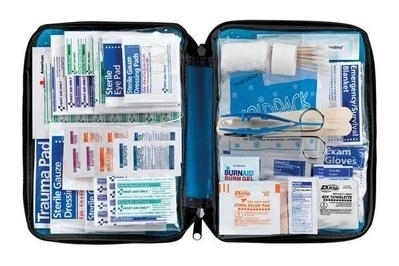
- Medical supplies like bandages and first aid kits
- Doctor-recommended nutritional supplements
- Emergency medical equipment and devices
Emergency food is eligible only if a doctor prescribes it for a health issue. For example, a special formula for a diagnosed allergy or illness.
Items Excluded From Fsa
Regular groceries and most emergency food kits do not qualify. Items that are for general use or convenience are excluded. Examples include:
- Standard canned or packaged foods
- Snack bars and bottled water
- Emergency food kits without a medical need
- Vitamins and supplements without a doctor’s prescription
FSAs focus on medical necessity, not general preparedness. Understanding these limits helps avoid denied claims.
Emergency Food And Fsa Rules
Understanding the intersection of emergency food needs and Flexible Spending Account (FSA) rules can be crucial, especially in times of crisis. The FSA is a beneficial tool for managing healthcare expenses, but many wonder if it extends to emergency food supplies. This curiosity stems from the need to financially prepare for unexpected situations without derailing your budget.
When Emergency Food Qualifies
Emergency food can qualify for FSA reimbursement under specific circumstances. Generally, if the food is prescribed by a healthcare professional to treat a medical condition, it may be eligible. For instance, if someone requires a special diet due to a diagnosed health issue, and a doctor recommends specific emergency food supplies, these can potentially be covered.
Another scenario where emergency food might qualify is during a declared disaster when access to regular food sources is disrupted. However, the key is having a medical necessity documented by a healthcare provider. Always keep records and receipts to support your claim.
Situations Where It Doesn’t Qualify
Not all emergency food purchases are eligible for FSA reimbursement. Ordinary stockpiling of food supplies for general emergencies doesn’t meet the criteria. The FSA is primarily designed to cover medical-related expenses, not general preparedness.
Additionally, if the food is not specifically prescribed for a medical condition, it will not qualify. Even if you consider it essential for your personal emergency plan, without a healthcare provider’s recommendation, it remains ineligible. This delineation can be frustrating, but understanding it can save you time and disappointment when planning your FSA spending.
Have you ever found yourself in a situation where you thought certain expenses would qualify, only to find out they didn’t? It’s always a good idea to consult your FSA administrator if you’re unsure about eligibility. This can prevent unexpected surprises and help you make informed decisions about your healthcare spending. Always remember, preparation is essential, but so is knowing your plan’s limits.
Credit: www.nytimes.com
How To Claim Emergency Food On Fsa
Claiming emergency food on your Flexible Spending Account (FSA) requires careful preparation. Knowing the right process helps you avoid delays and ensures reimbursement. Follow these clear steps to submit your claim smoothly.
Documentation Needed
Gather all receipts from emergency food purchases. Make sure each receipt shows the date and item details. Keep any doctor’s notes or prescriptions that explain the need for emergency food. These documents prove the purchase qualifies under FSA rules.
- Original receipts with purchase date
- Itemized list of emergency food
- Doctor’s note or prescription (if required)
Submitting Your Claim
Visit your FSA provider’s website or mobile app to start the claim. Upload scanned copies or photos of your receipts and documents. Fill out the claim form with accurate personal and purchase information. Review all details before submitting to avoid errors. After submission, track your claim status online for updates.
Alternatives To Fsa For Emergency Food
Emergency food costs often fall outside FSA coverage. Many people need quick options to manage such expenses. Exploring alternatives can help secure essential food supplies during urgent times. These options provide financial or community support for emergency food needs.
Other Health Accounts
Health Savings Accounts (HSAs) allow spending on qualified medical expenses. Emergency food usually does not qualify. But some HSAs offer flexible spending for nutrition-related treatments. Check your HSA plan details carefully. Some plans cover nutrition supplements prescribed by a doctor.
Flexible Spending Accounts (FSAs) are strict about eligible items. However, if emergency food is part of a medical diet, it might qualify. Always keep receipts and doctor’s notes. This documentation helps when submitting claims.
Community Assistance Programs
Local food banks provide free emergency food supplies. Many communities have programs for families in crisis. These programs offer immediate help without paperwork. Visit local community centers or churches for information.
Government programs like SNAP (Supplemental Nutrition Assistance Program) support food purchases. Eligibility depends on income and family size. SNAP benefits cover a variety of grocery items, easing emergency food costs.
Nonprofit organizations often run food pantries and meal services. They focus on vulnerable groups such as seniors and children. These services provide safe access to nutritious food quickly.

Credit: rescue-essentials.com
Tips For Using Fsa Wisely
Using your Flexible Spending Account (FSA) wisely can save you money and reduce stress during emergencies. Knowing how to plan and avoid common pitfalls ensures you make the most out of your benefits. Let’s look at practical tips that help you use your FSA effectively, especially when it comes to emergency food and other essentials.
Planning Your Purchases
Start by reviewing your FSA eligible items list carefully. Not all emergency foods qualify, so double-check before you buy. Keep a small spreadsheet or note on your phone to track what you’ve spent and what’s left in your account.
Think ahead about upcoming needs. If you know you’ll need certain medical supplies or food items for emergencies, purchase them early in the plan year. This avoids last-minute scrambles and helps you stay within your budget.
Ask yourself: Are these items truly necessary, or can you wait? Prioritize essentials that directly relate to your health or medical conditions.
Avoiding Common Mistakes
One frequent mistake is buying non-eligible products and expecting reimbursement. This wastes time and can cause frustration when claims get denied. Always confirm eligibility through your FSA provider’s official list.
Another error is missing deadlines. FSAs often have strict use-it-or-lose-it rules. If you don’t use the funds by the end of the plan year or grace period, you lose that money.
Don’t forget to keep all receipts and documentation. Without proper proof, your claims might be rejected. This can turn a simple purchase into a complicated hassle.
Have you ever lost track of your FSA balance? Set reminders to check your account regularly. This simple habit prevents overspending and helps you adjust your purchases accordingly.

Credit: www.walmart.com
Frequently Asked Questions
Is Emergency Food Fsa Eligible?
Emergency food is generally not FSA eligible. The FSA covers medically necessary foods prescribed by a doctor, not general emergency supplies.
What Types Of Food Qualify For Fsa?
Only special dietary foods for medical conditions qualify. Regular or emergency food items do not meet FSA requirements.
Can I Use Fsa For Disaster Preparedness Supplies?
FSA funds cannot be used for disaster kits or emergency food storage. These are considered personal, non-medical expenses.
Are Meal Replacement Shakes Fsa Approved?
Meal replacement shakes may be eligible if prescribed for a medical condition. Otherwise, they are usually not covered by FSA.
Conclusion
Emergency food is generally not eligible for FSA funds. FSAs cover medical and health-related expenses, not food items. Always check your plan details for specific rules. Keeping emergency food separate from FSA purchases helps avoid confusion. Planning ahead can save money and reduce stress.
Knowing what qualifies supports better use of your FSA benefits. Stay informed to make smart choices during emergencies. Simple steps lead to smoother, worry-free preparedness.