Have you ever wondered what makes a survival knife so important? Whether you’re planning an outdoor adventure or just curious about essential tools, understanding the uses of a survival knife can make all the difference.
This simple yet powerful tool can help you in countless ways—from building shelter to preparing food and even ensuring your safety. Keep reading, and you’ll discover how a survival knife can become your most trusted companion when you need it the most.
Types Of Survival Knives
Survival knives come in various types, each designed for specific tasks. Choosing the right type depends on your needs and environment. Understanding these types helps you pick the best tool for survival situations.
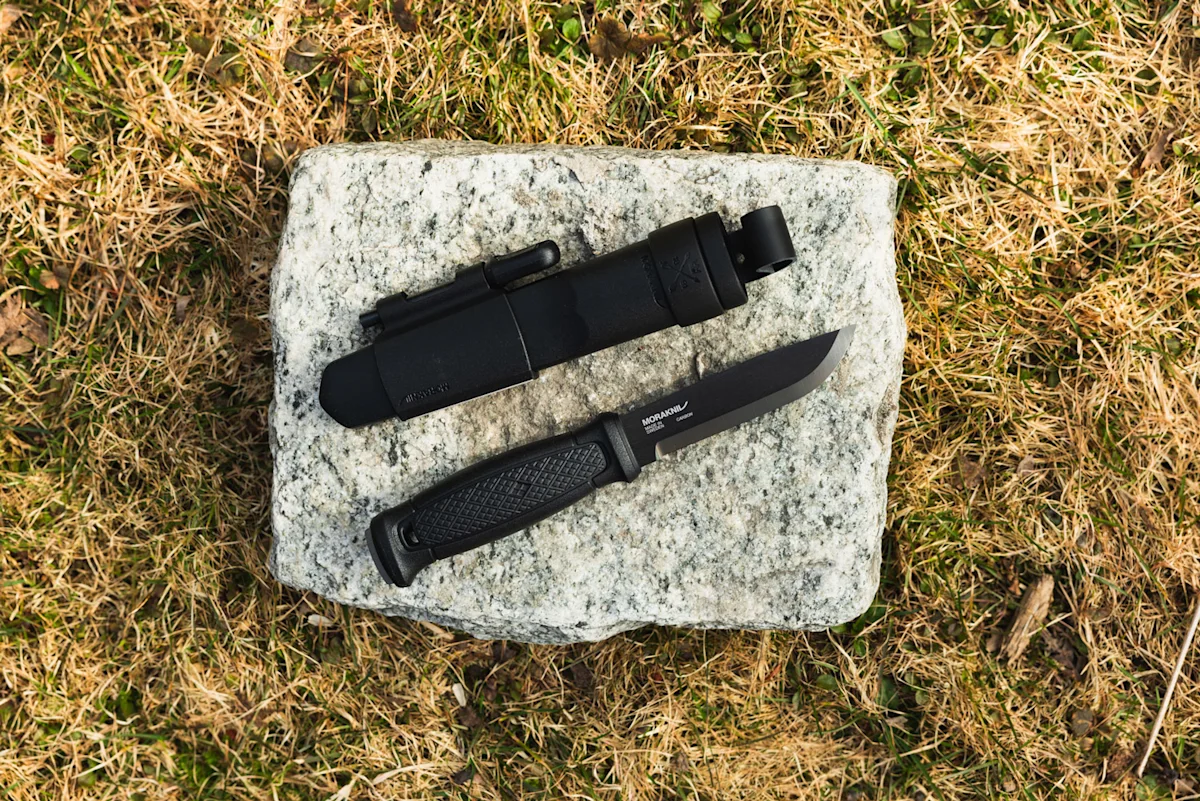
Fixed Blade Knives
Fixed blade knives have a solid, unmovable blade. They offer strength and durability for heavy tasks. These knives are great for chopping, cutting, and prying. Their sturdy design makes them reliable in tough conditions. Many survival experts prefer fixed blades for their toughness.
Folding Knives
Folding knives have blades that fold into the handle. They are compact and easy to carry. Folding knives suit light tasks like cutting rope or preparing food. They are not as strong as fixed blades but are convenient for daily use. Easy to store and safer to carry due to the folding feature.
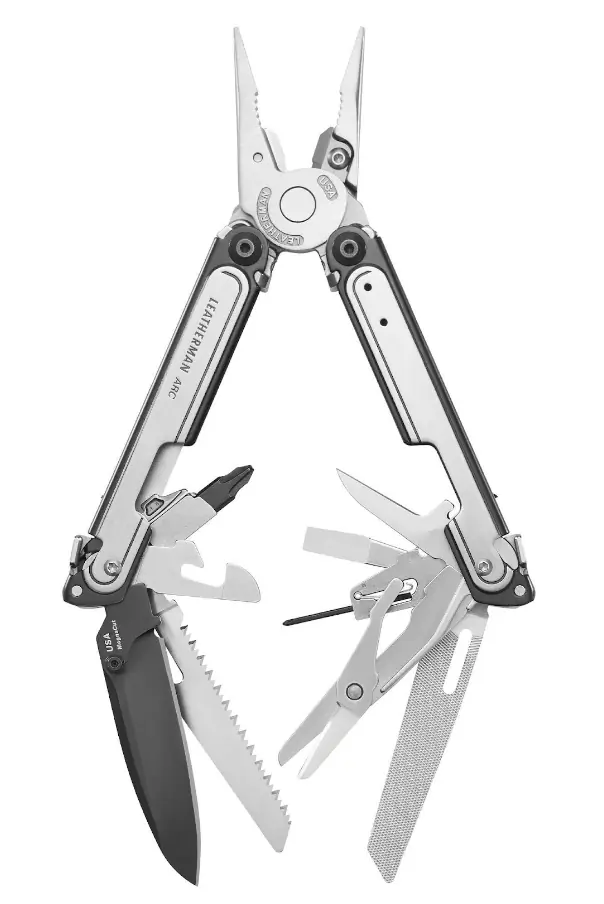
Multi-tool Knives
Multi-tool knives combine several tools in one device. They include blades, screwdrivers, can openers, and more. These knives offer versatility for various survival needs. Ideal for quick fixes and small jobs. Multi-tools save space and reduce the number of items you carry.
Key Features Of Survival Knives
Survival knives are essential tools for outdoor adventures and emergencies. Their design combines strength, versatility, and reliability. Understanding their key features helps in choosing the right knife for survival tasks. These features affect how well the knife performs in different conditions.
Blade Material And Durability
Blade material defines the knife’s strength and lifespan. High-carbon steel blades resist wear and hold sharp edges longer. Stainless steel blades offer better rust resistance, ideal for wet environments. Some knives use special alloys to balance sharpness and toughness. Durable blades withstand heavy use like cutting wood or preparing food.
Handle Design And Grip
Handle design ensures comfort and control during use. Textured or rubberized handles prevent slipping, even when wet. Ergonomic shapes fit the hand well, reducing fatigue. Some handles include finger guards for safety. A secure grip is vital for precise and safe cutting in tough situations.
Blade Shape And Size
Blade shape affects the knife’s function and ease of use. Drop point blades offer strength and control for general tasks. Clip point blades provide sharp tips for detailed work. Blade size varies, usually between 3 to 7 inches, balancing portability and utility. A medium-sized blade suits most survival needs, from carving to self-defense.
Cutting And Preparing Food
Survival knives are essential for cutting and preparing food in the wild. They efficiently slice through meat, fruits, and vegetables. Their sturdy build aids in skinning game and filleting fish, making them versatile tools for outdoor cooking.
Cutting and preparing food is a vital skill in survival situations. A survival knife proves invaluable for these tasks. It simplifies many cooking duties, making it easier to manage limited resources in the wild.Slicing And Dicing
A survival knife excels at slicing fruits and vegetables. Its sharp blade ensures clean cuts with minimal effort. This knife also dices vegetables into small, manageable pieces for cooking. Its robust design handles tough skins like pumpkins or squash with ease.Cleaning Game And Fish
Cleaning game or fish is a necessary skill outdoors. A survival knife’s blade is perfect for this task. It helps remove skin and scales efficiently. The blade is also effective in gutting and preparing meat. This process ensures food is ready for cooking or preservation.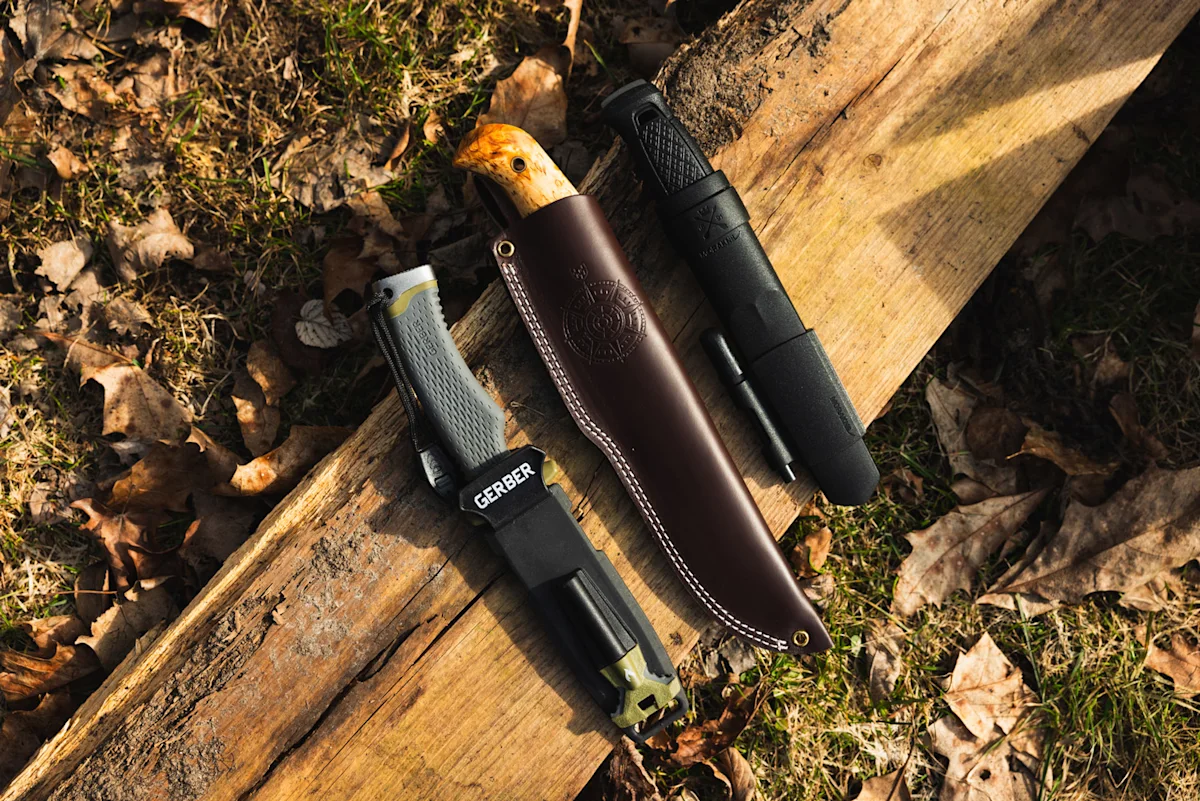
Credit: www.fieldmag.com
Building Shelter
Building shelter is a key use of survival knives. A good shelter protects from rain, wind, and cold. It helps keep you safe and warm in the wild. A survival knife is a versatile tool that helps you make a strong shelter fast.
Carving Wood
Carving wood is an important skill for shelter building. A survival knife cuts branches and shapes wood pieces. You can carve poles to make a frame. Sharp edges let you smooth rough wood for better fitting parts. Carving also helps create flat surfaces to place other materials.
Creating Notches And Stakes
Notches and stakes hold shelter parts together. Your knife can cut precise notches in branches. These notches lock poles in place without rope. Stakes made with a knife secure the shelter to the ground. Strong stakes stop the shelter from moving in wind. A survival knife makes these tasks easier and faster.
Fire Starting Techniques
Fire starting is one of the most essential skills when using a survival knife. It’s not just about having a flame but knowing how to create it efficiently in different situations. Your knife becomes more than a cutting tool; it transforms into a critical fire-starting device that can keep you warm, signal for help, or cook food.
Using The Back Of The Blade
The spine or back of your survival knife is often overlooked, but it’s perfect for striking sparks. You can use it to scrape a ferrocerium rod or even flint stones to generate sparks quickly.
Hold the knife firmly and strike the back edge against your fire-starting material at a sharp angle. This technique creates sharp, hot sparks that can ignite tinder easily.
Try this outside a few times. You’ll notice how much control you gain over spark direction and intensity. Have you ever thought about how much power lies in the edge you don’t usually use?
Striking With Ferro Rods
Ferro rods are a common survival tool that pairs perfectly with your knife. Striking the rod with the knife’s spine produces a shower of sparks hot enough to start fires even in damp conditions.
Use short, quick strokes rather than long sweeps. This method is more efficient and reduces wear on your knife’s edge.
Make sure to prepare your tinder before you start; sparks only do half the job. What type of tinder do you find ignites fastest with this technique in your experience?

Credit: www.nothingbutknives.com
Self-defense And Protection
Survival knives serve as essential tools for self-defense and protection in the wild. They provide a means to safeguard yourself from potential threats. These knives are designed to be strong, sharp, and reliable for various situations. Carrying a survival knife can increase your confidence and readiness in unknown environments.
Deterring Wildlife
Wild animals can pose a danger during outdoor adventures. A survival knife helps create a barrier between you and the threat. Its presence alone can discourage animals from coming closer. In close encounters, the knife offers a way to defend yourself. The blade can be used to make loud noises or sudden movements. This action can scare off curious or aggressive wildlife.
Emergency Situations
Emergencies require quick thinking and effective tools. A survival knife can be a lifesaver in such moments. It can be used to cut ropes or fabric to escape traps. The knife’s sharp edge allows for fast action. It can also help build shelter or prepare food. Having a survival knife ready ensures you are better protected. It serves as both a tool and a means of defense when help is far away.
Tool For First Aid
A survival knife is a vital tool in first aid situations. It helps manage injuries and stabilizes the injured person. The sharp blade can cut through tough materials quickly. This ability is crucial in emergencies where time matters.
First aid often requires precise cutting and preparation. A survival knife provides the control and strength needed. Its design makes it reliable for handling various medical tasks outdoors.
Cutting Bandages
Bandages need to be cut to the right size. A survival knife cuts cloth, gauze, or tape cleanly. It helps prevent frayed edges that can irritate wounds. Sharp edges also reduce the risk of infection. Cutting bandages quickly allows faster wound care and protection.
Splint Preparation
Splints support broken or sprained limbs. A survival knife helps shape wood or other materials. It trims branches or sticks to the correct length and size. Smooth edges prevent further injury during use. Preparing a splint properly helps reduce pain and swelling.
Other Survival Uses
Survival knives offer much more than just cutting or self-defense. Their design makes them versatile tools that can assist you in various unexpected survival scenarios. Let’s look at some other practical uses where a survival knife can become your most reliable companion.
Trapping And Fishing
A survival knife helps you create traps and tools for catching food. You can carve sticks into sharp points for snares or fish spears. It’s easier to prepare bait or clean your catch with a sharp, sturdy blade.
Have you ever tried making a simple fish trap using only a knife? The right blade lets you shape wood or carve notches to hold traps securely. This skill can provide you with a steady food source without heavy gear.
Signal And Rescue
Your survival knife can play a role in signaling for help. Using the blade’s reflective surface, you can catch sunlight and flash signals over long distances. This is especially useful if you’re lost and need to attract attention.
In rescue situations, a sharp knife can cut through ropes or fabric to free yourself or others quickly. It can also help you create makeshift tools or even carve markings on trees or rocks to guide rescuers to your location.
Maintenance And Care
Proper maintenance and care of your survival knife can significantly extend its life and performance. Neglecting this essential aspect often leads to dull blades, rust, and overall reduced effectiveness. Taking a few minutes regularly to sharpen, clean, and store your knife properly ensures it’s always ready when you need it most.
Sharpening Techniques
Keeping your survival knife sharp is crucial for safe and efficient use. A dull blade requires more force, increasing the risk of slipping and injury.
Use a sharpening stone or a ceramic rod to maintain the edge. Hold the knife at a consistent angle—usually between 15 to 20 degrees—and move the blade across the sharpener evenly.
Test sharpness by gently slicing through paper or shaving a small patch of hair on your arm. If it’s not cutting smoothly, sharpen again. Remember, frequent light sharpening is better than letting the blade get very dull and needing heavy grinding.
Cleaning And Storage
After each use, especially if your knife has been exposed to moisture or dirt, clean it thoroughly. Use warm water and mild soap, then dry it completely to prevent rust.
Oiling the blade lightly with mineral oil adds a protective layer against corrosion. Avoid cooking oils as they can go rancid.
Store your knife in a dry place, ideally in a sheath that allows air circulation. Never store a wet knife in a leather sheath, as it can trap moisture and cause rust.
Have you checked your knife lately? A little routine care can save you from a lot of trouble when survival depends on it.
Credit: www.fieldmag.com
Frequently Asked Questions
What Are The Primary Uses Of Survival Knives?
Survival knives are designed for cutting, carving, and food preparation in outdoor settings. They help with shelter building, hunting, and self-defense. Their versatility makes them essential for camping, hiking, and emergency survival situations.
Can Survival Knives Be Used For Self-defense?
Yes, survival knives can be used for self-defense. Their sturdy build and sharp blade allow effective protection in emergencies. However, proper training and caution are necessary to handle them safely.
How Do Survival Knives Assist In Shelter Building?
Survival knives help cut branches, ropes, and other materials needed for shelter. They allow precise carving and trimming, making construction easier. This functionality is vital for creating safe, durable shelters outdoors.
Are Survival Knives Suitable For Food Preparation?
Survival knives are ideal for food preparation in the wild. They can clean fish, cut meat, and slice fruits or vegetables. Their sharp blades and ergonomic handles enhance efficiency and safety.
Conclusion
Survival knives serve many purposes in the wild and everyday life. They help with cutting, carving, and preparing food. You can also use them for building shelters and making fire starters. A good survival knife stays strong and sharp in tough conditions.
Choosing the right knife can make outdoor tasks easier and safer. Remember, practicing with your knife improves your skills. Keep your survival knife clean and sharp for best results. It’s a simple tool but very useful in many situations.