Imagine you’re a space engineer, far from Earth, facing unexpected challenges. What if your survival kit could be the difference between mission success and failure?
Your survival kit isn’t just a box of tools—it’s your lifeline, your problem-solver, your safety net. You’ll discover how survival kits empower space engineers like you to tackle emergencies, adapt to harsh environments, and keep missions on track. Ready to see what your survival kit can really do?
Keep reading to unlock the secrets.
Key Components Of Space Survival Kits
Space survival kits are carefully designed to keep engineers and astronauts safe in the harsh environment of space. Each component plays a vital role in ensuring survival when facing unexpected challenges. Understanding these key elements helps you appreciate how much preparation goes into staying alive beyond Earth.
Oxygen Supply Systems
Oxygen is the lifeline in space. These systems provide a continuous flow of breathable air, often through tanks or advanced chemical generators. Imagine how critical it is to have a reliable oxygen source when every breath counts.
Backup systems are standard, ensuring you won’t run out if the primary source fails. Some kits use scrubbers to remove carbon dioxide, maintaining air quality. You must check and maintain these systems regularly to guarantee they work when needed.
Thermal Regulation Tools
Space temperatures can swing wildly, from freezing cold to scorching heat. Thermal regulation tools, such as insulated suits and temperature control units, keep your body at a safe, stable temperature. Without them, your body would struggle to function properly.
These tools include heaters and cooling packs that adjust to your immediate environment. Think about how you dress differently for cold or hot weather on Earth—thermal regulation in space works on the same principle but is far more complex.
Emergency Food And Water
Survival kits include compact, nutrient-rich food that can last for months. Space engineers rely on freeze-dried meals and high-calorie bars that don’t spoil easily. Water is stored in sealed containers, often recycled from the spacecraft to save weight and space.
Hydration and energy are critical during emergencies. Have you ever felt how your energy drops without food or water? In space, that effect multiplies, making these supplies essential for your performance and survival.
Communication Devices
Staying connected with your team or mission control can save your life. Communication devices in survival kits include radios, signal beacons, and sometimes satellite links. These tools help you send distress signals or receive instructions during a crisis.
Clear communication can prevent panic and guide rescue efforts effectively. Ask yourself—how would you signal for help if you were isolated in space? These devices answer that question with technology designed for extremes.
First Aid Essentials
Injuries can happen anytime, even in space. First aid kits include bandages, antiseptics, pain relievers, and tools for minor medical procedures. These supplies help you treat wounds quickly to avoid infection or complications.
Space engineers must be prepared to handle medical emergencies on their own. Learning how to use these items effectively could mean the difference between recovery and serious health issues. Would you feel confident treating an injury with limited resources?
Role Of Survival Kits In Space Missions
Survival kits play a crucial role in space missions by providing essential tools and supplies that help astronauts manage unexpected situations. These kits are carefully designed to support life, safety, and mission success in the harsh environment of space. Understanding their role can change how you view the preparation that goes into every space journey.
Handling Life-threatening Emergencies
Space is unforgiving, and emergencies can arise without warning. Survival kits include medical supplies, emergency oxygen, and tools for quick repairs that can save lives when every second counts.
Imagine facing a sudden drop in cabin pressure or a fire onboard. Your survival kit becomes the lifeline that keeps you stable until help arrives or the situation is under control.
Supporting Long-duration Space Travel
Long missions demand more than just basic equipment. Survival kits help maintain health and well-being by including nutritional supplements, water purification tablets, and hygiene products.
They also carry psychological aids like communication devices and comfort items to help you cope with isolation and stress. This support can be the difference between mission success and failure.
Enabling Safe Extravehicular Activities
When you step outside the spacecraft, risks multiply. Survival kits tailored for spacewalks provide you with emergency air supplies, thermal blankets, and repair tools for your suit.
These kits ensure you can handle unexpected suit malfunctions or environmental hazards, making your spacewalk safer and more manageable.
Innovations In Space Survival Technology
Survival kits for space engineers have seen remarkable advancements. These innovations help astronauts stay safe in harsh space environments. Space survival technology now focuses on efficiency and reliability. Every tool and material is designed to support life beyond Earth. Engineers must carry gear that is easy to use and highly effective.
Compact And Lightweight Designs
Space survival kits are now smaller and lighter. This helps reduce the load astronauts carry during missions. Compact designs allow more tools in less space. Lightweight materials make the kits easier to handle. Space engineers can move quickly without extra weight slowing them down.
Advanced Material Usage
New materials protect against extreme temperatures and radiation. These materials are strong yet flexible. They resist damage from sharp objects and space debris. Advanced fabrics and metals extend the kit’s durability. This ensures survival gear lasts throughout long missions.
Integration With Spacesuits
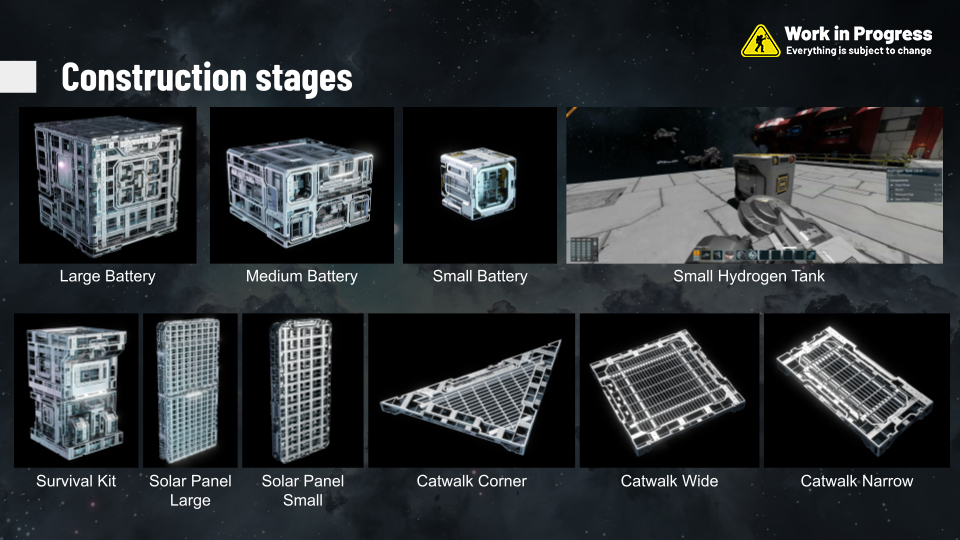
Survival kits now fit seamlessly with spacesuits. This integration improves ease of access during emergencies. Tools are attached securely to avoid loss in zero gravity. Spacesuit-compatible kits allow quick use without removing gloves. This design saves valuable time in critical moments.
Credit: 2.spaceengineersgame.com
Training Space Engineers For Survival
Training space engineers for survival goes beyond technical knowledge. It involves preparing them to handle unexpected emergencies with confidence and clear thinking. Survival kits play a crucial role in this training by providing hands-on experience and building essential skills that could save lives.
Simulating Emergency Scenarios
Creating realistic emergency situations helps space engineers understand the pressure and urgency they might face. These simulations can mimic power failures, cabin depressurization, or equipment malfunctions.
During one training session, engineers had to quickly locate and use survival kits while managing simulated oxygen loss. This exercise taught them to stay calm and act decisively under stress.
Have you ever wondered how you would react if your environment suddenly became hostile? Practicing through simulations prepares you to respond effectively rather than freeze in fear.
Mastering Equipment Usage
Survival kits contain specialized tools and supplies that require proper handling. Engineers spend time learning how to operate emergency oxygen masks, water purifiers, and communication devices included in these kits.
Hands-on practice ensures they won’t waste precious time figuring out equipment during a real crisis. For instance, quickly assembling a makeshift shelter from kit materials can be a lifesaver.
Do you know all the functions of your survival gear? Mastering each item transforms a simple kit into a powerful resource.
Maintaining Psychological Resilience
Survival is as much a mental challenge as it is physical. Training space engineers includes techniques to manage fear, isolation, and stress.
Using survival kits in controlled environments helps build confidence and a sense of control. Knowing you have reliable tools at hand reduces panic and supports clear decision-making.
What strategies do you use to keep your mind steady in tough situations? Developing psychological resilience can be the difference between giving up and pushing through.
Challenges And Limitations
Survival kits designed for space engineers face many challenges and limits. These kits must work in harsh environments with strict rules. Each aspect of survival gear needs careful thought and testing. The space setting creates unique problems that do not exist on Earth.
Space Environment Constraints
Space has extreme temperatures that vary quickly. Radiation levels are high and harmful to humans and electronics. Microgravity affects how equipment operates and how people move. Kits must be compact and lightweight due to limited space on spacecraft.
Materials used must resist radiation and temperature changes. Air-tight sealing is crucial to keep supplies safe. Designing tools that work in bulky space suits is difficult. Space engineers need gear that adapts to these tough conditions.
Equipment Reliability
Equipment in survival kits must be highly reliable. Repairs in space are complicated and time-consuming. All components undergo rigorous testing before missions. Failures can risk the engineer’s safety and mission success.
Simple designs reduce failure chances. Backup systems often accompany main tools. Engineers must trust their kits fully. The gear must perform correctly on first use, every time.
Resource Management
Space missions have limited resources like water, air, and power. Survival kits use these resources carefully to last longer. Engineers must monitor supplies to avoid shortages.
Recycling and reusing materials is common. Kits include systems to purify air and water. Power consumption is minimized to save energy. Managing these resources well is vital for survival in space.

Credit: trueprepper.com

Credit: www.reddit.com
Frequently Asked Questions
What Is A Space Engineer Survival Kit?
A space engineer survival kit contains essential tools and supplies for emergencies in space. It includes items like oxygen, food, water, and medical supplies. These kits help ensure safety and provide support during unexpected situations. Space engineers rely on them to handle emergencies effectively.
Why Do Space Engineers Need Survival Kits?
Space engineers need survival kits to handle emergencies and unforeseen situations. Space is unpredictable, and survival kits provide essential tools and resources. These kits ensure safety and preparedness, helping engineers manage emergencies efficiently. They are crucial for survival in the harsh environment of space.
What Items Are Included In Space Survival Kits?
Space survival kits include oxygen tanks, food, water, medical supplies, and communication devices. These items are essential for handling emergencies in space. They ensure safety and provide necessary resources for survival. Engineers rely on these kits to manage unexpected situations effectively.
How Do Survival Kits Improve Space Mission Safety?
Survival kits improve space mission safety by providing essential tools and resources for emergencies. They ensure engineers are prepared for unexpected situations, reducing risks. These kits enhance safety measures and help manage emergencies effectively. Engineers rely on them for a safer and more secure mission environment.
Conclusion
Survival kits help space engineers prepare for many challenges. They provide tools and supplies needed in emergencies. These kits support safety, quick repairs, and problem-solving. Space engineers rely on them to stay ready and safe. Without survival kits, handling space risks would be much harder.
They are essential for any space mission’s success. Simple, well-packed kits make a big difference in tough situations. Every engineer should understand their value and use them wisely. Survival kits bring confidence and calm during space work. Safety and readiness always come first for space engineers.