Imagine facing an emergency without the right tools at hand. What would you do?
Having a well-packed survival kit can make all the difference when disaster strikes. But what exactly should you put in your survival kit to stay safe and prepared? You’ll discover the essential items that can protect you, keep you alive, and give you peace of mind.
Keep reading to learn how to build a survival kit tailored to your needs—because when it comes to survival, every item counts.
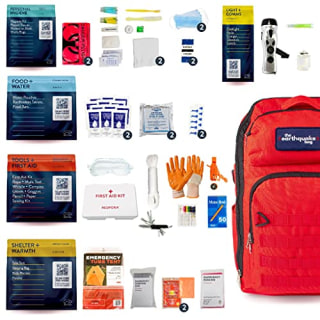
Credit: www.nbcnews.com
Basic Survival Tools
Basic survival tools are the foundation of any effective survival kit. These items help you tackle everyday challenges in the wild or during emergencies. Having the right tools at hand can make a huge difference in your ability to stay safe and comfortable.
Multi-tool And Knife
A sturdy multi-tool is like a Swiss Army knife on steroids—it combines several tools into one compact device. You get pliers, screwdrivers, scissors, and more, all in your pocket. A sharp, reliable knife is essential too; it helps with cutting rope, preparing food, and even self-defense.
Think about the last time you struggled with a stubborn screw or needed to open a package quickly. Imagine having a multi-tool ready to solve those problems instantly. Your survival kit isn’t complete without these versatile tools.
Fire Starters
Fire can save your life by providing warmth, cooking food, and signaling for help. Carrying waterproof matches, a magnesium fire starter, or a reliable lighter ensures you can start a fire under various conditions. Fire starters that work even when wet are especially valuable.
Have you ever tried rubbing sticks together to start a fire? It’s tough and time-consuming. Having a proper fire starter eliminates frustration and increases your chances of success in an emergency.
Flashlights And Batteries
Light is critical when darkness falls. A compact, bright flashlight helps you navigate safely and signal rescuers. Don’t forget extra batteries—they’re useless without power, and you don’t want your light to fail when you need it most.
Consider LED flashlights for their long battery life and durability. What’s your plan if your flashlight dies unexpectedly? Keeping spares and a small solar charger can keep your light shining through the night.
Water And Hydration
Water is the most important item in any survival kit. Staying hydrated keeps your body working well. Lack of water can cause serious health problems fast. Carrying enough water and having ways to make it safe to drink are essential. Packing the right water tools helps you stay prepared for emergencies.
Water Bottles And Containers
Choose sturdy water bottles that won’t break easily. Look for bottles made from BPA-free plastic or metal. Collapsible water containers save space in your pack. Carry multiple bottles to store enough water for your needs. Wide-mouth bottles are easier to clean and fill. Include a water bladder for hands-free drinking while moving.
Water Purification Methods
Safe drinking water is vital to avoid sickness. Use purification methods to kill germs and bacteria. Boiling water is the simplest way to purify it. Carry portable water filters to remove impurities and microbes. Water purification tablets are lightweight and easy to use. UV purifiers use light to destroy harmful organisms quickly. Always purify water from natural sources before drinking.
Food Supplies
Food supplies are a cornerstone of any survival kit. Without proper nourishment, your energy and focus will quickly fade. You need options that last, provide good calories, and can be eaten with minimal preparation.
Non-perishable Food Items
Non-perishable foods are essential because they stay safe to eat for months or even years. You want items that don’t need refrigeration and can withstand rough conditions.
- Canned beans, vegetables, and meats – easy to store and rich in nutrients.
- Dried pasta and rice – lightweight and filling staples.
- Powdered milk and instant soups – great for quick hydration and calories.
- Freeze-dried fruits and vegetables – retain most vitamins and add variety.
Think about how much space you have and the ease of opening these items without tools. Have you packed cans with pull-tabs or just regular cans needing a can opener?
High-energy Snacks
High-energy snacks keep you going when you need a quick boost. They are perfect during travel or when you can’t stop to cook a full meal.
- Energy bars packed with nuts, seeds, and oats provide sustained energy.
- Trail mix with dried fruits and nuts combines sweetness and crunch for mental alertness.
- Peanut butter packets deliver protein and healthy fats in a compact form.
- Jerky offers a chewy, protein-rich option that lasts long without refrigeration.
Try tasting your snacks before packing; will you still want to eat them after days in your kit? Your survival food should be both practical and something you won’t avoid when hunger hits.
Shelter And Warmth
Shelter and warmth are vital in any survival situation. They protect your body from cold, rain, and wind. Staying dry and warm helps prevent hypothermia and keeps energy levels high. Packing reliable shelter items ensures comfort and safety outdoors.
Emergency Blankets And Sleeping Bags
Emergency blankets are lightweight and compact. They reflect body heat to keep you warm. These blankets resist water and wind, making them useful in wet conditions.
Sleeping bags provide insulation and comfort. Choose bags rated for cold temperatures. They trap body heat and shield you from cold ground and air.
Tents And Tarps
Tents offer full protection from weather and insects. Pick a tent that is easy to set up and sturdy. Look for waterproof and windproof materials.
Tarps are versatile and lightweight. Use them as makeshift shelters or ground covers. Tarps can protect against rain and sun with proper setup.
First Aid Essentials
First aid essentials are the backbone of any survival kit. These items can make a critical difference in emergencies by treating wounds, managing pain, and preventing infections. Without them, even minor injuries can escalate into serious problems.
Basic Medical Supplies
Start with the basics every survival kit must have. Include adhesive bandages in various sizes to cover cuts and blisters. Sterile gauze pads and adhesive tape help dress larger wounds and control bleeding.
Don’t forget antiseptic wipes or solution to clean wounds and reduce infection risks. Tweezers come in handy for removing splinters or debris stuck in the skin. Scissors are essential for cutting tape, clothing, or bandages quickly.
- Assorted adhesive bandages
- Sterile gauze pads
- Adhesive tape
- Antiseptic wipes or solution
- Tweezers
- Small scissors
- Disposable gloves to protect you and others
Medications And Personal Care Items
Including medications in your survival kit means you’re prepared for pain and common ailments. Pack pain relievers like ibuprofen or acetaminophen to reduce fever and ease aches. Antihistamines are vital if you suffer from allergies or insect bites.
Consider adding personal medications specific to your health needs. Don’t overlook items like lip balm to prevent chapped lips and sunscreen to protect your skin. These small additions can improve comfort and prevent minor issues from becoming bigger problems.
- Pain relievers (ibuprofen, acetaminophen)
- Antihistamines for allergies
- Personal prescription medications
- Lip balm
- Sunscreen
- Hydrocortisone cream for itching and rashes
Have you thought about how quickly small wounds or allergies could derail your survival plan? Taking time to pack a well-rounded first aid section can save you discomfort and serious health issues later.

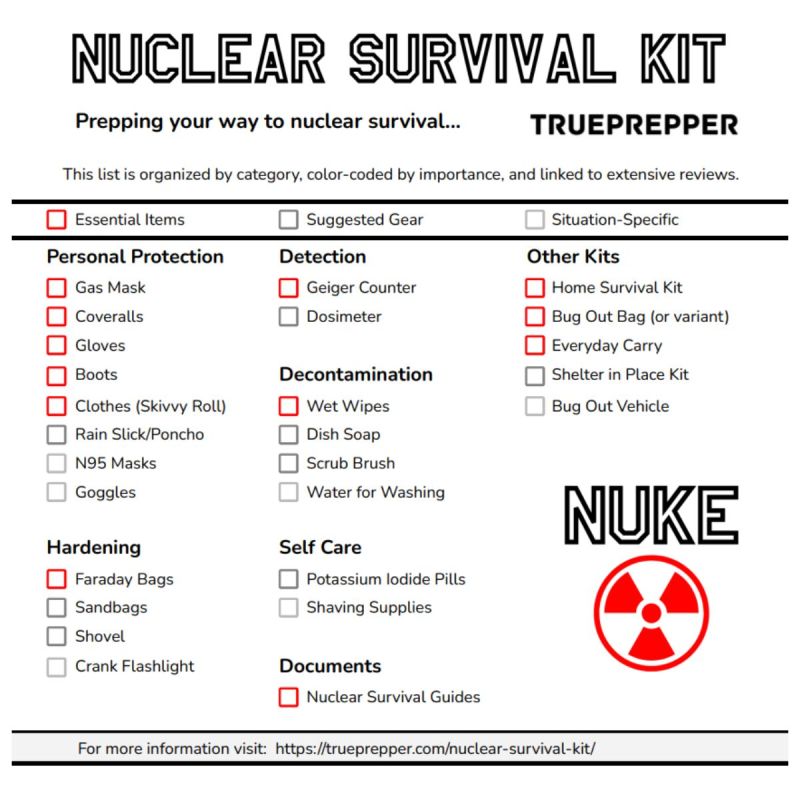
Credit: trueprepper.com
Navigation And Communication
Navigation and communication tools are essential parts of any survival kit. They help you find your way and stay connected when you’re off the grid. Without these tools, you could easily get lost or miss critical signals for help.
Maps And Compass
A reliable map and compass are your best friends in the wild. GPS devices are handy, but batteries die and signals disappear. A detailed topographic map shows the terrain, trails, and landmarks you need to navigate confidently.
Using a compass with your map helps you orient yourself even in thick forests or bad weather. Practice reading a compass before you rely on it in an emergency. Have you ever tried to find your way without one? It’s easy to get turned around fast.
Emergency Radios And Signaling Devices
Emergency radios keep you informed about weather updates and rescue broadcasts. Look for radios with NOAA weather alerts and hand-crank or solar power options to avoid dead batteries. These radios can be lifesavers when storms hit unexpectedly.
Signaling devices like whistles, mirrors, or flares increase your chances of being spotted by rescuers. A whistle’s sharp sound can carry much farther than your voice. Carry multiple signaling tools to adapt to different situations—what if one breaks or gets lost?
Clothing And Protection
Clothing and protection are essential parts of any survival kit. Your choice of clothing can make a huge difference in comfort and safety during an emergency. You want to be ready for the conditions you might face, whether it’s cold, heat, rain, or rough terrain.
Weather-appropriate Clothing
Think about the climate where you live or where you might end up. Pack layers that you can add or remove easily. For cold weather, include thermal underwear, a warm jacket, and waterproof outerwear.
In hot weather, lightweight, breathable fabrics protect you from the sun while helping you stay cool. Avoid cotton because it holds moisture and can make you colder if wet. Instead, choose synthetic or wool materials that dry quickly.
Do you have a reliable rain jacket or poncho? Staying dry is critical. Even a small amount of wetness can lower your body temperature fast and cause discomfort or illness.
Gloves, Hats, And Sunglasses
Gloves protect your hands from cuts, scrapes, and cold. Durable work gloves are a smart addition for handling rough materials or firewood. For cold climates, insulated gloves will keep your fingers from freezing.
A hat can shield you from sunburn or help retain heat. Wide-brim hats work well for sun protection, while wool or fleece hats are best for cold weather. Don’t overlook sunglasses; they protect your eyes from UV rays and debris.
Have you ever tried working outdoors without eye protection? Dust and glare can cause eye strain or injury, making your tasks much harder. Sunglasses in your survival kit can save your vision and keep you comfortable.
Personal Documents And Cash
Personal documents and cash are essential components of any survival kit. They ensure you can prove your identity, access funds, and maintain some control in emergencies. Without these items, you might face unnecessary hurdles when seeking help or resources.
Important Papers
Keep copies of vital documents like your ID, passport, birth certificate, and medical records in a waterproof pouch. These papers can help you access emergency services or prove your identity if you’re displaced. Consider adding insurance information and emergency contacts, so you’re prepared for any situation.
Think about how frustrating it would be to lose your ID during a crisis. Having digital copies stored securely on a USB drive or cloud storage can be a lifesaver. But remember, physical copies are crucial too, especially when technology fails.
Emergency Cash And Credit Cards
Cash is king when electronic payment systems are down. Store small bills in different denominations to cover immediate needs like food, transportation, or shelter. Don’t forget to keep some coins—they come in handy for vending machines or payphones.
Carrying a backup credit card or prepaid card can also provide a financial safety net. Just make sure these cards are kept separate from your main wallet to avoid losing everything at once. Have you ever been stuck somewhere with no cash and no way to pay? This simple step can prevent that nightmare.
Additional Survival Items
Additional survival items can make a big difference in tough situations. These tools help with fixing gear, staying dry, and keeping clean. Packing smart means thinking beyond basic supplies. Small items often solve big problems.
Duct Tape And Paracord
Duct tape is a must-have for quick repairs. It can fix torn clothing, patch holes, or hold gear together. Paracord is strong and versatile. Use it for building shelters, making traps, or tying items securely. Both are lightweight and easy to carry.
Trash Bags And Hygiene Supplies
Trash bags do more than hold garbage. They can collect rainwater, create makeshift ponchos, or protect gear from moisture. Hygiene supplies keep you healthy and comfortable. Include items like soap, toothbrush, and hand sanitizer. Cleanliness helps prevent illness in survival situations.

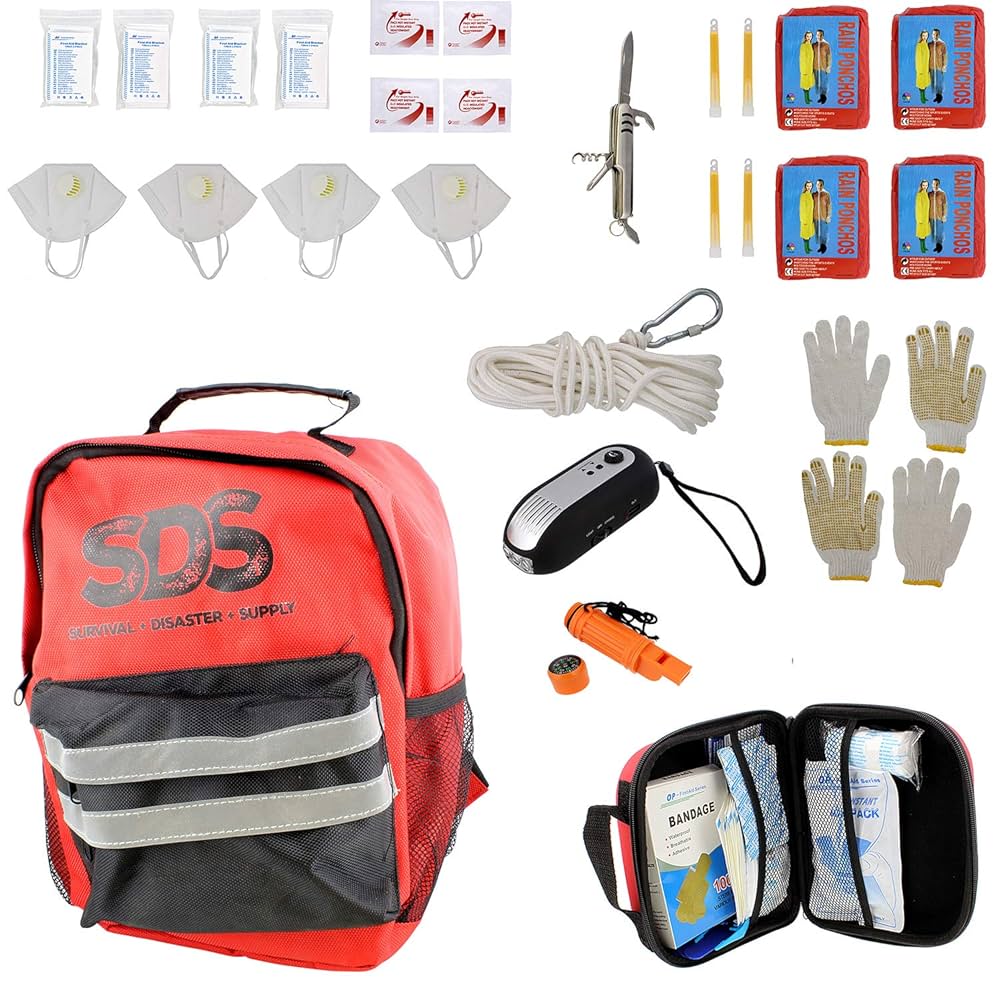
Credit: www.amazon.com
Frequently Asked Questions
What Are Essential Items For A Survival Kit?
A survival kit should include essentials like water, food, and a first-aid kit. Add a flashlight, multi-tool, and fire starter. Consider space blankets, a whistle, and a compass. Customize based on your environment and personal needs. Regularly check and update your kit for readiness.
How Much Water Should A Survival Kit Have?
Your survival kit should have at least one gallon of water per person per day. Plan for a minimum of three days. Water is crucial for hydration and hygiene. Consider water purification tablets or filters for emergencies. Always check and refresh your water supply regularly.
What Food Is Best For A Survival Kit?
Non-perishable, high-calorie food is best for a survival kit. Choose items like energy bars, canned goods, and dried fruits. Freeze-dried meals and nuts are excellent choices. Ensure you have enough food for at least three days. Rotate and replace food items regularly to maintain freshness.
Why Is A First-aid Kit Important In Survival?
A first-aid kit is essential for treating injuries and preventing infections. It includes items like bandages, antiseptics, and pain relievers. Quick access to medical supplies can be life-saving. Regularly update and customize your kit based on specific needs and conditions.
Conclusion
A good survival kit helps you stay safe in tough times. Include items for water, food, shelter, and first aid. Think about your needs and environment when packing. Keep your kit updated and easy to carry. Being prepared brings peace of mind and confidence.
Small steps today can protect you tomorrow. Stay ready, stay safe.