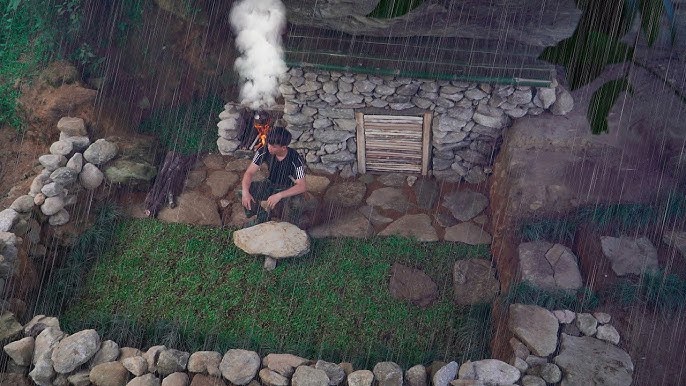
Have you ever wondered how a simple bunch of rocks could be a game-changer in a survival shelter? You might think they’re just heavy and useless, but in reality, these ordinary stones can protect you, keep you warm, and even help you stay safe.
If you want to learn how to use rocks smartly when building your shelter, this article will show you exactly what they do—and why you shouldn’t overlook them. Keep reading, because understanding this could make all the difference in your next survival situation.

Credit: m.youtube.com
Role Of Rocks In Shelter Building
Rocks play a crucial role in building a reliable shelter when you’re out in the wild. They aren’t just lying around as obstacles; they can become essential tools that improve the durability and comfort of your shelter. Using rocks wisely can make a big difference in how well your shelter stands against wind, rain, and other elements.
Stabilizing Shelter Structure
Rocks add weight and firmness to your shelter’s frame, preventing it from collapsing easily. You can place heavy rocks on the base of wooden poles or branches to keep them steady. This is especially important if you’re building a lean-to or a frame shelter that might sway or fall in strong winds.
Have you ever tried to build a shelter only to have the frame shift with a slight breeze? Adding rocks to hold the structure down can solve this problem immediately. Rocks act like natural anchors, giving your shelter a solid foundation.
Anchoring Materials
When you use natural materials like branches, leaves, or tarps, rocks help keep everything in place. Throwing rocks on the edges of a tarp or pile of leaves prevents them from blowing away. This simple step ensures your shelter stays intact without constant adjustments.
You don’t need fancy tools for this. Just gather some medium-sized rocks around your site and place them strategically. This method lets you focus on other survival tasks instead of chasing your shelter materials every few minutes.
Creating Windbreaks
Rocks can form effective barriers against harsh winds, making your shelter warmer and more comfortable. Stack rocks to build a low wall on the windward side of your shelter. This stops cold gusts from penetrating your space and lowers the risk of hypothermia.
Think about the last time you felt a sudden cold wind. How much better would it have been if there was a solid wall blocking it? Even small piles of rocks can change the environment inside your shelter dramatically.
Types Of Rocks To Use
Choosing the right types of rocks can make a big difference in how effective your shelter is in a survival situation. Rocks aren’t just for building walls; they serve many practical purposes such as insulation, weight, and stability. Knowing which rocks to use can save you time and effort while improving your shelter’s durability.
Smooth Vs. Jagged Rocks
Smooth rocks are great if you need a stable base without sharp edges that can damage materials like tarps or clothing. They’re easier to stack and less likely to cause injuries when handling.
Jagged rocks, on the other hand, can lock together better when building walls or creating windbreaks. Their uneven surfaces provide natural grip, which helps prevent your shelter from collapsing during strong winds.
Think about what you want the rocks to do: Are you protecting your shelter from wind, or creating a foundation? Your choice between smooth and jagged rocks should match your shelter’s design needs.
Size And Weight Considerations
The size of the rocks matters a lot. Large, heavy rocks offer great stability but can be difficult to move and position. If you’re alone, smaller rocks might be more practical, allowing you to build gradually without exhaustion.
Keep in mind that very small rocks won’t provide much support or protection. Medium-sized rocks often strike the best balance—they’re manageable and sturdy enough to hold structures in place.
Have you tried lifting rocks of different sizes in a survival scenario? It quickly teaches you what your limits are and what works best for your shelter needs.
Availability In Different Environments
Rocks vary widely depending on where you are. In desert areas, you might find plenty of smooth river stones, while mountain regions offer jagged, rough rocks.
Coastal zones often have rounded pebbles worn by waves, which may not be ideal for building but can be useful for insulation or creating drainage.
Knowing the types of rocks common to your environment helps you plan better. What kind of rocks are near you right now, and how can they serve your shelter goals?
Techniques For Using Rocks In Shelter
Rocks are more than just natural obstacles in a survival situation—they serve as essential tools for building and reinforcing your shelter. Using them smartly can improve the stability, insulation, and safety of your refuge. Let’s look at practical ways to put a bunch of rocks to work in your shelter setup.
Lining The Shelter Floor
Placing rocks on the shelter floor helps create a dry, stable base that keeps moisture away from your sleeping area. Arrange flat stones closely together to form a solid platform, preventing dirt and water from seeping in. This technique also reduces cold ground contact, which can sap your body heat overnight.
Think about how you can collect smooth, flat rocks that fit well together—this makes the floor more comfortable and less likely to shift underfoot. Have you ever noticed how stepping stones in gardens keep your feet dry after rain? The same idea applies here in survival.
Forming Walls And Barriers
Rocks make excellent materials for building walls or windbreaks around your shelter. Stack them carefully to create a sturdy barrier that blocks harsh winds and provides privacy. Using larger rocks at the base and smaller ones on top increases stability.
Don’t forget to fill gaps between rocks with smaller stones or mud to prevent drafts. This simple layering technique can keep your shelter warmer and shielded from the elements. What types of rocks are available nearby, and how can their shapes help you build stronger walls?
Securing Roof Supports
Heavy rocks can anchor your roof supports firmly in place, especially when using branches or poles as rafters. Place rocks at the base of vertical supports or use them to weigh down tarps and other roofing materials. This prevents your shelter from collapsing in strong winds.
Try balancing rocks strategically to hold beams steady without damaging the materials. If you’ve ever struggled with a tarp blowing away, you know how crucial this step is. Could the rocks you find double as both weight and structural support?
Additional Benefits Of Rocks
Rocks in a survival shelter offer more than just structure. They provide multiple hidden benefits that increase your chances of staying safe and comfortable. These natural tools help with heat, protection, and water management. Understanding these benefits can improve your shelter setup and overall survival strategy.
Heat Retention And Insulation
Rocks absorb heat during the day and release it slowly at night. This helps keep your shelter warmer when temperatures drop. Placing rocks near a fire or inside the shelter walls acts as a natural radiator. They reduce heat loss and create a cozy environment. This simple trick can make cold nights much easier to endure.
Protection Against Wildlife
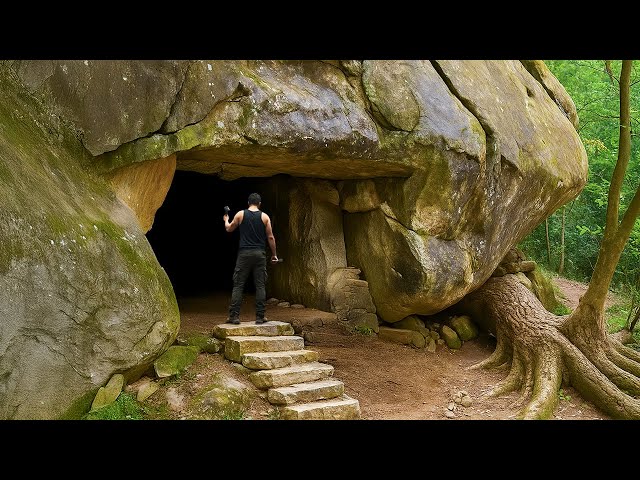
Rocks form barriers that keep animals away from your shelter. Large stones can block small animals from entering. Sharp or uneven rocks discourage pests and snakes from getting too close. Building a rock perimeter signals a boundary to wildlife. This adds a layer of safety without needing extra tools.
Water Collection And Drainage
Rocks help direct water away from your shelter. Placing stones around the base creates channels for rainwater runoff. This prevents flooding inside your shelter. Rocks also collect dew and rainwater, which can be useful in dry areas. Using them to manage water keeps your shelter dry and safe.
Safety Tips When Handling Rocks
Handling rocks in a shelter survival situation requires more than just picking them up and stacking them. Your safety depends on how carefully you manage these natural tools. Ignoring basic safety tips can lead to injuries or damage to your shelter’s stability.
Avoiding Injury
Always wear gloves if you have them; rocks can have sharp edges or rough surfaces that cut or scrape your skin. Lift rocks with your legs, not your back, to avoid muscle strain or worse. Don’t rush—dropping a heavy rock on your foot is an easy mistake that can sideline you.
Have you ever underestimated the weight of a seemingly small rock? That misjudgment can cause sprains or bruises. Take a moment to test the weight and balance before moving any rock.
Selecting Stable Rocks
Choose rocks that won’t easily shift once placed. Unstable rocks can collapse your shelter or injure you if they fall unexpectedly. Look for flat surfaces and avoid rounded stones that roll or slide.
Try stacking rocks in a way that locks them together. Interlocking stones create a stronger, more reliable shelter. Think about how you can use gravity and friction to your advantage to keep the structure secure.
Environmental Impact
Be mindful of where you collect rocks. Removing stones from riverbeds or fragile ecosystems can cause erosion or disrupt local habitats. Instead, use fallen rocks or those from areas that won’t be harmed by your activity.
Have you considered the long-term effects of your shelter’s footprint? Minimizing environmental damage means you can enjoy nature responsibly and leave it intact for others. Your survival strategy should include respect for the land you rely on.
Credit: www.youtube.com

Credit: www.reddit.com
Frequently Asked Questions
What Is The Role Of Rocks In Shelter Survival?
Rocks provide natural insulation and stability for shelters. They help retain heat and protect against wind, making shelters more durable in harsh environments.
How Do Rocks Improve Shelter Insulation?
Rocks absorb and retain heat from the sun. This heat radiates inside the shelter, keeping it warm during cold nights or seasons.
Can Rocks Be Used To Build A Shelter Foundation?
Yes, rocks create a solid, elevated base for shelters. This foundation prevents moisture and provides structural support against weather elements.
Are Rocks Useful For Shelter Protection?
Rocks act as barriers against wind, rain, and animals. Placing rocks around a shelter enhances safety and durability in survival situations.
Conclusion
Rocks play many important roles in Shelter Survival. They help build strong shelters and start fires easily. You can use them to protect yourself from wild animals. Rocks also help you cook food safely. Carrying a bunch of rocks can save your life in the wild.
Simple tools like rocks make survival easier and safer. Remember, even small things can make a big difference outdoors. Use rocks wisely, and you will stay safe and comfortable. Shelter Survival depends on smart use of natural resources like rocks.