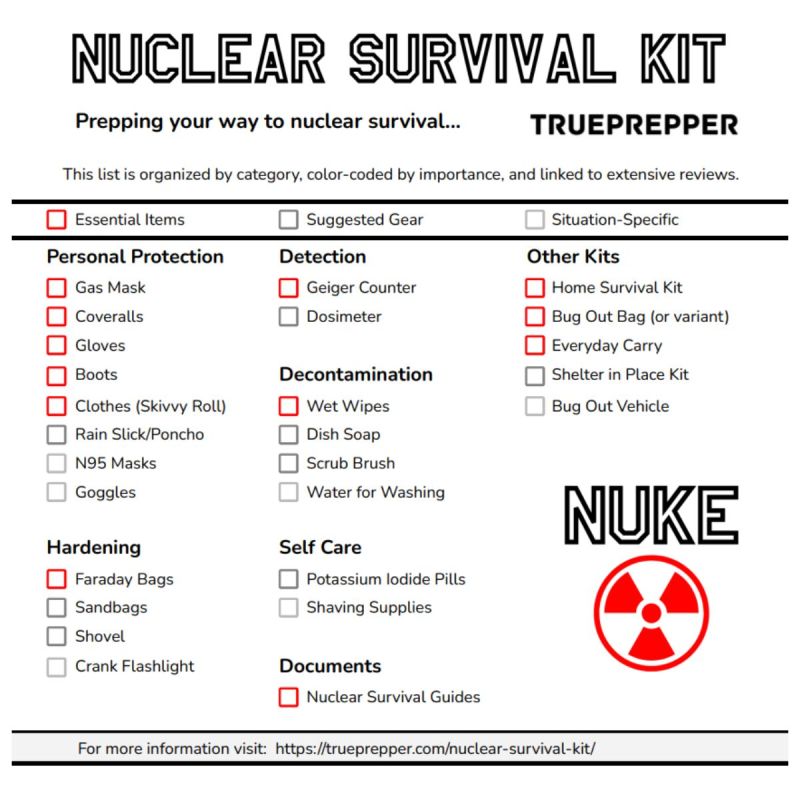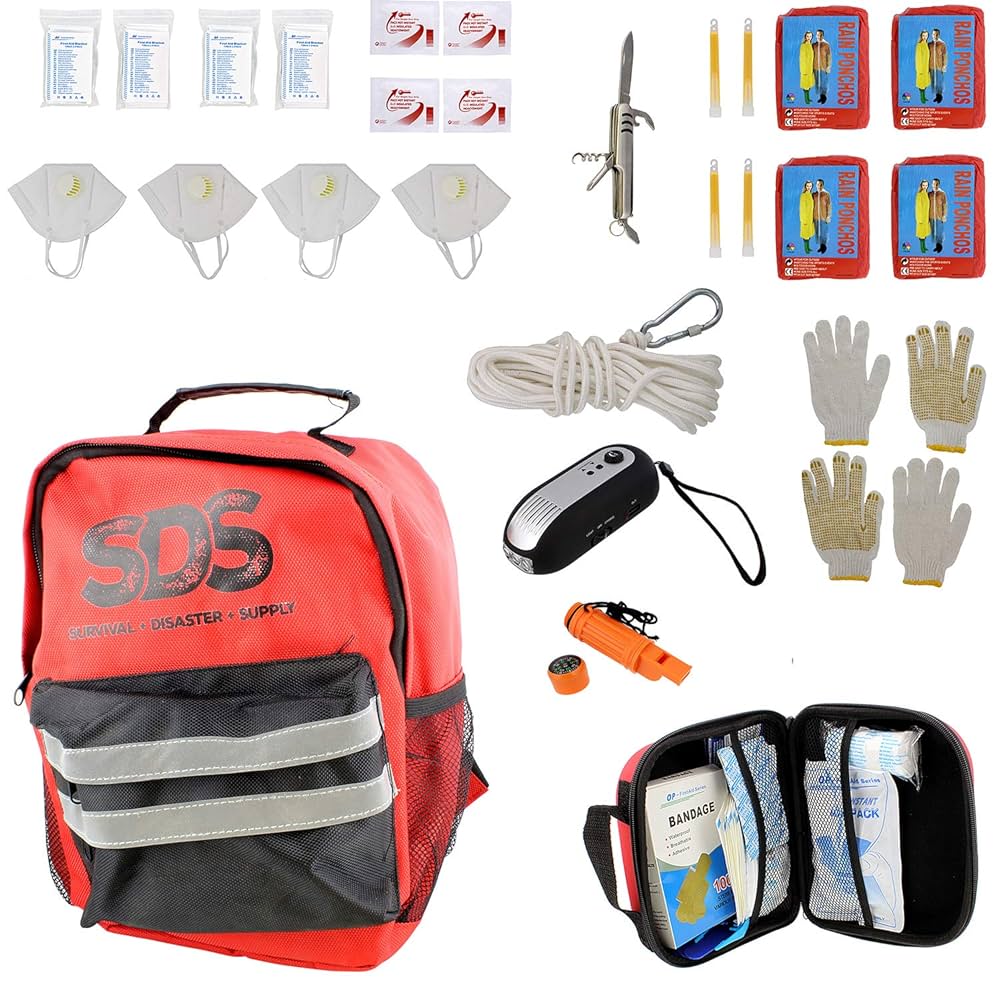
Imagine waking up to the chaos of a sudden zombie outbreak. What would you grab first?
Your survival depends on what’s in your zombie survival kit. You need more than just random supplies—you need the right tools to keep you safe, healthy, and prepared. This guide will help you build a kit that could save your life when every second counts.
Keep reading to discover exactly what you need to stay one step ahead of the undead.

Credit: medium.com
Basic Survival Tools
Basic survival tools form the foundation of any effective zombie survival kit. These items help you handle everyday challenges—cutting, building shelter, and securing clean water. Without the right tools, even simple tasks can become dangerous or impossible.
Multi-tool And Knife
A quality multi-tool and a sturdy knife are your best friends in the wild. A multi-tool offers versatility—pliers, screwdrivers, scissors, and more—all in one compact device. Your knife should be sharp and durable enough to cut rope, carve wood, or defend yourself if needed.
Think about the last time you needed to fix something quickly. Having a multi-tool saved me hours during a camping trip when my tent poles broke. What tasks do you find yourself needing to handle on the fly?
Fire Starting Equipment
Fire is essential for warmth, cooking, and signaling for help. Carrying multiple fire-starting options increases your chances of success. Reliable choices include waterproof matches, a lighter, and a ferrocerium rod.
One time, I struggled to start a fire with just matches on a damp morning. Adding a ferro rod to my kit changed the game, sparking flames even in wet conditions. How will you ensure you can start a fire when it matters most?
Water Purification Methods
Clean water is critical for survival, but natural sources may carry harmful bacteria and parasites. Include portable water filters, purification tablets, or a UV purifier in your kit. These tools let you drink safely without boiling water every time.
On a recent hike, I used purification tablets to treat water from a stream. It saved me from dehydration and stomach issues. What’s your plan for staying hydrated in unpredictable environments?
Food And Nutrition
Your survival kit’s success hinges on reliable food and nutrition. In a zombie scenario, fresh food won’t last long, so planning for long-lasting, energy-packed options is crucial. You need items that fuel your body and keep your spirits high.
Non-perishable Food Items
Choose foods that stay edible without refrigeration. Canned beans, dried fruits, and jerky provide essential nutrients and last for months or even years. Don’t forget instant noodles and powdered milk—they’re lightweight and easy to prepare.
Think about variety to avoid food fatigue. Including different flavors and textures keeps meals enjoyable, which matters when stress is high.
Portable Cooking Gear
Carrying a compact stove or a small camping burner can make a huge difference. You’ll need something lightweight and fuel-efficient to boil water or warm meals quickly. A simple mess kit with a pot, pan, and utensils completes your setup.
Have you tested your gear? I once packed a fancy stove only to find it hard to light in wet conditions. A reliable, easy-to-use option is better than a complicated one.
Energy Supplements
Energy bars, gels, and electrolyte tablets keep you going during intense moments. They’re small but packed with calories and nutrients to fight fatigue. Stock up on supplements that don’t require preparation and can be eaten on the move.
Consider your body’s needs—caffeine pills might help, but not everyone reacts well. What quick energy sources have you found effective under stress?
Protection And Defense
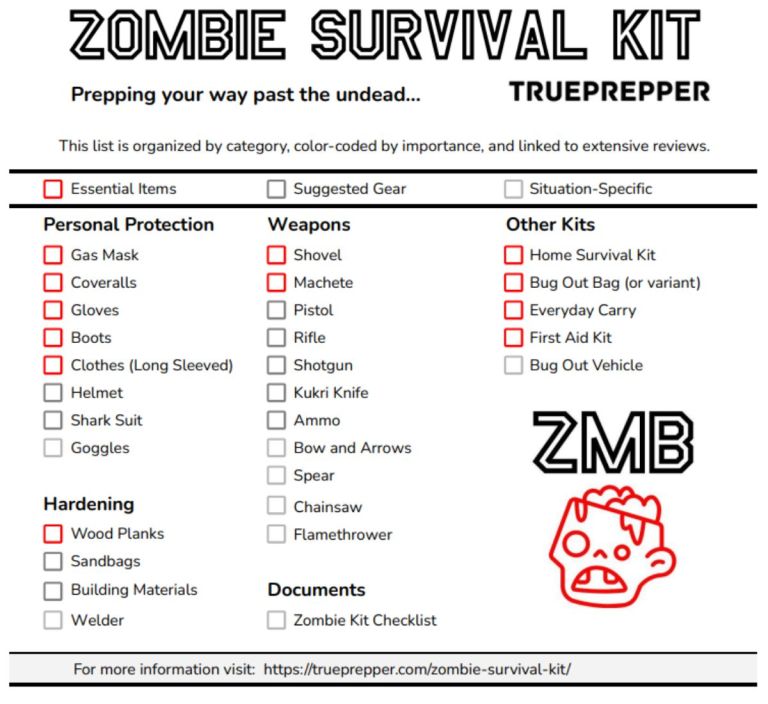
Protection and defense are vital in a zombie survival kit. Staying safe means preparing for threats at all times. This includes defending yourself from zombies and hostile humans alike. Choosing the right gear can save your life in critical moments.
Weapons And Ammunition
Reliable weapons are essential for self-defense. Carry a mix of options for different situations. Firearms provide distance, while melee weapons work silently. Stock enough ammunition to avoid running out. Regularly check your supplies for wear and tear.
- Handguns for easy carry and quick use
- Shotguns for close-range stopping power
- Melee weapons like knives, bats, or crowbars
- Extra magazines and bullets stored safely
Body Armor And Clothing
Body armor can stop bites and blunt force. Choose lightweight armor to stay mobile. Durable clothing protects from scratches and infections. Layer clothing to adjust to weather and protection needs.
- Kevlar vests or stab-resistant gear
- Thick gloves to protect hands
- Boots with ankle support and tough soles
- Long sleeves and pants made from strong fabrics
Noise And Light Distraction Devices
Distractions can help avoid or escape zombies. Noise makers draw attention away from your location. Flashlights or flares can confuse attackers or signal allies. Use these devices sparingly to avoid attracting danger.
- Whistles or air horns for loud noise
- Flares for light and distraction
- Glow sticks for silent signaling
- Small flashlights with adjustable brightness
Credit: www.choruscall.co.nz
Medical Supplies
Medical supplies are the backbone of your zombie survival kit. Injuries and illnesses can happen anytime, and without proper care, small wounds can quickly become life-threatening. You need to be ready to treat cuts, infections, and other common medical issues on your own.
First Aid Essentials
Start with bandages, gauze pads, and adhesive tape to cover wounds and stop bleeding. Include antiseptic wipes and ointments to prevent infections. Don’t forget scissors, tweezers, and disposable gloves for safe and effective wound care.
Having a reliable thermometer helps track fevers, while a CPR face shield can protect you during emergencies. Think about adding a small flashlight to check injuries in the dark. These basics can make the difference between a minor scrape and a serious problem.
Medications And Antibiotics
Stock up on pain relievers like ibuprofen or acetaminophen to ease aches and reduce fever. Antibiotic ointments are critical for preventing infections in cuts and scrapes. If possible, include a broad-spectrum antibiotic, but only use it with proper knowledge to avoid resistance.
Consider allergy medications and anti-diarrheal pills, as illness can hit when you least expect it. How will you manage symptoms without access to a pharmacy? Planning ahead means you won’t have to find out the hard way.
Sanitation And Hygiene Products
Cleanliness is your first defense against infection. Pack hand sanitizers, soap, and disinfecting wipes to keep germs at bay. Remember, clean hands and surfaces reduce the risk of disease spreading among your group.
Include items like feminine hygiene products and toilet paper. These might seem less urgent but are vital for maintaining morale and health. What would happen if you overlooked basic hygiene in a survival situation?
Communication And Navigation
Communication and navigation are lifelines during a zombie apocalypse. Without the ability to send messages or find your way, survival becomes a guessing game. You need reliable tools that work even when technology fails or batteries die.
Two-way Radios
Two-way radios let you talk to your group instantly, no matter where they are. Unlike cell phones, they don’t rely on towers or signals that might be down. Choose radios with a long range and weather resistance to keep in touch in all conditions.
Remember to pack extra batteries or a solar charger. I once lost contact with my team because my radio died at a crucial moment. That experience taught me never to underestimate the power of backup energy sources.
Maps And Compass
GPS devices can stop working or run out of power, so you must have a physical map and a compass. Knowing how to read a map and use a compass can guide you through unknown areas safely. Mark your safe zones, supply points, and danger spots on your maps for quick reference.
Practice navigating without electronics before disaster strikes. Can you find your way back to camp just by following a compass? Testing your skills now could save your life later.
Signal Flares And Whistles
When voices can’t carry, signal flares and whistles grab attention over long distances. Flares can light up the night sky, helping rescuers locate you quickly. Whistles are lightweight, require no power, and can be heard even if you’re trapped or injured.
Keep these tools within easy reach. Have you ever tried shouting for help when your throat is sore or your voice is weak? A whistle or flare can do the job without straining yourself.
Shelter And Comfort
Building a reliable shelter and ensuring comfort can make a huge difference in your zombie survival experience. Your ability to rest well and stay protected from the elements directly affects your energy and focus. Let’s dive into the essentials you need for shelter and comfort in your kit.
Tents And Tarps
A good tent offers quick setup and solid protection against wind, rain, and curious zombies. Look for lightweight, durable models with easy assembly. Tarps are versatile—use them as a ground cover, rain shield, or even a makeshift shelter.
Carrying both can give you flexibility depending on your environment. Imagine you’re forced to move quickly; a tarp folds smaller and can be set up faster than a tent. Have you considered how your shelter choice affects your mobility?
Sleeping Bags And Blankets
Quality sleeping bags keep you warm during cold nights and help prevent hypothermia. Choose one rated for the lowest temperatures you expect to face. Wool or thermal blankets add an extra layer of insulation and can be folded into a compact size for easy packing.
Don’t underestimate the power of a good night’s sleep. I once underestimated this and ended up exhausted and vulnerable. Your sleep system should be as much a priority as your food or water supplies.
Clothing Layers And Weather Protection
Layering your clothing lets you adjust to changing weather conditions without removing everything. Start with a moisture-wicking base layer, add an insulating middle layer, and top it with a waterproof, windproof shell. This system keeps you dry and comfortable while conserving body heat.
Think about your local climate. Do you need breathable fabrics for hot days or heavy-duty gear for cold, wet nights? Your survival kit’s clothing should prepare you for sudden weather changes, not just the current forecast.
Additional Survival Gear
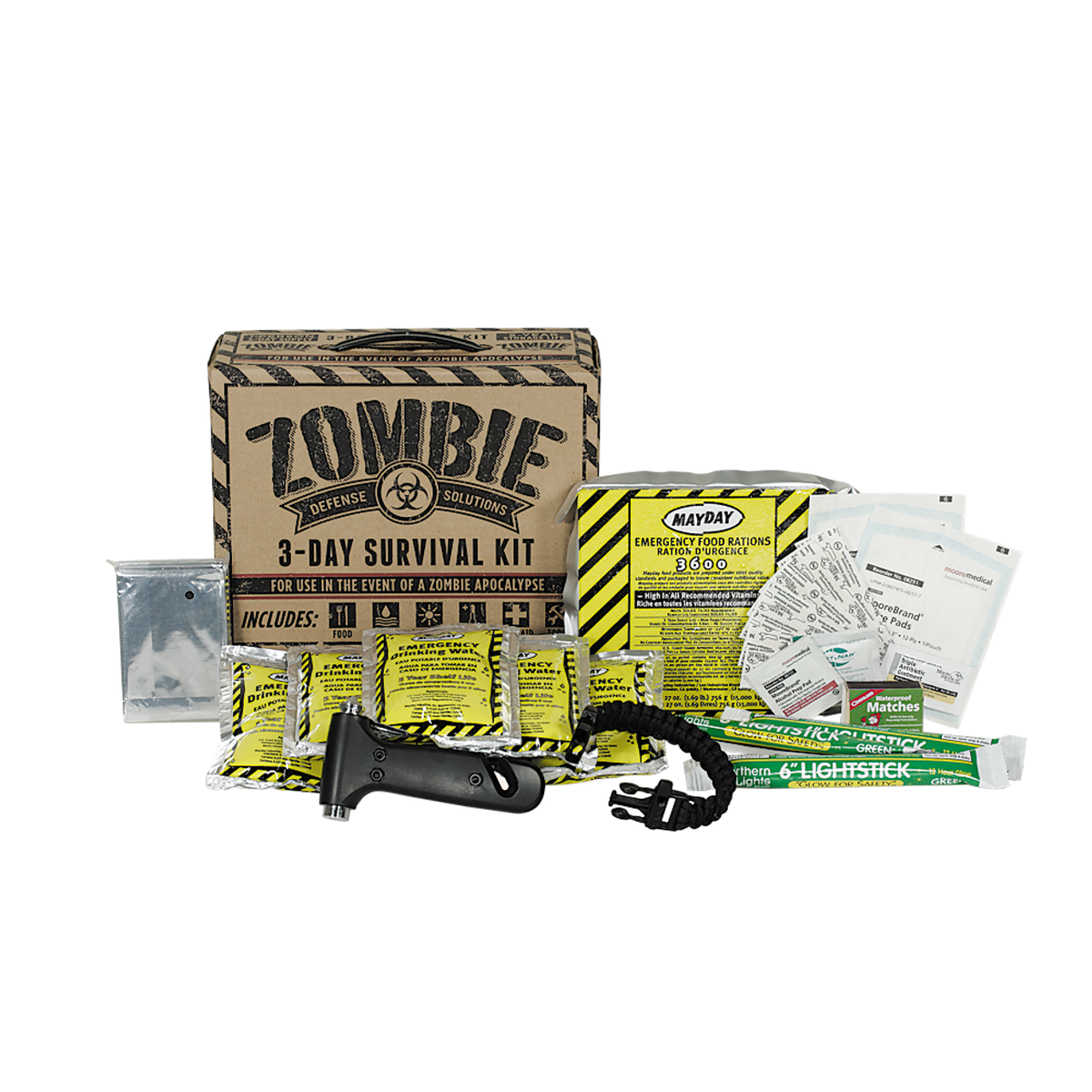
Additional survival gear can make a huge difference when you’re facing a zombie apocalypse. It’s not just about having the basics like food and water; you need tools and resources that keep your kit practical and reliable over time. The right extras help you stay organized, powered, and informed, which are all crucial for long-term survival.
Backpack And Storage
Your backpack isn’t just a bag—it’s your lifeline. Pick one that’s durable, water-resistant, and has multiple compartments. This lets you organize essentials like food, medical supplies, and weapons so you can grab what you need fast.
Think about comfort too. You’ll be wearing it for hours, maybe days. A padded back and adjustable straps reduce fatigue and keep you moving efficiently.
Solar Chargers And Batteries
Power sources are often overlooked but vital. Solar chargers keep your devices running without relying on scarce electricity. They’re lightweight and can charge phones, radios, or flashlights during daylight hours.
Don’t forget to carry extra batteries. They’re the backup when the sun isn’t out or your solar charger can’t keep up. Have a mix of rechargeable and disposable types to cover all situations.
Survival Manuals And Guides
Knowledge is your secret weapon. A survival manual or guide can teach you how to find food, build shelter, and handle medical emergencies. It’s like carrying an expert in your backpack.
Choose compact, waterproof books or digital versions stored on your devices. They provide quick answers when panic sets in and help you adapt to unexpected challenges.
Credit: www.ebay.ca
Frequently Asked Questions
What Are The Essential Items In A Zombie Survival Kit?
Essential items include water, non-perishable food, first aid supplies, weapons, and a flashlight. These basics ensure survival, safety, and self-defense during a zombie outbreak.
How Much Water Should I Pack In My Survival Kit?
Pack at least one gallon of water per person per day. Water is critical for hydration and health in any emergency situation.
What Weapons Are Best For Zombie Defense?
Blunt weapons like bats and crowbars, plus firearms if legal, are effective. Choose silent, durable weapons to avoid attracting zombies.
Should I Include Food In My Zombie Survival Kit?
Yes, include non-perishable, high-energy foods like canned goods and protein bars. These provide necessary nutrition when fresh food is unavailable.
Conclusion
Surviving a zombie apocalypse requires preparation and the right tools. A well-stocked kit can make all the difference. Include essentials like food, water, and first aid supplies. Don’t forget tools for defense and shelter. Maps and a compass help with navigation.
Communication devices keep you informed. Regularly check and update your kit. Practice using each item. Being prepared keeps you safer and more confident. Remember, survival is about readiness and resourcefulness. Stay alert and adapt to changes. Your life could depend on it.
Stay safe, and always be prepared for the unexpected.