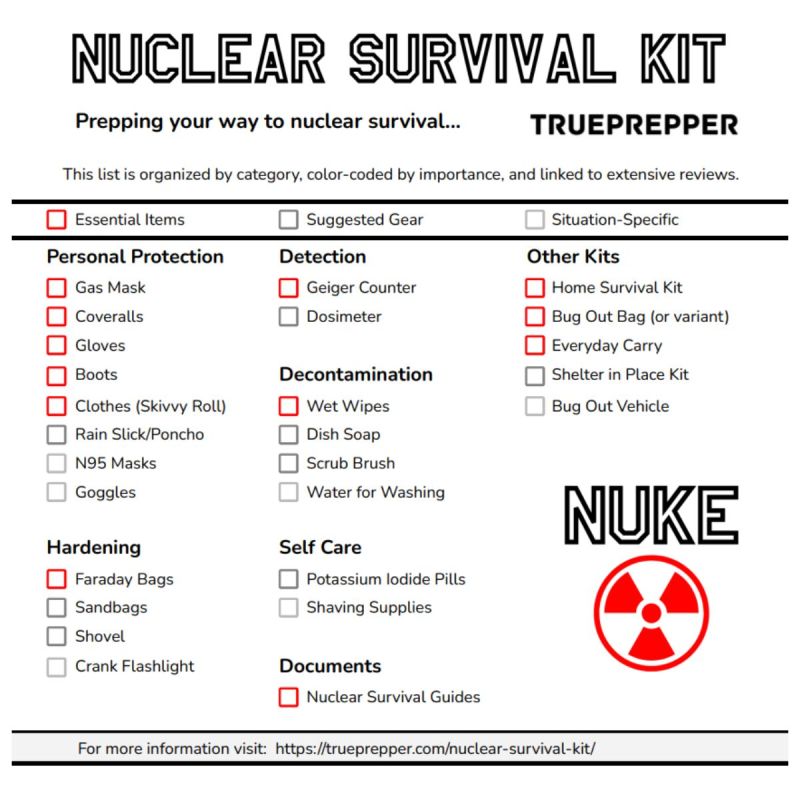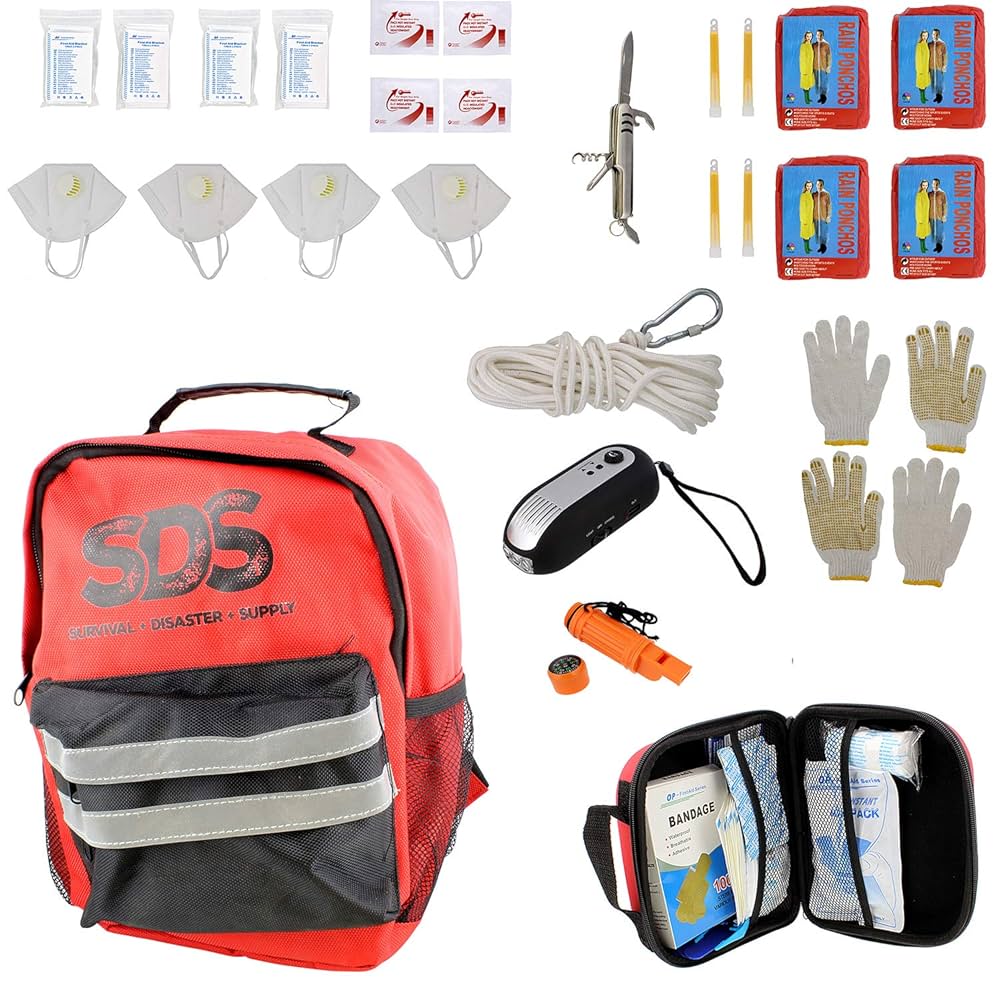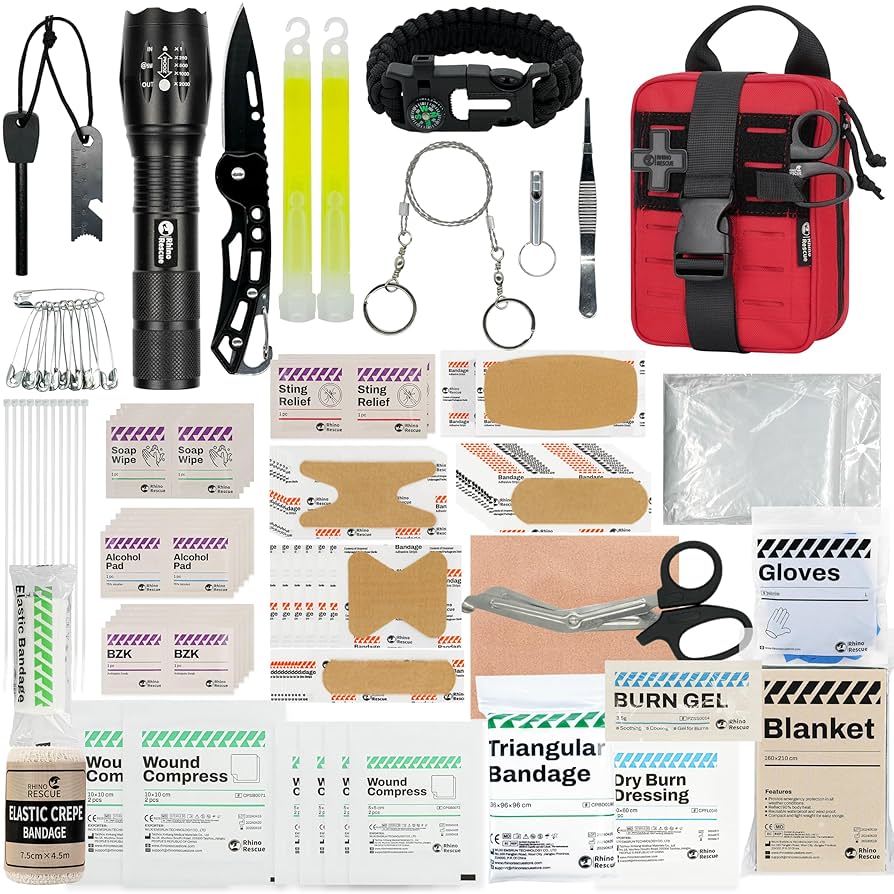
When it comes to staying safe during emergencies, having the right medical supplies can make all the difference. But what exactly comes in survival medical kits?
You might think it’s just bandages and antiseptics, but there’s much more packed inside to help you handle injuries and unexpected health issues. Knowing what’s inside your kit gives you the confidence to act quickly and effectively when it matters most.
You’ll discover the essential items every survival medical kit should have—and why each one is important for your safety. Keep reading to make sure your kit is ready for anything life throws your way.
Basic First Aid Supplies
Basic first aid supplies form the foundation of any survival medical kit. They help treat minor injuries and prevent infections quickly. Keeping these essentials ready can ease pain and stop wounds from worsening.
These supplies cover a range of needs, from covering cuts to cleaning wounds. Each item has a specific role in managing common medical issues in emergencies. Understanding these basics improves your preparedness and confidence.
Bandages And Dressings
Bandages and dressings protect wounds from dirt and germs. They help stop bleeding and support healing. Different sizes and types suit various injuries.
- Adhesive bandages for small cuts and scrapes
- Gauze pads to cover larger wounds
- Non-stick dressings to avoid pain during removal
- Elastic bandages for sprains and strains
Antiseptics And Ointments
Antiseptics clean wounds to prevent infection. Ointments soothe skin and speed up healing. These products reduce the risk of complications.
- Alcohol wipes for quick disinfection
- Antibacterial creams to fight germs
- Hydrocortisone cream for itching and irritation
- Burn ointments for minor burns and scalds
Adhesive Tapes And Gauze
Adhesive tapes secure dressings firmly in place. Gauze provides cushioning and absorbs fluids. Together, they keep wounds clean and covered.
- Medical tape that sticks well but removes gently
- Hypoallergenic tape for sensitive skin
- Roll gauze to wrap wounds or support injuries
- Sterile gauze pads for direct wound contact

Credit: www.amazon.com
Tools For Emergency Care
Having the right tools for emergency care in your survival medical kit can make a critical difference when every second counts. These tools help you manage wounds, prevent infections, and provide immediate life-saving measures. Knowing what each tool does and how to use it increases your confidence and readiness in an emergency.
Scissors And Tweezers
Scissors in a survival kit are designed to cut bandages, clothing, or tape quickly and safely. Their blunt tips protect you from accidental cuts while working on sensitive areas.
Tweezers are essential for removing debris like splinters or glass shards from wounds. You want a pair with a fine tip to grab even tiny particles effectively.
Have you ever struggled to remove a splinter with your fingers? Tweezers solve that problem and reduce the risk of infection by minimizing contact with the injury.
Thermometer And Gloves
A thermometer helps you monitor body temperature, which is vital for identifying fever or hypothermia early. Digital thermometers are fast and easy to read, making them ideal for emergency kits.
Disposable gloves protect both you and the injured person from germs and bodily fluids. Always wear gloves before touching any wound to prevent contamination.
Do you think gloves slow you down? In reality, they improve safety without compromising your ability to provide care.
Cpr Masks And Tourniquets
CPR masks provide a barrier when performing rescue breaths, reducing the risk of disease transmission. Most kits include a one-way valve for safer and more effective resuscitation.
Tourniquets control severe bleeding by tightening around a limb to stop blood flow. Knowing how and when to apply a tourniquet can save a life during traumatic injuries.
Would you hesitate to use a tourniquet? Understanding its critical role in emergencies helps you act decisively when it matters most.
Medications Included
Survival medical kits include essential medications to handle common health issues. These medicines help manage pain, allergic reactions, and digestive problems. Keeping these drugs ready can make a big difference in emergencies.
Pain Relievers And Fever Reducers
Pain relievers help ease headaches, muscle pain, and minor injuries. Fever reducers lower body temperature during illness.
- Acetaminophen (Tylenol) for pain and fever
- Ibuprofen (Advil) for inflammation and pain
- Aspirin, useful for pain and reducing fever
Antihistamines And Allergy Relief
Antihistamines reduce allergic reactions like itching, swelling, and rashes. They are vital for insect bites and pollen allergies.
- Diphenhydramine (Benadryl) for severe allergies
- Loratadine (Claritin) for long-lasting allergy relief
- Hydrocortisone cream to reduce skin irritation
Anti-diarrheal And Hydration Aids
Diarrhea can cause dehydration quickly. Anti-diarrheal medicines help control symptoms. Hydration aids restore lost fluids and salts.
- Loperamide (Imodium) to reduce diarrhea
- Oral rehydration salts to prevent dehydration
- Electrolyte powder for quick fluid balance

Credit: chinahopson.en.made-in-china.com
Specialized Survival Items
Specialized survival items in your medical kit are often the difference between managing an injury effectively and facing complications. These tools and supplies go beyond basic bandages and antiseptics, targeting specific emergencies that are common in survival situations. Knowing what specialized items to carry can boost your confidence and readiness when faced with unexpected challenges.
Burn Treatment Supplies
Burns can happen quickly, especially when you’re cooking over an open flame or handling hot equipment outdoors. Having burn treatment supplies like burn dressings, gels, and cooling pads can reduce pain and prevent infection. These supplies help protect damaged skin and speed up healing, which is critical when medical help isn’t immediately available.
Have you ever experienced a burn and wished you had something to ease the pain right away? Including burn-specific treatments in your kit prepares you to act fast and avoid complications like blistering or scarring.
Splints And Immobilizers
Injuries like sprains, fractures, or dislocations require immobilization to prevent further damage. Splints and immobilizers stabilize the injured area, reduce pain, and make it safer to move or wait for professional care. Many survival kits include foldable or inflatable splints designed to fit various limbs.
Imagine twisting your ankle while hiking alone. Without a splint, moving could worsen the injury. Having a reliable immobilizer in your kit means you can secure the joint and focus on getting to safety.
Emergency Blankets And Heat Packs
Maintaining body heat is vital during emergencies, especially in cold or wet conditions. Emergency blankets reflect your body heat back to you, preventing hypothermia. Heat packs provide a portable source of warmth and can also help ease muscle pain or stiffness.
Have you ever felt chilled to the bone with no way to warm up quickly? Carrying emergency blankets and heat packs in your survival kit ensures you can protect yourself from the cold and stay alert when it matters most.
Packaging And Portability
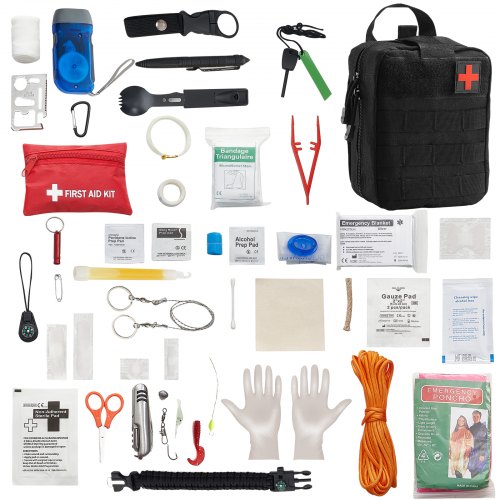
Survival medical kits must be easy to carry and use. Their packaging plays a big role in this. Proper packaging keeps all medical supplies safe and ready. Portability ensures you can take the kit anywhere quickly. Both factors improve your chances during an emergency.
Compact Cases And Organization
Compact cases make carrying the kit simple and light. They fit into backpacks, cars, or even pockets. Inside, items are arranged in sections or pouches. This organization helps find supplies fast. No time wasted searching for bandages or tools.
- Separate compartments for different supplies
- Clear labeling for easy identification
- Elastic loops or mesh pockets to hold items securely
Good organization prevents damage to delicate items. It also keeps everything neat and ready for use.
Waterproof And Durable Materials
Kits often use waterproof materials to protect contents. This prevents damage from rain, spills, or humidity. Durable fabrics resist tears and rough handling. Strong zippers or clasps keep the case closed tightly. Some kits include padded cases to absorb shocks.
- Water-resistant nylon or plastic exteriors
- Sealed seams to block water entry
- Reinforced corners for extra strength
These features ensure the kit remains intact in tough conditions. Your medical supplies stay clean, dry, and usable.
Customizing Your Kit
Customizing your survival medical kit is essential to ensure it meets your unique needs and challenges. A one-size-fits-all kit might leave you unprepared for specific situations you could face. Tailoring your kit helps you stay ready and confident, whether you’re hiking in the mountains or navigating urban emergencies.
Adapting To Environment And Risks
Think about where you’ll be using your kit the most. Different environments come with different risks—desert heat, cold mountains, or humid forests each demand specific supplies.
For example, in a cold environment, you might want to add frostbite treatment items and extra bandages to protect against slow healing wounds. In humid areas, antifungal creams become important since infections spread quickly. Ask yourself: what injuries or illnesses are most likely where you live or travel?
- Include insect bite relief if you’re in bug-prone areas.
- Add water purification tablets if clean water is scarce.
- Consider extra sunscreen for sunny climates.
Adjusting your kit to local hazards ensures you’re not carrying unnecessary weight but still prepared for real threats.
Including Personal Medications
Your health needs don’t pause just because you’re in an emergency. Personal medications should be a key part of your kit. This includes prescription drugs, allergy treatments, or daily supplements.
Think about your medical history. If you have asthma, pack inhalers. For allergies, include antihistamines and an epinephrine injector if prescribed. Don’t forget to check expiration dates regularly and replace medications as needed.
What would happen if you were stuck somewhere without access to your usual medicines? Preparing for that scenario could save your life or prevent complications.
- Label medications clearly and keep instructions handy.
- Store them in waterproof containers.
- Include extra doses for extended trips.
Personalizing your kit with your medications makes it truly yours and boosts your chances of staying healthy during an emergency.
Credit: www.vevor.ca
Frequently Asked Questions
What Essential Items Are Included In Survival Medical Kits?
Survival medical kits typically include bandages, antiseptics, pain relievers, tweezers, scissors, and gloves. They also contain wound dressings and emergency medications to treat injuries and common ailments during emergencies or outdoor activities.
How Do Survival Medical Kits Help In Emergencies?
These kits provide immediate medical care to prevent infections and manage injuries. They help stabilize patients until professional help arrives, making them crucial for survival in accidents, natural disasters, or remote locations.
Are Survival Medical Kits Suitable For All Types Of Injuries?
Survival medical kits cover minor to moderate injuries like cuts, burns, and sprains. However, they are not designed for severe trauma, which requires professional medical attention. They are best for first aid and temporary care.
How Often Should Survival Medical Kits Be Updated?
Survival medical kits should be checked and updated every six months. Replace expired medications, used items, and check for damage to ensure the kit remains effective and ready for emergencies.
Conclusion
Survival medical kits are essential for emergencies. They include vital supplies. Bandages, antiseptics, and pain relievers are common items. Tools like tweezers and scissors help with minor injuries. Always check kit contents regularly. Replace expired items promptly. Customize your kit for personal needs.
Consider allergies or medical conditions. A well-stocked kit ensures readiness. You gain peace of mind during emergencies. Knowledge of your kit boosts confidence. Stay prepared. Stay safe.