Imagine facing a tsunami warning with only minutes to act. What would you grab?
Having a well-packed tsunami survival kit can make all the difference between safety and chaos. But do you know exactly what should be inside your kit to keep you and your loved ones secure? This guide will walk you through the essential items you need, helping you prepare confidently for the unexpected.
Keep reading to discover how to build your own tsunami survival kit and protect what matters most.
Credit: www.misadeniums.com
Basic Supplies
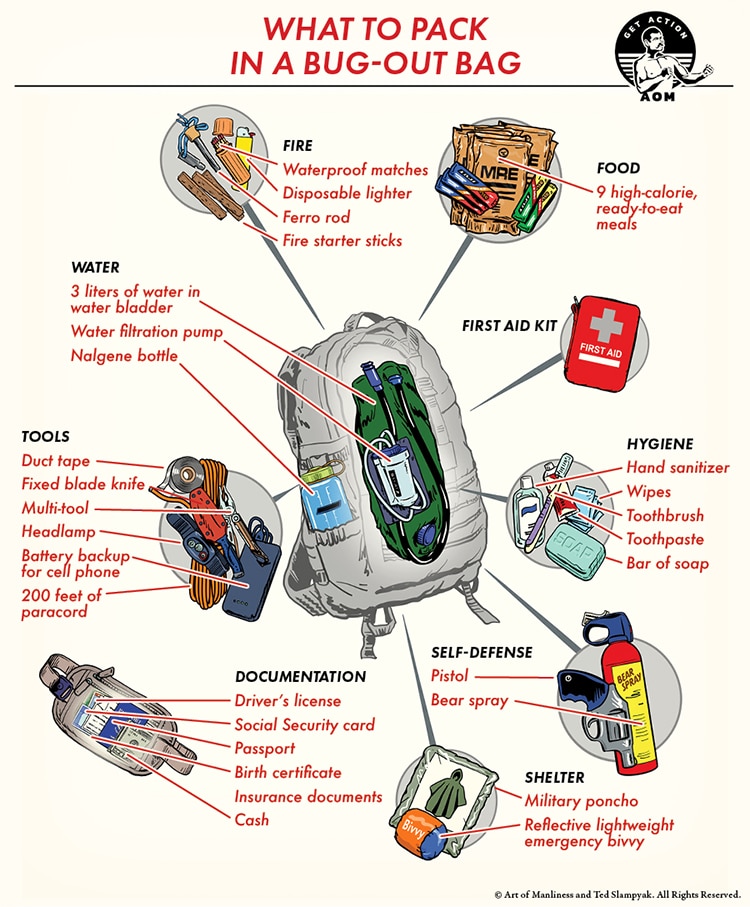
Having basic supplies ready in your tsunami survival kit can make a huge difference when disaster strikes. These essentials keep you safe, hydrated, and nourished while you wait for help or reach a safe place. Think about what you would need if you had to rely solely on your kit for a few days.
Water And Hydration
Water is the most critical item in your survival kit. You need at least one gallon per person per day for drinking and sanitation. Without clean water, dehydration can set in quickly, especially after a tsunami when fresh water sources may be contaminated.
Consider adding water purification tablets or a portable filter. They can turn unsafe water into something drinkable. Have sturdy, leak-proof bottles or pouches to store your water safely.
Non-perishable Food
Choose foods that last long without refrigeration and are easy to prepare. Think canned beans, nuts, dried fruits, and energy bars. These items provide necessary calories and nutrients when fresh food is unavailable.
Remember to pack a manual can opener if you include canned goods. Lightweight, ready-to-eat meals can save precious time and energy. Have enough food to last at least 72 hours, as rescue might not be immediate.
First Aid Kit
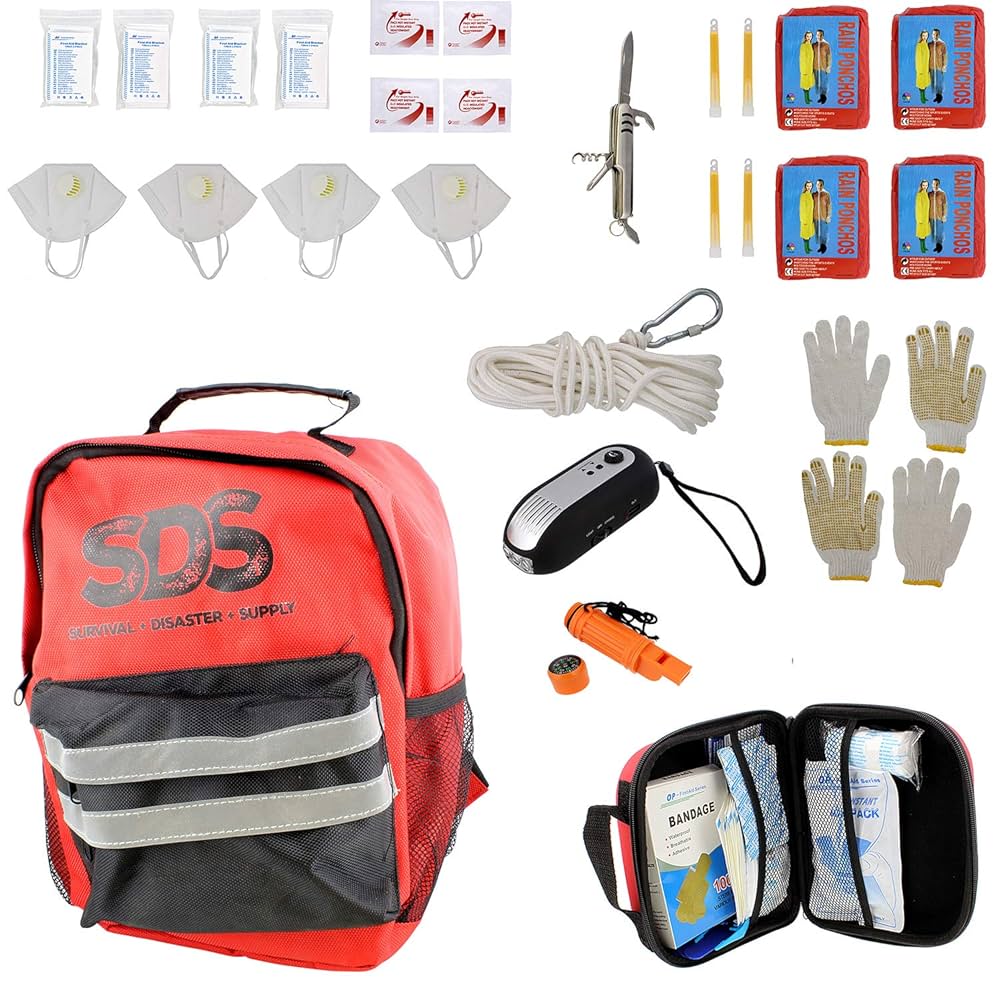
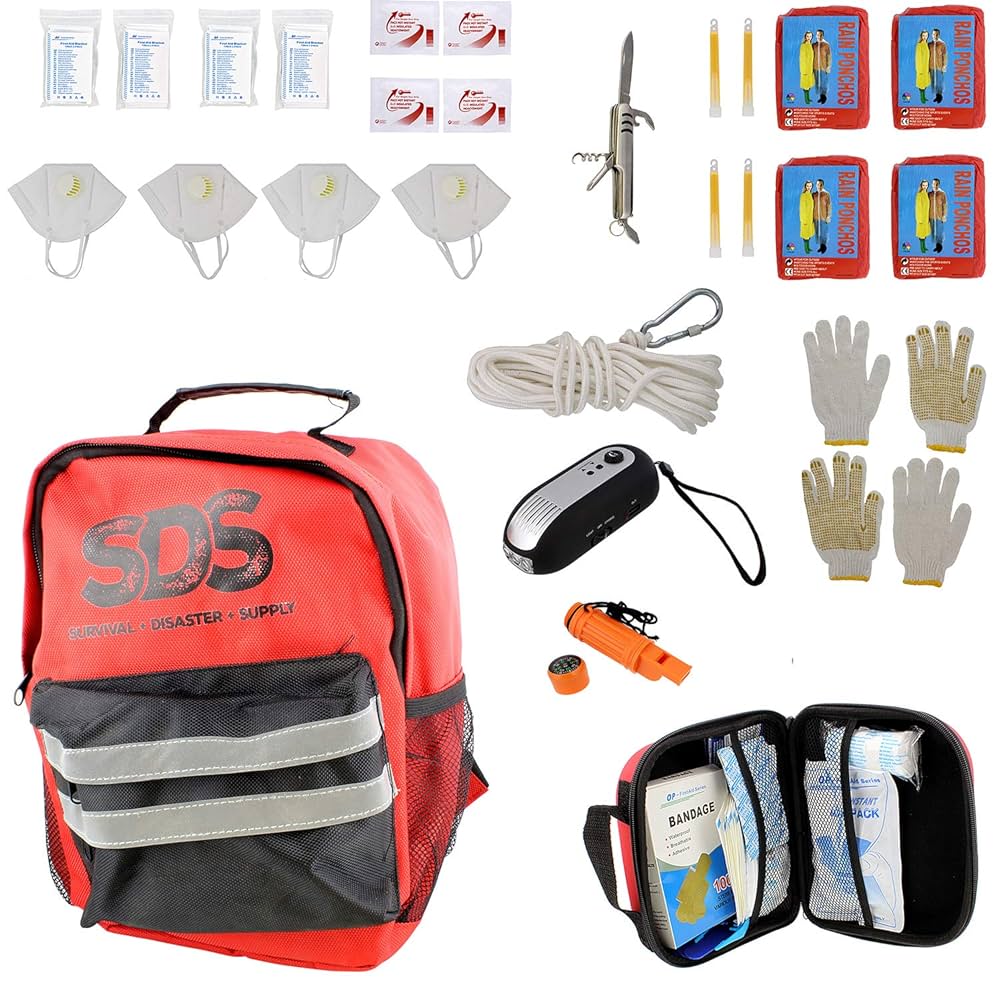
Every survival kit must have a well-stocked first aid kit. It should include bandages, antiseptic wipes, pain relievers, and any personal medications. Small injuries can worsen quickly if not treated promptly.
Think about adding items like tweezers, scissors, and medical tape. If you know how to use them, including a CPR mask or gloves can protect you and others. A good first aid kit is your frontline defense against infection and injury.
Tools And Equipment
Tools and equipment are essential parts of a tsunami survival kit. They help you manage emergencies and stay safe. Having the right items improves your chances of survival after a disaster.
Each tool serves a special purpose. Some help you fix things, others provide light, and some send signals for rescue. It is important to choose compact, reliable, and easy-to-use tools.
Multi-tool And Knife
A multi-tool is a compact device with many functions. It usually includes pliers, screwdrivers, and scissors. A strong knife is also vital. It can cut ropes, open cans, or prepare food.
Both tools should be sharp and durable. They save space and reduce the need for many separate tools.
Flashlight And Batteries
A flashlight provides light in dark or low-visibility areas. It helps you move safely at night. Always pack extra batteries to keep the flashlight working.
Choose LED flashlights for longer battery life. Small and lightweight models are easier to carry during evacuation.
Whistle And Signal Mirror
A whistle is a simple tool to call for help. Its sound can travel far and attract rescuers. A signal mirror reflects sunlight to send visual signals.
Both items are small but powerful. They increase your chances of being found quickly after a tsunami.
Clothing And Protection
Clothing and protection play a vital role in a tsunami survival kit. They help shield your body from harsh weather and rough terrain. Proper clothing keeps you warm, dry, and safe during emergencies. It also prevents injuries and infections. Pack items that fit well and suit the climate of your area.
Weather-appropriate Clothing
Choose clothes that match the expected weather conditions. Lightweight, breathable fabrics work best in warm climates. For cold areas, pack insulated layers to keep heat in. Avoid cotton as it holds moisture and chills the body. Opt for quick-drying materials like polyester or wool blends.
- Long-sleeve shirts to protect from sun and bugs
- Thermal underwear for colder regions
- Extra socks to keep feet dry and warm
Sturdy Footwear
Strong shoes prevent foot injuries on debris or slippery surfaces. Pick waterproof boots with good grip and ankle support. Avoid open-toed shoes or sandals that expose your feet. Break in new shoes before packing to avoid blisters during escape.
- Waterproof hiking boots or work boots
- Thick, comfortable socks
- Extra pair of shoes for backup
Rain Gear And Blankets
Rain gear keeps you dry during storms and heavy rain. Pack a lightweight rain jacket or poncho. Include a compact emergency blanket to retain body heat. Blankets also serve as ground cover or shelter material in emergencies.
- Waterproof jacket or poncho
- Compact emergency thermal blanket
- Extra plastic bags to keep clothes dry

Credit: www.youtube.com
Communication Devices
Communication devices are essential in a tsunami survival kit. They keep you connected to emergency services and loved ones when every second counts. Without reliable communication, you may miss critical updates or be unable to call for help.
Battery-powered Radio
A battery-powered radio lets you receive weather alerts and emergency broadcasts even if the power goes out. Choose one with multiple power options, such as solar or hand crank, to ensure it works in any situation.
Imagine relying on your phone, only to lose signal or battery during a tsunami. A radio acts as a dependable backup to keep you informed.
Mobile Phone And Charger
Your mobile phone is a lifeline during emergencies, but its battery drains fast when searching for signals or using apps. Keep a portable charger or power bank in your kit to recharge on the go.
Have you ever experienced your phone dying at the worst moment? A fully charged phone and backup power can make all the difference in staying connected.
Emergency Contact Information
Store printed copies of important phone numbers and addresses in your kit. Relying solely on digital contacts is risky if your devices fail.
Include numbers for family, friends, local emergency services, and shelters. This way, you’re ready to reach out even if technology lets you down.
Personal Documents And Money
Keeping your personal documents and money safe during a tsunami can make a huge difference in your recovery process. These items help you prove your identity, access funds, and regain control when everything else feels uncertain. Packing them carefully in your tsunami survival kit ensures you’re ready to face unexpected challenges without added stress.
Identification Papers
Always include original identification papers like your passport, driver’s license, and birth certificate in a waterproof pouch. These documents prove who you are and are essential for accessing emergency services, shelters, or crossing borders if you need to evacuate. Imagine trying to get help without any ID—it’s frustrating and can delay critical assistance.
Cash And Credit Cards
Electronic payment systems might fail during disasters, so carry some cash in small denominations. Credit cards are useful, but don’t rely on them alone. Having both options gives you flexibility whether ATMs are down or stores only accept cash. Think about the last time you were in an emergency—did you have quick access to money?
Copies Of Important Documents
Besides originals, keep printed and digital copies of important documents stored separately. This includes insurance papers, medical records, and property deeds. If originals get lost or damaged, copies help speed up claims and replacements without hassle. You can use a USB drive or cloud storage, but ensure you can access them without internet too.
Specialty Items
Specialty items in a tsunami survival kit meet unique needs. These items support health and safety beyond basic supplies. They help maintain well-being during stressful times.
Including specialty items ensures everyone in your group stays safe and cared for. This section highlights key items for medications, eyewear, and care for infants and pets.
Medications And Prescriptions
- Pack a supply of prescription medications for several days.
- Include pain relievers, allergy medicines, and any daily prescriptions.
- Store medications in waterproof containers to prevent damage.
- Label all medicines clearly with names and dosages.
- Keep a list of all medications and dosages in your kit.
Eyewear And Hearing Aids
- Include spare glasses or contact lenses with cleaning supplies.
- Pack batteries and chargers for hearing aids.
- Keep a small repair kit for eyewear and hearing devices.
- Store these items in a padded, waterproof case for protection.
Items For Infants And Pets
- Include baby formula, diapers, and wipes for infants.
- Pack bottles, pacifiers, and any special infant medicines.
- Bring pet food, water, and bowls for your animals.
- Include leashes, carriers, and any pet medications.
- Keep comfort items like blankets or toys for infants and pets.
Packing And Storage Tips
Packing and storing your tsunami survival kit correctly can make all the difference when every second counts. It’s not just about what you carry, but how you keep it ready and accessible. Think about situations where water, debris, and chaos are all around—your kit needs to stay safe and usable.
Waterproof Containers
Keeping your supplies dry is critical. Use waterproof containers to protect important items like matches, documents, and electronics. Dry bags or sealed plastic boxes work well and prevent damage from flooding or heavy rain.
Consider containers with secure locks or clips to avoid accidental openings. Have you tested your container’s seal in water before? It’s a simple step that can save you from soaked essentials during a tsunami.
Compact And Lightweight
Your kit should be easy to carry, especially when you might need to move quickly or over rough terrain. Select compact, lightweight items that don’t compromise on usefulness. For example, choose a multi-tool over several single-purpose tools.
Think about your own strength and mobility—can you comfortably carry your kit on foot? Packing smart means balancing what you need with what you can realistically handle in an emergency.
Regular Maintenance
A survival kit isn’t a one-time project. Check your supplies regularly to replace expired food, batteries, and medications. This keeps your kit ready to use at a moment’s notice.
Set a reminder every few months to review your kit. This habit helps you discover missing items or update your kit based on new information or personal needs. How often do you think about your emergency gear’s readiness?

Credit: www.amazon.com
Frequently Asked Questions
What Essential Items Are In A Tsunami Survival Kit?
A tsunami survival kit includes water, non-perishable food, first aid supplies, flashlight, batteries, and a whistle. It also contains important documents, clothing, and a multi-tool. These items ensure safety, hydration, and communication during emergencies.
How Much Water Should A Tsunami Survival Kit Have?
A tsunami survival kit should contain at least one gallon of water per person per day. It is recommended to store enough water for three days. Clean drinking water is crucial for hydration and survival after a tsunami.
Why Is A First Aid Kit Important In Tsunami Kits?
A first aid kit helps treat injuries and prevent infections after a tsunami. It includes bandages, antiseptics, pain relievers, and medical tape. Immediate medical care can save lives when professional help is delayed.
Should A Tsunami Survival Kit Include Communication Tools?
Yes, communication tools like a whistle, radio, and fully charged mobile power bank are essential. They help you signal for help and stay informed about weather updates and rescue operations.
Conclusion
Preparing a tsunami survival kit is crucial. It can save lives. A well-packed kit ensures readiness during emergencies. Essentials like water, food, and first aid are key. Also include a flashlight and batteries. Keep a whistle for signaling. Add personal documents in waterproof bags.
Don’t forget warm clothing and blankets. Each item supports survival. Regularly check and update your kit. Awareness and preparation boost safety. Stay informed about local warnings. Practice emergency drills with family. Knowledge and readiness make a difference. Stay safe and prepared for any situation.
Your safety matters most.