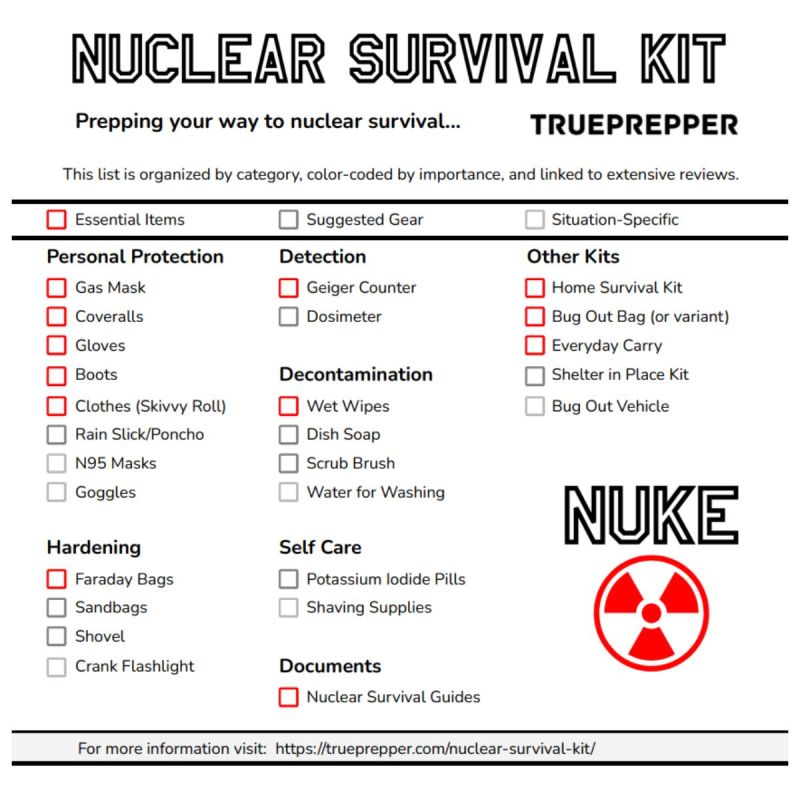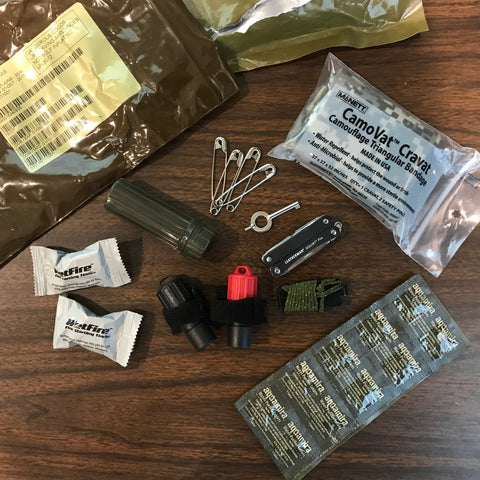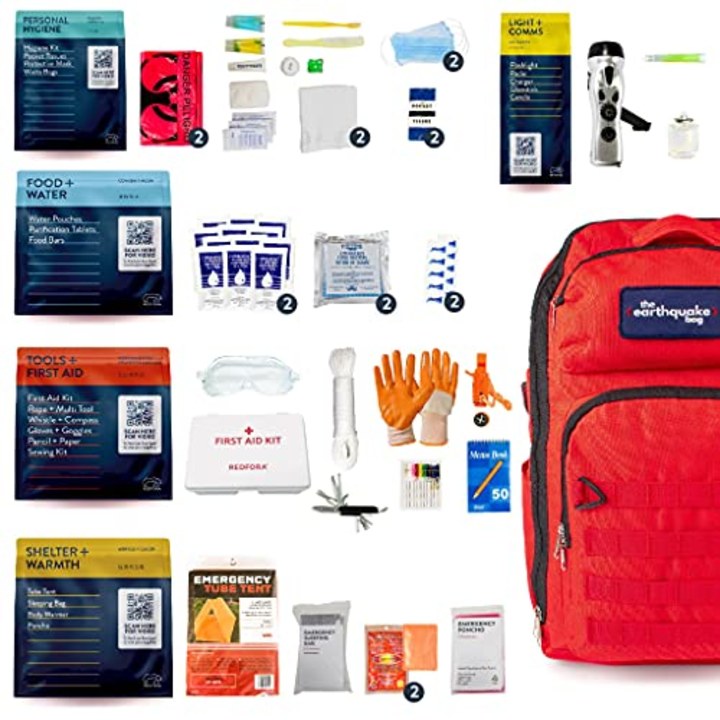
Imagine facing an emergency without the right supplies—how would you stay safe, comfortable, and in control? Your survival kit can make all the difference when every second counts.
But what exactly should you have in it? Knowing the must-have items can give you peace of mind and help you act fast when it matters most. Keep reading to discover the essential things you need in your emergency survival kit to protect yourself and your loved ones.

Credit: www.amazon.ca
Basic Survival Gear
Basic survival gear forms the foundation of any emergency survival kit. It includes essential items that keep you alive and safe. These tools address your most urgent needs: water, food, and shelter. Each item plays a crucial role in overcoming harsh conditions and unexpected situations.
Water And Hydration Tools
Water is vital for survival. Carry a reliable water bottle or hydration bladder. Include water purification methods such as:
- Portable water filters
- Water purification tablets
- Boiling equipment like a small pot or metal container
These tools ensure access to clean drinking water. Proper hydration prevents dehydration and maintains energy.
Food Supplies And Storage
Food provides energy and strength. Pack non-perishable, high-calorie items. Examples include:
- Energy bars
- Dried fruits and nuts
- Canned goods with easy-open lids
- Freeze-dried meals
Use airtight containers or resealable bags to keep food fresh. Store food in a cool, dry place inside the kit.
Shelter And Warmth Essentials
Protection from weather is key. Include items that offer shelter and warmth. Important gear includes:
- Compact emergency blankets
- Lightweight tent or tarp
- Insulating sleeping bag or bivy sack
- Fire-starting tools like waterproof matches or lighters
These items help maintain body heat and protect against rain, wind, and cold.
First Aid And Medical Supplies
First aid and medical supplies are essential in every emergency survival kit. These items help treat injuries and reduce infection risks. They provide quick relief and stabilize conditions before professional help arrives.
A well-stocked medical kit improves safety and comfort during emergencies. It supports basic health needs and helps manage pain. Keeping these supplies organized and accessible is vital for effective use.
Bandages And Wound Care
- Adhesive bandages of various sizes for small cuts
- Sterile gauze pads to cover larger wounds
- Antiseptic wipes or solutions to clean wounds
- Medical tape to secure dressings
- Elastic bandages for sprains and strains
- Antibiotic ointment to prevent infection
Medications And Pain Relief
- Pain relievers such as ibuprofen or acetaminophen
- Antihistamines for allergic reactions
- Anti-diarrheal medication for digestive issues
- Motion sickness tablets for nausea
- Any prescribed medicines for chronic conditions
- Thermometer to check for fever
Sanitation And Hygiene Items
- Alcohol wipes for disinfecting skin and tools
- Disposable gloves to prevent contamination
- Face masks to reduce infection spread
- Hand sanitizer with at least 60% alcohol
- Small towels or tissues for cleaning
- Plastic bags for waste disposal
Tools And Equipment
Tools and equipment are crucial in any emergency survival kit. They help solve problems, build shelter, and secure food or water. Choosing the right gear makes survival easier and safer.
Multi-tools And Knives
Multi-tools offer many functions in one compact device. They include pliers, screwdrivers, scissors, and more. A sturdy knife is vital for cutting, preparing food, and self-defense. Both should be durable and easy to carry.
Fire Starting Devices
Fire provides warmth, light, and a way to cook food. Carry reliable fire starters like waterproof matches or a lighter. A ferrocerium rod is a great backup. Keep these items dry and accessible in your kit.
Lighting And Communication
Light sources help you navigate and signal for help at night. A small flashlight or headlamp works well. Extra batteries are essential. For communication, a whistle or a compact radio can be lifesavers in emergencies.

Credit: www.amazon.ca
Clothing And Protection
Proper clothing and protection are vital in any emergency survival kit. They help maintain body temperature, shield from harsh elements, and reduce injury risks. Choosing the right apparel and gear supports comfort and safety during unexpected situations.
Weather-appropriate Apparel
Dress for the climate you expect to face. Include layers for warmth and breathability. Lightweight, moisture-wicking fabrics keep skin dry and comfortable. Waterproof jackets and pants protect against rain and wind. Avoid cotton as it holds moisture and chills the body.
Protective Gear
Safety items guard against cuts, scrapes, and debris. Sturdy gloves shield your hands during tasks. Durable boots offer ankle support and protect feet from rough terrain. A wide-brimmed hat blocks sun and falling debris. Consider safety goggles to protect eyes from dust and flying particles.
Emergency Blankets And Ponchos
Compact and lightweight, emergency blankets retain body heat. They prevent hypothermia in cold conditions. Ponchos offer quick rain protection and can double as shelter. Keep these items easily accessible for fast use. Their small size makes them perfect for any survival kit.
Navigation And Information
Navigation and information are vital in any emergency survival kit. They help you find your way and stay updated on important news. Without proper tools, you risk getting lost or missing critical alerts. Your kit should include reliable navigation devices and ways to receive emergency broadcasts.
Maps And Compasses
Maps and compasses are essential for navigation without technology. Paper maps show terrain, roads, and landmarks. A compass helps you find direction even when GPS fails. Both are lightweight and easy to carry. Practice reading maps and using a compass before an emergency. Keep maps of your local area and any routes you plan to take.
Emergency Alerts And Radios
Emergency radios keep you informed during disasters. They receive alerts about weather, safety, and evacuation orders. Look for radios with NOAA weather bands and hand-crank or solar power options. Battery-powered radios also work well. Some models include built-in flashlights and USB chargers. Stay connected to updates even if phones or internet stop working.
Personal And Important Items
Personal and important items are vital in an emergency survival kit. They help prove your identity and keep your essential information safe. These items support your ability to access help and resources quickly. Preparing these items carefully can make a big difference during a crisis.
Identification And Documents
Carry copies of your ID cards and important documents. Include your passport, driver’s license, and birth certificate. Keep medical records and insurance papers handy. Store these papers in a waterproof pouch or folder. This protects them from damage and loss.
Cash And Emergency Contacts
Keep some cash in small bills for emergencies. Electronic payments might not work during power outages. Have a list of emergency contacts written down. Include family, friends, and local emergency numbers. This list helps you reach people quickly if your phone dies.
Customizing Your Kit
Customizing your emergency survival kit ensures it meets your specific needs. A well-tailored kit can help you face unexpected situations with confidence. Every family is unique, and so should be the contents of your kit. Adjusting your kit to local dangers and personal requirements makes it practical and reliable. Regular checks keep your supplies fresh and ready for action.
Consider Family Needs
Think about each family member’s age and health. Include items for babies, elderly, or those with special needs. Pack extra medications, glasses, and comfort items. Personalize food and water supplies to suit everyone’s preferences. Don’t forget important documents and emergency contacts for each person.
Account For Local Risks
Identify common hazards in your area. Floods, earthquakes, or wildfires need different tools and supplies. Prepare for power outages with batteries and flashlights. Include protective gear like masks or gloves if needed. Tailor your kit to handle local weather conditions and emergencies.
Regular Maintenance And Updates
Check your kit every six months. Replace expired food, water, and medicines promptly. Test batteries and electronic devices regularly. Update emergency contacts and important documents as needed. Keep your kit clean and organized for easy access during crises.

Credit: www.amazon.ca
Frequently Asked Questions
What Are The Essential Items In An Emergency Survival Kit?
An emergency survival kit must include water, non-perishable food, a first aid kit, flashlight, batteries, and a multi-tool. These items ensure basic needs like hydration, nutrition, safety, and communication are met during emergencies. Tailor the kit to your environment and personal needs for best results.
How Much Water Should I Pack In A Survival Kit?
Pack at least one gallon of water per person per day. This amount covers drinking and basic hygiene needs. Store water in clean, sealed containers and consider water purification tablets for extended emergencies. Proper hydration is crucial for survival and health.
Why Include A First Aid Kit In A Survival Kit?
A first aid kit helps treat injuries quickly and prevents infections. It should contain bandages, antiseptics, pain relievers, and any personal medications. Immediate medical care can reduce complications and improve survival chances during emergencies.
Should I Add Tools To My Emergency Survival Kit?
Yes, tools like a multi-tool, knife, and fire starter are vital. They assist in building shelter, preparing food, and signaling for help. Tools increase your ability to adapt and survive in various emergency situations.
Conclusion
A good emergency survival kit saves lives. It must have food, water, and first aid supplies. Tools like a flashlight and knife help a lot. Extra clothes and blankets keep you warm. Always include important documents and a phone charger.
Check your kit often to replace old items. Being prepared brings peace of mind. Start building your kit today. Stay safe and ready for any emergency.