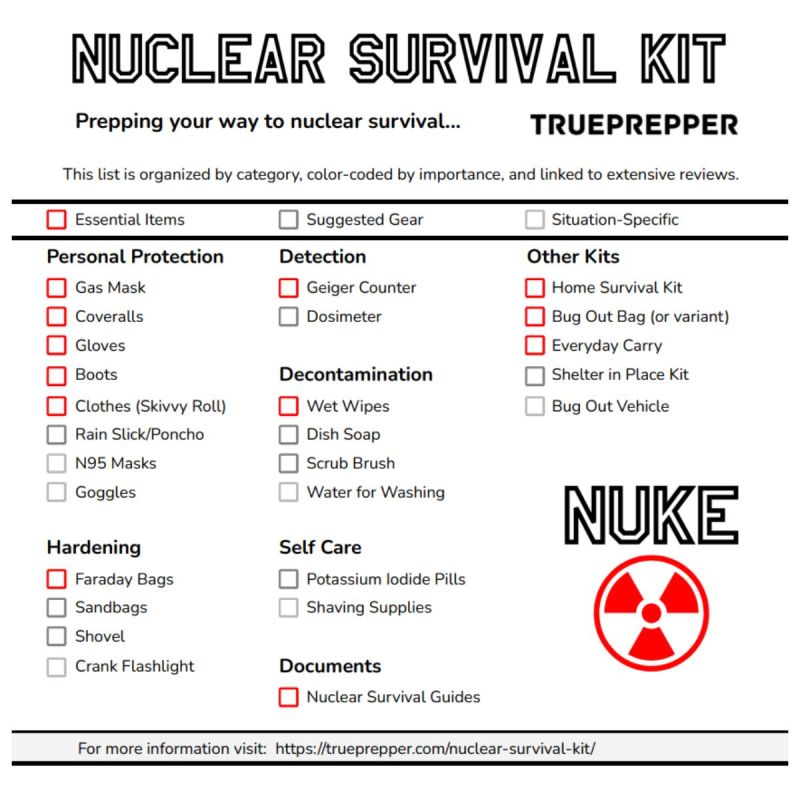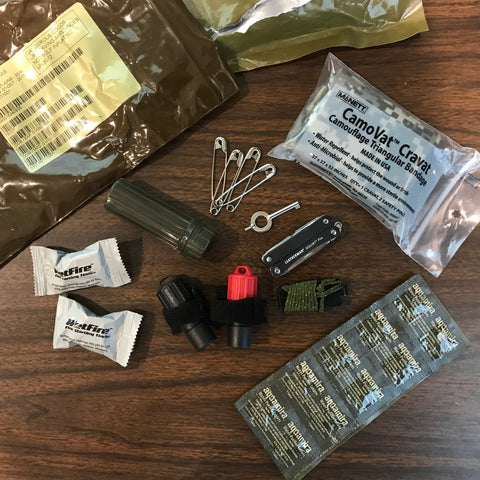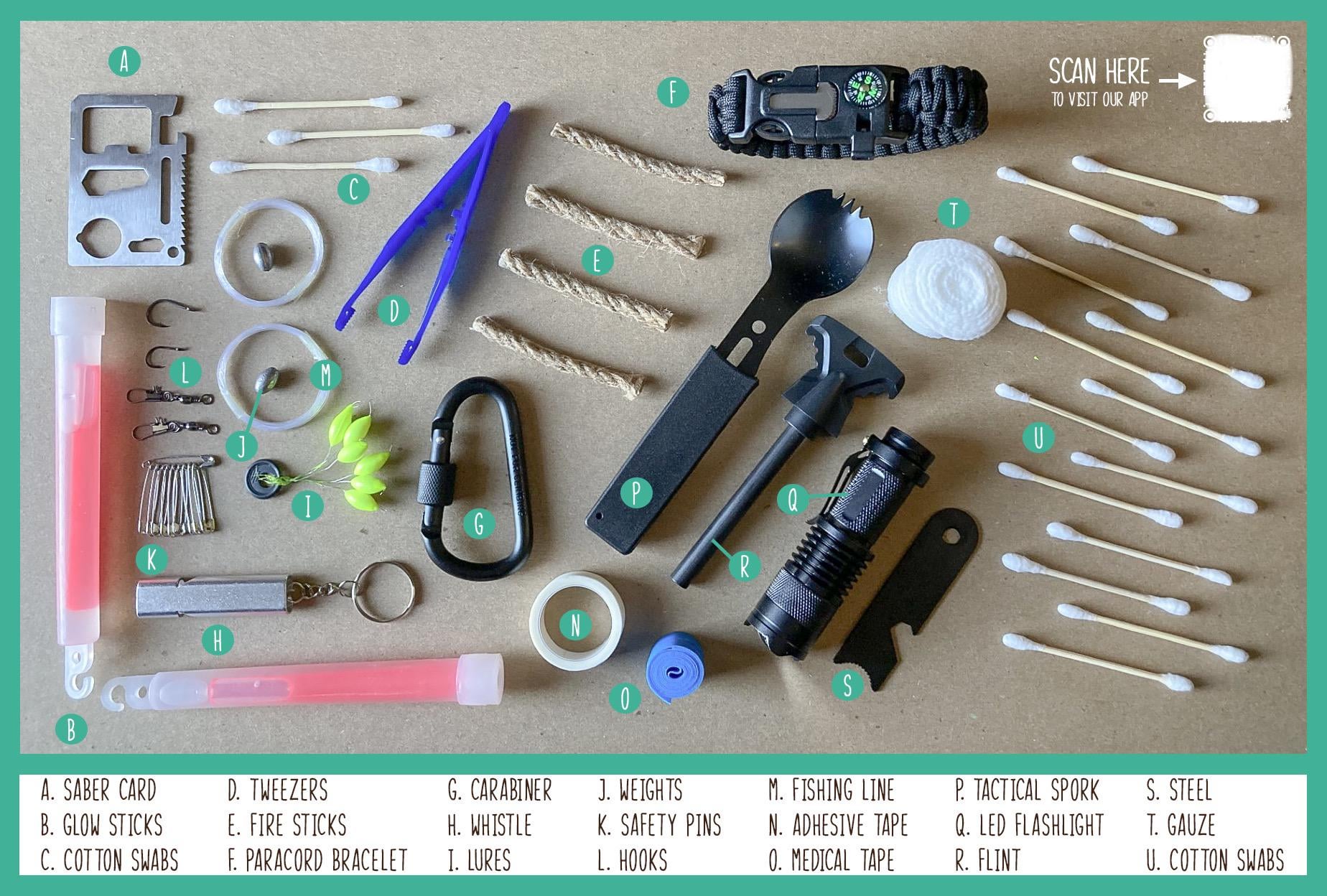
Imagine finding yourself in a tough spot with no help around. What would you need to stay safe and get through it?
Your mini survival kit could be the difference between stress and calm, between danger and safety. But what exactly should you put in it? You want to be prepared without carrying too much. You’ll discover the essential items that make your mini survival kit reliable and easy to carry.
Keep reading to learn how to build a kit that fits your needs and gives you real peace of mind.
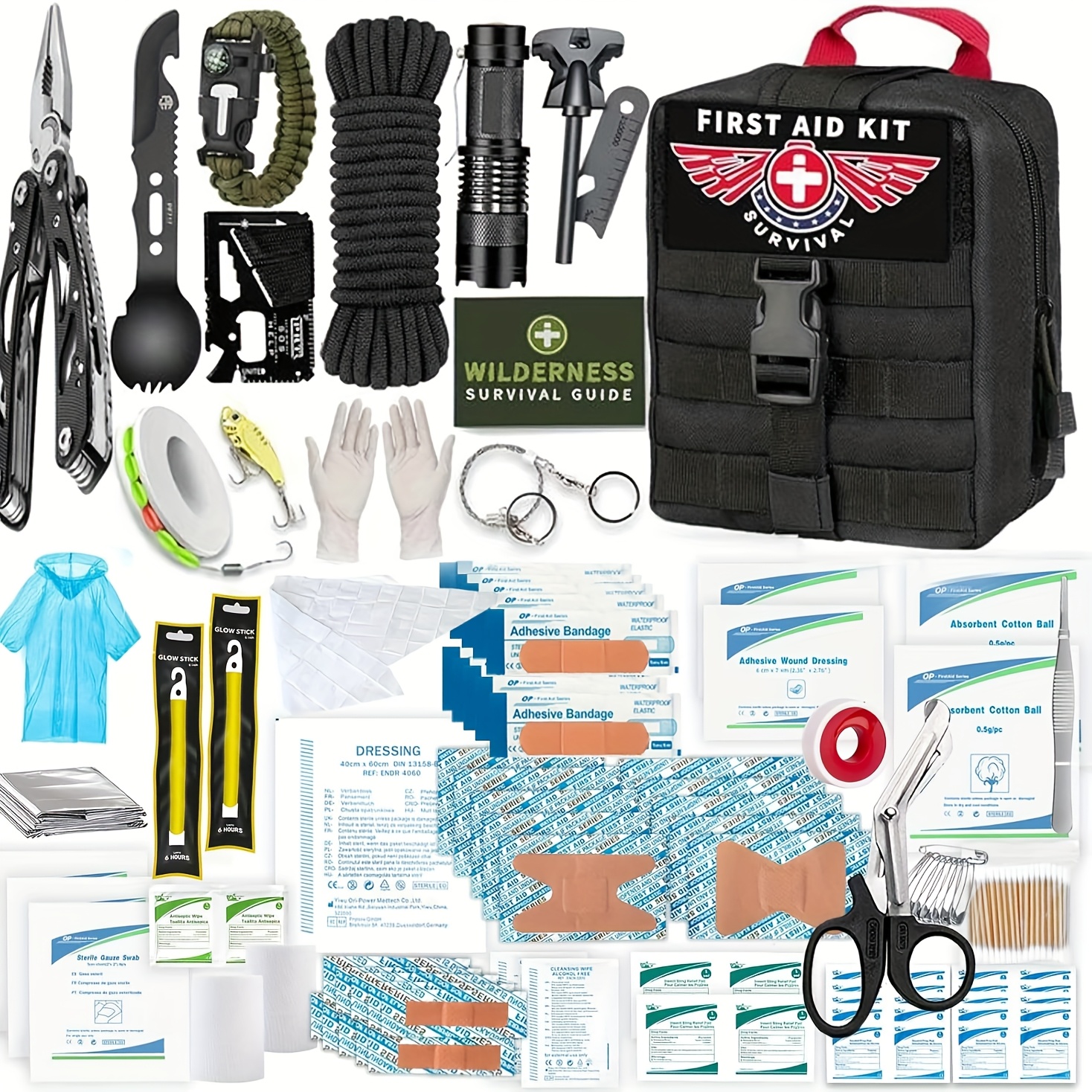
Credit: www.temu.com
Basic Survival Tools
Basic survival tools form the backbone of any mini survival kit. These items help you handle immediate challenges like cutting, lighting a fire, or finding your way in the dark. Choosing the right tools can make the difference between staying safe and struggling in an emergency.
Multi-tool And Knife
A multi-tool is like having a small toolbox in your pocket. It combines essential functions such as pliers, screwdrivers, scissors, and a knife blade, saving space and weight. A sturdy knife alone is also critical for cutting rope, preparing food, or crafting shelter.
Look for a multi-tool with locking blades to avoid accidents. Personally, I once used a multi-tool to fix a broken tent zipper during a sudden storm—without it, I would have been soaked and cold. What tasks do you anticipate needing your knife or multi-tool for in a survival situation?
Fire Starters
Fire starters are essential for warmth, cooking, and signaling for help. Small, reliable options include waterproof matches, a ferrocerium rod, or cotton balls soaked in petroleum jelly. Each has its advantages, like lasting longer or igniting quickly under wet conditions.
Carrying multiple fire-starting methods increases your chances of success. I remember struggling to light a fire with damp matches but quickly switched to a ferro rod, which sparked instantly. How prepared are you to start a fire if everything around you is wet?
Flashlight And Batteries
A compact flashlight brightens your path and helps you signal rescuers after dark. Opt for LED flashlights because they use less power and last longer. Always pack extra batteries and keep them sealed to prevent corrosion.
Consider a flashlight with multiple brightness settings to extend battery life. During a night hike, having a reliable light source kept me calm and oriented when the trail vanished in the dark. Could your current flashlight handle a full night outdoors without dying?
First Aid Essentials
First aid essentials are the backbone of any mini survival kit. They help manage injuries and prevent infections. A well-packed first aid section can save lives in emergencies. Keep these items compact but effective.
Bandages And Dressings
Bandages stop bleeding and protect wounds. Include various sizes to fit different injuries. Adhesive bandages work for small cuts. Sterile gauze pads cover larger wounds safely. Elastic bandages help support sprains or strains. Always pack medical tape to secure dressings firmly.
Antiseptics And Ointments
Antiseptics clean wounds to stop germs. Alcohol wipes or iodine pads are useful. Use antiseptic creams or ointments to prevent infection. Antibiotic ointments soothe and heal cuts or scrapes. Avoid expired products to ensure effectiveness. Small containers fit easily in a mini kit.
Pain Relievers And Medications
Pain relievers reduce discomfort and inflammation. Common types include ibuprofen and acetaminophen. Pack doses in sealed packets or small bottles. Include any personal medications needed daily. Keep medicines in waterproof bags for safety. Label each medicine clearly to avoid confusion.
Water And Hydration
Water is the most important part of any survival kit. Staying hydrated keeps your body working well. It helps prevent heat stroke, dizziness, and fatigue. Carrying clean water is a must. Knowing how to get safe water is even better. Small items for water and hydration fit easily in a mini survival kit.
Water Purification Methods
Water from natural sources can have germs and dirt. Purifying water makes it safe to drink. Some easy methods to include are:
- Water purification tablets:Small, light, and kill bacteria quickly.
- Portable water filter:Removes dirt and germs through a small device.
- Boiling:Boil water for at least one minute to kill germs.
- UV light purifier:Uses ultraviolet light to kill bacteria and viruses.
Pack one or two of these options. They take little space but provide safe drinking water.
Collapsible Water Container
Carrying water bottles can be bulky and heavy. Collapsible water containers solve this problem. They fold flat when empty and expand when filled.
- Save space in your bag.
- Lightweight and easy to carry.
- Made from durable, safe materials.
- Hold enough water for several hours.
Choose a container that fits your kit size. It helps store purified water safely. Ready for use anytime.
Food And Nutrition
Food and nutrition are essential for survival in any emergency. Your mini survival kit needs items that provide energy and keep you full. Choose foods that last long, are easy to carry, and give quick nutrition. Proper food helps maintain strength and focus during tough times.
High-energy Snacks
High-energy snacks supply quick fuel for your body. Pick snacks that are rich in calories and nutrients. Examples include:
- Nuts and seeds
- Energy bars
- Dried fruits
- Peanut butter packets
- Trail mix
These snacks are lightweight and have a long shelf life. They provide essential fats, proteins, and carbs needed for energy.
Compact Food Options
Compact foods save space and weight in your kit. They offer balanced nutrition without bulk. Consider items such as:
- Freeze-dried meals
- Dehydrated soups
- Canned tuna or chicken (in small tins)
- Instant oatmeal packets
- Hard candies or glucose tablets
These foods are easy to store and prepare. They keep well in different conditions and help maintain energy levels.
Shelter And Warmth
Staying warm and dry is vital in any survival situation. Shelter protects the body from cold, wind, and rain. It helps prevent hypothermia and keeps energy for other tasks. A mini survival kit must include lightweight, effective items for shelter and warmth.
Emergency Blanket
An emergency blanket is small and easy to carry. It reflects body heat to keep you warm. Made from thin, reflective material, it also blocks wind and rain. Use it as a wrap or a ground cover. It takes little space but offers big protection.
Compact Poncho Or Tarp
A compact poncho or tarp shields you from rain and wind. Ponchos also work as rainwear, keeping clothes dry. Tarps can build quick shelters using nearby trees or poles. Both are lightweight and fold into small sizes. They help maintain body heat and stay comfortable.
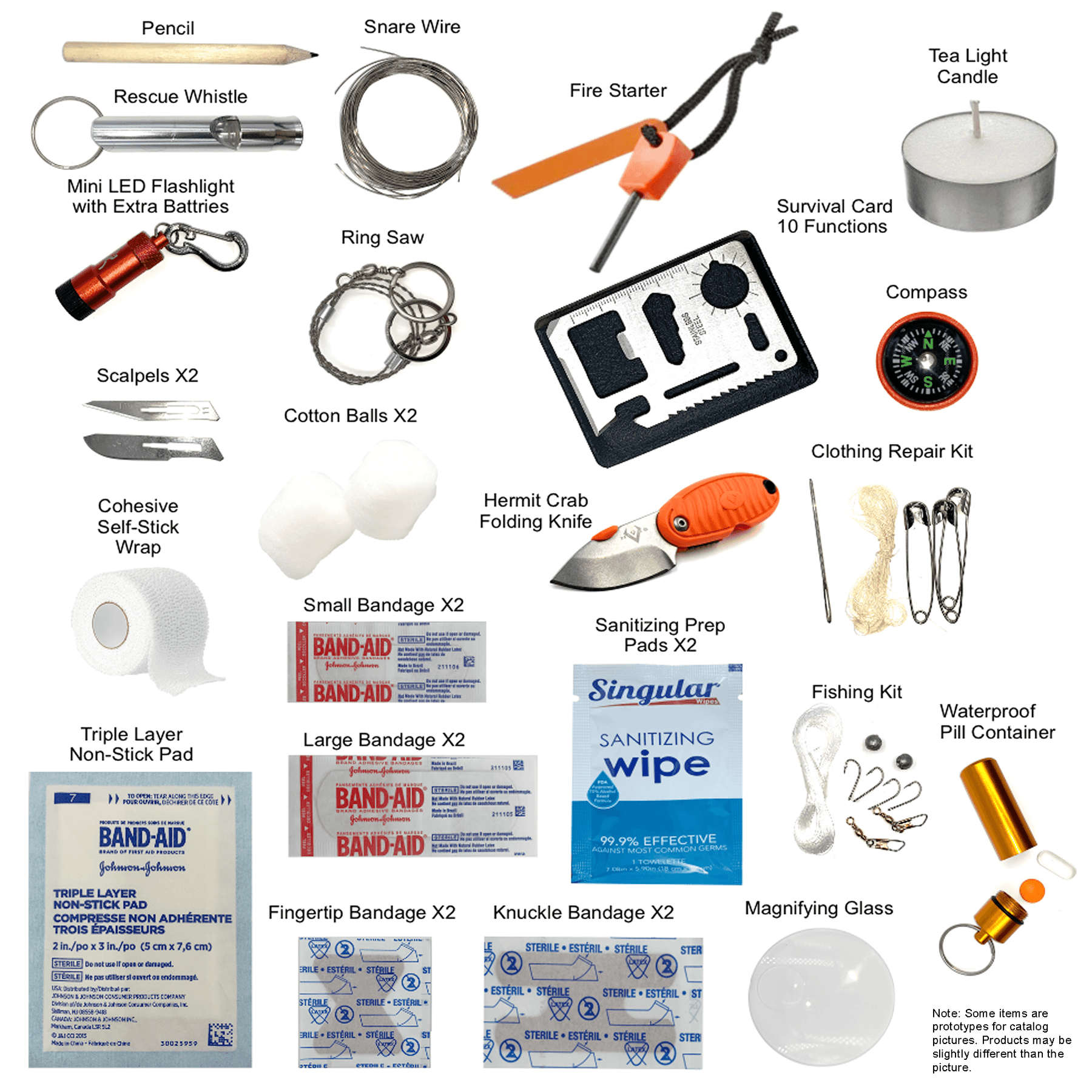
Credit: www.vnives.com
Navigation And Communication
Navigation and communication tools are essential components of any mini survival kit. They help you find your way and signal for help if you get lost or face an emergency. Having reliable tools can make a huge difference between staying safe and getting stranded.
Compass
A compass is a small but powerful tool that guides you through unfamiliar terrain. It doesn’t rely on batteries or signals, so it works in remote areas where your phone might fail. Carry a compact, lightweight compass that fits easily in your kit and practice using it before you need it.
Think about times you’ve relied on GPS only to lose signal. A compass ensures you can still find your way back to safety without depending on technology. Pair it with a simple map, and you have a reliable navigation system in your pocket.
Whistle
A whistle is a simple, loud tool that can alert rescuers to your location. Its sharp, piercing sound travels farther than your voice and requires less energy to use. Choose a whistle with a pea inside for a louder, longer-lasting sound.
In a survival situation, you might feel scared or exhausted. Blowing a whistle can attract attention without shouting, which can tire you out quickly. Keep it handy and remember the universal distress signal: three short blasts.
Personal Items And Extras
Personal items and extras make a mini survival kit more practical and useful. These small additions can help you face unexpected situations with confidence. They cover essential needs beyond basic survival tools. Packing these items ensures you are prepared for identity verification, financial needs, and quick fixes.
Cash And Identification
Always carry some cash in small bills. Cash helps when electronic payments fail. Include a copy of your ID and important documents. This aids in proving who you are during emergencies. Keep these items waterproofed and easy to access.
Duct Tape And Paracord
Duct tape is a strong, flexible tool. It fixes tears, holds things together, and even helps with first aid. Paracord is lightweight and very strong. Use it for shelter, gear repair, or making traps. Both items take little space but offer many solutions.

Credit: stayreadyoutdoors.com
Frequently Asked Questions
What Are Essential Items In A Mini Survival Kit?
Essential items include a compact knife, waterproof matches, a whistle, a small first aid kit, and a space blanket. These tools help with shelter, signaling, and basic medical needs during emergencies.
How To Choose The Right Mini Survival Kit Size?
Choose a kit that fits comfortably in your pocket or backpack. It should be lightweight but contain necessary survival tools for your specific environment and activities.
Can A Mini Survival Kit Handle Extreme Emergencies?
A mini kit is designed for short-term emergencies. It covers basic needs but may not suffice for prolonged survival situations without additional supplies.
How Often Should I Update My Mini Survival Kit?
Check and update your kit every six months. Replace expired items like batteries, matches, and medications to ensure readiness during emergencies.
Conclusion
A mini survival kit helps you stay ready for small emergencies. Choose items that fit your needs and space. Focus on basics like water, food, and first aid. Keep tools that make tasks easier and safer. Check your kit often to replace old supplies.
Small and light, it fits in bags or cars. Be prepared, stay calm, and handle surprises better. A simple kit can make a big difference anytime.