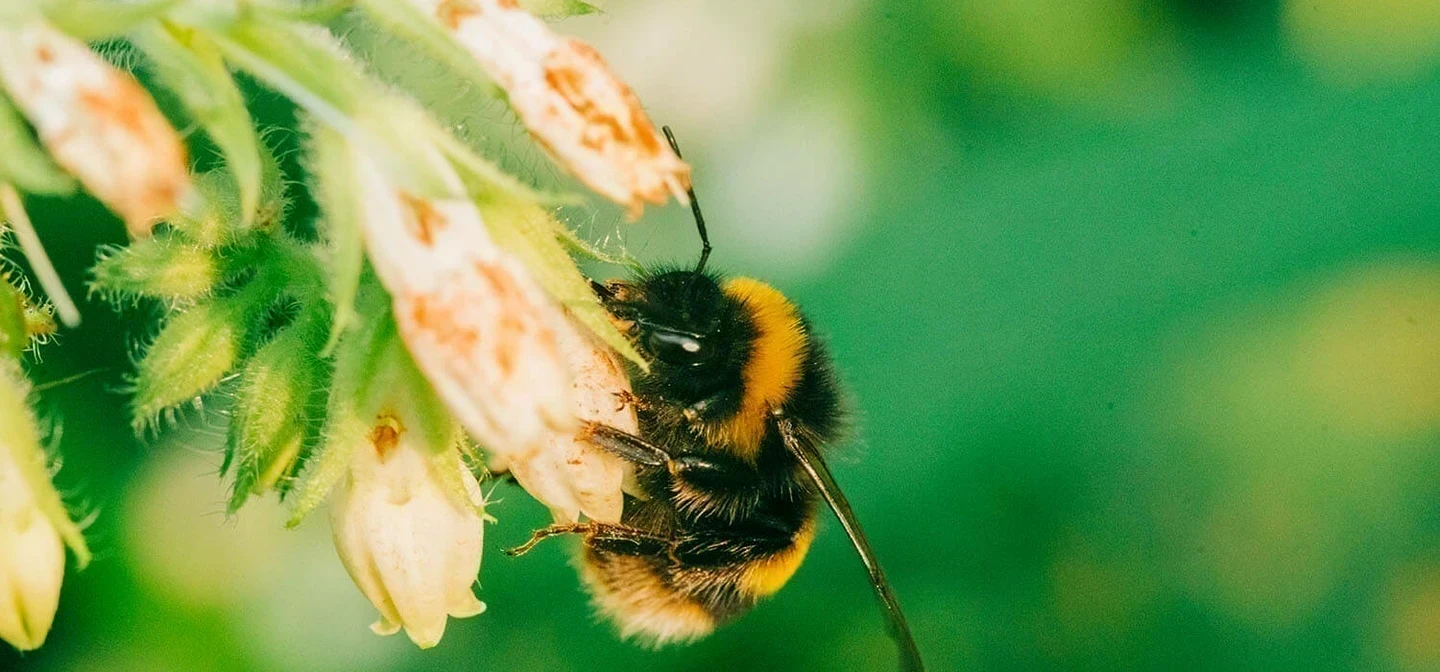
Have you ever wondered what it takes to create the perfect home for a bumblebee? If you want to help these busy pollinators thrive, understanding what a bumblebee shelter needs to survive is key.
Your shelter can make a real difference in their life, but only if you get the details right. Keep reading, and you’ll discover simple, effective ways to build a safe, cozy space that bumblebees will love—and why your effort matters more than you might think.
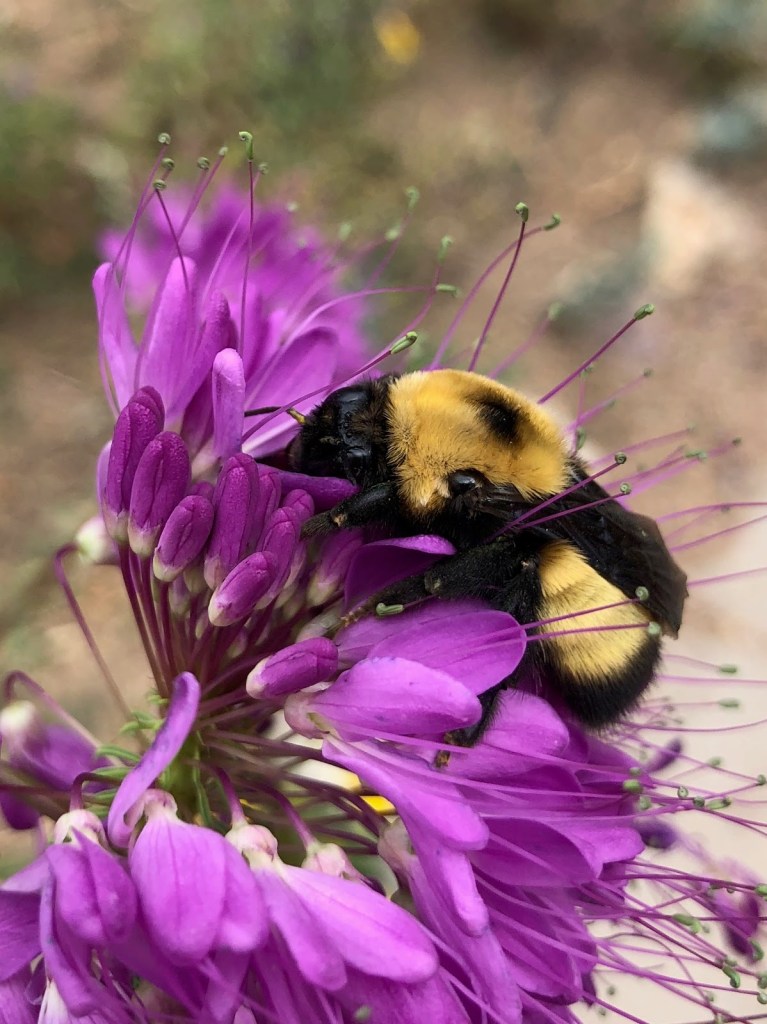
Credit: extension.colostate.edu
Bumblebee Habitat Basics
Creating a safe and thriving space for bumblebees starts with understanding their basic habitat needs. These gentle pollinators depend on more than just flowers; their shelter and environment play a crucial role in their survival. If you want to support bumblebees effectively, knowing what makes a good habitat is essential.
Natural Shelter Preferences
Bumblebees prefer shelters that offer protection and easy access to food sources. They often nest underground in abandoned rodent burrows or in thick grass tussocks. You might notice bumblebees avoiding open, exposed areas because they need cover from predators and harsh weather.
When you create a bumblebee shelter, think about replicating these natural spots. Adding dry leaves, straw, or small piles of wood can mimic the cozy nooks bumblebees seek. Have you ever seen a bumblebee settle in a quiet corner of your garden? That’s a clue about their shelter choices.
Climate And Environmental Needs
Temperature and humidity significantly affect bumblebee survival. These insects are more active in mild, sunny weather and need a habitat that stays dry but not overly hot. Placing a shelter where it gets morning sun but afternoon shade can help maintain the right climate.
Wind protection is another factor. Strong winds can disrupt bumblebee activity and damage nests. Consider natural windbreaks like shrubs or fences nearby to shield their home. You might be surprised how small adjustments in location can improve your shelter’s success.
Key Shelter Features
Creating the right shelter for bumblebees means focusing on features that ensure their safety, comfort, and ability to thrive. Each element of the shelter plays a vital role in protecting these important pollinators. Understanding what they truly need can help you provide a habitat that supports their survival and growth.
Protection From Weather
Bumblebees need shelter that shields them from rain, wind, and extreme temperatures. A sturdy roof or covering keeps the nest dry, which is crucial since moisture can harm the colony. Think about placing the shelter in a spot that naturally blocks harsh winds but still gets some sunlight during the day.
Have you noticed how bumblebees avoid wet or exposed areas? Mimicking their natural preferences can make your shelter much more inviting.
Safe Nesting Materials
The materials inside the shelter should be soft and non-toxic, offering a cozy environment for the queen and her workers. Dry moss, shredded leaves, or untreated straw work well and allow the bees to build their nest comfortably. Avoid synthetic or chemically treated materials, as these can be harmful.
When I added a layer of dry sphagnum moss to one of my bumblebee boxes, I saw the bees settle much faster. It made me realize how much they value natural, safe nesting spots.
Proper Ventilation
Good airflow is essential to prevent overheating and dampness inside the shelter. Small ventilation holes or gaps near the top allow fresh air to circulate without letting in cold drafts. You want to maintain a balance: enough ventilation to keep the air fresh but not so much that the shelter becomes chilly or exposed.
Think about how you would feel in a stuffy room versus a well-ventilated one—your shelter should offer that same comfort to bumblebees.
Location Considerations
Choosing the right location for a bumblebee shelter is essential for its survival. The site must provide safety, comfort, and easy access to food sources. A well-placed shelter increases the chances of bumblebees thriving and contributing to your garden’s health.
Ideal Shelter Placement
Pick a spot that gets morning sunlight but offers shade during the hottest part of the day. Bumblebees need warmth to stay active, but they can overheat easily. Placing the shelter near flowering plants gives them quick access to nectar and pollen.
Consider ground level or slightly elevated areas that are dry and well-drained. Avoid low spots where water might pool after rain. If your garden is windy, position the shelter where it’s shielded by shrubs or fences to reduce stress on the bees.
Avoiding Predators And Disturbances
Protect your bumblebee shelter from common predators like birds, mice, and ants. You can place a small barrier or mesh around the entrance to keep unwanted visitors out. Remember, too much human or pet traffic nearby can scare the bees away.
Think about quiet corners of your yard, away from busy paths or noisy machinery. Have you noticed how bumblebees avoid places with constant disruption? Minimizing disturbance helps them feel secure and focus on their vital work.
Food And Water Sources
Bumblebees rely heavily on food and water to stay healthy and active. A shelter must provide easy access to both resources. Without enough nectar and pollen, bumblebees cannot produce energy or feed their young. Water helps them regulate their body temperature and digest food properly.
Nearby Flowering Plants
Flowering plants near a shelter supply nectar and pollen. Different plants bloom at different times. This variety ensures a steady food supply all season. Native wildflowers are ideal because bumblebees have adapted to them. Plant groups with diverse colors and shapes attract more bees.
- Choose flowers that bloom early, mid, and late season.
- Include species like clover, lavender, and sunflowers.
- Avoid plants treated with pesticides or chemicals.
Access To Fresh Water
Fresh water is essential for bumblebee survival. Bees need water to cool their nests and dilute honey. A small, shallow water source near the shelter works best. Ponds, birdbaths, or water dishes with stones provide safe landing spots. Change the water regularly to keep it clean and fresh.
Maintaining The Shelter
Maintaining a bumblebee shelter is essential to ensure the safety and comfort of its tiny residents. A well-kept shelter encourages bumblebees to return year after year, supporting their vital role in pollination. You can make a big difference by keeping the environment clean and regularly checking on the bees’ activity.
Cleaning And Upkeep
Keeping the shelter clean prevents mold, parasites, and diseases that could harm bumblebees. Remove old nesting material after the season ends, and replace it with fresh, dry fibers like moss or straw. Avoid using harsh chemicals; instead, opt for natural cleaning methods such as wiping surfaces with a vinegar solution.
Ensure the shelter remains dry and well-ventilated to prevent dampness. Check the entrance regularly to clear any debris or spider webs blocking access. These small efforts help maintain a healthy living space that bumblebees will appreciate.
Monitoring Bumblebee Activity
Watching how bumblebees use your shelter provides valuable insights into their habits and needs. Note when bees first arrive, how many enter daily, and if they seem active or hesitant. This information can guide you in making adjustments, like changing the shelter’s location or improving its design.
Consider keeping a simple journal or calendar to track bee activity over weeks. Are the bees abandoning the shelter early? Are new queens emerging? Monitoring helps you respond quickly to problems and ensures your shelter remains a welcoming home.

Credit: merseyforest.org.uk
Common Mistakes To Avoid
Creating a safe and welcoming bumblebee shelter requires careful attention. Many shelters fail because of simple, avoidable mistakes. Understanding these common errors helps build a better home for bumblebees. This section highlights key mistakes to skip.
Using Harmful Materials
Some materials can harm bumblebees instead of protecting them. Avoid treated wood, paint, or chemicals in the shelter. These substances may release toxins that hurt bees or their young.
Plastic and synthetic fabrics are also bad choices. They trap moisture and cause mold growth. Mold can kill bumblebee larvae and make the shelter unusable.
Natural materials like untreated wood, straw, and dry leaves work best. They keep the environment safe and healthy for bumblebees.
Poor Shelter Design
A shelter with poor design cannot support bumblebee life. Avoid tight, sealed boxes that block airflow. Good ventilation prevents dampness and mold.
Make sure the entrance is the right size. Too big invites predators; too small stops bees from entering.
Position the shelter where it gets morning sun but stays cool in the afternoon. Extreme temperatures harm bumblebees and their brood.
Keep the shelter off the ground to avoid flooding and pests. Stability and protection from rain are crucial for survival.

Credit: growwild.kew.org
Frequently Asked Questions
What Materials Make A Good Bumblebee Shelter?
A good bumblebee shelter uses natural materials like wood, straw, and dry leaves. These provide insulation and mimic natural habitats. Avoid plastic or synthetic materials as they can trap moisture and harm the bees. Proper ventilation and dryness are essential for bee health.
Where Should I Place A Bumblebee Shelter?
Place the shelter in a quiet, sheltered spot with partial sunlight. Avoid windy or damp areas. Near flowering plants is ideal for easy access to food. The shelter should be off the ground to protect from predators and moisture.
How Big Should A Bumblebee Shelter Be?
A bumblebee shelter should be about 8 to 12 inches wide and deep. This size offers enough space for a small colony to nest and store honey. It mimics natural nesting cavities and helps maintain suitable temperature and humidity.
How Do I Maintain A Bumblebee Shelter?
Keep the shelter dry and clean by removing old nesting materials annually. Check for mold or pests regularly. Avoid using pesticides nearby. Proper maintenance ensures the shelter remains a safe, inviting home for bumblebees.
Conclusion
A bumblebee shelter needs safety, warmth, and food nearby. It should stay dry and shielded from wind. Nesting materials like moss or dry grass help bees feel at home. A good shelter supports their survival through seasons. Providing the right space helps bumblebees thrive and pollinate plants.
Small actions can protect these important insects. Every shelter counts in saving bumblebee populations. Simple care makes a big difference for nature.


