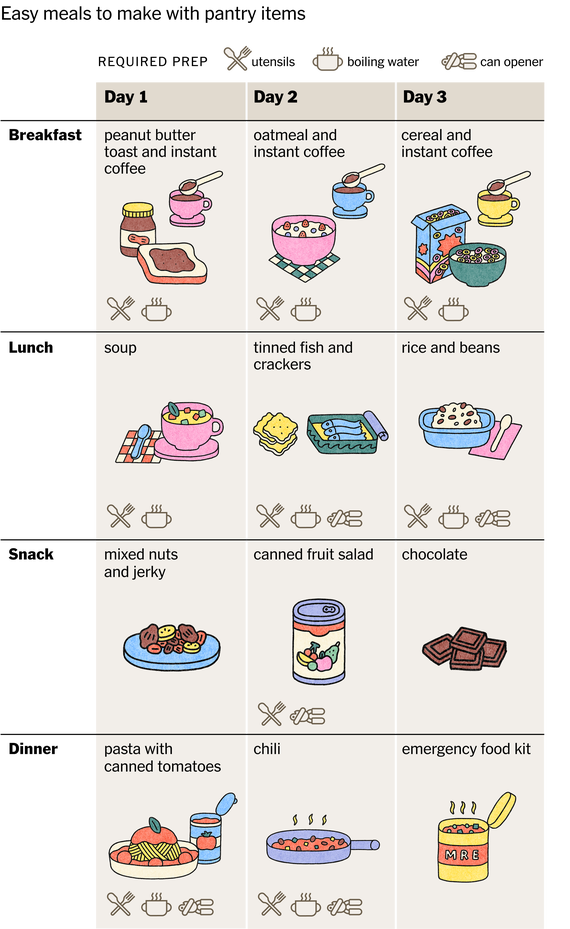
When an emergency strikes, having the right food on hand can make all the difference for you and your loved ones. Imagine facing a power outage, natural disaster, or unexpected crisis without enough to eat.
It’s not just about staying full—it’s about staying healthy, calm, and strong. You might be wondering, what food should you keep that lasts long, is easy to store, and provides the energy you need? You’ll discover simple, practical choices that can keep you prepared and worry-free when it matters most.
Keep reading to learn exactly what to stock up on and why these foods are essential for your emergency kit.
Key Criteria For Emergency Foods
Choosing the right food for emergencies means focusing on specific qualities that keep you nourished and safe when access to fresh supplies is limited. You want foods that last, provide energy, and are simple to prepare. Understanding these key criteria helps you build a reliable emergency food stash without wasting money or space.
Long Shelf Life
Foods with a long shelf life reduce the stress of frequent replacements. Items like canned beans, dried pasta, and rice can last years without spoiling. Think about how often you can realistically check and rotate your stock—choosing foods that stay good for months or years saves you time and effort.
Have you ever opened a forgotten can only to find it spoiled? That’s why expiration dates matter. Freeze-dried meals and dehydrated fruits also offer longevity while keeping nutrients intact.
Nutritional Value
Survival isn’t just about filling your stomach; it’s about fueling your body. Foods rich in protein, fiber, and essential vitamins keep you strong and alert. Think canned tuna, nuts, powdered milk, or fortified cereals.
Pay attention to calories too. You’ll need more energy during stressful situations. Balance carbs, fats, and proteins to maintain stamina. Don’t overlook the importance of hydration—include foods with some water content or plan to store water alongside your food.
Ease Of Preparation
In emergencies, simplicity wins. You might not have electricity, running water, or fancy kitchen tools. Foods that need little or no cooking, like ready-to-eat canned meals or energy bars, are lifesavers.
Imagine trying to boil pasta during a blackout—frustrating and time-consuming. Freeze-dried soups that only require hot water or peanut butter that can be eaten straight from the jar offer convenience when you need it most.
Storage Considerations
Your storage space limits your choices. Foods that are compact and lightweight help maximize your stash. Vacuum-sealed packages reduce bulk and protect against moisture and pests.
Think about temperature and humidity where you store your food. A basement might be cool but damp, which can spoil some items. Airtight containers and shelving off the floor add extra protection.
Have you assessed your storage area recently? Organizing your supplies so you can easily access older items first prevents waste and keeps your emergency pantry ready at all times.

Credit: www.goodhousekeeping.com
Top Grains And Cereals
Grains and cereals form the backbone of any emergency food supply. They store well for long periods and provide essential energy. These foods are easy to cook and can be combined with many other ingredients.
Choosing the right grains ensures variety and nutrition during tough times. They offer carbohydrates, fiber, and some protein. Keeping a mix of grains helps maintain a balanced diet.
Rice Varieties
Rice is a staple grain with many types to choose from. White rice lasts longer but brown rice has more nutrients. Jasmine and basmati rice offer unique flavors and aromas.
- White rice: long shelf life, easy to cook
- Brown rice: higher fiber, shorter shelf life
- Wild rice: rich in nutrients, adds texture
Oats And Other Whole Grains
Oats are versatile and nutritious. They provide fiber and keep you full longer. Other whole grains like quinoa, barley, and millet add variety.
- Rolled oats: quick to prepare, good for breakfast
- Quinoa: complete protein, cooks fast
- Barley: hearty texture, great for soups
- Millet: gluten-free, mild flavor
Pasta And Noodles
Pasta and noodles are easy to store and cook. They come in many shapes and sizes. Whole wheat pasta is a healthier choice with extra fiber.
- Regular pasta: long shelf life, simple to prepare
- Whole wheat pasta: more fiber and nutrients
- Instant noodles: quick meals, but watch salt content
Protein-rich Staples
Keep protein-rich staples like canned beans, peanut butter, and dried lentils for emergencies. These foods store well and provide lasting energy. They help maintain strength when fresh food is unavailable.
Protein is an essential part of your diet, especially during emergencies when you need energy and strength. Stocking up on protein-rich staples can help you feel full and maintain your health when fresh food might not be available. These staples are not only nutritious but also have a long shelf life, making them ideal for emergency preparedness. Let’s explore some protein-rich options that you should consider keeping in your pantry.Canned Beans And Legumes
Canned beans and legumes are a powerhouse of protein and fiber. They are versatile and can be used in a variety of dishes, from soups to salads. The convenience of having them pre-cooked means you can enjoy a quick meal with minimal effort. Varieties like black beans, chickpeas, and lentils come packed with nutrients, and their long shelf life makes them perfect for emergencies. Simply open a can, rinse the beans, and you have a nutritious base for your meal. Keeping a variety of canned beans ensures you never get bored of your emergency meals.Dried Lentils And Peas
Dried lentils and peas are another excellent source of protein. Unlike canned beans, they require cooking, but they are still simple to prepare. Just a few minutes of boiling can transform them into a hearty dish. They don’t take up much space and can be stored for years without losing their nutritional value. Dried lentils cook quickly compared to other legumes, making them a go-to option when you need a fast protein boost. Plus, they are incredibly affordable, allowing you to stock up without breaking the bank.Canned Fish And Meat
Canned fish and meat offer a rich source of protein and essential fats. Options like tuna, salmon, and chicken are readily available and can be eaten straight from the can. This makes them incredibly convenient during power outages or when cooking isn’t possible. Canned fish, such as sardines or mackerel, also provide important omega-3 fatty acids, contributing to heart health. Including a variety of canned meats ensures you have a balanced protein intake. Think about mixing these with beans or lentils for a complete meal that covers all your nutritional bases. When preparing for emergencies, what protein-rich staples do you consider essential in your pantry?Fruits And Vegetables For Emergencies
Fruits and vegetables are vital in any emergency food supply. They provide essential vitamins, minerals, and fiber needed to stay healthy. Storing them properly helps maintain nutrition and flavor for long periods. Different storage types offer various benefits in emergencies.
Canned And Jarred Options
Canned fruits and vegetables last for years without spoiling. They keep nutrients locked in and stay safe without refrigeration. Choose low-sodium or no-sugar-added varieties for better health. Common options include:
- Peaches, pears, and pineapple
- Green beans, corn, and peas
- Tomatoes and tomato sauce
Check cans for dents or leaks before buying. Store them in a cool, dry place away from sunlight.
Freeze-dried And Dehydrated Choices
Freeze-dried and dehydrated fruits and vegetables weigh less and last longer. They need little space and rehydrate quickly with water. These are perfect for emergency kits and backpacking. Common freeze-dried options include:
- Strawberries, blueberries, and apples
- Carrots, bell peppers, and spinach
- Mixed vegetable blends
Keep these sealed tightly to avoid moisture. Use oxygen absorbers for longer shelf life.
Fresh Produce Considerations
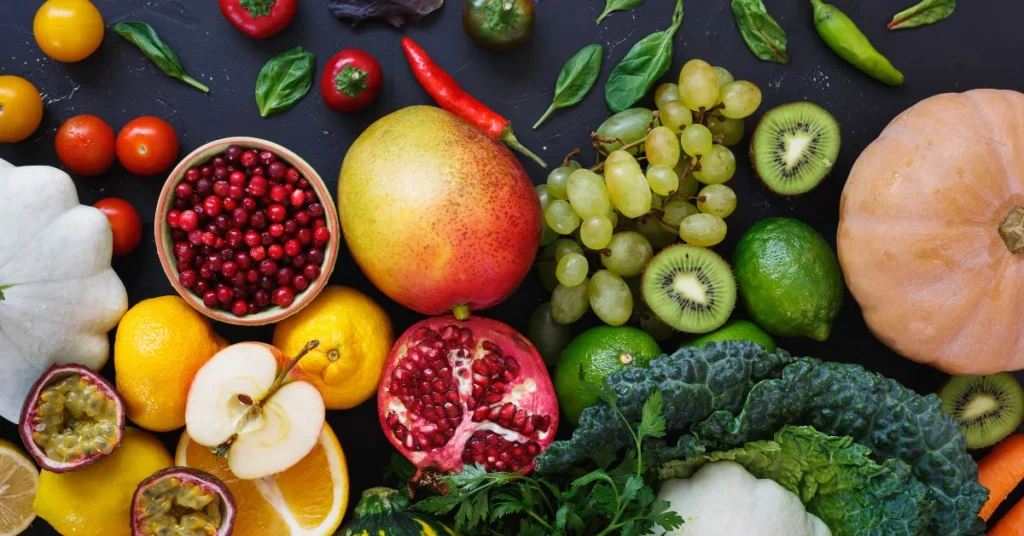
Fresh fruits and vegetables have limited shelf life. Rotate them frequently to avoid waste. Choose hardy produce that lasts longer without refrigeration, such as:
- Apples, oranges, and lemons
- Carrots, potatoes, and onions
- Winter squash and cabbage
Store in cool, dark places with good air circulation. Use within a few weeks to ensure freshness.
Essential Fats And Oils
Essential fats and oils are vital for energy and overall health during emergencies. They support brain function, hormone production, and help your body absorb vitamins. Including good fats in your emergency food supply ensures balanced nutrition and lasting energy.
Cooking Oils With Long Shelf Life
Choose oils that last long without spoiling. These oils stay fresh for months or years if stored properly. Examples include:
- Olive oil (extra virgin and refined)
- Coconut oil
- Avocado oil
- Ghee (clarified butter)
- Vegetable oil blends with antioxidants
Store oils in cool, dark places to extend shelf life. Avoid light and heat to prevent rancidity. Properly sealed containers keep oils safe for emergencies.
Nuts And Seeds
Nuts and seeds offer healthy fats, protein, and fiber. They are easy to store and carry. Good options include:
- Almonds
- Walnuts
- Chia seeds
- Flaxseeds
- Pumpkin seeds
Keep them in airtight containers or vacuum-sealed bags. Refrigerate or freeze nuts to keep oils fresh longer. Nuts and seeds provide quick energy and essential nutrients.
Nut Butters
Nut butters are convenient and rich in healthy fats. They last long and need no refrigeration before opening. Popular types include:
- Peanut butter
- Almond butter
- Cashew butter
Choose natural or unsweetened varieties to avoid added sugars. Nut butters supply energy and keep hunger at bay. Pack them in small jars or single-serving packets for easy use.
Hydration And Beverages
Staying hydrated during an emergency is crucial for health and survival. Water is the best choice for hydration. It supports body functions and helps keep energy levels stable. Having a variety of beverages can also help maintain fluid balance and comfort.
Water Storage Tips
- Store at least one gallon of water per person per day.
- Use food-grade water containers for safe storage.
- Keep water in a cool, dark place to prevent contamination.
- Replace stored water every six months to ensure freshness.
- Label containers with the date of storage.
Powdered Drink Mixes
- Choose mixes that add flavor without extra sugar.
- Look for options with vitamins to boost nutrition.
- Keep individual packets for easy portion control.
- Store in airtight containers to keep dry.
- Use these mixes to encourage drinking more fluids.
Electrolyte Solutions
- Electrolytes help replace lost minerals and salts.
- Sports drinks and electrolyte powders are good choices.
- Choose low-sugar options to avoid dehydration.
- Store sealed packets for long shelf life.
- Mix with water as directed to keep balance.
Flavor And Comfort Foods
Emergency food supplies do not have to be bland or boring. Including flavor and comfort foods can make tough times easier. Tasty meals lift spirits and bring a sense of normalcy. Simple additions can transform basic ingredients into satisfying dishes. Keep a variety of flavor enhancers and familiar treats on hand. These items help maintain morale and provide a sense of comfort during emergencies.
Spices And Seasonings
Spices and seasonings add zest to emergency meals. They require little space and last a long time. A small collection can make a big difference. Consider these essentials:
- Salt and pepper for basic flavor
- Garlic powder and onion powder for depth
- Dried herbs like oregano, basil, and thyme
- Chili flakes or paprika for a spicy kick
- Cinnamon or nutmeg for sweet dishes
These simple additions bring variety to your cooking. They help turn canned or preserved foods into enjoyable meals.
Coffee And Tea
Coffee and tea are more than drinks. They provide comfort and a daily ritual. Both are easy to store and prepare. Coffee offers a caffeine boost and warmth. Tea comes in many flavors, including herbal options. Stock up on:
- Ground coffee or instant coffee packets
- Black, green, or herbal tea bags
- Powdered creamer or shelf-stable milk alternatives
Having these beverages available can improve mood and help maintain routines.
Sweeteners And Condiments
Sweeteners and condiments add flavor and sweetness to meals. They make simple foods more enjoyable. Consider keeping these staples:
- Sugar, honey, or artificial sweeteners
- Mustard, ketchup, and mayonnaise packets
- Shelf-stable soy sauce or hot sauce
- Jam or jelly for bread and crackers
These items enhance taste and provide familiar flavors. They make emergency meals feel less plain and more satisfying.

Credit: www.nytimes.com
Packaging And Storage Tips
Proper packaging and storage help keep emergency food fresh and safe. Good storage prevents spoilage and saves space. Organize your food to find it quickly during emergencies.
Proper Containers
Use airtight containers to keep food dry and fresh. Glass jars, plastic bins, and metal cans work well. Avoid containers that let air or moisture in. Label each container with the food name and date.
Rotation And Expiration Management
Place new food behind older items to use older food first. Check expiration dates regularly and remove expired items. Keep a list of stored food and update it after use. This helps avoid waste and keeps your stock fresh.
Space Optimization
Stack containers to save space in your storage area. Use shelves or racks to keep food organized. Store heavy items on lower shelves to prevent accidents. Group similar foods together for easy access.
Credit: www.forbes.com
Frequently Asked Questions
What Are The Best Non-perishable Emergency Foods?
Best non-perishable foods include canned beans, rice, pasta, dried fruits, nuts, and powdered milk. These last long and provide essential nutrients during emergencies.
How Long Can Emergency Food Supplies Last?
Properly stored emergency foods can last from six months to several years. Shelf life depends on packaging, storage conditions, and food type.
Should I Store Fresh Or Canned Foods For Emergencies?
Canned foods are more durable and last longer than fresh foods. Fresh foods spoil quickly and are not ideal for long-term emergency storage.
How Much Emergency Food Should I Store Per Person?
Store at least a three-day supply of food and water per person. Ideally, keep a two-week supply for better preparedness.
Conclusion
Storing the right food helps you stay prepared and safe. Choose items that last long and need little water. Think about your family’s tastes and health needs. Keep a mix of proteins, grains, and fruits. Rotate your supplies to avoid spoilage.
Emergency food storage is simple with a little planning. You feel more secure knowing you have enough food. Start your emergency food kit today for peace of mind.