Imagine a time when you can’t just pop out to the store for groceries. What if an emergency strikes and you need to rely on the food you’ve already stored?
Knowing how to prep food for emergencies can give you peace of mind and keep you and your loved ones safe. This guide will show you simple, practical steps to prepare your food supply, so you’re ready for anything. Keep reading, because being prepared starts with the right plan—and you’re about to get it.

Credit: www.jackery.com
Choosing The Right Ingredients
Choosing the right ingredients is key for effective emergency food prep. Ingredients must last long and provide good nutrition. They should also match any special diet needs.
Think about foods that store well and stay safe without refrigeration. Pick items that offer energy and essential nutrients. Consider allergies or diet restrictions in your household.
Non-perishable Food Options
Non-perishable foods last for months or years without spoiling. These include canned goods, dried beans, and rice. Freeze-dried fruits and vegetables also work well. Choose items sealed in airtight containers for longer shelf life.
- Canned meats and fish
- Dry pasta and grains
- Powdered milk and eggs
- Nut butters
- Dehydrated soups and stews
Nutrient-dense Choices
Emergency food should fuel your body fully. Pick ingredients high in protein, fiber, and healthy fats. Include vitamins and minerals to stay healthy. Nuts, seeds, and legumes provide good energy. Whole grains help maintain stamina and focus.
- Almonds, walnuts, and sunflower seeds
- Chickpeas, lentils, and black beans
- Quinoa and brown rice
- Oats and whole wheat products
- Powdered greens or vitamin supplements
Allergy And Dietary Considerations
Food allergies can be dangerous in emergencies. Avoid any known allergens completely. Label all stored food clearly. For special diets, choose suitable alternatives. Gluten-free grains or dairy-free products may be needed. Keep extra options for family members with restrictions.
- Use nut-free snacks if allergies exist
- Select gluten-free grains like rice or quinoa
- Choose soy or almond milk if lactose intolerant
- Prepare low-sodium canned goods for heart conditions
Safe Food Storage Techniques
Safe food storage is a key part of prepping for emergencies. It helps keep your food fresh, prevents spoilage, and reduces waste. Knowing how to store food properly can save you money and ensure you have reliable meals when you need them most.
Proper Packaging Methods
Choosing the right packaging is crucial for long-term food safety. Use airtight containers to keep moisture and air out. Glass jars, heavy-duty plastic bins, and mylar bags with oxygen absorbers work well for dry goods.
Label your packages with the date and contents. This helps you track freshness and rotate your stock. Avoid using thin plastic bags alone, as they tear easily and don’t protect food from pests or humidity.
Temperature Control Tips
Temperature plays a huge role in how long your food lasts. Store dry foods in a cool, dark place away from direct sunlight. Aim for temperatures below 70°F (21°C) whenever possible.
For perishable items, keep your refrigerator at or below 40°F (4°C) and your freezer at 0°F (-18°C). If power outages are a concern, consider using coolers with ice packs or investing in a generator to maintain these temperatures.
Using Vacuum Sealing
Vacuum sealing removes air from packaging, which slows down spoilage and prevents freezer burn. It’s especially useful for meats, grains, and dehydrated foods. You can extend shelf life by months or even years.
If you don’t have a vacuum sealer, try using a straw to suck out air from a zip-top bag. It’s a quick hack that improves storage life. Have you ever noticed how vacuum-sealed coffee stays fresh longer? That’s the same principle working for your emergency food.
Meal Planning For Emergencies
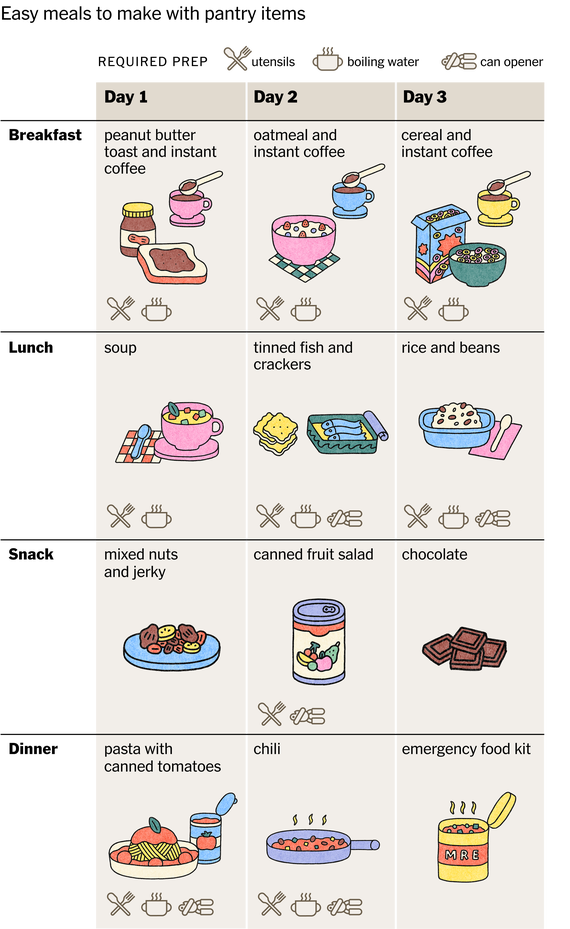
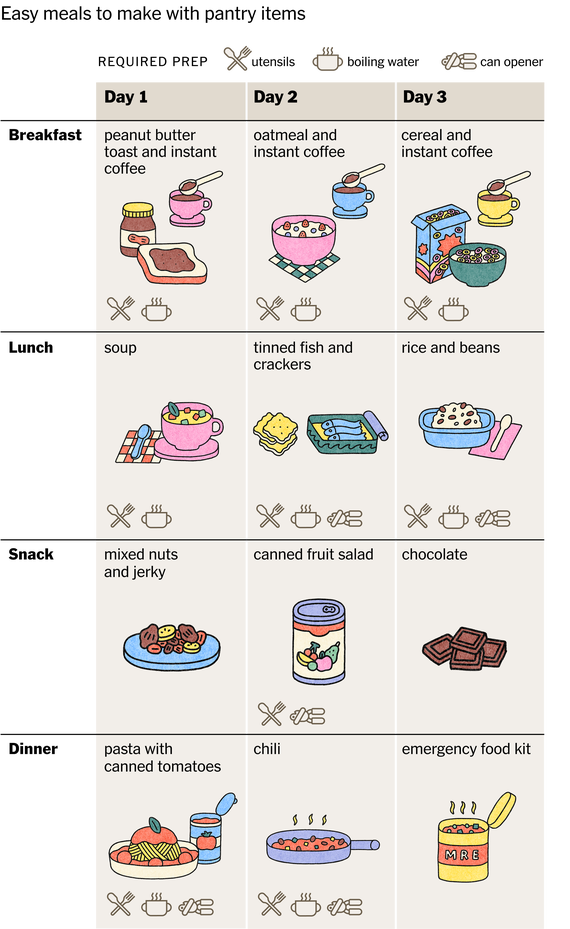
Prepare non-perishable foods like canned goods, dry grains, and nuts to ensure long shelf life. Store meals in airtight containers and keep enough water for cooking and drinking. Rotate supplies regularly to maintain freshness and readiness.
Meal planning for emergencies ensures you stay nourished during unexpected situations. Efficient planning helps manage resources effectively while maintaining health. Focus on balanced meals, appropriate portions, and varied options.Balancing Macronutrients
A balanced meal includes carbohydrates, proteins, and fats. Carbohydrates provide quick energy. Include rice, pasta, or oats in your stock. Proteins help maintain muscle and repair tissues. Choose canned beans, tuna, or peanut butter. Fats are essential for long-term energy. Store nuts, seeds, and cooking oils. Balance ensures your body functions properly.Portion Sizes And Calorie Needs
Consider daily calorie needs when planning meals. Adults typically need 2,000 calories per day. Choose portions that meet these needs without overeating. Use measuring cups or scales for accuracy. Smaller portions help conserve food. Adjust portions based on activity level and age. This ensures everyone stays healthy and energized.Variety To Prevent Food Fatigue
Eating the same food daily causes food fatigue. It can reduce appetite and nutrition intake. Include a variety of flavors and textures in your meals. Stock different types of grains, proteins, and vegetables. Rotate meal options each day. Keep spices and sauces for added flavor. This keeps meals interesting and more enjoyable.Preparing Meals In Advance
Preparing meals in advance can be a game-changer during emergencies. It saves time, reduces stress, and ensures you have nourishing food ready when access to fresh ingredients or cooking facilities is limited. Planning ahead lets you control ingredients and portion sizes, making your emergency food supply both practical and enjoyable.
Batch Cooking Strategies
Batch cooking means preparing large quantities of meals at once and storing them for later use. Choose recipes that reheat well, like stews, casseroles, and pasta dishes. Cooking in bulk lets you use your time and energy efficiently, reducing daily meal prep during stressful times.
Consider dividing meals into single-serve containers to grab and go quickly. Label each container with the date and contents to keep your food organized. Have you tried freezing individual portions of chili or soup? They thaw quickly and taste just as good as fresh.
Dehydrating And Freeze-drying
Dehydrating removes moisture from food, extending its shelf life without refrigeration. You can dry fruits, vegetables, and even cooked meals using a home dehydrator or an oven on low heat. This method reduces weight and space, perfect for emergency kits.
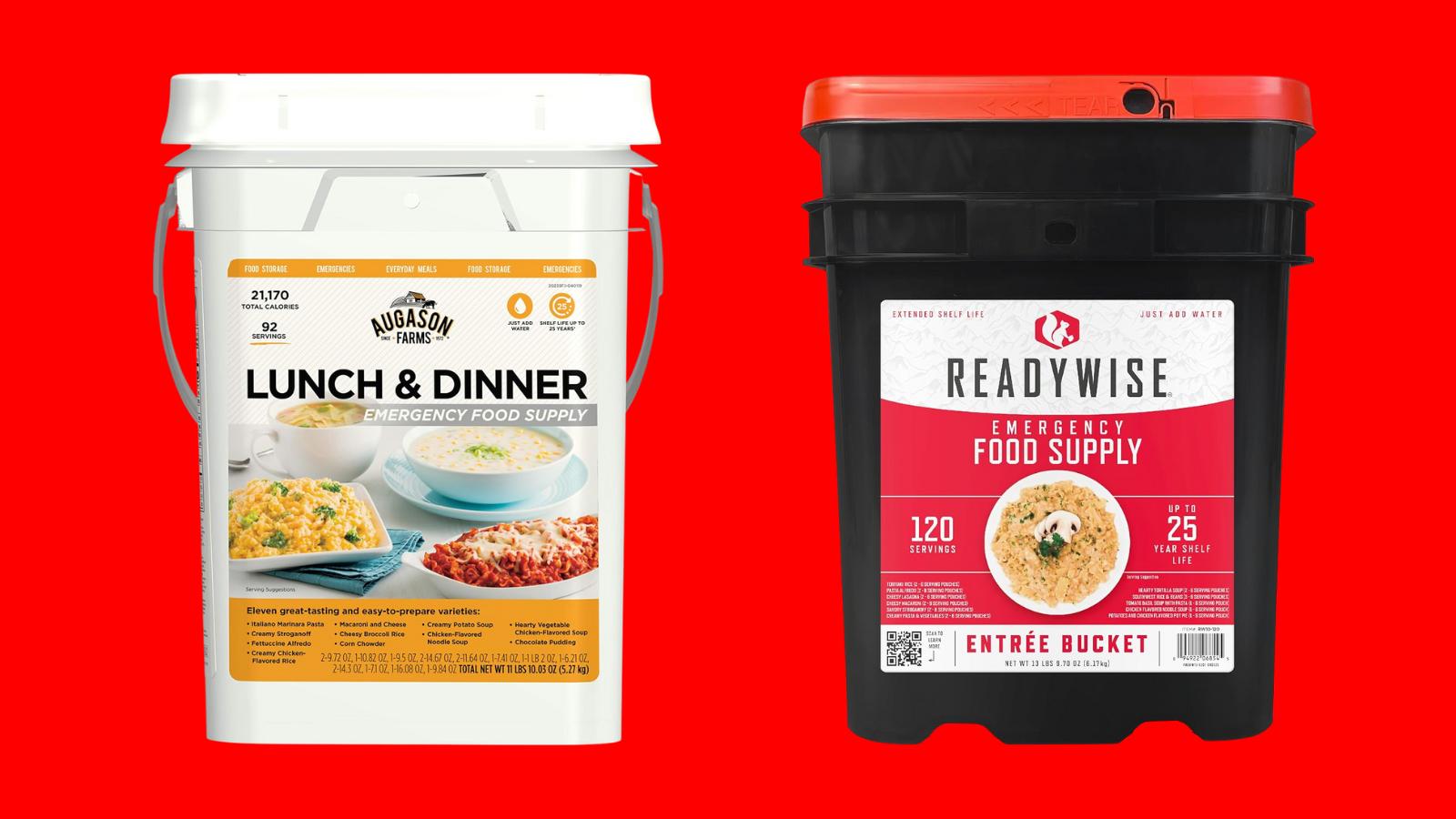
Freeze-drying takes preservation a step further by freezing food and then removing moisture in a vacuum. Though equipment is more expensive, freeze-dried foods last longer and keep more nutrients and flavor. Imagine carrying lightweight, ready-to-eat meals that only need water to rehydrate.
Canning And Preserving
Canning involves sealing food in jars and heating them to kill bacteria and enzymes. This method works well for fruits, vegetables, and soups, locking in freshness for months or even years. It’s a reliable way to store homemade meals without freezer space.
Preserving also includes pickling and fermenting, which add flavor while extending shelf life. Have you experimented with homemade pickles or sauerkraut? These can add variety to your emergency meals and provide beneficial probiotics.
Essential Tools And Equipment
Preparing food for emergencies needs careful planning and the right tools. Essential tools and equipment help keep food safe and meals easy to make. They also save time and reduce stress during unexpected situations. Choosing the right supplies ensures food lasts longer and stays fresh. It also supports cooking even without power or modern appliances.
Containers And Storage Supplies
Good containers protect food from air, moisture, and pests. Airtight jars, vacuum seal bags, and plastic bins work well. Label containers with dates and contents for easy tracking. Use stackable containers to save space. Choose durable materials that last in tough conditions. Clear containers help find items quickly without opening them.
Cooking Gear For Emergencies
Simple, portable cooking gear works best during emergencies. A camping stove or portable gas burner is ideal. Lightweight pots and pans heat food efficiently. Carry a manual can opener for canned goods. Have fire starters like matches or lighters in waterproof cases. Keep utensils minimal but functional, including a sturdy knife and heatproof gloves.
Water Purification Methods
Clean water is vital for cooking and drinking. Water purification tablets kill harmful germs quickly. Portable water filters remove dirt and bacteria. Boiling water for several minutes also ensures safety. Store extra water containers for backup. Knowing different purification methods helps adapt to any water source.

Credit: mountainhouse.com
Maintaining Food Safety
Maintaining food safety during emergency food prep is crucial to avoid illness. Proper handling and storage keep food fresh and safe. Careful attention to hygiene prevents bacteria spread and spoilage. Follow simple steps to keep emergency food supplies safe and healthy.
Avoiding Cross-contamination
Cross-contamination happens when harmful germs move from one food to another. Use separate cutting boards for raw meat and vegetables. Wash hands and utensils thoroughly between tasks. Store raw foods below cooked foods in the refrigerator. Clean surfaces often to stop bacteria transfer.
Checking For Spoilage
Always inspect food for signs of spoilage before use. Look for changes in color, texture, or smell. Avoid food with mold or strange odors. Check cans for dents, rust, or leaks. Dispose of any food that looks or smells off to stay safe.
Rotation And Expiry Management
Use a first-in, first-out system to manage food supplies. Place new items behind older ones on shelves. Label food with purchase or storage dates. Regularly check expiration dates and remove expired products. This practice helps keep food fresh and reduces waste.
Adapting Meals For Special Situations
Adapting meals for special situations is essential when prepping food for emergencies. Different family members have unique dietary needs that must be met even during difficult times. Tailoring your emergency food supply ensures everyone stays healthy and comfortable, no matter the circumstances.
Meals For Children And Elderly
Children and elderly people often require softer, easier-to-digest foods. Think about including mashed potatoes, oatmeal, and canned fruits that don’t need much chewing. Nutrient-rich options like fortified cereals or baby food jars can be lifesavers for kids.
For seniors, consider meals low in sodium and sugar but high in protein and fiber. Foods like canned beans, soups with soft vegetables, and whole grain crackers offer good nutrition without being hard on the stomach. Have you checked if your food supplies match the chewing and swallowing abilities of your loved ones?
Considerations For Medical Conditions
If someone in your household has medical conditions such as diabetes, hypertension, or allergies, your emergency food stash needs special attention. Stock low-sugar snacks for diabetics and low-salt options for those with blood pressure issues. Always read labels to avoid hidden allergens and keep medications and dietary supplements handy.
It’s easy to overlook these details until you’re in an emergency situation. Are you prepared with foods that won’t worsen chronic conditions? Planning ahead means fewer complications during stressful times.
Vegetarian And Vegan Options
Vegetarian and vegan diets require plant-based proteins and nutrient-dense foods to stay balanced during emergencies. Keep canned beans, lentils, quinoa, nuts, and dried fruits within reach. Shelf-stable plant milks like almond or soy milk can add variety and calcium.
Don’t forget to include vitamin B12 supplements or fortified foods if you follow a strict vegan diet. Have you thought about how to maintain energy and nutrition without meat or dairy? Preparing now saves you from scrambling later.

Credit: www.hawaiianelectric.com
Frequently Asked Questions
What Are The Best Foods To Prep For Emergencies?
Choose non-perishable, nutrient-dense foods like canned beans, rice, dried fruits, and nuts. These items last long and provide essential energy. Avoid perishable foods that spoil quickly during power outages or disasters.
How Long Can Prepped Emergency Food Last?
Most emergency food supplies last between 6 months to 5 years. Proper storage in cool, dry places extends shelf life. Always check expiration dates regularly and rotate your stock to ensure freshness.
How Much Food Should I Prep Per Person?
Plan for at least a 3-day supply of food per person. Each person needs about 2000 calories daily in emergencies. Adjust quantities based on age, health, and activity level.
Can I Use Fresh Food In Emergency Prep?
Fresh food is ideal but has a short shelf life. Use it quickly or preserve by freezing, drying, or canning. Focus on non-perishables for long-term emergency storage.
Conclusion
Preparing food for emergencies keeps you safe and ready. Store non-perishable items in cool, dry places. Rotate your supplies regularly to avoid spoilage. Use simple recipes that need little water or heat. Keep a list of your food and check it often.
Planning ahead reduces stress during tough times. Small steps today bring peace tomorrow. Stay calm and stay prepared.