Are you facing a tough time and need food assistance right away? Knowing where to go for emergency food stamps can make a big difference when hunger hits unexpectedly.
You don’t have to wait or feel lost—there are clear, quick ways to get the help you need. You’ll discover exactly where to turn and how to apply so you can focus on what matters most: taking care of yourself and your family.
Keep reading to find the fastest path to emergency food support.
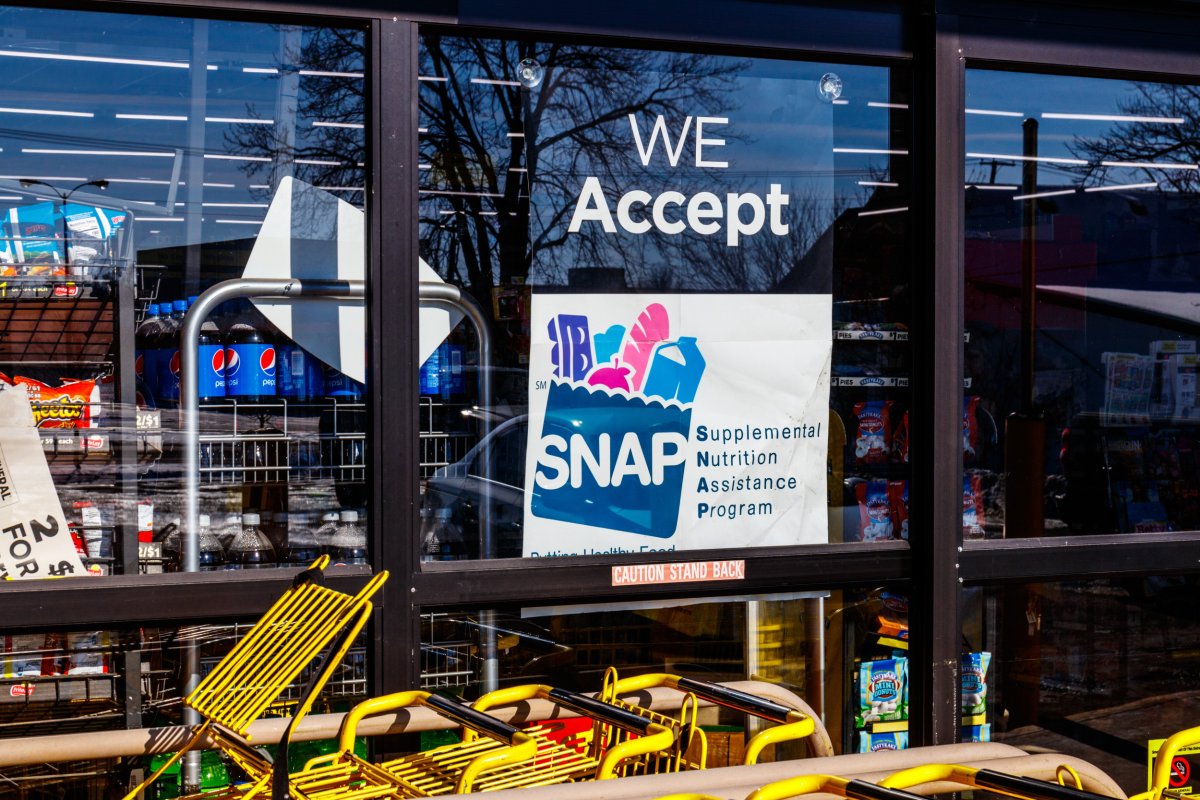
Credit: www.newsweek.com
Emergency Food Stamps Basics
Understanding the basics of emergency food stamps can make a crucial difference when you find yourself in urgent need of food assistance. Knowing what they are and who qualifies can help you act quickly and secure the support you need without unnecessary delays. Let’s break down the essentials so you feel confident navigating the system.
What Are Emergency Food Stamps
Emergency food stamps are a form of temporary aid designed to provide quick access to food benefits during a financial crisis. Unlike regular food assistance programs, these benefits are issued faster to help you get through unexpected hardships.
They work similarly to standard food stamps but are meant for short-term use. You use them to buy groceries at authorized stores, easing the stress of not having enough food immediately.
Who Qualifies For Emergency Benefits
Not everyone is eligible for emergency food stamps, but many people facing sudden financial trouble might qualify. Generally, you must:
- Have very low or no income due to an emergency
- Be at risk of running out of food before the next regular benefits cycle
- Live in a household that meets specific income guidelines set by your state
Think about your current situation—do you have enough food to last until your next paycheck? If not, emergency food stamps could be your lifeline. It’s worth checking your state’s specific rules because eligibility can vary widely.

Credit: www.hpfb.org
Where To Apply For Emergency Food Stamps
Applying for emergency food stamps is possible through several convenient options. Knowing where to apply can save time and reduce stress during difficult moments. Several official places help you start the process quickly and securely.
Each option offers different ways to get help, depending on your situation and location. Choose what fits your needs best to access support fast.
Local Social Services Offices
Local social services offices provide direct help for emergency food stamp applications. Staff members guide you through the process in person. They can answer questions and help with paperwork. Visiting these offices ensures you get immediate, personalized support.
Find your nearest office by searching online or calling local government numbers. Offices often have flexible hours to accommodate urgent needs.
Online Application Portals
Applying online offers fast and easy access to emergency food stamps. Most states have official websites for submitting applications. These portals allow you to fill out forms at your own pace. You can upload required documents securely.
Online applications save travel time and reduce waiting periods. Check your state’s official website for links and instructions.
Community Food Banks And Pantries
Community food banks and pantries assist with emergency food needs and sometimes with food stamp applications. Staff at these locations often provide resources and referrals. They connect you with local social services and online application help.
Visiting a food bank can provide immediate food relief while you complete your application. These centers are a valuable resource in tough times.
Documents Needed For Application
Proof of identity, income, and address are essential for emergency food stamps. Bring documents like ID cards, pay stubs, and utility bills. These help verify your need quickly and accurately.
To successfully apply for emergency food stamps, having the right documents is crucial. These documents ensure that the application process is smooth and efficient, preventing any unnecessary delays. Whether it’s proving who you are or where you live, each piece of information plays a vital role in determining your eligibility.Proof Of Identity
Your identity is the cornerstone of your application. Without it, the process can’t move forward. A government-issued ID like a driver’s license or passport is typically required. If you don’t have these, don’t worry; other forms like a birth certificate or a school ID might be accepted. Imagine the relief of knowing you have everything in place when you submit your application.Income Verification
Income verification is essential to determine the level of assistance you qualify for. You might need to provide recent pay stubs or a letter from your employer. If you’re self-employed, tax returns or bank statements can serve as proof. Think about how these documents tell your financial story, painting a picture of your current circumstances.Residency And Household Information
Proving residency is more than just an address; it’s about confirming where you belong. Utility bills, lease agreements, or a letter from a shelter can serve this purpose. Additionally, you’ll need to list everyone in your household, which helps in assessing your needs. How many people count on you, and how does this affect your food security? These details can significantly impact the assistance you’ll receive. Ensuring you have all these documents ready can make the difference between a quick approval and a prolonged wait. Are you prepared to provide a complete picture of your situation? Each document is a step closer to receiving the help you need.Expedited Food Stamp Programs
Expedited Food Stamp Programs provide quick access to food assistance for those facing urgent needs. These programs are designed to help individuals and families who have little or no food and cannot wait for the regular application process. The goal is to offer fast support to reduce hunger and hardship.
Understanding the rules and how to apply can speed up the process and get help sooner. Below is important information about who qualifies and how to request fast processing.
Criteria For Expedited Services
- Household income is very low or below 130% of the poverty line.
- Resources such as cash or bank accounts are limited, usually under $100.
- Household faces an emergency like eviction or utility shut-off.
- No food or money to buy food for the next few days.
Meeting these criteria helps qualify for faster food stamp approval. Each state may have slight differences in rules and limits.
How To Request Fast Processing
- Apply online, by phone, or in person at your local SNAP office.
- Clearly state your emergency and urgent need for food assistance.
- Provide all required documents quickly, such as ID and income proof.
- Ask if expedited processing is available and how long it takes.
- Follow up regularly to check the status of your application.
Being clear and prompt can help speed up your approval for emergency food stamps. Always keep copies of your application and documents for reference.
Additional Emergency Food Resources
Finding emergency food assistance can feel overwhelming, but there are several resources beyond food stamps that can provide immediate help. These additional options often operate quietly within communities, ready to support you when you need it most. Knowing where to look can make a real difference in how quickly you get the aid you need.
Nonprofit Organizations
Nonprofit organizations are a vital lifeline for emergency food support. Groups like Feeding America and local food banks distribute free groceries and meals to those facing urgent hunger. Many nonprofits also offer delivery services, which can be a huge help if you can’t leave your home.
Consider reaching out to organizations that focus on specific needs, such as families with children or seniors. They often have tailored programs that go beyond basic food assistance. Have you checked if there’s a community pantry near you?
Faith-based Support Groups
Faith-based groups often run food pantries and soup kitchens open to everyone, regardless of religious affiliation. Churches, mosques, synagogues, and temples frequently organize food drives and emergency meal programs. These groups usually have strong local connections, making them quick to respond to urgent needs.
Many people overlook these resources because they assume they require religious participation. In reality, the focus is on helping neighbors in need. Could a nearby place of worship be a source of immediate food assistance for you?
Government Assistance Hotlines
Government hotlines offer direct access to information about food aid programs, including emergency food stamps. Calling these numbers connects you with trained representatives who can guide you through eligibility requirements and application steps. This personalized help can speed up your access to resources.
Most states have dedicated lines for food assistance and can also direct you to local emergency food providers. Keeping these numbers handy can save time when you need help urgently. Have you saved your state’s food assistance hotline in your phone yet?
Tips For Navigating The Application Process
Navigating the emergency food stamps application process can feel overwhelming, but a few smart moves make it easier. Staying organized and proactive gives you a better chance of a smooth experience. Here are some tips to help you manage key moments like interviews, follow-ups, and even handling denials.
Preparing For Interviews
Interviews are a crucial step in the application process. Gather all documents ahead of time—proof of income, ID, and residency papers are common requirements. Think about questions you might be asked, such as your household size or monthly expenses, and answer honestly and clearly.
Feeling nervous? Remember, the interviewer’s goal is to help you. Treat the conversation like a simple chat about your situation. Practicing with a friend or family member can boost your confidence.
Following Up On Applications
After submitting your application, don’t just wait and hope. Mark your calendar to check back regularly. Many offices allow you to track your status online or by phone.
Keep notes of whom you speak with and what they say. This helps if you need to escalate your case or clarify details later. Would you rather lose precious time guessing or gain control by staying informed?
Appealing Denied Requests
A denial can feel discouraging, but it’s not the end. Read the denial letter carefully to understand why your request was turned down. You often have the right to appeal within a set time frame.
Gather additional evidence or correct any errors in your original application. Writing a clear, polite appeal letter explaining your situation can make a difference. Don’t hesitate to ask for help from local advocacy groups if you get stuck.

Credit: www.youtube.com
Frequently Asked Questions
Where Can I Apply For Emergency Food Stamps?
You can apply at your local SNAP office or online through your state’s official website. Many states offer expedited services for emergencies.
How Fast Can Emergency Food Stamps Be Approved?
Emergency food stamps are often approved within 3 days for eligible applicants to address immediate food needs.
What Documents Are Needed For Emergency Food Stamps?
You typically need ID, proof of income, residency, and household expenses to apply for emergency food stamps.
Can I Get Emergency Food Stamps Without Income?
Yes, if you have no income and face immediate food hardship, you may qualify for emergency food stamps.
Conclusion
Emergency food stamps can help you in tough times. Visit your local social services office to apply. Many places offer quick support for those in need. Keep your ID and proof of income ready to speed up the process. Remember, asking for help shows strength, not weakness.
Acting fast can make a big difference for your family. Stay informed and reach out to trusted agencies for guidance. Your community wants to support you during emergencies. Don’t wait—take the first step today.