Have you ever wondered what happens if your plane faces an emergency? Knowing what’s inside a survival kit on a plane could make all the difference for you and your loved ones.
These kits are packed with essential tools designed to help you stay safe and calm when every second counts. You’ll discover exactly what’s included in these kits and why each item matters. Keep reading—you might find information that could one day protect your life.

Credit: 5col.com
Survival Kit Purpose
A survival kit on a plane is more than just a collection of random items. Its purpose is to provide essential tools and supplies that increase your chances of staying safe and healthy if the unexpected happens during a flight. Understanding why these kits exist helps you appreciate the thought behind every item packed inside.
Role In Emergencies
Survival kits are designed to support passengers and crew in emergency situations like crashes, forced landings, or extended periods stranded in remote areas. They contain basics such as water purification tablets, first aid supplies, and signaling devices to help you stay alive and get rescued.
Imagine being stranded in a forest after an emergency landing. Without the right tools, even simple tasks like finding clean water or starting a fire become daunting. The kit’s contents address these critical needs directly, giving you practical means to handle tough situations.
Regulatory Requirements
Aviation authorities worldwide set strict rules about what must be included in airplane survival kits. These regulations ensure consistency and effectiveness across airlines, focusing on the environment where the plane operates—whether over oceans, deserts, or mountains.
For example, planes flying over water often carry life rafts and waterproof signaling tools, while those operating in cold regions include thermal blankets and cold-weather gear. These rules are there to protect you by making sure the kit matches potential risks you might face during your journey.

Credit: beadsandbarnacles.co.uk
Core Safety Items
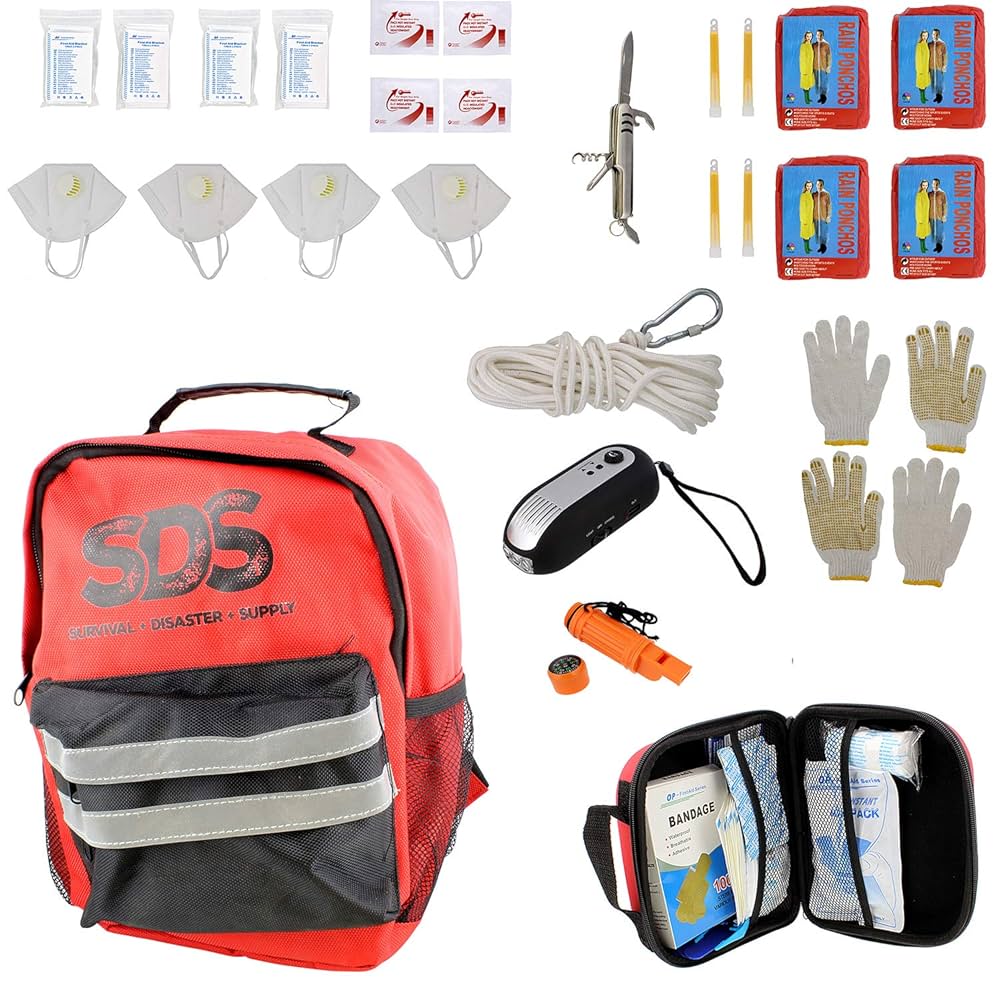
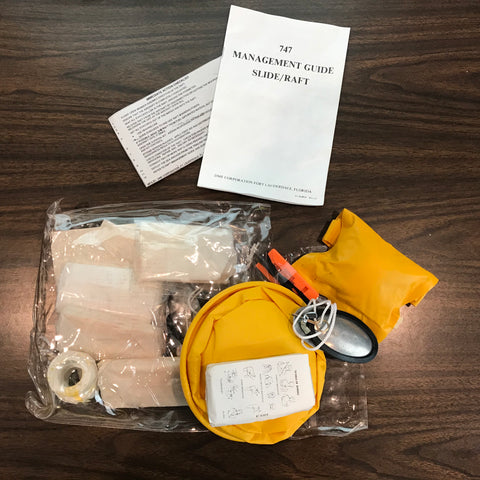
A survival kit on a plane contains essential items to keep passengers safe during emergencies. Core safety items focus on health, communication, and sustenance. These tools increase chances of survival and rescue. Understanding these components helps passengers stay prepared.
First Aid Supplies
First aid supplies treat injuries and prevent infection. Basic items include:
- Bandages and adhesive tape
- Antiseptic wipes and ointments
- Gauze pads and sterile dressings
- Pain relievers and allergy medication
- Scissors and tweezers
- Burn cream and gloves
These supplies help manage cuts, burns, and minor wounds. They reduce risks of complications until professional help arrives.
Signaling Devices
Signaling devices alert rescuers to your location. Common devices are:
- Whistles to produce loud sounds
- Mirrors to reflect sunlight
- Flares or glow sticks for night visibility
- Signal flags or bright cloth pieces
Clear signals attract attention from search teams. They improve rescue chances in remote areas.
Water And Food Rations
Water and food sustain energy and hydration. Survival kits often include:
- Bottled water or water purification tablets
- High-energy snacks like protein bars
- Dehydrated meals or ready-to-eat packs
Staying hydrated and nourished supports physical strength. These rations are vital during long waits for help.
Tools And Equipment
Survival kits on planes contain essential tools and equipment. These tools help passengers handle emergencies. They allow you to cut, build fire, and create shelter. Each item serves a specific purpose to improve chances of survival. Knowing what tools are included prepares you for unexpected situations.
Cutting Instruments
Cutting instruments are vital in any survival kit. They help to cut ropes, cloth, or wood. Common tools include:
- Small folding knives with safety locks
- Multi-tools with scissors or blades
- Wire cutters or metal snips
These instruments must be compact and sharp. They assist in making repairs and crafting other survival items.
Fire Starters
Fire starters are crucial for warmth and cooking. They include:
- Waterproof matches
- Ferrocerium rods
- Magnesium blocks
These items ignite easily, even in wet conditions. Fire provides heat, light, and a way to signal rescuers.
Shelter Materials
Shelter materials protect you from weather and insects. A survival kit usually has:
- Compact emergency blankets
- Lightweight tarps or ponchos
- Paracord or strong rope
These materials help build quick shelters. They keep you dry and reduce heat loss.

Credit: www.pilotmall.com
Communication Aids
Communication aids are vital tools in a plane survival kit. They help survivors send signals and call for help. These devices increase the chances of rescue in remote areas. Without proper communication, finding survivors becomes difficult and slow. The kit includes tools designed for clear, reliable signals.
Emergency Beacons
Emergency beacons send distress signals automatically or manually. They use radio waves to alert rescuers about your location. Most beacons work with satellite systems for global coverage. They are compact and easy to operate under stress. A survival kit often contains a personal locator beacon (PLB) or an emergency position-indicating radio beacon (EPIRB). These devices improve rescue speed by pinpointing exact coordinates.
Flares And Lights
Flares and lights are visual signals used to attract attention. They are useful during night or low-visibility conditions. Flares burn brightly for several seconds to minutes, visible from miles away. Flashlights and LED lights can create flashing signals. These items help rescuers find survivors even without radio signals. Survival kits typically include different colors and types for varied signaling options.
Variations By Aircraft Type
Survival kits on planes are tailored to fit the unique needs of each aircraft type. The size, purpose, and typical flight routes influence what items are included. Understanding these differences can help you appreciate the safety measures designed specifically for your journey.
Commercial Planes
Commercial planes carry survival kits designed for large groups of passengers. These kits focus on essentials like life vests, oxygen masks, and basic first aid supplies. You’ll also find items such as water pouches and thermal blankets to help in emergencies.
Some airlines add extras like signaling mirrors or whistles, especially for flights over remote areas. The kits are compact but cover a wide range of potential scenarios. Have you ever wondered how these kits manage to pack so much into such a small space?
Private Jets
Private jets have more customized survival kits, often based on the owner’s preferences and typical flight paths. They usually include advanced first aid kits, multi-tools, and sometimes even satellite phones. Because private jets fly to less populated areas, survival kits may also contain specialized gear like water purification tablets or compact fishing kits.
Your survival kit on a private jet might be more versatile but less standardized. This personalization can be a big advantage if you know your routes well. Would you choose to add extra equipment if you often fly over wilderness areas?
Military Aircraft
Military aircraft carry highly specialized survival kits tailored for extreme conditions. These kits often include not only medical supplies but also navigation tools, weapons, and advanced signaling devices. The goal is to support survival in hostile environments until rescue arrives.
Military kits are designed for durability and multi-functionality, often stored in rugged cases. They prepare aircrew for a variety of scenarios, including water landings, jungle survival, or desert conditions. How prepared do you think these kits are compared to civilian options?
Maintenance And Inspection
Maintaining and inspecting a survival kit on a plane is crucial to ensure every item is ready when you need it most. Neglecting this responsibility can turn a well-stocked kit into a useless collection of expired or damaged supplies. You might never face an emergency, but if you do, the condition of your survival kit could make all the difference.
Routine Checks
Regularly checking your survival kit means more than just glancing inside. You should verify expiration dates on food, water, and medical supplies. Inspect packaging for damage or moisture, which can ruin items like matches or electronic devices.
Keep a checklist handy to track what you’ve inspected and when. Airlines and pilots often set specific intervals—monthly or quarterly—for these checks. You might wonder, how often should you really check your kit? It depends on usage frequency and the environment where the kit is stored.
Replacement Protocols
Knowing when and how to replace items is just as important as checking them. Replace expired food and medications immediately. Damaged equipment, like torn blankets or faulty flashlights, should be swapped out without delay.
Label each item with the date you added or last replaced it. This simple step prevents guesswork and saves time during inspections. Have you ever opened a survival kit only to find crucial items missing or unusable? Setting clear replacement rules helps avoid that frustration.
Passenger Safety Tips
Passenger safety on a plane depends heavily on your awareness and readiness to use the survival kit effectively. Knowing what’s inside and how to access it quickly can make a critical difference during an emergency. Let’s break down essential tips to help you stay calm and confident if you ever need to rely on a survival kit.
Accessing The Kit
The survival kit is usually stored in a clearly marked compartment near your seat or with the flight crew. Make sure you locate it as soon as you board—don’t wait until an emergency occurs. Take a moment to observe the instructions given during the safety briefing and ask flight attendants if you’re unsure where the kit is kept.
In a tense moment, fumbling can waste precious seconds. Visualize the path to the kit now so you can move swiftly if needed. Have you ever thought about how easy it would be to grab the kit in a dark cabin or under stress? Preparing ahead is your best tool.
Using Items Effectively
Once you access the kit, knowing how to use each item correctly is crucial. Items like a flashlight, whistle, or first aid supplies serve specific purposes that can keep you safe and help signal rescuers. Take a quick mental note of what each tool does as you glance through the kit.
For example, a whistle can be more effective than shouting if you’re trapped. A space blanket can prevent hypothermia by reflecting your body heat. Use the survival kit items based on your immediate needs rather than trying to use everything at once.
Have you ever practiced using a first aid kit? Practicing simple skills like bandaging can save you from panic and indecision. Think about how confident you’d feel managing minor injuries or signaling for help with these tools at hand.
Frequently Asked Questions
What Items Are In A Plane Survival Kit?
A plane survival kit typically includes essential items for emergencies. Common items are first aid supplies, water, food rations, signaling devices, and thermal blankets. These kits are designed to help passengers and crew survive until rescue. Each airline may have slightly different kits, but the essentials remain similar across the industry.
How Do Survival Kits Help In Emergencies?
Survival kits provide essential resources during emergencies. They offer immediate access to crucial items like water, food, and first aid supplies. These kits also include tools for signaling rescue teams. By ensuring basic survival needs are met, kits significantly increase chances of survival in critical situations.
Are Survival Kits Mandatory On Planes?
Yes, survival kits are mandatory on commercial flights. Aviation authorities require airlines to have emergency equipment, including survival kits. These regulations ensure passenger safety during unexpected situations. Kits are tailored to the flight’s route, considering potential environmental challenges. This preparedness helps airlines comply with safety standards and protect passengers.
How Often Are Survival Kits Checked?
Survival kits are regularly inspected to ensure readiness. Airlines conduct routine checks as part of their maintenance protocols. These inspections ensure all items are present, functional, and within expiration dates. Regular updates and replenishments are crucial for maintaining the effectiveness of the kits in emergencies.
Conclusion
A survival kit on a plane holds essential tools for safety. It includes items like first aid supplies, water, and signaling devices. These tools help passengers stay calm and prepared during emergencies. Knowing what is inside gives peace of mind.
It shows how airlines plan for unexpected situations. Remember, being aware can make a big difference. Safety starts with understanding the basics. Stay informed and ready for any flight adventure.