Have you ever wondered what you would do if an emergency suddenly struck? Imagine being without power, water, or help for hours—or even days.
That’s where an emergency survival kit comes in. It’s not just a box of random items; it’s your lifeline when everything else fails. You’ll discover exactly what an emergency survival kit is, why it’s essential for you and your loved ones, and how to build one that truly meets your needs.
Keep reading—your safety could depend on it.

Credit: www.emergencyzone.com
Purpose Of An Emergency Survival Kit
An emergency survival kit is more than just a collection of supplies; it’s a lifeline during unexpected crises. Its purpose is to provide you with the essential tools and resources needed to stay safe, healthy, and self-reliant when help might not be immediately available. Having this kit ready means you’re prepared to face emergencies with confidence rather than panic.
Situations That Require A Survival Kit
Emergencies can strike without warning and come in many forms. Natural disasters like earthquakes, floods, and hurricanes often cut off access to basic needs such as food, water, and shelter. Power outages or getting stranded outdoors during a severe storm are other situations where a survival kit proves invaluable.
Think about a time when you were caught in unexpected bad weather or a sudden blackout. Did you have easy access to flashlights, water, or a way to stay warm? A well-stocked survival kit ensures you won’t face such moments unprepared, reducing stress and risk.
Benefits Of Being Prepared
Having an emergency survival kit saves you valuable time and energy during a crisis. Instead of scrambling to gather supplies, you already have what you need at hand. This readiness can make a significant difference in your safety and comfort.
Preparedness also brings peace of mind. Knowing that you have food, water, first aid, and other essentials ready helps you stay calm and think clearly when situations get tough. It puts control back in your hands, allowing you to focus on protecting yourself and your loved ones.
What would you do if you had to survive on your own for 72 hours? Your emergency survival kit could be the answer that keeps you safe and secure until help arrives or conditions improve.
Basic Components Of The Kit
Knowing what to pack in your emergency survival kit can make a huge difference when disaster strikes. The basic components focus on meeting your immediate needs—food, water, health, and tools. These essentials help you stay safe and comfortable until help arrives or conditions improve.
Food And Water Supplies
Food and water are your top priorities. You need enough non-perishable food to last at least 72 hours. Think canned goods, energy bars, and dried fruits.
Water is even more critical. Store at least one gallon per person per day. Don’t forget water purification tablets or a portable filter—they can save you if your water runs out or gets contaminated.
First Aid Essentials
A first aid kit is a must-have in any survival kit. It should include bandages, antiseptic wipes, pain relievers, and tweezers. Add any personal medications and allergy treatments you might need.
I learned the hard way that having a basic first aid kit saved me during a hiking trip when a simple cut started to get infected. Being prepared means you can handle minor injuries yourself instead of waiting for help.
Tools And Equipment
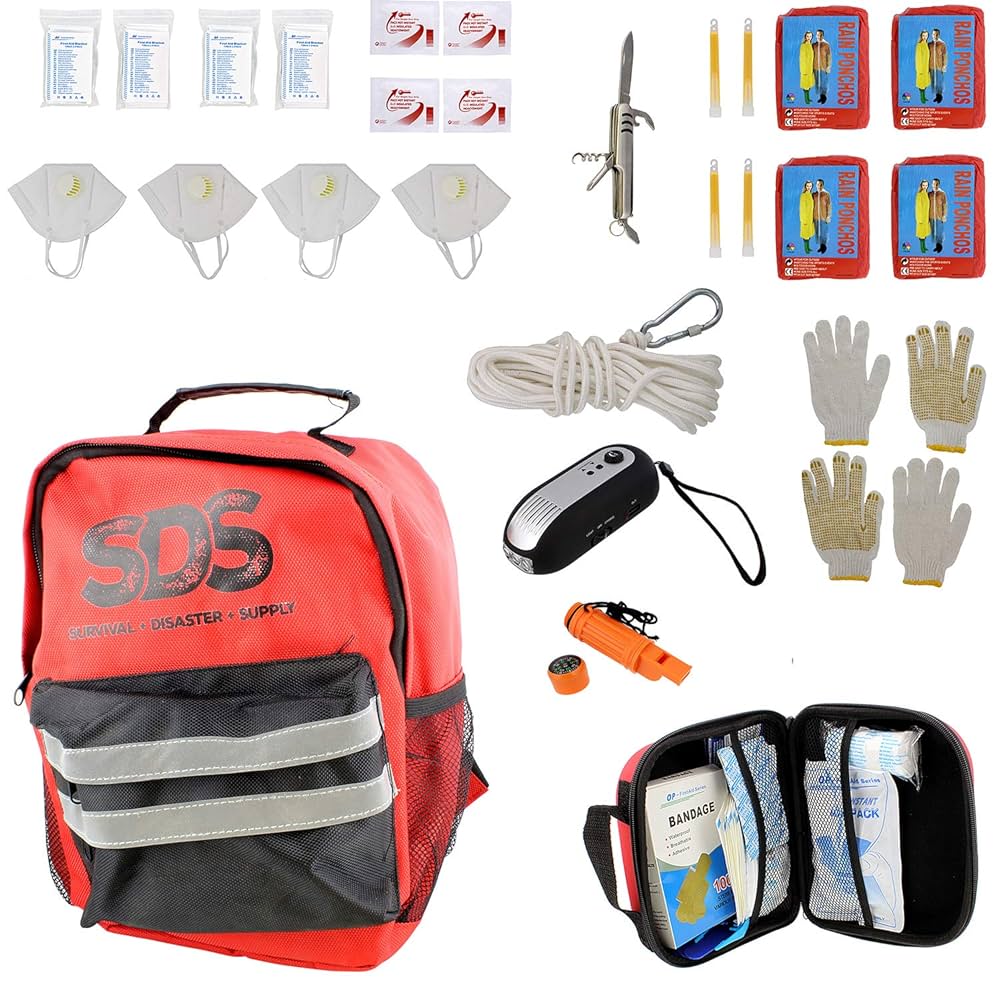
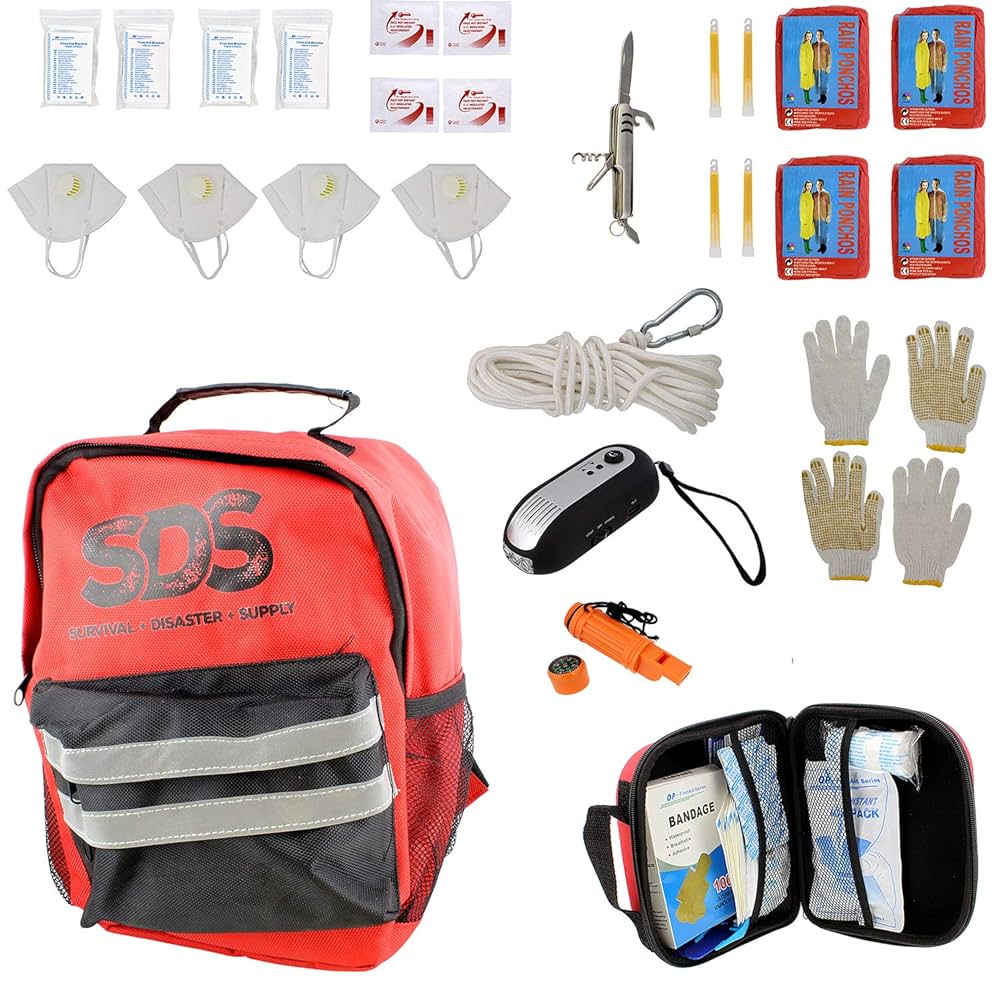
Tools give you the ability to solve problems on the spot. A reliable flashlight with extra batteries is crucial. Include a multi-tool or Swiss army knife for cutting, opening cans, or fixing gear.
Don’t forget a whistle to signal for help and a sturdy emergency blanket to keep warm. These small items can make a big difference when you’re in a tough spot.
Additional Safety Items
Additional safety items enhance your emergency survival kit’s usefulness. These items help you stay safe, comfortable, and clean during tough times. They support basic needs beyond food and water. Preparing for different scenarios requires careful selection of these extras.
Communication Devices
Communication devices keep you connected with others. A reliable way to call for help is crucial. Include items like:
- Battery-powered or hand-crank radio
- Fully charged mobile phone with power bank
- Whistle for signaling
- Two-way radios for group communication
These tools provide updates, warnings, and emergency instructions.
Clothing And Shelter
Proper clothing and shelter protect you from weather and environment. Pack lightweight, durable items such as:
- Waterproof jacket or poncho
- Thermal blanket or sleeping bag
- Extra socks and gloves
- Compact tarp or tent
These items help maintain body warmth and shield from rain or wind.
Personal Hygiene Products
Keeping clean prevents illness and boosts morale during emergencies. Essential hygiene products include:
- Travel-size soap and hand sanitizer
- Toothbrush and toothpaste
- Sanitary wipes and feminine hygiene supplies
- Small towel or washcloth
These basics support health and comfort in difficult conditions.

Credit: www.amazon.com
Customizing Your Survival Kit
Customizing your emergency survival kit is crucial to ensure it meets your unique needs and the challenges of your surroundings. A one-size-fits-all approach rarely works when every environment and individual requires specific tools and supplies. Taking time to tailor your kit can make a real difference in an emergency situation.
Considering Climate And Environment
Think about where you live and the conditions you might face. Hot, dry climates demand plenty of water and sun protection, while cold areas require warm clothing and fire-starting tools. If you live in a flood-prone region, waterproof containers and floating gear become essential.
Ask yourself: What natural hazards are common in your area? This helps you decide what gear to prioritize. For example, in wildfire zones, include masks and goggles to protect against smoke.
Addressing Personal Needs
Your survival kit should reflect your health and lifestyle. If you have allergies, add extra medications and an epinephrine injector. Parents should pack supplies for their children, including formula, diapers, and comfort items.
Consider your daily routines and medical conditions carefully. If you wear glasses, include a spare pair. If you rely on specific devices or medications, make sure your kit covers those requirements fully.
Tips For Maintaining Your Kit
Keeping your emergency survival kit ready is as important as assembling it. Without regular maintenance, essential items can expire, break, or become useless when you need them most. Maintaining your kit ensures you’re always prepared, no matter what kind of emergency arises.
Regular Checks And Updates
Check your kit at least twice a year to replace expired food, batteries, and medications. Keep a checklist to track what you have and what needs replenishing. Small updates like adding a new flashlight or swapping out worn clothes can make a big difference.
Think about the last time you updated your kit. Did you discover any expired items? This simple habit could save you from a lot of trouble during a crisis.
Storage And Accessibility
Store your kit in a cool, dry place away from direct sunlight to prevent damage. It should be easy to reach quickly, so avoid placing it in hard-to-access spots. Consider having multiple kits in different locations, like your car and workplace, for added safety.
Ask yourself: Would you be able to grab your kit within minutes if an emergency happened right now? If not, reorganize your storage to make it faster and easier.
Emergency Survival Kit For Different Scenarios
An emergency survival kit changes depending on the situation you face. Different scenarios need different tools and supplies. Preparing kits tailored to specific emergencies helps you stay safe and manage risks. Understanding the essentials for each type of emergency improves your readiness.
Natural Disasters
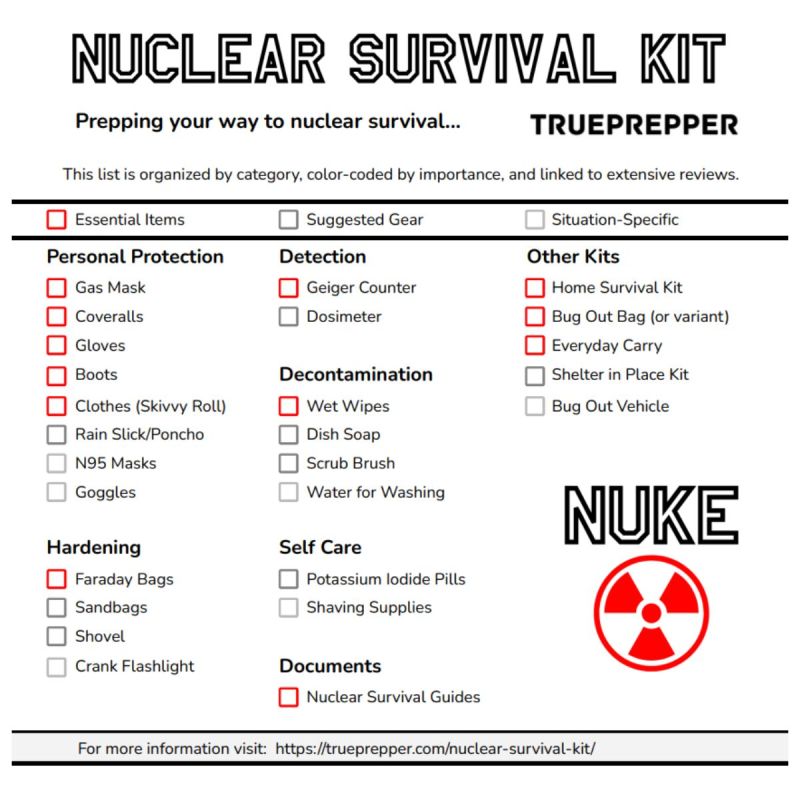
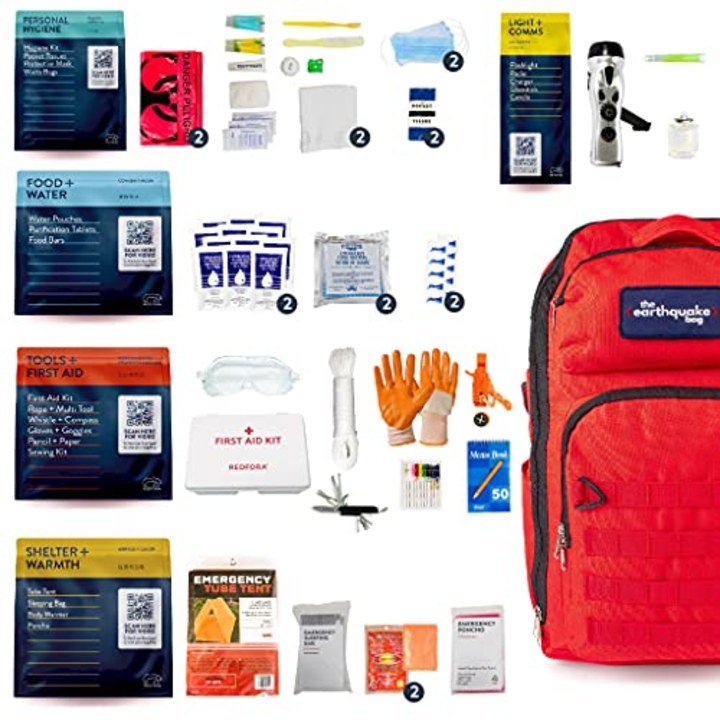
Natural disasters like earthquakes, floods, and hurricanes need special survival kits. These kits focus on water, food, and shelter. Key items include:
- Bottled water and water purification tablets
- Non-perishable food items
- First aid supplies
- Flashlight with extra batteries
- Emergency blanket and rain poncho
- Whistle to signal for help
These items help you stay safe during power outages and evacuations.
Urban Emergencies
Urban emergencies like fires, blackouts, or accidents require quick action. Kits for city life focus on easy access and communication tools. Important items include:
- Portable phone charger
- Face masks and gloves
- Multi-tool or pocket knife
- Small first aid kit
- Copies of important documents
- Cash in small bills
These supplies help you stay ready for sudden disruptions in the city.
Wilderness Survival
Wilderness survival kits support you in remote areas with limited resources. These kits focus on shelter, fire, and navigation. Essential items include:
- Water filter or purification system
- Fire starter or waterproof matches
- Compact tent or tarp
- Compass and map
- High-energy snacks
- Signal mirror and whistle
These tools help you survive and find your way back safely.
Credit: www.nbcnews.com
Frequently Asked Questions
What Is An Emergency Survival Kit?
An emergency survival kit is a collection of essential items. It is designed to help you survive in emergencies. Common items include water, food, flashlight, first-aid supplies, and tools. The kit prepares you for natural disasters or unexpected situations. It’s crucial for ensuring safety and preparedness.
Why Do You Need A Survival Kit?
A survival kit is essential for unforeseen emergencies. It provides necessary supplies to sustain you during disasters. Having a kit ensures you are prepared for power outages, natural disasters, or evacuations. It’s a proactive step to safeguard your well-being and increase your chances of survival.
What Items Are Essential In A Survival Kit?
Essential items in a survival kit include water, non-perishable food, and a flashlight. You also need a first-aid kit, batteries, and a multi-tool. Important documents, a whistle, and warm clothing are crucial too. Customize your kit based on personal needs and regional risks.
How Often Should You Update A Survival Kit?
You should update your survival kit every six months. Check expiration dates on food and batteries. Replace items that are damaged or missing. Update the kit with seasonal clothing and necessary medications. Regular updates ensure your kit remains effective and ready for use.
Conclusion
An emergency survival kit helps you stay safe during tough times. It contains important items like food, water, and first aid supplies. Having one ready can reduce stress and improve your chances in an emergency. Everyone should prepare a kit for their home or car.
Small steps today can protect you tomorrow. Stay ready. Stay safe.