When you think about building your survival kit, one item stands out as absolutely essential: water. But do you really know why water is so crucial for your survival?
Understanding the role water plays can make the difference between staying safe and facing serious danger. You’ll discover exactly why water belongs in your survival kit and how it helps keep you alive when it matters most. Keep reading—your life could depend on it.
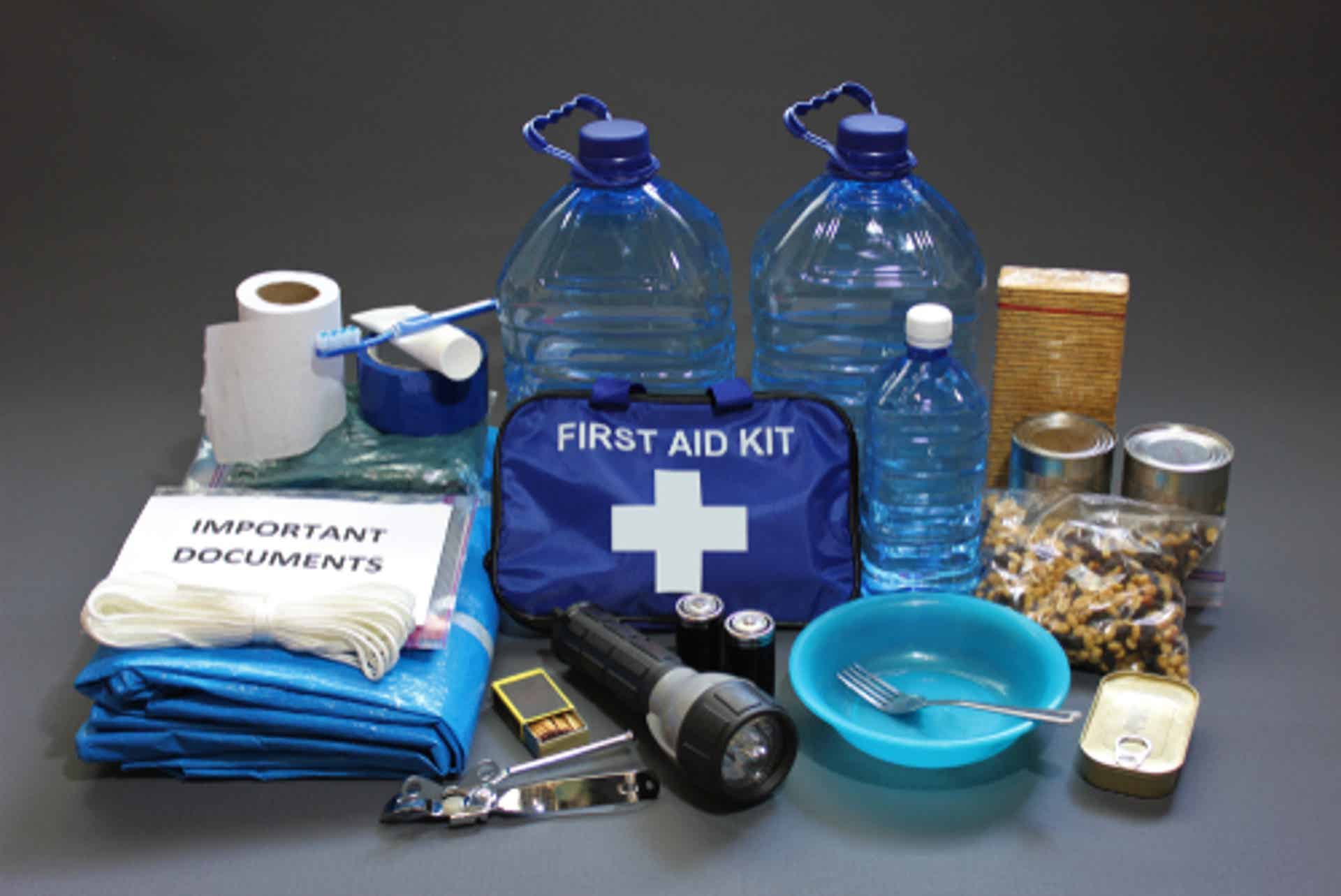
Credit: www.safetykitsplus.com
Water’s Role In Survival
Water plays a vital role in survival situations. It supports many body functions and keeps you alive. Without clean water, survival becomes difficult very fast. Water is not only for drinking but also for other important uses in a survival kit.
Hydration And Body Function
Water keeps the body hydrated and functioning well. It helps regulate body temperature. It moves nutrients and oxygen to cells. Water also removes waste from the body. Staying hydrated helps maintain energy and focus. Without enough water, the body slows down and weakens quickly.
Preventing Dehydration
Dehydration can cause serious health problems. Early signs include thirst, dry mouth, and dizziness. Severe dehydration leads to confusion and fainting. Carrying enough water in a survival kit prevents this. Drinking small amounts regularly keeps dehydration away. It is crucial to have water ready in any emergency.
Water As A Resource For Cooking And Cleaning
Water is essential for cooking food safely. It helps boil and prepare meals in the wild. Clean water is also needed for hygiene. Washing hands and utensils reduces infection risk. Using water to clean wounds helps prevent illness. Carrying water means you can stay clean and healthy.

Credit: grimworkshop.com
Choosing Water For Your Kit
Choosing the right water for your survival kit is a decision that can impact your safety and well-being in critical situations. It’s not just about packing any water; it’s about selecting the type, the container, and the treatment tools that will keep you hydrated and healthy. Think about your environment and how long you might need the water, then plan accordingly.
Types Of Water To Include
Not all water is created equal for survival purposes. You want to include:
- Distilled water:Free from impurities, ideal for long-term storage.
- Spring water:Natural and often contains beneficial minerals.
- Tap water:Convenient but requires treatment before drinking.
Consider how each type fits your situation. Would you rely on stored water alone, or expect to find natural sources? Planning for both is wise.
Water Storage Containers
Choosing the right container can make the difference between safe hydration and contamination. Look for:
- BPA-free plastic bottles:Lightweight and durable for everyday use.
- Collapsible water pouches:Save space when empty and easy to carry.
- Metal containers:Good for boiling water directly if needed.
Think about durability and portability. Have you tested your containers for leaks or ease of use under pressure?
Portable Water Filters And Purifiers
Water treatment tools are essential when you can’t rely on stored water alone. Popular options include:
- Straw filters:Lightweight and easy for quick sips from natural sources.
- Pump filters:Effective for filtering larger amounts but bulkier.
- Chemical purifiers:Tablets or drops that kill bacteria and viruses.
Which tool suits your environment and skill level? Testing your filter before an emergency will save frustration later.
Water Conservation Techniques
Water is a vital resource in any survival situation. Proper conservation techniques extend its availability. These methods help maintain hydration and support life when supplies are limited.
Rationing Water Intake
Control how much water you drink daily. Avoid drinking large amounts at once. Sip small amounts regularly to stay hydrated longer. Monitor your body’s needs and adjust intake carefully. Do not wait until very thirsty to drink. Balance hydration without wasting water.
Collecting And Reusing Water
Gather water from natural sources like rain or dew. Use containers to catch and store water safely. Reuse water for cleaning or cooking after filtering. Boil water to kill bacteria before drinking. Use simple tools like plastic sheets or containers to collect moisture. This practice increases available water in survival kits.
Minimizing Water Loss
Reduce sweating by staying in shade or cool areas. Avoid heavy physical activity during hot times. Cover skin with light, loose clothing to lower evaporation. Breathe through the nose to limit moisture loss. Store water containers sealed tightly to prevent evaporation. These actions help keep water inside the body and containers.
Emergency Water Sources
Having access to water is crucial for survival, especially when you’re relying on a survival kit. But what happens when your stored water runs out? Knowing how to find emergency water sources can keep you hydrated and safe. These sources may not be as convenient as bottled water, but with the right knowledge, you can make them work for you.
Natural Water Sources In The Wild
Streams, rivers, and lakes are the most obvious natural water sources you might find in the wild. However, not all natural water is safe to drink. Always look for flowing water rather than stagnant pools, as moving water is less likely to contain harmful bacteria.
If you spot clear water, collect it but remember to purify it before drinking. Boiling, filtering, or using purification tablets can make it safe. Have you ever tried drinking from a stream without treating the water? It’s not a risk worth taking.
Harvesting Rainwater
Rainwater is one of the cleanest natural sources you can collect in an emergency. You can use tarps, plastic sheets, or even large leaves to catch rain. Position your collection surface so water funnels into a container.
Make sure your catchment area is free from dirt and debris. If you’re in a survival situation, how easy would it be for you to set up a rainwater collector? This skill can save your life when other sources run dry.
Using Dew And Condensation
Dew can be a surprising water source, especially in humid areas. Early morning is the best time to collect dew from grass, leaves, or your clothing. Use a clean cloth to wipe the moisture and then wring it into a container.
Condensation can also be gathered by creating a solar still using plastic and sunlight. This method takes patience but can provide water when nothing else is available. Have you ever considered how much water you might collect just from morning dew?
Water Safety And Treatment
Water safety and treatment are essential for survival. Drinking unsafe water can cause serious illness. Proper treatment removes harmful bacteria, viruses, and chemicals. This keeps water clean and safe to drink. Understanding water safety helps avoid health risks during emergencies.
Identifying Contaminated Water
Contaminated water often looks cloudy or smells bad. It may have floating debris or strange colors. Avoid water near factories, farms, or sewage areas. Clear water is not always safe. Invisible germs can still be present. Always treat water before drinking.
Boiling And Chemical Treatments
Boiling water kills most germs effectively. Boil water for at least one minute at sea level. At higher altitudes, boil for three minutes. Chemical treatments include chlorine and iodine tablets. Follow package instructions for correct use. These methods help make water safe quickly.
Using Uv And Filtration Methods
UV light devices destroy bacteria and viruses by disrupting their DNA. Portable UV purifiers are easy to use in survival kits. Water filters remove dirt, parasites, and some bacteria. Use filters with small pore sizes for best results. Combining filtration and UV light offers extra protection.
Maintaining Water Supplies
Maintaining water supplies in a survival kit is vital for long-term readiness. Water supports life and helps prevent dehydration in emergencies. Proper care keeps water safe and drinkable at all times.
Regularly Checking Stored Water
Check water containers every few months. Look for leaks, cloudiness, or strange smells. These signs mean water may be unsafe. Keep records of your checks to stay organized.
Replacing Expired Water
Water stored too long can lose quality. Replace stored water every six to twelve months. Use fresh water and clean containers for refills. This ensures you always have safe water available.
Proper Water Storage Practices
Store water in clean, food-grade containers only. Keep containers in a cool, dark place. Avoid direct sunlight and heat sources. Label containers with the storage date for easy tracking.

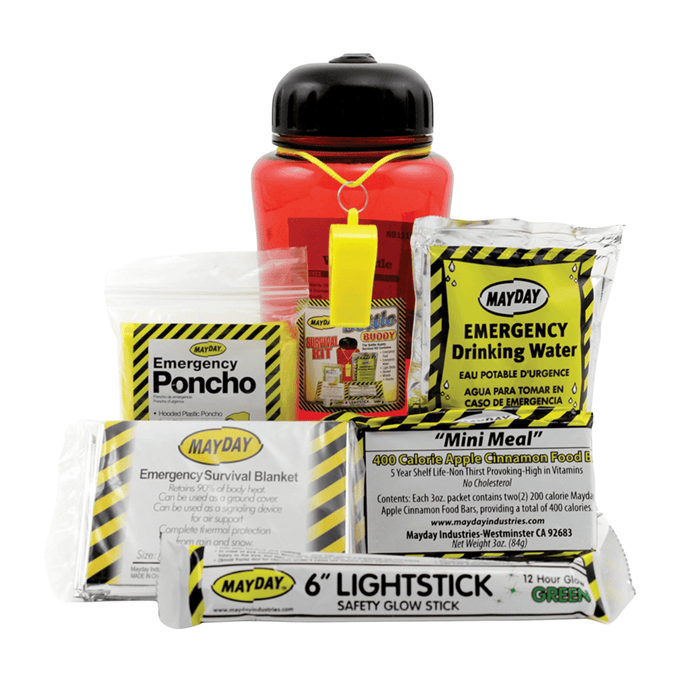
Credit: www.amazon.ca
Frequently Asked Questions
Why Is Water Essential In A Survival Kit?
Water is crucial for hydration and maintaining body functions. In emergencies, clean water can prevent dehydration and related health issues. It can also be used for cleaning wounds or cooking. Always prioritize having enough water in your survival kit to ensure basic needs are met.
How Much Water Should A Survival Kit Contain?
It’s recommended to have at least one gallon of water per person per day. This amount covers drinking, cooking, and hygiene needs. For a three-day emergency kit, store three gallons per person. Adjust quantities based on climate, individual needs, and specific circumstances.
Can Water Purification Tablets Replace Stored Water?
Water purification tablets are a useful supplement but not a complete replacement. They can make contaminated water safe but rely on having a water source. Stored water is immediately accessible and reliable. It’s best to have both options in your survival kit for flexibility.
How To Store Water In A Survival Kit?
Store water in clean, food-grade containers with tight lids. Avoid using containers that can leach chemicals. Regularly check and replace stored water every six months to ensure freshness. Consider portable water containers for easy transport during emergencies.
Conclusion
Water is the most important part of any survival kit. It keeps your body working well and stops dehydration. Without enough water, your energy and focus drop fast. Always carry clean water or a way to make it safe. This small step can save your life in tough situations.
Remember, water helps you stay strong and ready for anything. Don’t forget to check your water supply often. Simple but smart choices matter most in survival. Stay prepared and keep water close.