When an earthquake strikes, every second counts. Do you know what you need to have ready to keep yourself and your loved ones safe?
Having the right survival kit can make all the difference between feeling helpless and staying prepared. You’ll discover exactly what should be in your earthquake survival kit list—simple, essential items that can protect you when disaster hits. Keep reading to find out how you can be ready before the ground shakes beneath your feet.

Credit: www.abountifullove.com
Essential Supplies
Having the right essential supplies in your earthquake survival kit can make a huge difference when disaster strikes. These items aren’t just about convenience—they can save your life. Think about what you really need to stay safe, healthy, and comfortable during those critical hours and days.
Water And Hydration
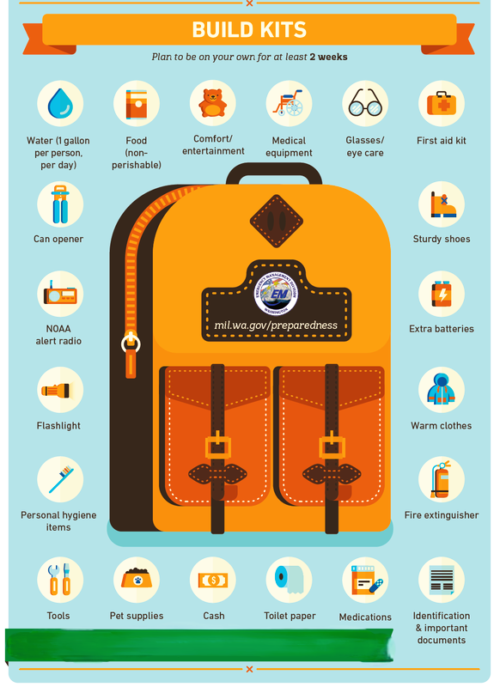
Water tops the list because your body can only survive a few days without it. You should store at least one gallon of water per person per day. Don’t forget to include water purification tablets or a portable filter. These can help if your stored water runs out or becomes contaminated.
Have you ever been without clean water for a few hours? Imagine stretching that to days. Staying hydrated supports your energy and mental clarity when you need it most.
Non-perishable Food
Your kit should include foods that last and require little or no preparation. Think canned goods, granola bars, dried fruits, and nuts. These items provide essential nutrients and energy to keep you going.
Choose foods you actually like to eat. You don’t want to waste calories on something you won’t finish. Also, keep a manual can opener handy—you don’t want to be stuck without a way to open your food.
First Aid Kit
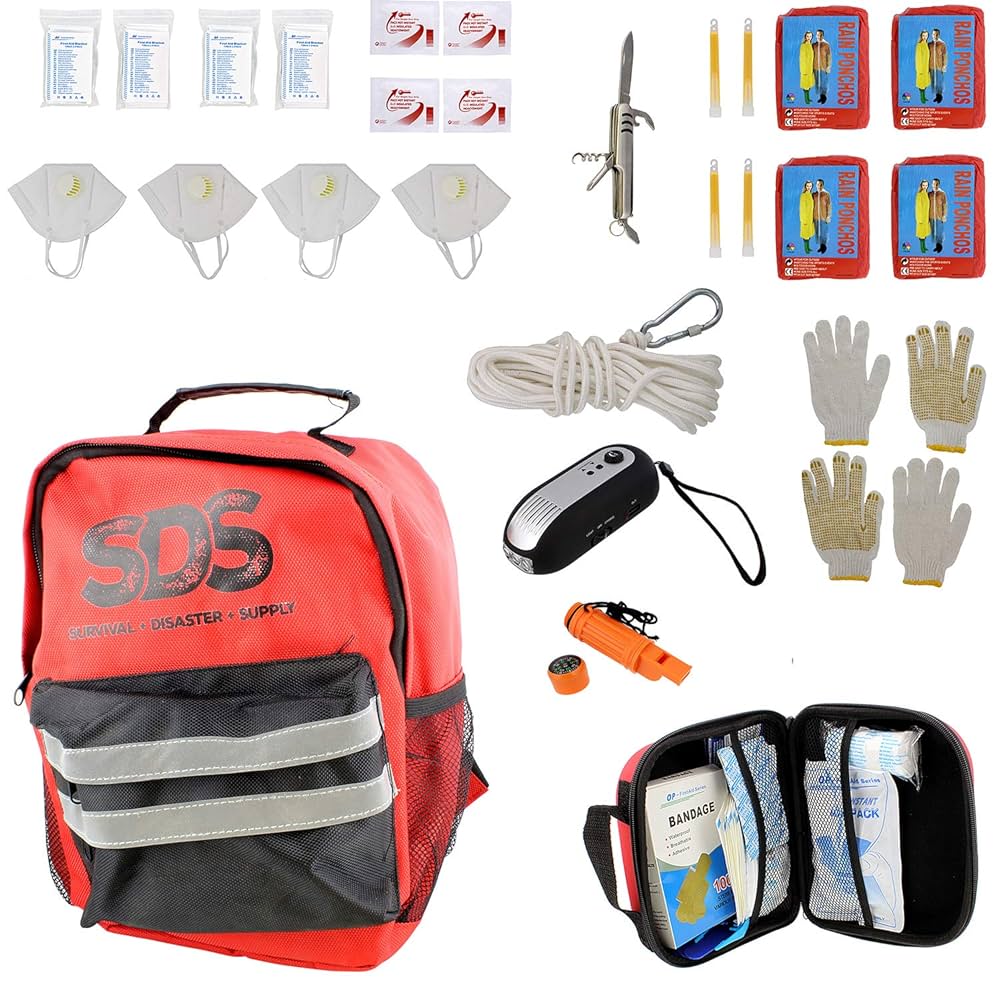
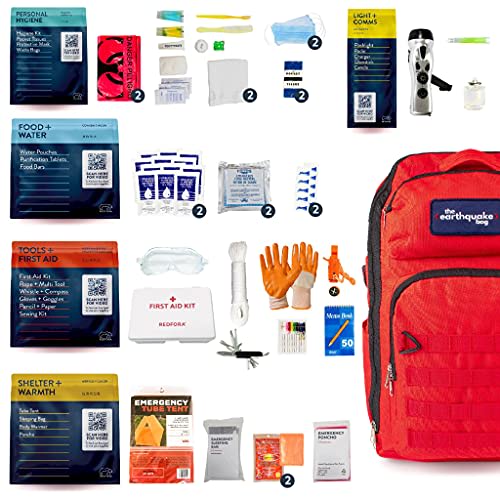
A well-stocked first aid kit can handle minor injuries that happen during or after an earthquake. Include bandages, antiseptic wipes, pain relievers, and any prescription medications you might need. Adding a CPR mask and tweezers can be life-saving extras.
Think about your family’s specific needs. Do you have allergies? Asthma? Customize your kit to cover those bases. It’s better to prepare now than regret later when help is far away.
Personal Hygiene Items
Maintaining hygiene is crucial to prevent illness in emergency situations. Pack items like toothbrushes, toothpaste, soap, hand sanitizer, and feminine hygiene products. Don’t forget moist towelettes and a small towel for cleaning up.
These supplies can help you feel more normal during stressful times. They also reduce the risk of infections, which can be dangerous when medical help is limited. What hygiene items would you miss the most during an emergency?
Credit: www.cresa.wa.gov
Tools And Equipment
Having the right tools and equipment in your earthquake survival kit can make a huge difference when seconds count. These items help you stay safe, communicate, and manage emergencies effectively. Think about what you would need if the power goes out or if you have to fix something quickly—those are the essentials your kit should cover.
Flashlights And Batteries
A reliable flashlight is a must-have during an earthquake. Power outages are common, and navigating in the dark can be dangerous. Choose LED flashlights because they last longer and use less energy.
Don’t forget extra batteries. Store them separately from the flashlight to avoid corrosion and check them regularly to ensure they work. Have you ever been caught in the dark without a light source? It’s a simple tool that can save you from panic and injury.
Multi-tool And Knife
A multi-tool or a sturdy knife can handle many tasks—cutting, opening cans, or making quick repairs. These compact tools pack a lot of functions into one device, saving space in your kit.
Look for tools with pliers, screwdrivers, and blades. Remember, a sharp knife can be a lifesaver but also requires careful handling. Do you know how to use your multi-tool effectively in an emergency?
Portable Radio
Communication is crucial when usual channels fail. A portable radio keeps you informed about weather updates, emergency broadcasts, and rescue instructions.
Choose a model that runs on batteries or has a hand crank. Some radios also come with built-in flashlights and USB chargers, adding extra value. What’s your plan to stay updated if your phone stops working?
Fire Extinguisher
Earthquakes can cause fires due to broken gas lines or electrical faults. Having a small, easy-to-use fire extinguisher in your kit can prevent a disaster from escalating.
Pick one rated for all common fire types—A, B, and C. Make sure you know how to operate it safely before an emergency strikes. Could you confidently use a fire extinguisher if a fire started right now?
Clothing And Shelter
Clothing and shelter are vital parts of an earthquake survival kit. They protect your body from harsh weather and injuries. Proper clothing keeps you warm and safe. Shelter provides a place to rest and stay dry. Both help you survive difficult conditions after a quake.
Sturdy Clothing
Choose clothing made of strong, durable materials. Thick pants and long-sleeve shirts protect from cuts and scrapes. Sturdy shoes or boots guard your feet from debris. Pack extra clothes to stay dry and warm. Layering helps adjust to changing weather quickly.
Emergency Blankets
Emergency blankets are lightweight and compact. They keep body heat in and cold out. Use them to prevent hypothermia in cold weather. These blankets are easy to carry in any kit. They also work as ground cover or shelter lining.
Tents And Tarps
Tents offer a safe, enclosed space to rest. Choose a small, easy-to-set-up tent for emergencies. Tarps are versatile and can create quick shelters. Use tarps to cover damaged areas or protect yourself from rain. Both keep you dry and shielded from wind.
Gloves And Masks
Gloves protect hands from sharp objects and rough surfaces. Durable work gloves are best for cleanup tasks. Masks filter dust, smoke, and harmful particles. Use masks to breathe safely in dusty or smoky areas. Keep several pairs to replace when dirty or wet.
Communication And Navigation
Communication and navigation tools are crucial in an earthquake survival kit. They help you find your way and signal for help if trapped or lost. These items do not rely on batteries or signals alone, making them reliable in emergencies.
Whistles And Signal Mirrors
Whistles produce loud sounds that carry farther than shouting. They require little effort and can attract rescuers quickly. Signal mirrors reflect sunlight and send visual signals over long distances. Both are lightweight and easy to carry.
Maps And Compass
Paper maps show your area without needing power or internet. A compass helps you navigate by pointing north. These tools work well together to guide you to safety. Learning how to use them beforehand is important.
Chargers And Power Banks
Chargers keep essential devices powered during an emergency. Power banks store electricity and can recharge phones multiple times. Choose compact, high-capacity power banks for better convenience. Keep devices charged before a disaster strikes.
Important Documents And Cash
Important documents and cash are essential parts of your earthquake survival kit. They help you prove your identity, access resources, and handle emergencies without relying on digital systems that might be down. Think about how quickly you could lose access to critical information if your home is damaged or power is out.
Copies Of Ids And Insurance
Keep photocopies or digital scans of your personal IDs, like your driver’s license or passport, in a waterproof bag. Include copies of your home, health, and car insurance policies. These documents make it easier to get help, file claims, and prove who you are if originals are lost or destroyed.
Emergency Contact Info
Write down phone numbers and addresses of family, friends, doctors, and emergency services. Store this info on paper, not just in your phone. Phones can die or get damaged, but a simple paper list stays reliable when you need it most.
Cash In Small Bills
Keep cash in small denominations like $1, $5, and $10 bills. After an earthquake, ATMs and credit card machines might not work. Having cash ready allows you to buy food, water, or other supplies quickly without relying on electronic payments.
Special Needs Items
Special needs items are vital in an earthquake survival kit. These items support people with unique health and care requirements. They help maintain comfort and safety during emergencies. Every family member’s needs should be considered. This ensures no one is left behind in a crisis.
Medications And Prescriptions
Keep a supply of essential medications. Include prescription drugs, over-the-counter medicines, and any vitamins. Store them in waterproof containers. Label each item clearly with dosage instructions. Prepare a list of all medications with doctor contact information. Update this list regularly. Extra glasses or hearing aid batteries are also important.
Baby Supplies
Babies need special care in emergencies. Pack enough formula, baby food, and water. Include diapers, wipes, and a changing mat. Bring bottles and a manual sterilizer if possible. A favorite toy or blanket can provide comfort. Also, have a first aid kit suitable for infants. Keep all items organized and easy to reach.
Pet Care Essentials
Pets are family too. Prepare food and water for at least three days. Pack leashes, collars, and carriers for safe transport. Include any medications or special care items. Bring waste bags and cleaning supplies. A familiar toy or blanket helps reduce pet stress. Plan for your pet’s needs just like your own.

Credit: www.amazon.com
Frequently Asked Questions
What Items Are Essential In An Earthquake Survival Kit?
An earthquake survival kit should include water, non-perishable food, a flashlight, batteries, a first aid kit, and a whistle. Add personal items like medications and important documents. Include sturdy shoes and gloves for post-earthquake safety. A portable phone charger and a multi-tool are also beneficial.
Regularly check and update your kit.
How Much Water Should Be In A Survival Kit?
Include at least one gallon of water per person per day. Plan for at least three days of supplies. This amount covers both drinking and sanitation needs. Store water in clean, airtight containers. Consider water purification tablets or filters as a backup.
Regularly check and replace your water supply.
Why Include A Whistle In An Earthquake Kit?
A whistle can be crucial for signaling rescuers if you are trapped. It is louder and more effective than shouting. It conserves your energy and ensures your safety. Whistles are small, lightweight, and easy to carry. Include a whistle in your kit to enhance your survival chances.
How Often Should I Update My Earthquake Kit?
Update your earthquake kit every six months. Check expiration dates on food and medications. Replace batteries and check electronic devices. Update personal items like clothing and documents as needed. Regular updates ensure your kit remains effective. This habit keeps your preparedness up to date and reliable.
Conclusion
A good earthquake survival kit saves lives and reduces stress. Pack essentials like water, food, flashlight, and first aid supplies. Check and update your kit regularly to stay prepared. Keep it accessible in your home or car. Being ready helps you act fast when shaking starts.
Stay calm, stay safe, and protect your loved ones. Simple steps make a big difference during emergencies. Don’t wait—start building your kit today. Safety begins with preparation.