Imagine facing an unexpected emergency at home—power outage, natural disaster, or any urgent situation. Would you know exactly what to grab to keep yourself and your loved ones safe?
Your home survival kit is more than just a box of supplies; it’s your lifeline when every second counts. You’ll discover the essential items your kit must contain to protect your family and give you peace of mind. Keep reading, because being prepared isn’t just smart—it could save your life.
Basic Survival Supplies
Having a well-stocked home survival kit is essential for handling emergencies with confidence. Basic survival supplies form the foundation of your kit, ensuring you have the essentials to stay alive and comfortable. These items cover your immediate needs for water, food, warmth, and shelter—without them, survival becomes much harder.
Water And Hydration Tools
Water is your top priority. Aim for at least one gallon per person per day, stored safely in clean containers. You should also include portable water filters or purification tablets to make natural water sources safe to drink.
Think about how you’ll access water if your main supply is cut off. A sturdy, reusable water bottle with a built-in filter can be a lifesaver during long emergencies. Have you tested your water purification tools lately? Knowing they work is just as important as having them.
Non-perishable Food Items
Choose foods that don’t spoil easily and require minimal preparation. Canned goods, dried fruits, nuts, and energy bars are great options. Include a manual can opener if your kit contains canned food.
Don’t forget comfort foods that boost morale during tough times. A small stash of chocolate or instant coffee can make a big difference when stress is high. What foods give you energy and comfort? Add those to your kit.
Fire Starting Equipment
Fire is critical for warmth, cooking, and signaling for help. Pack waterproof matches, a reliable lighter, and fire starters like cotton balls soaked in petroleum jelly. These simple tools can get a fire going quickly, even in damp conditions.
Have you practiced starting a fire with your kit supplies? Being prepared means you can act fast under pressure. Consider adding a small, windproof stove if open fires aren’t an option where you live.
Shelter And Warmth
A good shelter protects you from the elements and keeps you warm. Include a compact emergency blanket, a tarp, and a sleeping bag rated for low temperatures. These items help you stay dry and insulated when you need it most.
Don’t underestimate the power of layering clothing to retain heat. Pack extra socks, gloves, and hats in your survival kit. What shelter options are easiest for you to set up quickly? Make sure your supplies match your skills.
First Aid Essentials
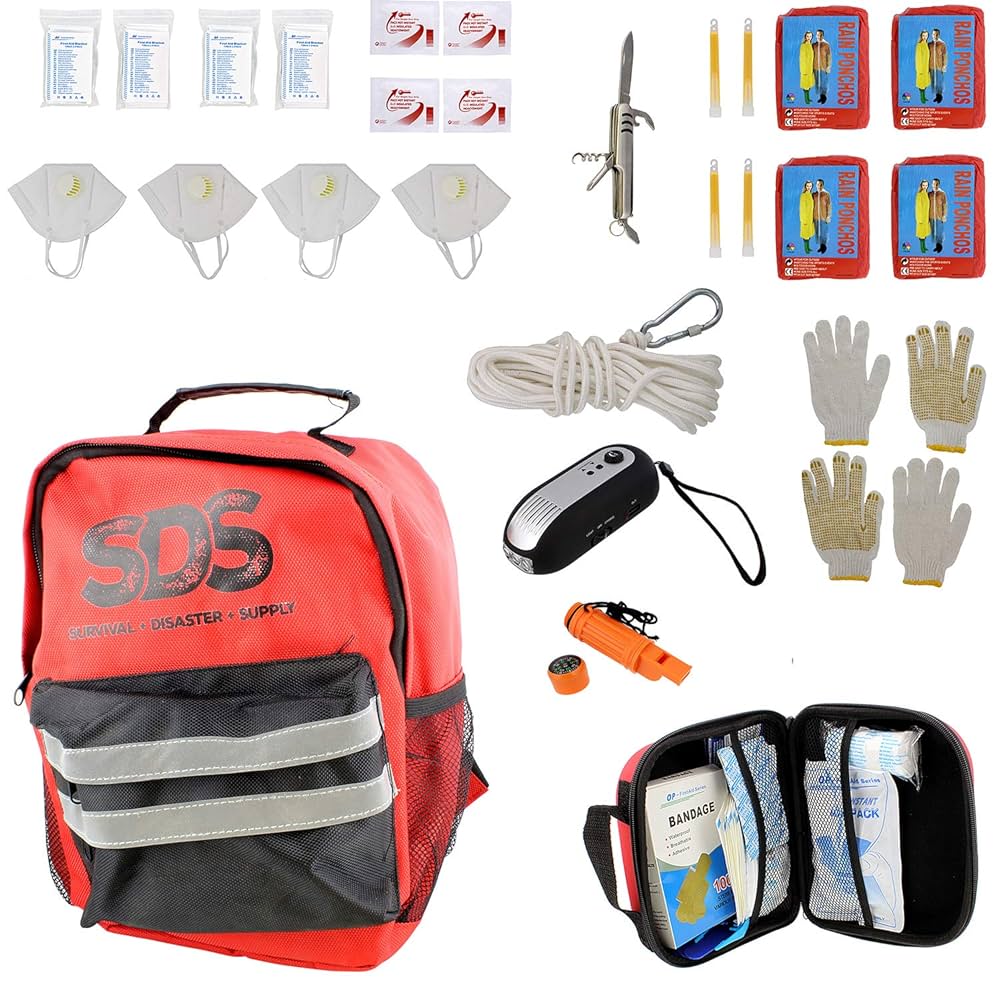
First aid essentials are the backbone of any home survival kit. They help treat injuries quickly and reduce infection risks. Having the right supplies can make a big difference during emergencies. Keep these items organized and easy to find.
Medical Supplies And Medications
- Adhesive bandages in various sizes
- Antiseptic wipes and solutions
- Sterile gauze pads and adhesive tape
- Scissors and tweezers
- Disposable gloves
- Thermometer
- Pain relievers like ibuprofen or acetaminophen
- Antihistamines for allergic reactions
- Any prescribed medications
Wound Care Items
- Hydrogen peroxide or antiseptic spray
- Butterfly closures or wound strips
- Elastic bandages for sprains
- Cold packs to reduce swelling
- Alcohol pads for cleaning tools
- Burn cream or aloe vera gel
Personal Hygiene Products
- Hand sanitizer with at least 60% alcohol
- Antibacterial soap
- Disposable face masks
- Sanitary wipes
- Toothbrush and toothpaste
- Small towel or washcloth
Tools And Equipment
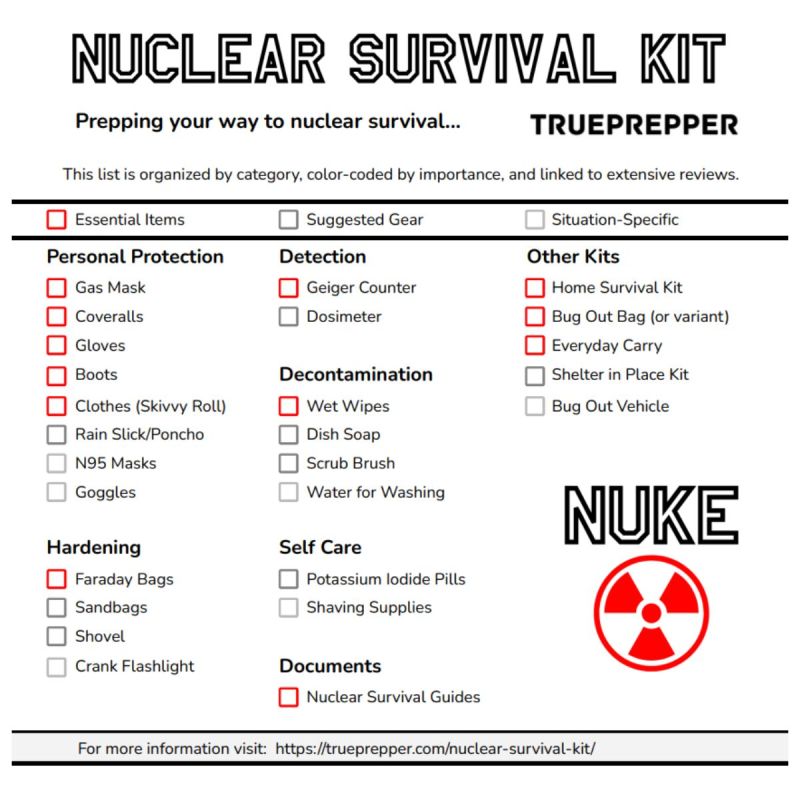
Tools and equipment form the backbone of any home survival kit. They help solve problems fast and keep you safe. Choosing the right tools means you can handle many situations easily. Quality and versatility matter most in emergencies.
Multi-tools And Knives
Multi-tools offer many functions in one compact device. They save space and weight in your kit. A good multi-tool includes pliers, screwdrivers, and scissors. Knives are essential for cutting and preparing food or materials. Pick knives with strong, rust-resistant blades. Keep them sharp for better performance.
Lighting And Batteries
Reliable lighting is key when power fails. Flashlights and headlamps free your hands for work. Choose LED lights for brightness and long battery life. Stock extra batteries to keep devices running longer. Solar-powered or hand-crank lights provide backup energy options.
Communication Devices
Staying connected can save lives in emergencies. Two-way radios help you reach others without phone signals. A battery-powered or solar radio keeps you informed of news. Keep chargers and spare batteries ready for communication tools. Simple and reliable devices work best under stress.

Credit: quakekits.com
Safety And Security Items
Safety and security items form the backbone of any reliable home survival kit. These essentials protect you from the elements, potential threats, and help you maintain control during unexpected situations. It’s not just about having tools; it’s about having the right tools ready when you need them most.
Emergency Blankets And Clothing
Emergency blankets are lightweight, compact, and can retain body heat effectively. Keeping a few in your kit can prevent hypothermia if temperatures drop suddenly. Alongside blankets, include durable, weather-appropriate clothing like waterproof jackets and sturdy gloves.
Think about layering options that adapt to changing conditions. You don’t want to be stuck in thin clothing during a cold night or soaked through without protection. Have you ever experienced how quickly a chilly evening can turn dangerous without proper warmth?
Personal Defense Tools
Your safety may depend on personal defense tools during critical moments. Items such as pepper spray, a whistle, or even a sturdy flashlight can help you deter threats or signal for help. Choose tools that you are comfortable using and that comply with your local laws.
Remember, these items are not just for physical protection—they also give you confidence. Carrying a simple tool can change how you respond to stressful situations. What personal defense item would make you feel safer in your home or neighborhood?
Important Documents And Cash
Keep copies of essential documents like IDs, medical records, insurance papers, and emergency contacts in a waterproof pouch. Having these ready can speed up recovery after a disaster. Alongside documents, store some cash in small denominations for situations where electronic payments aren’t available.
Don’t forget to update your documents regularly and check expiration dates. Even a small amount of cash could be crucial if power outages disable ATMs and card readers. How prepared are you to access critical information when everything else is uncertain?
Special Considerations
Special considerations play a crucial role in making your home survival kit truly effective. It’s not just about packing generic supplies but tailoring your kit to fit your family’s unique needs. Think about who will use the kit and what challenges you might face in your specific environment.
Items For Children And Pets
Children and pets require more than just the basics. For kids, include comfort items like favorite toys, books, and baby formula if needed. Don’t forget diapers, wipes, and child-safe snacks that provide energy without causing mess or spoilage.
Pets need their own supplies too. Pack enough pet food, water, and any medications they take regularly. A leash, carrier, and waste bags are essential for safety and hygiene during emergencies. Have you considered how you’d keep your pet calm and comfortable under stress?
Prescription Medications
Prescription medications demand special attention. Keep a supply that lasts at least a week, along with copies of prescriptions and a list of your medications. This helps if you need to refill or seek medical help when your usual pharmacy isn’t accessible.
Think about how you store these meds—temperature and light exposure matter. Some medications may require refrigeration, so plan accordingly. How prepared are you to manage medication needs without regular access to a pharmacy?
Seasonal And Regional Needs
Your location and the season dramatically affect what you should pack. If you live in a cold climate, include extra blankets, warm clothing, and hand warmers. In hotter areas, focus on sun protection, hydration, and cooling items.
Regional risks like earthquakes, floods, or hurricanes also shape your kit’s contents. For example, in flood-prone areas, waterproof containers and water purification tools are vital. What unique threats does your area pose that might require special gear or supplies?

Credit: www.amazon.com
Storage And Maintenance
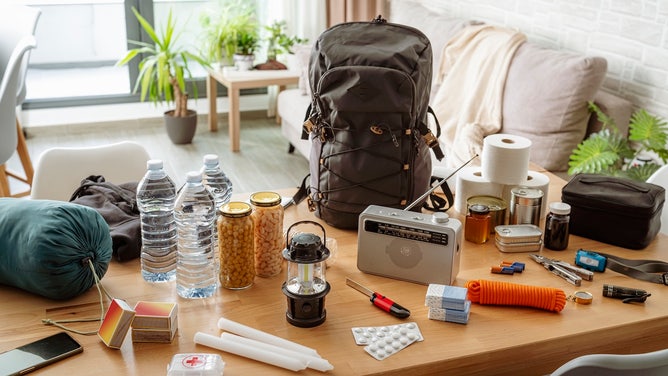
Proper storage and maintenance keep your home survival kit ready at all times. A well-organized kit saves time during emergencies. Regular checks ensure supplies do not expire or get damaged. This section covers key tips to store and maintain your kit effectively.
Organizing Your Kit
Store items in clear containers or labeled boxes. Group supplies by type: food, water, tools, and first aid. Use waterproof bags for sensitive items. Place heavy items at the bottom to avoid damage. Keep the kit in an easy-to-reach, dry location. Make a checklist to track contents. This helps you find items quickly during a crisis.
Regular Updates And Checks
Check your kit every six months. Look for expired food and medicine. Replace used or damaged items immediately. Test batteries and flashlights to ensure they work. Update clothing and gear according to the season. Review your checklist to confirm all items are present. Regular maintenance keeps your survival kit reliable and ready.
Credit: www.vermont211.org
Frequently Asked Questions
What Essentials Should Be In A Survival Kit?
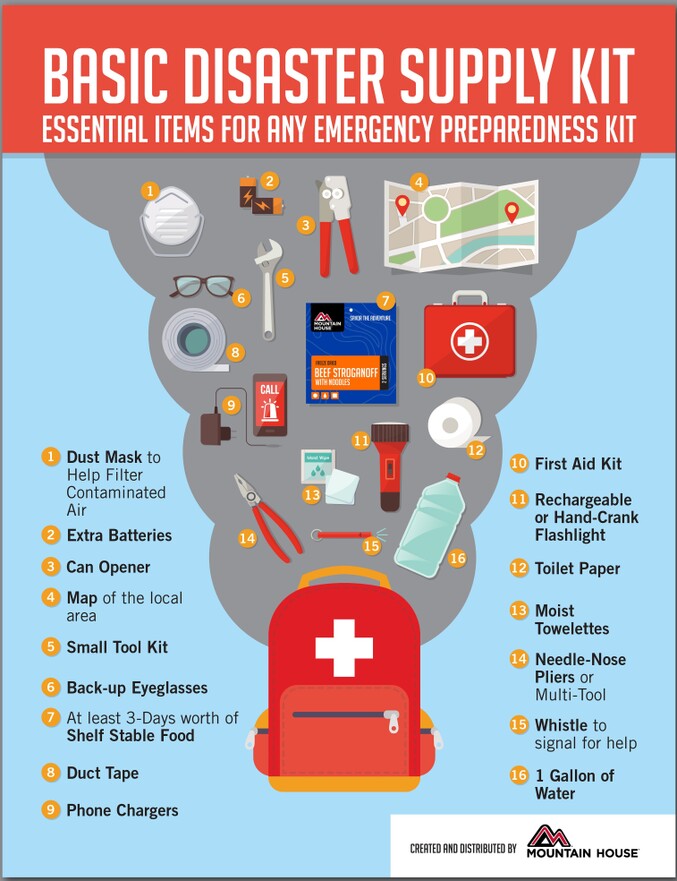
A home survival kit should include water, non-perishable food, a flashlight, batteries, a first aid kit, and a multi-tool. Add important documents, cash, and a whistle. Ensure you have a portable phone charger, blankets, and a change of clothes. These essentials help you stay prepared for emergencies.
How Much Water Should Be In A Survival Kit?
Include at least one gallon of water per person per day. It’s recommended to have a three-day supply for each family member. Water is crucial for hydration, cooking, and sanitation. Store it in sealed containers and check expiration dates regularly to ensure it’s safe for consumption.
Why Is A Flashlight Important In A Survival Kit?
A flashlight is essential for visibility during power outages or emergencies. It helps you navigate safely in the dark. Choose a durable, weather-resistant flashlight with extra batteries. Consider a hand-crank or solar-powered model to ensure functionality when batteries aren’t available.
A reliable flashlight enhances your safety during crises.
Should A Survival Kit Contain Medical Supplies?
Yes, include a first aid kit with bandages, antiseptic wipes, and pain relievers. Add any necessary prescription medications and personal medical items. A well-stocked first aid kit helps treat minor injuries and manage medical needs during emergencies. Regularly update supplies and check expiration dates to ensure readiness.
Conclusion
A home survival kit keeps you ready for emergencies. Include water, food, first aid, and tools. Check your kit often to keep items fresh. Tailor it to your family’s specific needs. Staying prepared brings peace of mind every day. Small steps today protect your loved ones tomorrow.
Start building your kit and stay safe always.