When a hurricane is heading your way, being prepared can make all the difference between safety and chaos. You might think you’re ready, but do you really have everything you need in your survival kit?
Missing just one essential item could leave you vulnerable when power goes out and help is far away. You’ll discover exactly what to pack so you can protect yourself and your loved ones when the storm hits. Keep reading to make sure your hurricane survival kit is complete and ready for anything.

Credit: wholesalesurvivalkits.com
Basic Supplies
Basic supplies form the backbone of any hurricane survival kit. They help you stay safe and comfortable during a storm and its aftermath. These items focus on essential needs like hydration, food, and tools for access. Prepare these supplies in advance to face emergency situations with confidence.
Water And Hydration
Water is the most critical supply. Plan for at least one gallon per person daily. Store enough water for three days or more. Use clean, sealed containers to avoid contamination. Keep extra water for pets if needed. Hydration keeps you healthy and prevents dehydration.
Non-perishable Food
Choose foods that do not spoil easily. Canned goods, dried fruits, nuts, and energy bars are good options. Pick foods that require little or no cooking. High-calorie snacks help maintain energy. Check expiration dates regularly and replace old items.
Manual Can Opener
A manual can opener is essential for accessing canned foods. It does not need batteries or electricity. Keep one in your kit to open cans safely and easily. Avoid relying on electric can openers during power outages.
First Aid Essentials
Having a well-stocked first aid kit is crucial when preparing for a hurricane. Injuries can happen unexpectedly, and access to medical help might be limited. Your kit should cover basic wounds, ongoing health needs, and common ailments to keep you safe and comfortable.
Basic First Aid Kit
Your basic first aid kit should include essential items to treat cuts, scrapes, and minor burns. Pack adhesive bandages in various sizes, sterile gauze pads, and adhesive tape. Don’t forget antiseptic wipes or solution to clean wounds and prevent infection.
Adding tweezers, scissors, and disposable gloves helps you handle injuries safely. A digital thermometer can track fevers, while a first aid manual guides you through emergency steps. Think about items like a cold pack and elastic bandages for sprains and swelling.
Prescription Medications
Do you have prescription medications you take regularly? Make sure to include enough supply for at least a week, as refills might be hard to get during or after a hurricane. Store them in a waterproof container to protect against moisture and flooding.
Label each medication clearly and keep a list of dosages and schedules. If someone in your family uses an inhaler, insulin, or other special medications, prioritize those. This preparation can prevent serious health issues when access to pharmacies is disrupted.
Over-the-counter Medicines
Stocking over-the-counter medicines gives you quick relief for common problems. Pain relievers like ibuprofen or acetaminophen can manage headaches or muscle aches. Antihistamines help with allergic reactions or insect bites, which may increase after a storm.
Include medicines for upset stomachs, such as antacids or anti-diarrheal tablets. Don’t forget electrolyte solutions or oral rehydration salts to prevent dehydration. These small additions make a big difference when medical help is far away.
Tools And Safety Gear
Tools and safety gear are essential for a hurricane survival kit. They help you stay safe and handle emergencies efficiently. Choosing the right items can make a big difference during power outages and dangerous conditions. Prepare tools that are reliable and easy to use.
Flashlights And Batteries
Flashlights provide light during power failures. Choose LED flashlights for bright and long-lasting light. Always keep extra batteries in your kit. Test flashlights regularly to ensure they work well. Avoid using candles to reduce fire risk.
Multi-tool Or Swiss Army Knife
A multi-tool combines several tools in one compact device. It usually includes a knife, screwdriver, can opener, and scissors. This tool helps with repairs, food preparation, and other tasks. Keep it in an easy-to-reach place in your kit.
Whistle For Emergency Signals
A whistle helps you signal for help if trapped or lost. It is loud and uses less energy than shouting. Attach a whistle to your survival kit or wear it on a lanyard. This small tool can save your life in emergencies.

Credit: www.schoolhealth.com
Communication Devices
Communication devices are essential in a hurricane survival kit. They keep you informed and connected during the storm. Power outages can cut off regular communication channels. Having reliable tools ensures you receive updates and can call for help if needed. These devices help maintain safety and reduce panic.
Battery-powered Or Hand-crank Radio
A battery-powered or hand-crank radio is crucial. It provides access to weather alerts and emergency broadcasts. These radios work without electricity, making them reliable during power failures. Hand-crank models do not need batteries. Turn the crank to generate power and listen to important news.
Mobile Phone And Charger
A mobile phone is vital for communication. Keep it fully charged before the hurricane arrives. Include a portable charger or power bank in your kit. This allows you to recharge your phone when power is unavailable. Phones help you contact family, emergency services, and stay updated.
Emergency Contact List
Write down important phone numbers on paper. Include family, friends, neighbors, and emergency services contacts. A printed list is helpful if your phone battery dies or is lost. Store the list in a waterproof bag to protect it from water damage. This ensures you can reach help anytime.
Personal Hygiene Items
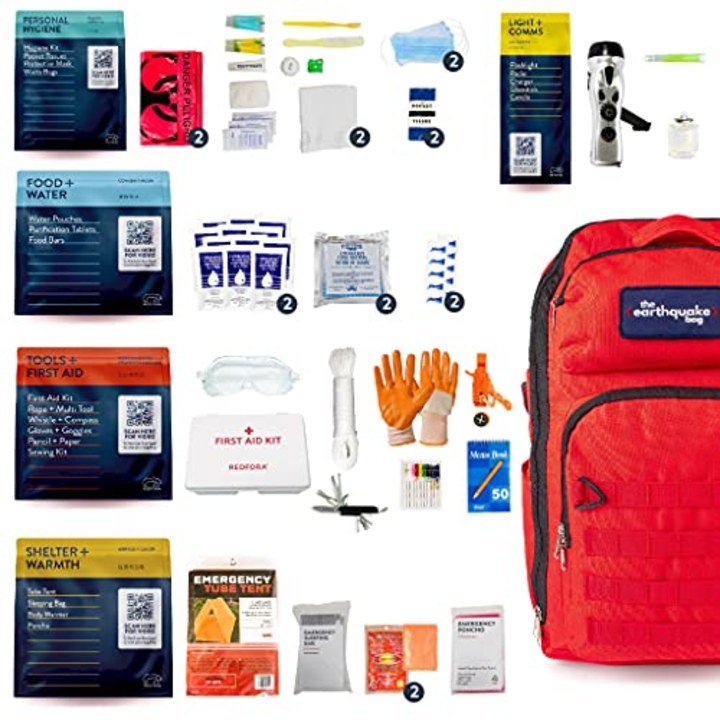
Personal hygiene items are vital for staying clean and healthy during a hurricane. They help prevent sickness and keep you comfortable. These items should be easy to carry and last for several days. Pack enough supplies for everyone in your group.
Sanitizing Wipes
Sanitizing wipes kill germs on your hands and surfaces. They are quick and simple to use without water. Keep a large pack in your kit to clean your hands before eating or after using the restroom. Use them to wipe down door handles, phones, and other common items.
Toiletries And Personal Care
Basic toiletries include soap, toothpaste, and toothbrushes. Add deodorant, combs, and small towels. Choose travel-sized items to save space. Include a bar of soap or liquid soap that works without much water. Keep lip balm and sunscreen for skin protection.
Feminine Hygiene Products
Women need sanitary pads, tampons, or menstrual cups. Pack enough products to last several days. Store them in a waterproof bag to keep dry. Consider adding wipes made for feminine hygiene for extra freshness. These products help maintain comfort and health during the storm.
Credit: www.nbcnews.com
Clothing And Bedding
Preparing your clothing and bedding for a hurricane survival kit is more than just packing essentials—it’s about ensuring comfort and protection during uncertain conditions. These items can make a huge difference when power is out or when you’re sheltering in place for days. Think about what you would need to stay warm, dry, and safe in a storm’s aftermath.
Weather-appropriate Clothing
Choose clothing that fits the climate where you live. Lightweight, breathable fabrics work well in warm, humid areas, while insulated layers are crucial if you face cooler temperatures. Don’t forget rain gear—a waterproof jacket or poncho can keep you dry when flooding or heavy rain hits.
Pack extra socks and underwear to avoid discomfort and skin problems. Have a mix of long and short sleeves ready to adjust as the weather changes. Have you ever been caught outside in wet clothes? It’s miserable and can lead to hypothermia even in mild weather.
Blankets Or Sleeping Bags
Blankets or sleeping bags provide essential warmth and comfort when temperatures drop or when you’re forced to sleep on hard surfaces. Opt for materials that dry quickly and retain heat even if damp. A compact sleeping bag designed for four seasons can be a lifesaver during cold nights.
Consider packing emergency thermal blankets too—they’re lightweight and space-saving but trap body heat effectively. Think about the last time you tried sleeping without enough warmth; it’s not just uncomfortable, it can drain your energy when you need it most.
Sturdy Shoes
Sturdy shoes are vital for protecting your feet from debris, sharp objects, and wet conditions. Choose closed-toe shoes with good traction—boots are ideal if you expect to walk through flooded or rough terrain. Flip-flops or sandals just won’t cut it in emergency situations.
Test your shoes before packing them to ensure they’re comfortable for long wear. Imagine needing to evacuate quickly and realizing your shoes are worn out or don’t fit—this could slow you down and increase injury risk. Your feet deserve reliable protection in a storm.
Important Documents
Important documents are essential in a hurricane survival kit. They help prove identity, claim insurance, and access funds. Keep these documents safe, dry, and easy to find. Store them in a waterproof container or a fireproof safe. Having copies, both physical and digital, is a smart idea. These papers can speed up recovery after a disaster.
Identification And Insurance
- Driver’s license or state ID
- Passports for all family members
- Birth certificates
- Health insurance cards
- Homeowner’s or renter’s insurance policies
- Car insurance papers
These documents prove who you are and protect your property. Keep them updated and easy to access.
Banking And Financial Records
- Bank account numbers
- Credit and debit card details
- Recent bank statements
- Loan documents
- Tax returns
Financial records help manage money and recover losses after a storm. Store copies securely and consider saving digital versions on an encrypted device.
Emergency Contact Information
- Phone numbers of family and friends
- Local emergency services contacts
- Doctor and pharmacy contacts
- Insurance agent phone numbers
- Workplace emergency contacts
Having emergency contacts ready speeds up communication. Keep this list updated and include multiple ways to reach each contact.
Special Needs Considerations
Preparing a hurricane survival kit requires special attention to the unique needs of every family member. Some people need more than just water and food. Infants, elderly, and pets have specific items that help keep them safe and comfortable during an emergency.
These special needs should be part of the kit to ensure everyone’s well-being. Careful planning can make a big difference in stressful times. Here are key items to include for different groups.
Infant And Child Supplies
- Formula or breast milk in ready-to-use containers
- Baby bottles and nipples
- Diapers and wipes
- Baby food jars or pouches
- Pacifiers and small toys for comfort
- Extra clothes and blankets
- Any prescribed medicines or vitamins
- Child-safe sunscreen and insect repellent
Elderly Care Items
- All prescribed medications with a list of dosages
- Hearing aids and extra batteries
- Eyeglasses and contact lens supplies
- Mobility aids like canes or walkers
- Comfortable clothing and non-slip shoes
- Items for personal hygiene
- Emergency contact information and medical history
Pet Supplies
- Food and water for at least three days
- Collar with ID tags and leash
- Medications and vaccination records
- Pet carrier or crate
- Waste bags and cleaning supplies
- Familiar toys and bedding for comfort
- Contact info of nearby pet shelters or vets
Frequently Asked Questions
What Are The Essential Items For A Hurricane Survival Kit?
A hurricane survival kit should include water, non-perishable food, a first aid kit, flashlight, batteries, and important documents. Include hygiene supplies, clothing, and a battery-powered radio. These items help you stay safe and prepared during power outages and emergencies.
How Much Water Is Needed In A Hurricane Kit?
You should store at least one gallon of water per person per day. Prepare for a minimum of three days. Water is crucial for drinking, cooking, and hygiene during a hurricane emergency when supply lines may be disrupted.
Why Include A First Aid Kit In A Hurricane Kit?
A first aid kit is vital for treating minor injuries during a hurricane. It helps manage cuts, burns, and infections when medical help is delayed. Include bandages, antiseptics, pain relievers, and any personal medications.
Should I Have A Battery-powered Radio In My Kit?
Yes, a battery-powered radio keeps you informed when power is out. It provides weather updates, emergency alerts, and important news. Choose one with extra batteries to maintain communication during the storm.
Conclusion
Being ready with a hurricane survival kit saves lives and reduces stress. Essentials like water, food, and first aid keep you safe. Don’t forget important documents and tools for communication. Check your kit often and replace expired items. Preparing now means you stay calm during the storm.
Safety starts with having the right supplies close by. Stay alert and protect yourself and your family. A well-packed kit is your best defense in bad weather. Simple steps today make a big difference tomorrow.