When winter strikes hard, being unprepared can turn a simple outing into a dangerous situation. You might think you’re ready, but do you really know what should be in your winter survival kit?
Having the right gear can make all the difference between staying safe and facing serious risks. You’ll discover exactly what items you need to include to protect yourself and your loved ones from the cold, storms, and unexpected emergencies. Keep reading to find out how to build a winter survival kit that could save your life.

Credit: unchartedsupplyco.com
Essential Clothing
Essential clothing forms the backbone of any winter survival kit. Proper clothing helps maintain body heat and protects against harsh weather. Choosing the right pieces can prevent frostbite and hypothermia. Layering is key to adapting to changing temperatures and activity levels.
Thermal Layers
Thermal layers sit closest to the skin. They trap body heat and wick moisture away. Materials like wool or synthetic fibers work best. Avoid cotton as it holds wetness and chills the body. Thermal tops and bottoms are vital for warmth.
Insulated Outerwear
Insulated outerwear blocks wind and cold air. Jackets and pants filled with down or synthetic insulation provide extra warmth. Look for lightweight but warm options. Outerwear should fit comfortably over thermal layers without restricting movement.
Waterproof Footwear
Waterproof footwear keeps feet dry and warm. Boots with waterproof membranes stop snow and water from entering. Insulated boots add an extra layer of warmth. Good traction on soles prevents slips on ice and snow.

Credit: survivalschool.enduresurvivalkits.com
Emergency Shelter
An emergency shelter is a vital part of any winter survival kit. It protects you from harsh weather and keeps you warm. Staying dry and shielding yourself from wind can prevent dangerous conditions like hypothermia. A good shelter can save your life during cold nights or storms. Choose shelter options that are easy to carry and set up quickly in any environment.
Portable Tents
Portable tents offer reliable protection and comfort. They shield you from wind, snow, and rain. Most tents are lightweight and compact, fitting easily in a backpack. Look for tents with durable materials that resist cold and moisture. Quick assembly saves time in emergencies. Some tents come with insulated layers to keep heat inside.
Sleeping Bags
Sleeping bags provide essential warmth and insulation. They trap your body heat, creating a cozy space to rest. Choose sleeping bags rated for low temperatures. Mummy-shaped bags reduce heat loss and block cold air. Compact and lightweight sleeping bags are perfect for winter survival kits. Pair a sleeping bag with your shelter for the best protection.
Space Blankets
Space blankets are thin, reflective sheets that retain body heat. They are small and light, easy to carry anywhere. Space blankets reflect up to 90% of body heat back to you. Use them inside tents or sleeping bags for extra warmth. They can also serve as a quick shelter or ground cover. Space blankets are a simple, effective tool in cold conditions.
Fire Starting Tools
Fire starting tools are essential for any winter survival kit. They give you warmth, a way to cook food, and a signal for help. Without reliable fire starters, staying safe and comfortable in cold conditions becomes much harder.
Choosing the right tools means thinking about durability, ease of use, and weather resistance. Imagine being stuck in a snowstorm with damp matches—frustrating and dangerous. Let’s look at some practical options that you can trust.
Waterproof Matches
Waterproof matches can save you when everything else is wet. These matches come with a special coating or are sealed in waterproof containers to keep them dry. You can strike them even after being soaked, which means you won’t waste precious time trying to dry your fire tools.
Keep a small box of these in your kit. They are lightweight and easy to carry, but don’t rely on just one method for starting fire. Have backups ready.
Fire Starters
Fire starters come in many forms like wax-coated cotton balls, fire sticks, or tinder cubes. They catch flame quickly and burn long enough to ignite larger wood or kindling.
I once used a simple cotton ball dipped in petroleum jelly during a winter hike. It lit almost instantly and gave me enough heat to start a campfire. You can make these yourself or buy them in survival stores.
- Waxed cotton balls or pads
- Tinder sticks or fire planks
- Compressed sawdust or wood shavings
Lighters
Lighters are a classic fire tool for a reason—they’re fast and easy to use. But not all lighters survive freezing temperatures or strong winds. Look for windproof or stormproof lighters designed for outdoor use.
Keep extra fuel if your lighter allows refilling. Also, consider carrying a small butane lighter and a ferro rod as a backup. Having multiple ways to create sparks increases your chances of success.
Food And Water Supplies
Food and water are essential in a winter survival kit. They provide energy and hydration needed to stay warm and alert. Preparing the right supplies prevents hunger and dehydration in cold conditions. Focus on items that last long and are easy to carry.
Non-perishable Foods
Choose foods that do not spoil quickly. Canned goods, dried fruits, and nuts are great options. They store well and offer nutrients for energy. Freeze-dried meals are lightweight and easy to prepare with hot water. Avoid foods that need refrigeration or have a short shelf life.
Water Purification Methods
Safe drinking water is critical in winter survival. Carry water purification tablets or drops to kill germs. Portable water filters remove dirt and bacteria from natural sources. Boiling water is a simple way to purify if you have fuel. Always have backup options to ensure clean water.
Energy Bars
Energy bars are compact and full of calories. They provide quick fuel during physical activity. Look for bars with a balance of carbs, protein, and fats. Choose varieties with minimal sugar and artificial ingredients. Keep several bars handy for easy access during emergencies.
Navigation And Communication
Navigation and communication tools are essential components of any winter survival kit. In harsh conditions, knowing where you are and being able to signal for help can save your life. These tools ensure you stay on track and connected, even when the environment turns against you.
Maps And Compass
A reliable map and compass are your best friends when technology fails. Unlike batteries, they don’t run out of power. Learning to read a topographic map and use a compass can guide you through snowy forests or frozen trails with confidence.
Have you ever tried finding your way without digital help? It’s easy to get disoriented in winter’s whiteout conditions. Carrying a waterproof map case protects your maps from snow and moisture, keeping this traditional navigation method ready when you need it.
Gps Devices
GPS devices offer precise location tracking and route planning, which can be lifesaving in winter emergencies. Many models now come with built-in weather alerts and long battery life designed for cold climates. However, always carry extra batteries or a portable charger because cold drains power fast.
Remember, GPS can fail due to signal loss or hardware issues. Don’t rely solely on it; use it alongside your map and compass. Have you checked if your GPS device works well after being exposed to freezing temperatures?
Emergency Whistles
An emergency whistle is a simple yet powerful communication tool. It can carry your distress signal much farther than shouting, especially when thick snow muffles sound. Make sure your whistle produces a loud, clear tone that can be heard over wind and other winter noises.
Keep your whistle attached to your survival kit or clothing for quick access. Have you practiced using it to signal for help? A few sharp blasts every minute is the internationally recognized distress call, and knowing this could make all the difference.
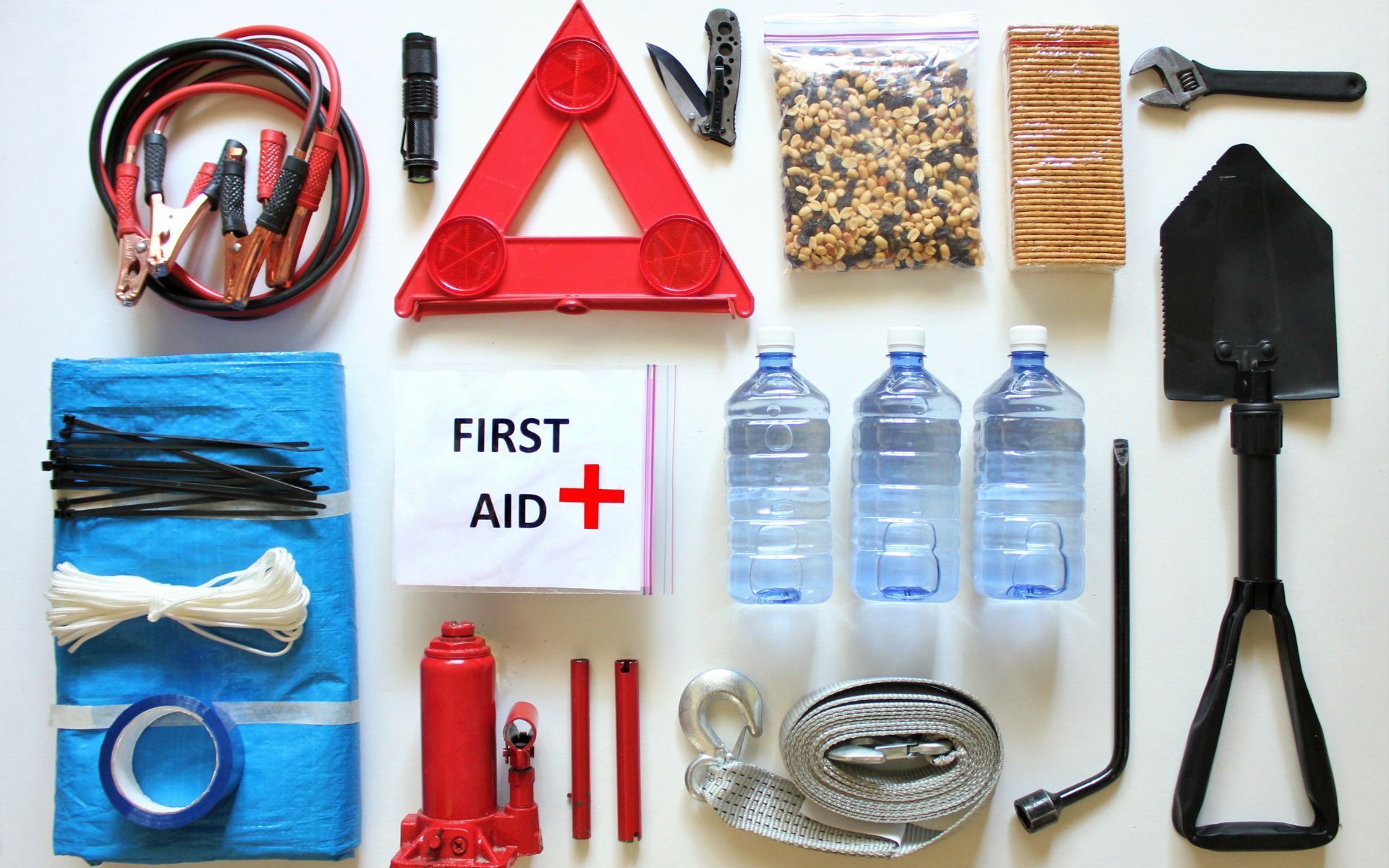
Credit: www.dilawri.ca
First Aid Kit
A First Aid Kit is essential in a winter survival kit. It helps treat injuries and manage health issues in cold conditions. Being prepared can prevent minor problems from becoming serious. A well-stocked kit supports safety and comfort during winter emergencies.
Basic Medical Supplies
- Adhesive bandages in various sizes
- Sterile gauze pads and medical tape
- Antiseptic wipes and antibiotic ointment
- Elastic bandages for sprains
- Scissors and tweezers
- Thermometer for checking fever
- Disposable gloves to avoid infection
Prescription Medications
Include any personal prescription medications. Keep them in a waterproof container. Bring extra doses to last longer than expected. Label medicines clearly to avoid confusion. Store them in a temperature-safe place to maintain effectiveness.
Pain Relief
- Over-the-counter painkillers like ibuprofen or acetaminophen
- Anti-inflammatory drugs for swelling and discomfort
- Cold packs to reduce pain from injuries
- Heat packs to soothe muscle aches
Lighting And Signals
Lighting and signals are vital components of any winter survival kit. They not only help you see in the dark but also allow you to communicate your location to rescuers. Without reliable light sources and signaling tools, you risk losing your way or missing rescue opportunities during harsh winter conditions.
Flashlights
A dependable flashlight is a must-have in your winter survival kit. Choose one that is compact, waterproof, and has a long battery life. LED flashlights are ideal since they offer bright light without draining batteries quickly.
Keep extra batteries stored in a waterproof container to avoid failure when you need the light most. Have you ever experienced the frustration of a dead flashlight in freezing weather? Don’t let that happen to you.
Signal Mirrors
Signal mirrors are surprisingly effective for attracting attention over long distances. They reflect sunlight to create a bright flash visible miles away on clear days. This simple tool can be a lifesaver when you need to alert search parties or passing aircraft.
Practice aiming your mirror before an emergency. Knowing how to use it properly can make the difference between being found quickly or remaining lost in the wilderness.
Glow Sticks
Glow sticks add a reliable, hands-free light source that works well in extreme cold. Unlike batteries, chemical light doesn’t die quickly in freezing temperatures. They provide steady illumination and can be used to mark trails or signal at night.
Keep a few glow sticks in your kit for emergencies. How would you mark your location if your flashlight fails during a winter night?
Tools And Equipment
Tools and equipment are essential for surviving harsh winter conditions. They help with building shelter, starting fires, and handling emergencies. Having the right gear can make cold, snowy days safer and easier to manage.
Multi-tools
Multi-tools combine many useful devices into one compact tool. They usually include knives, screwdrivers, and pliers. These tools save space and weight in your kit. They help with cutting, fixing gear, and preparing food. Choose a durable multi-tool with stainless steel parts.
Rope And Cordage
Strong rope or cord is vital for many winter tasks. You can use it to build shelters or secure items. It helps in rescue situations and makes carrying gear easier. Paracord is a popular choice because it is light and strong. Keep at least 15 to 30 feet in your kit.
Snow Shovel
A snow shovel is important for digging out a shelter or clearing paths. It helps create a safe space around your camp or vehicle. A compact, foldable shovel fits easily in your pack. Look for one with a strong handle and sharp blade to move snow quickly.
Frequently Asked Questions
What Essential Items Are In A Winter Survival Kit?
A winter survival kit includes warm clothing, thermal blankets, food, water, and a first-aid kit. It also contains a flashlight, matches, and a multi-tool for emergencies.
How Does A Winter Survival Kit Help In Emergencies?
It provides warmth, hydration, and basic medical supplies. These items prevent hypothermia, dehydration, and injuries during cold weather crises.
Where Should You Store A Winter Survival Kit?
Store it in your car, home, or workplace. Ensure it is easily accessible during winter emergencies or unexpected weather events.
How Often Should You Check Your Winter Survival Kit?
Check your kit at least twice a year. Replace expired food, batteries, and medical supplies to keep it ready.
Conclusion
A winter survival kit keeps you safe in cold weather. It has food, water, and warm clothes. These items help you stay warm and healthy. Preparing your kit before winter is very important. You never know when you might need it.
Stay ready, stay safe, and face winter with confidence. Simple steps can make a big difference. Don’t forget to check your kit often. Keep it updated and easy to carry. Winter can be tough, but you can be tougher.