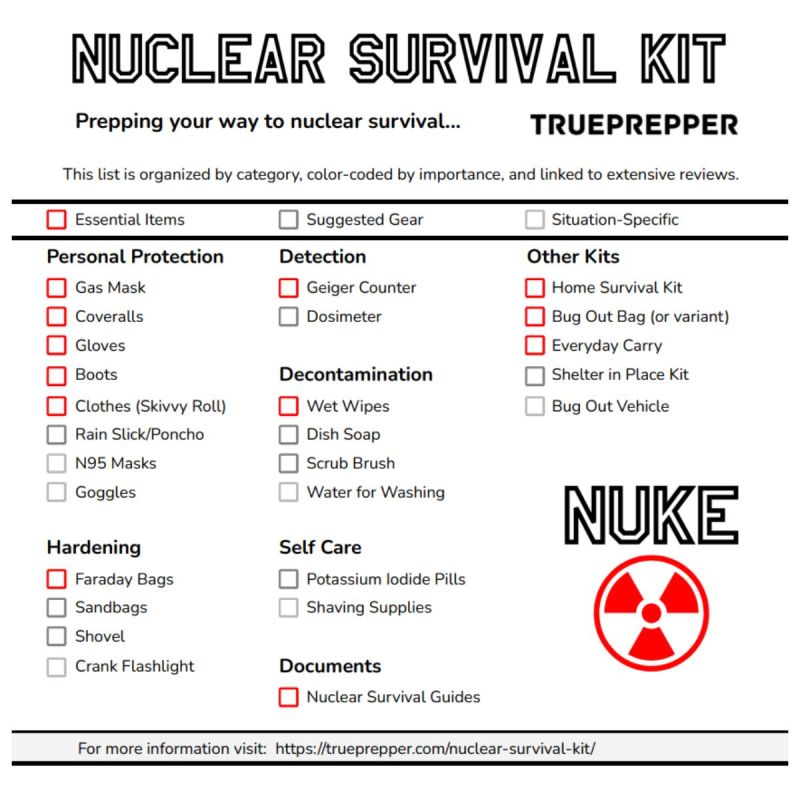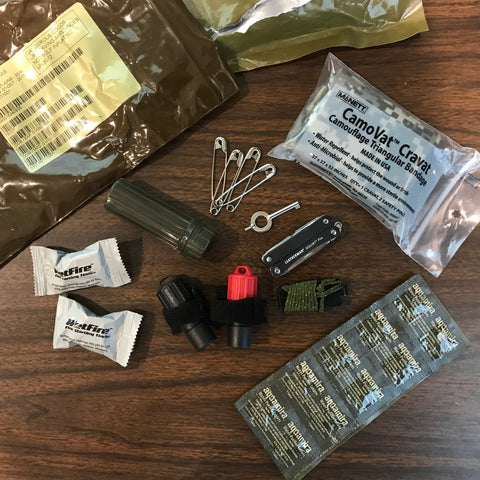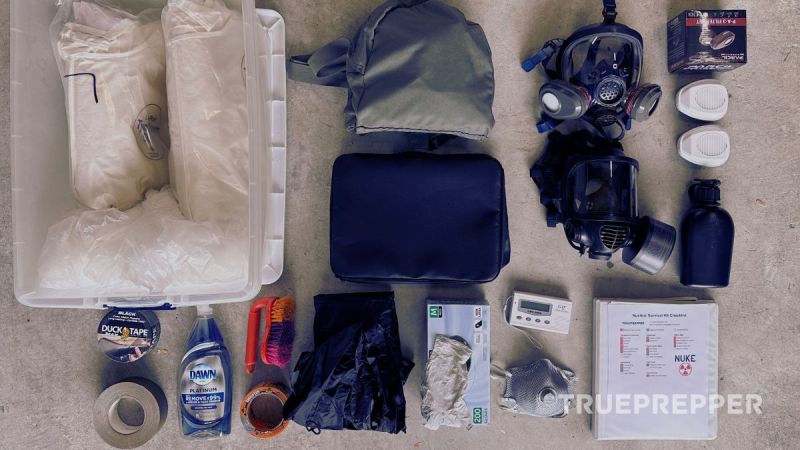
When disaster strikes, being prepared can save your life. A nuclear event might sound extreme, but knowing what to put in a nuclear survival kit could make all the difference for you and your loved ones.
You don’t want to be caught off guard or scrambling for supplies when every second counts. This guide will walk you through the essential items you need to stay safe, healthy, and ready to face the unexpected. Keep reading—your survival depends on it.
Emergency Food Supplies
Emergency food supplies are vital in a nuclear survival kit. Food keeps energy up and helps maintain health during stressful times. Choose foods that last long and provide enough calories. Focus on options that need little or no cooking. Pack a mix of foods to cover all basic nutritional needs. Proper food selection can improve your chances of survival.
Non-perishable Foods
- Canned beans, vegetables, and meats
- Dried rice and pasta
- Powdered milk
- Freeze-dried fruits and vegetables
- Dehydrated soups and stews
- Hard grains like oats and barley
These foods stay safe for long periods. No refrigeration needed. Easy to store and carry.
High-calorie Options
- Peanut butter
- Energy bars
- Mixed nuts and seeds
- Chocolate and candy
- Granola and trail mix
- Instant oatmeal packets
Calories fuel the body during stress. Choose foods dense in energy. Helps maintain strength and focus.
Portable Snacks
- Beef jerky
- Protein bars
- Crackers and biscuits
- Dried fruits
- Nut butter packets
Easy to carry and eat anywhere. Great for quick energy. No utensils or cooking needed.

Credit: ukpreppingshop.co.uk
Water And Hydration
Water is vital for survival after a nuclear event. It keeps the body hydrated and helps flush out toxins. Access to clean water becomes limited quickly. Preparing the right supplies ensures you have enough safe water to drink. Focus on storage, purification, and easy access to water.
Water Storage Solutions
Store water in durable, food-grade containers. Use large water jugs or barrels for bulk storage. Smaller bottles work well for portability. Keep water containers sealed tightly to avoid contamination. Store water in a cool, dark place to maintain freshness. Rotate stored water every six months for safety.
Purification Tablets
Purification tablets kill bacteria, viruses, and parasites in water. They are lightweight and easy to carry. Follow package instructions for correct usage. Tablets work well with water from unknown sources. Keep extra tablets in your kit for emergencies. They provide peace of mind when clean water is scarce.
Hydration Packs
Hydration packs are convenient for hands-free drinking. They hold water in a flexible bladder inside a backpack. Use them for mobility and quick access to water. Hydration packs reduce the need to carry bottles. Choose packs with durable, leak-proof materials. Clean and refill regularly to avoid bacteria growth.
Shelter And Warmth
In a nuclear survival situation, shelter and warmth are not just comforts—they are essentials that can mean the difference between life and death. Radiation, fallout, and harsh weather conditions require you to create a safe, insulated space quickly. Your survival kit should prioritize items that protect you from the elements while also being easy to carry and set up.
Portable Tents
Portable tents provide a reliable barrier against wind, rain, and radioactive dust. Look for tents made of durable, waterproof materials with a compact, lightweight design that you can carry easily. Some models come with reflective coatings that help block radiation and retain heat, giving you an extra layer of protection.
Think about how quickly you can set it up in a stressful situation. A tent that takes minutes to assemble can save you valuable time and energy.
Thermal Blankets
Thermal blankets are small but powerful tools for retaining body heat. Made from reflective materials, they trap your body heat and prevent hypothermia even in freezing temperatures. These blankets are lightweight and take up minimal space, making them a must-have in your kit.
Have you ever felt how quickly your body temperature drops in cold conditions? Carrying a thermal blanket could keep you warm when you have no other options.
Sleeping Bags
A good sleeping bag designed for extreme conditions can be your best friend in a nuclear fallout scenario. Choose one rated for low temperatures, with insulation that doesn’t lose effectiveness when wet. Compact and easy to pack sleeping bags let you rest securely, helping your body recover and stay strong.
Consider how crucial sleep is for your mental and physical endurance. Without proper rest, your ability to think clearly and stay alert diminishes rapidly.

Credit: trueprepper.com
Radiation Protection
Radiation protection is a crucial part of any nuclear survival kit. It helps minimize your exposure to harmful radioactive particles and reduces health risks. Without proper protection, even short exposure can cause serious damage.
Protective Clothing
Protective clothing acts as a barrier against radioactive dust and particles. Look for suits made of materials like Tyvek or other specialized fabrics designed to block radiation. Include gloves, boots, and a full-body suit to cover every inch of skin.
Remember, standard clothes won’t shield you effectively. Even a small tear can let radioactive particles through, so inspect your gear regularly. Having a spare set is a smart idea too, especially if you need to change after contamination.
Radiation Meters
A radiation meter, or Geiger counter, lets you measure the level of radiation in your surroundings. This device helps you decide when it’s safe to move or when to seek shelter. Without it, you’re basically guessing your exposure, which is risky.
Choose a meter that’s easy to use and provides clear readings. Some models come with audio alerts for dangerous radiation levels, which can be a lifesaver when you’re focused on other tasks. Have fresh batteries and test it regularly to ensure it works when you need it most.
Potassium Iodide Tablets
Potassium iodide (KI) tablets protect your thyroid gland from radioactive iodine, a dangerous byproduct of nuclear fallout. Taking these tablets can prevent thyroid cancer and other related illnesses. However, they don’t protect you from other types of radiation.
Keep these tablets in your kit with clear instructions for dosage and timing. Taking KI too early or too late reduces its effectiveness, so timing is critical. Consult a healthcare professional to understand how and when to use them properly.
First Aid And Medical Supplies
Having the right first aid and medical supplies in your nuclear survival kit can make a life-saving difference. Emergencies often come with injuries and health issues that need immediate attention. Preparing ahead means you won’t be scrambling for essentials when every second counts.
Basic First Aid Kit
A well-stocked first aid kit is the foundation of your medical supplies. Include items like adhesive bandages, sterile gauze pads, antiseptic wipes, and medical tape. Don’t forget scissors, tweezers, and disposable gloves to handle wounds safely.
Think about adding pain relievers such as ibuprofen or acetaminophen, and antihistamines for allergic reactions. A CPR mask can be a critical tool if you need to assist someone with breathing difficulties. Would you be ready if you had to treat a cut or burn right now?
Prescription Medications
Never overlook your personal prescription medications. You need an adequate supply of your daily medications stored safely in your kit. Remember to include medications for chronic conditions like asthma inhalers, heart medications, or insulin for diabetes.
Consider also packing extras like antibiotics or anti-nausea drugs if you have them prescribed. Keep a list of all medications with dosages and instructions. How would you manage without access to your essential meds in a crisis?
Medical Reference Guide
A compact medical reference guide can be a vital resource when professional help is unavailable. Choose one that covers basic first aid procedures, wound care, and handling radiation exposure symptoms. It helps you stay calm and follow correct steps during stressful moments.
Look for guides with clear illustrations and simple language. Having this knowledge at your fingertips can increase your confidence and ability to care for yourself and others. Are you equipped to make quick medical decisions under pressure?
Communication And Information
Staying connected during a nuclear emergency is vital. Communication tools help you get updates and reach loved ones. Reliable sources of information reduce panic and guide your actions.
Prepare devices that work without regular power. Choose tools that are simple to use under stress. Include items that alert others to your location.
Two-way Radios
Two-way radios allow direct voice communication. They work without cell towers or internet. Carry radios with long battery life and clear range. Keep extra batteries or rechargeable packs ready. Walkie-talkies are good for short distances. Ham radios cover wider areas and emergencies.
Solar-powered Chargers
Solar chargers keep your devices powered anywhere. They use sunlight to recharge batteries. Perfect for long-term emergencies without electricity. Compact models fit easily in survival kits. Choose chargers with multiple USB ports. Check their charging speed and durability.
Emergency Whistles
Emergency whistles are simple but effective tools. Use them to signal for help in noisy places. Loud whistles can be heard from far away. They do not need batteries or fuel. Attach whistles to your kit for quick access. Practice different whistle signals with your group.
Tools And Equipment
Your nuclear survival kit’s effectiveness depends heavily on the tools and equipment you include. These items aren’t just extras—they’re essentials that can make a real difference when you need to adapt quickly. Choosing the right tools means you’ll be prepared to handle various situations, from simple repairs to digging shelter.
Multi-tools
A good multi-tool is like having a mini toolbox in your pocket. It combines pliers, knives, screwdrivers, and more into one compact device. You can fix gear, open cans, or even build makeshift shelters with it.
Think about the last time you needed something small but important and didn’t have the right tool. A multi-tool solves that problem instantly. Look for one with sturdy construction and multiple functions, so you’re ready for anything.
Duct Tape
Duct tape is often underrated, but it’s one of the most versatile items you can carry. You can patch torn clothing, seal containers, or even create temporary bandages if needed. It’s lightweight and easy to pack, yet incredibly strong.
Imagine being in a situation where your gear is damaged. Without duct tape, a small rip might turn into a big problem. Carrying a roll ensures you can make quick repairs on the spot, saving you time and trouble.
Portable Shovels
Compact, foldable shovels are essential for digging shelters, latrines, or clearing debris. They’re small enough to carry but tough enough to handle hard soil. Having a reliable shovel can improve your chances of staying safe and comfortable.
Have you ever tried digging with just your hands? It’s exhausting and slow. A portable shovel speeds up the process and reduces physical strain, letting you focus on other survival tasks.
Lighting And Power
Lighting and power are crucial elements in a nuclear survival kit. Without reliable light sources, navigating dark or damaged environments becomes risky. You also need dependable power options to keep essential devices running when the grid fails.
Flashlights
Flashlights are a must-have for any survival kit. Choose models that are durable, waterproof, and easy to operate with one hand. LED flashlights offer bright light and long battery life, making them ideal for extended use.
Think about the weight and size too—compact flashlights fit easily in pockets or bags, so you’re ready to move quickly if needed. Have you ever struggled with a flashlight that dies just when you need it most? Avoid that by testing your flashlights regularly.
Portable Lanterns
Portable lanterns provide a broader light source, perfect for illuminating larger areas like tents or rooms. Battery-powered or rechargeable lanterns are best, as they don’t rely on open flames, which can be hazardous.
Look for lanterns with adjustable brightness settings to conserve power. When you’re in a dark shelter, a good lantern can make tasks easier and boost morale—something simple but powerful when times get tough.
Extra Batteries
Extra batteries are the lifeline of your lighting and power tools. Stock up on the specific types your devices need, and store them in a cool, dry place to extend their shelf life.
Keep batteries organized and labeled by expiration date so you use the oldest ones first. Have you considered how many batteries you might realistically use in a week or two? It’s better to have more than less, especially when resupply isn’t an option.
Personal Hygiene Items
Personal hygiene items are vital in a nuclear survival kit. Staying clean helps prevent illness and keeps morale high. Good hygiene reduces the risk of infections in harsh conditions. Pack items that are compact and easy to use without much water.
Sanitation Supplies
- Disposable gloves to avoid contamination
- Portable toilet or waste bags for safe disposal
- Hand sanitizer with at least 60% alcohol
- Sealable plastic bags to store used items
- Small shovel or trowel for digging latrines
Toiletries
- Travel-sized toothbrush and toothpaste
- Bar soap or liquid soap in a leak-proof container
- Feminine hygiene products if needed
- Razor and shaving cream for grooming
- Comb or small brush for hair care
Wet Wipes
- Alcohol-based wipes for quick cleaning
- Unscented baby wipes for sensitive skin
- Biodegradable wipes to reduce waste
- Use for hands, face, and body cleaning
- Keep sealed to maintain moisture

Credit: trueprepper.com
Important Documents
Important documents are essential in a nuclear survival kit. They help prove your identity and access vital services. These papers can speed up aid and support during emergencies. Keep them safe and easy to reach. Use waterproof and fireproof containers for storage. Having digital copies on a secure USB drive is smart too.
Identification Papers
Carry your passport, driver’s license, and birth certificate. These prove who you are. Include any national ID cards or social security documents. These papers help you cross borders or get emergency help. Keep them updated and in good condition.
Medical Records
Medical history is important for treatment during a crisis. Pack records of allergies, medications, and past illnesses. Include vaccination records and prescriptions. This information helps doctors provide the right care quickly. Use copies, not originals, to keep the originals safe.
Emergency Contacts
List phone numbers and addresses of family, friends, and doctors. Include local emergency services and shelters. Make sure the list is clear and easy to read. Update contacts regularly to avoid outdated information. This list helps you stay connected and get support fast.
Clothing And Footwear
Choosing the right clothing and footwear is vital for survival after a nuclear event. It protects your body from radiation, harsh weather, and rough terrain. Durable and practical items help you stay safe and mobile.
Sturdy Footwear
Strong shoes prevent injuries on uneven ground. Boots with thick soles protect against sharp objects and debris. Waterproof and insulated boots keep feet dry and warm. Avoid sneakers or sandals that offer little protection.
Weather-appropriate Clothing
Choose clothes suitable for your climate. Layering helps adjust to changing temperatures. Use moisture-wicking fabrics to stay dry. Avoid cotton; it traps moisture and chills the body. Pack thermal underwear for cold environments.
Protective Gear
Include items that shield from radiation and dust. A sturdy hat blocks sun and debris. Gloves protect hands from cuts and contamination. Consider a heavy-duty outer layer, like a raincoat or coveralls, for added protection.
Frequently Asked Questions
What Are Essential Items In A Nuclear Survival Kit?
A nuclear survival kit must include water, non-perishable food, a first aid kit, a flashlight, and a radiation detector. These items help sustain life and monitor radiation exposure after a nuclear event.
How Much Water Should A Nuclear Survival Kit Have?
Your kit should contain at least one gallon of water per person per day. Store enough for at least three days to stay hydrated during emergencies.
Why Include A Radiation Detector In The Kit?
A radiation detector helps identify dangerous radiation levels. It ensures you avoid contaminated areas and stay safe during nuclear fallout.
What Food Types Are Best For Nuclear Survival Kits?
Choose non-perishable, high-calorie foods like canned goods, energy bars, and dried fruits. These provide long-lasting nutrition without refrigeration.
Conclusion
A good nuclear survival kit can save your life. Pack water, food, and a first aid kit. Don’t forget a flashlight and batteries. Include a radio to get important news. Keep protective clothing and a mask ready. Plan and check your kit often.
Stay calm and be prepared. Small steps make a big difference in emergencies. Safety starts with what you carry.