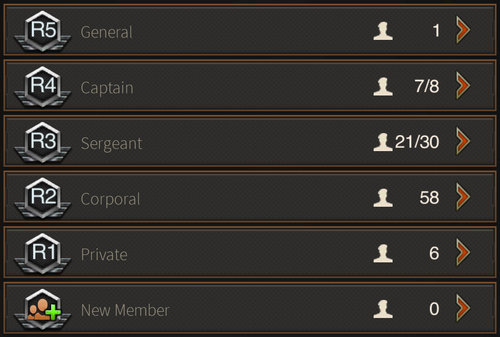
Are you curious about what R1, R2, and R3 mean in Last Shelter Survival? Understanding these terms can change the way you play the game and boost your chances of winning.
Whether you’re new or have been playing for a while, knowing the difference between R1, R2, and R3 can give you an edge. You’ll discover exactly what these ranks stand for and how they impact your strategy. Keep reading to unlock secrets that can help you survive and thrive in Last Shelter Survival.

Credit: lss.fandom.com
R1 Role And Features
The R1 role in Last Shelter Survival is crucial for players aiming to build a strong foundation in the game. Understanding its features can give you an edge in both defense and resource management. This section breaks down what makes R1 a key player in your survival strategy.
Basic Abilities
R1 units specialize in quick resource gathering and basic combat skills. They can collect materials like wood and food faster than other units. This speed helps you maintain a steady flow of resources without draining your more valuable troops.
Besides gathering, R1 units have decent defense capabilities, making them reliable for early skirmishes. You can rely on them to hold ground until reinforcements arrive. Their versatility means you don’t have to worry about switching units constantly.
Strategic Importance
Think about your base’s survival without a reliable R1 unit. You’d struggle to gather resources efficiently while also defending against attacks. R1 acts as the backbone in the early and mid-game, allowing you to focus on upgrading and expanding.
Using R1 units smartly can free up your higher-tier troops for critical missions. For example, sending R1 units on scavenging runs keeps your elite fighters ready for major battles. This approach saves time and resources, making your overall gameplay smoother and more effective.

Credit: lss.fandom.com
R2 Role And Features
The R2 in Last Shelter Survival plays a vital role in combat and strategy. This role focuses on strong defense and support, helping your team survive tough battles. R2 units balance attack and protection with useful abilities.
Understanding R2’s features helps players use them effectively in different situations. Their skills often include damage reduction, healing, and crowd control. These qualities make R2 a reliable choice for many combat scenarios.
Core Strengths
- High defense and durability on the battlefield
- Abilities that reduce incoming damage for allies
- Healing skills to restore team health
- Crowd control to slow or stun enemies
- Good balance between offense and defense
Best Usage Scenarios
- Defending your base against strong attacks
- Supporting frontline units in team fights
- Handling large groups of enemies with crowd control
- Protecting weaker or ranged units during battles
- Engaging in long battles where endurance is key
R3 Role And Features
The R3 role in Last Shelter Survival offers a balanced mix of offense and defense. It plays a key part in both attacking and protecting your base. Understanding R3’s features helps players use it effectively during battles.
Unique Traits
- Strong defense against infantry and ranged attacks
- Moderate speed, allowing quick repositioning on the battlefield
- High durability with good health points
- Special skills that boost troop resilience and counter enemy damage
- Effective in mixed troop formations for versatile combat support
Optimal Deployment
Place R3 units at the front lines to absorb damage. Their durability protects weaker troops behind them.
Use R3 in combination with fast units to cover both offense and defense. This balance helps control the battle flow.
Deploy R3 near strategic points to hold ground against enemy advances. Their defensive skills make them reliable in tough fights.

Credit: www.reddit.com
Comparing R1, R2, And R3
Comparing R1, R2, and R3 in Last Shelter Survival helps players understand their unique roles. Each unit type has specific strengths and weaknesses that affect gameplay. Choosing the right combination can improve your chances in battles and resource gathering.
Strengths And Weaknesses
- R1: Strong defense and high health. Slow movement limits quick attacks.
- R2: Balanced speed and attack power. Vulnerable to heavy damage units.
- R3: Fast and high attack. Low defense makes them fragile in fights.
Understanding these traits helps in planning better strategies. R1 units absorb damage, R2 units support, and R3 units strike fast.
Synergies And Combos
- Use R1 to shield weaker R3 units during attacks.
- Combine R2 with R3 for quick, powerful assaults.
- R1 can hold the line while R2 and R3 flank enemies.
Mixing these units balances offense and defense. Teamwork between R1, R2, and R3 creates stronger forces. Smart combos lead to winning battles and better survival.
Tips For Last Shelter Survival
Playing Last Shelter Survival demands smart strategies. Winning depends on smart choices and strong teamwork. Here are key tips to improve your gameplay. Focus on managing resources, building a team, and using smart battle tactics.
Resource Management
Resources are the lifeblood of your shelter. Collect wood, food, and metal regularly. Spend resources carefully to avoid shortages. Upgrade resource buildings to increase production. Store extra supplies for emergencies. Avoid wasting resources on unnecessary upgrades or units. Keep track of your resource levels to plan better.
Team Building
Strong alliances boost your chances of survival. Join an active team to share resources and help each other. Communicate often with team members for better coordination. Assign roles based on each player’s strengths. Support teammates in battles and resource gathering. Teamwork makes defense and attacks more effective.
Battle Tactics
Choose your battles wisely. Scout enemy bases before attacking. Use a mix of units to counter different enemy types. Protect your shelter with strong defenses and traps. Focus on upgrading troops and weapons. Avoid fighting stronger players alone. Work with your team to launch coordinated attacks.
Frequently Asked Questions
What Does R1, R2, R3 Mean In Last Shelter Survival?
R1, R2, and R3 refer to different resource zones in Last Shelter Survival. Each zone offers varied loot and difficulty levels. Players use these zones to gather resources strategically for base development and troop upgrades.
How To Effectively Farm R1, R2, And R3 Zones?
To farm R1, R2, and R3 zones effectively, focus on your troop strength and scouting. R1 zones are easier, while R3 zones have tougher enemies but better rewards. Use appropriate troops and keep your commanders upgraded for efficient farming.
Why Are R3 Zones Important In Last Shelter Survival?
R3 zones contain rare and valuable resources critical for advanced upgrades. They offer high rewards but have stronger enemies. Securing R3 zones gives players a competitive edge in building powerful bases and troops.
Can New Players Access R2 And R3 Zones Early?
New players usually start with R1 zones and unlock R2 and R3 as they progress. Advancing your city level and upgrading troops unlocks access to tougher zones. This ensures balanced gameplay and gradual challenge increase.
Conclusion
R1, R2, and R3 in Last Shelter Survival help players grow and defend. Each rank brings new skills and stronger troops. Understanding these ranks makes the game easier and more fun. Focus on upgrading step by step. Keep building your shelter and army carefully.
This way, you can face challenges with confidence. Enjoy the game and watch your shelter thrive.


