Have you ever wondered what could keep you safe when unexpected situations arise? Your best personal survival kit might be the difference between feeling helpless and staying in control.
Imagine having just the right tools at your fingertips—light, compact, and reliable—ready to help you face emergencies with confidence. You’ll discover exactly what makes a survival kit truly effective and how to choose or build one tailored just for you.
Keep reading, because being prepared starts with knowing what belongs in your kit.

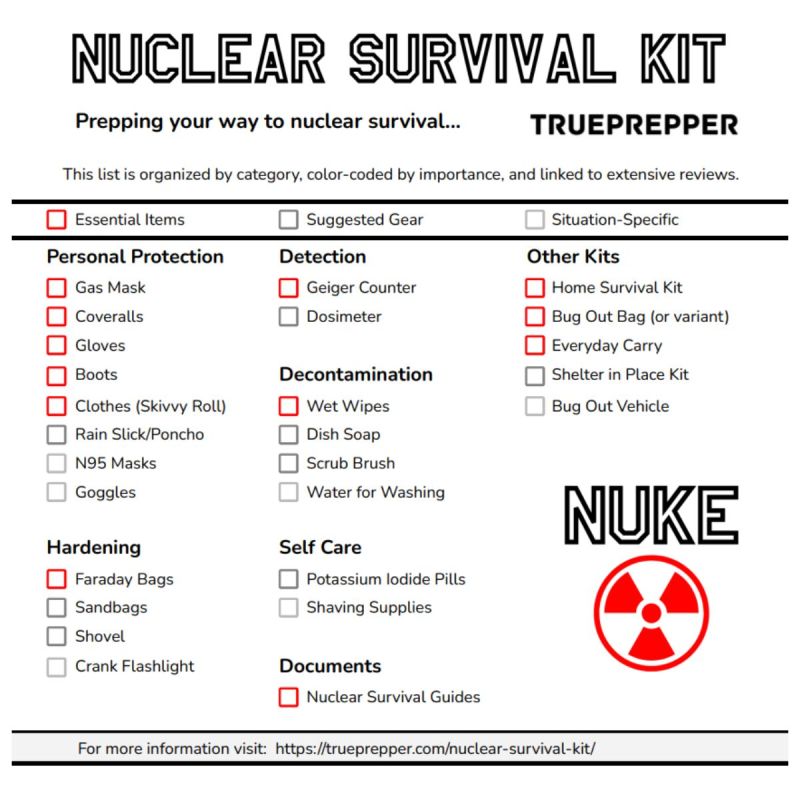
Credit: trueprepper.com
Essentials For Every Kit
Building your personal survival kit starts with picking the right essentials. These items should cover your basic needs and be compact enough to carry easily. Think about what you absolutely cannot do without when you’re in an emergency.
Water And Hydration Solutions
Water is your top priority. Without it, survival becomes a race against time. Pack a reliable water filter or purification tablets to make any water source safe.
Also, include a durable water bottle or collapsible container. Hydration packs can be handy for hands-free carrying during long treks.
Food And Nutrition Options
Energy-dense foods that last long are a must. Think energy bars, nuts, dried fruits, and freeze-dried meals. These provide essential calories without taking up much space.
Don’t forget a lightweight, portable stove or fuel tablets if you want to cook. Ready-to-eat options save time and effort but having a way to heat food can boost morale.
Shelter And Warmth Gear
Protection from the elements can mean the difference between comfort and danger. Pack a compact emergency blanket or bivvy sack. These materials trap body heat effectively.
A small tarp or poncho can serve as a quick shelter from rain or wind. Also, consider a warm hat and gloves to maintain your core temperature.
First Aid Supplies
Your kit should have basics like adhesive bandages, antiseptic wipes, and pain relievers. Include items for blisters and burns, too.
Think about any personal medications you need. A small pair of scissors and tweezers can help with wound care or removing splinters.
Tools And Multi-use Items
Choose tools that serve multiple purposes to save space. A quality multi-tool with a knife, pliers, and screwdriver is invaluable.
Fire-starting gear, such as waterproof matches or a lighter, is a game changer. Paracord can be used for shelter building, gear repair, or even as a tourniquet.
Choosing The Right Kit Size
Choosing the right size for a personal survival kit is crucial. The size affects portability, usability, and what you can carry. A well-sized kit fits your needs without being too bulky or too limited. Knowing your priorities helps find the best balance.
Compact Vs. Comprehensive Kits
Compact kits focus on essential survival tools. They fit easily in pockets or small bags. Ideal for short trips or urban settings. They include items like a small knife, fire starter, and basic first aid supplies.
Comprehensive kits cover a wide range of situations. Larger in size, they include food, water filters, shelter materials, and more. Best for extended outdoor adventures or emergency preparedness. Carrying a bigger kit means more weight but better readiness.
Customizing For Different Scenarios
Every survival situation is unique. Customize your kit based on the environment and duration. For hiking, add navigation tools and extra water. For urban emergencies, focus on communication devices and medical supplies.
Think about weather and terrain. Include rain gear for wet climates or thermal blankets for cold areas. Adjust food and water supplies based on how long you expect to be self-sufficient.
Tech And Communication Gear
Tech and communication gear is a vital part of any personal survival kit. It keeps you connected and powered up when usual resources fail. Having the right gadgets can make a huge difference in how you handle emergencies.
Portable Chargers And Batteries
Portable chargers ensure your devices don’t die when you need them most. Look for power banks with high capacity and fast charging capabilities. Solar chargers can be a smart addition, especially if you’re outdoors for extended periods.
Keep extra batteries for devices that don’t recharge via USB. Some survivalists swear by rechargeable AA or AAA batteries paired with a compact charger. Think about how long you might be off-grid and pack enough power to last through that time.
Emergency Communication Devices
Staying in touch during a crisis is crucial. A basic cell phone might not work if networks are down, so consider alternatives like satellite phones or personal locator beacons (PLBs). These devices can send distress signals even from remote areas.
Two-way radios can also be lifesavers, allowing communication without relying on cellular networks. Choose radios with a good range and weather resistance. Ask yourself: if you were stranded, how would you call for help without regular service?

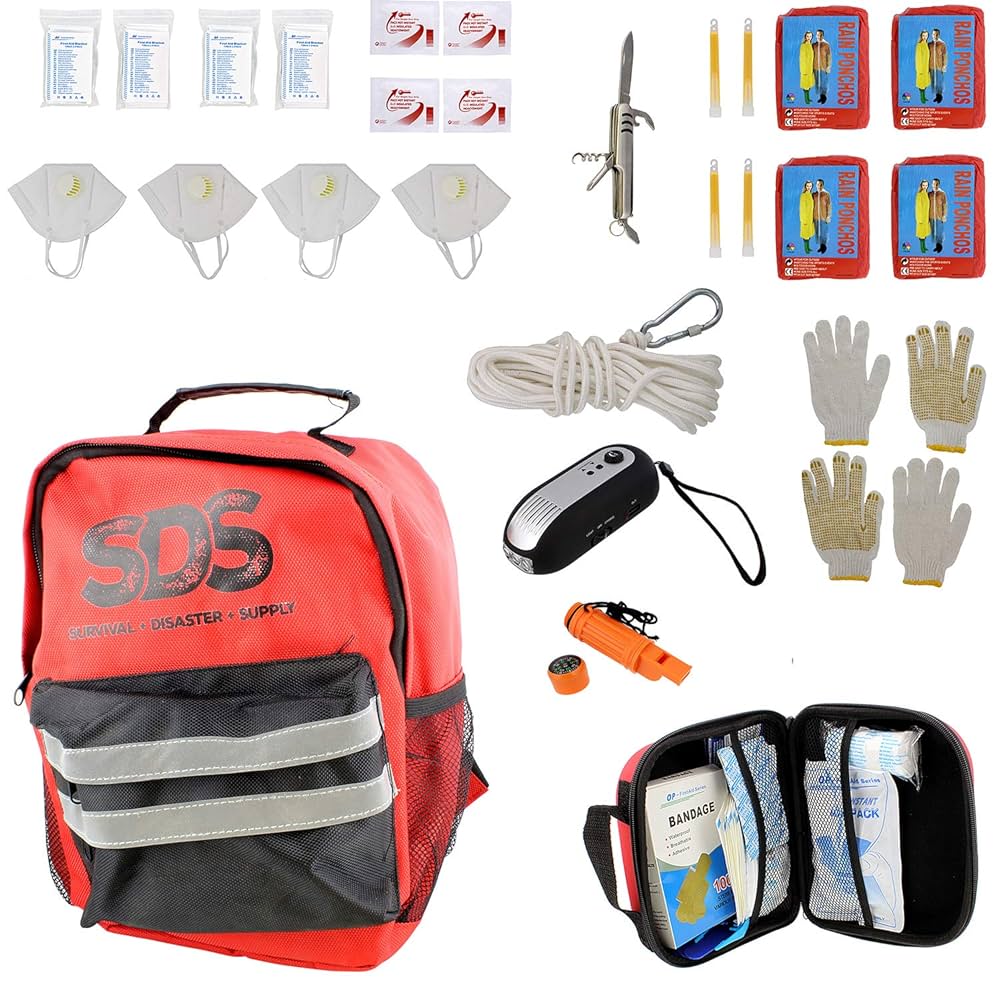
Credit: www.amazon.com
Clothing And Personal Protection
Clothing and personal protection are vital in any survival kit. The right clothing shields you from harsh weather and keeps you comfortable. Personal protection tools help ensure safety in dangerous situations. Both elements increase chances of staying safe and healthy in emergencies.
Weather-appropriate Clothing
Choose clothes that match the climate you may face. Layering works best for changing weather. Start with a moisture-wicking base layer to keep skin dry. Add an insulating layer to keep warmth close to the body. Finish with a waterproof and windproof outer layer for protection.
- Lightweight, breathable fabrics for hot climates
- Warm, insulated clothes for cold environments
- Quick-drying materials to avoid dampness
- Sturdy boots for rough terrain
- Hat and gloves suited to the weather
Clothing should be durable and easy to move in. Avoid cotton in cold or wet conditions. It holds moisture and lowers body temperature. Pack extra socks to prevent blisters and infections.
Safety And Self-defense Tools
Include small, easy-to-carry items for personal safety. These tools help protect against threats and provide peace of mind.
- Whistle to signal for help
- Personal alarm for attracting attention
- Compact flashlight for visibility at night
- Multi-tool with knife and other functions
- Pepper spray or similar non-lethal defense
Practice using these tools before an emergency. Choose items that fit local laws and your comfort level. Being prepared helps you stay calm and secure in tough moments.
Kit Maintenance And Updates
Your personal survival kit is only as good as its upkeep. Without regular maintenance and timely updates, even the best-prepared kit can fail when you need it most. Staying on top of your kit’s condition ensures that every item works perfectly and meets your current needs.
Regular Checks And Replacements
How often do you check your survival kit? Ideally, inspect it every three to six months. Look for expired food, dead batteries, and damaged gear.
Keep a checklist handy to track each item’s condition. Replace anything that looks worn or outdated immediately. For example, water purification tablets lose potency over time, so don’t wait until you’re in an emergency to find out they no longer work.
Make it a habit to test electronic devices like flashlights and radios to confirm they still function well. If you haven’t used your kit in a while, fresh batteries can make all the difference.
Adapting To New Threats And Technologies
Think about how your environment or lifestyle might have changed since assembling your kit. Have you moved to a new area with different natural risks? Has technology advanced in a way that offers better survival tools?
Stay informed about new survival gear and update your kit accordingly. For instance, solar-powered chargers have become more affordable and reliable, offering a smarter alternative to disposable batteries.
Adjust your kit to include items that address emerging threats, like new types of first aid supplies or multi-tools designed for specific scenarios. Your survival kit should grow with you, not stay stuck in the past.
Budgeting Your Survival Kit
Budgeting your personal survival kit is essential. It helps you prepare without spending too much. A good plan balances cost and quality. Spending wisely ensures you have reliable tools when needed.
Affordable Options For Beginners
Start small and focus on basics. Essentials like water, food, and first aid are key. Choose multi-use items to save money and space.
- Reusable water bottles with filters
- Compact first aid kits
- Basic emergency food supplies
- Flashlight with extra batteries
Buy from trusted brands but avoid expensive gear at first. Look for sales and discounts online or in stores. DIY options can also reduce costs.
Investing In Quality Gear
Quality gear lasts longer and performs better. It ensures safety and reliability in emergencies. Focus on critical items like knives, shelters, and communication devices.
- Durable multi-tools
- Weather-resistant tents or tarps
- Reliable fire starters
- Portable radios or emergency beacons
Spend more on items that protect your life. Check reviews and product warranties before buying. Upgrading gear over time builds a strong survival kit.
Top Brands And Kits For 2025
Choosing the best personal survival kit means balancing quality, content, and reliability. Top brands in 2025 stand out because they focus on durability and practicality. Whether you want a ready-made kit or prefer customizing your own, knowing the trusted names can save you time and effort.
Popular Ready-made Kits
Ready-made kits are perfect if you want something reliable without the hassle of assembling items yourself. Brands like LifeStraw, Surviveware, and VSSLoffer well-rounded kits that cover essentials like water purification, first aid, and fire-starting tools.
- LifeStraw Family Kit:Great for water filtration on the go, compact, and easy to use.
- Surviveware Small Survival Kit:Includes first aid supplies, emergency blankets, and a multitool, ideal for quick grabs.
- VSSL Java Survival Kit:Combines coffee-making with survival gear—yes, coffee can be a morale booster when stranded!
These kits excel because they are tested and trusted by users worldwide. You get peace of mind knowing experts have packed exactly what you need.
Recommended Custom Kits
Custom kits give you full control. You decide what fits your unique needs, climate, and likely scenarios.
Start with a solid base: a durable bag, a quality water filter, and a compact first aid kit. Then add items like:
- Reliable fire starters (magnesium rods or waterproof matches)
- Multipurpose tools (Swiss Army knife or multitools)
- High-calorie emergency food bars
- Compact sleeping gear or thermal blankets
Think about your environment. If you live near water, a fishing kit might be useful. If it’s cold, extra thermal layers are a must. Have you thought about what you would really need if you had to survive for 72 hours alone?
Building your own kit can be rewarding and ensures you’re not carrying unnecessary weight. It also gives you a chance to test each item before you trust it in an emergency.
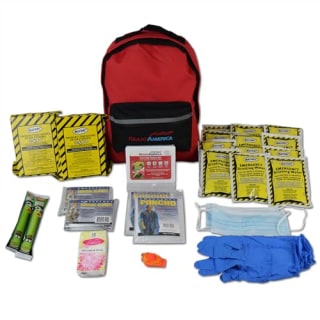
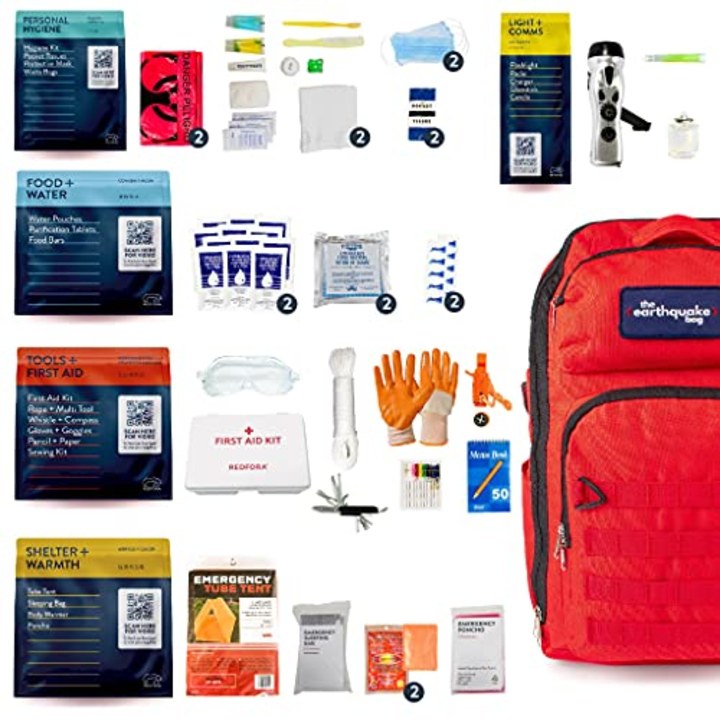
Credit: www.nbcnews.com
Frequently Asked Questions
What Essential Items Are In The Best Personal Survival Kit?
The best kit includes water, food, first aid, fire starters, a knife, and shelter tools. These essentials cover basic survival needs effectively.
How Do I Choose The Right Survival Kit Size?
Pick a kit size based on your trip duration and environment. Compact kits suit daily carry, while larger ones fit extended trips or emergencies.
Can I Customize My Personal Survival Kit?
Yes, customize your kit to match personal needs, climate, and activities. Add items like medications, navigation tools, or extra clothing for better preparedness.
How Often Should I Update My Survival Kit?
Update your kit every six months to replace expired items and adjust for changing needs. Regular checks ensure functionality and readiness.
Conclusion
Choosing the right survival kit ensures safety in emergencies. Consider your needs and environment. A well-packed kit offers peace of mind. Essential items include water, food, and a first-aid kit. Don’t forget tools like a flashlight and a whistle. Keep your kit updated and within reach.
A compact, lightweight kit is best for quick access. Practice using your kit before emergencies. This preparation boosts confidence. Stay ready and stay safe.