Imagine facing an emergency with no plan and no supplies. Scary, right?
Your survival kit can be the difference between staying safe and struggling to get by. But what exactly makes a good survival kit? It’s more than just throwing random items into a bag. You need the right tools, carefully chosen to meet your needs when it matters most.
You’ll discover the essential elements that turn a simple kit into a lifesaver. Keep reading, because knowing how to build your perfect survival kit could protect you and your loved ones when every second counts.
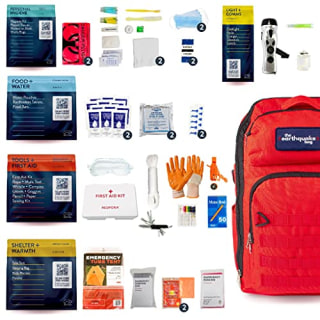
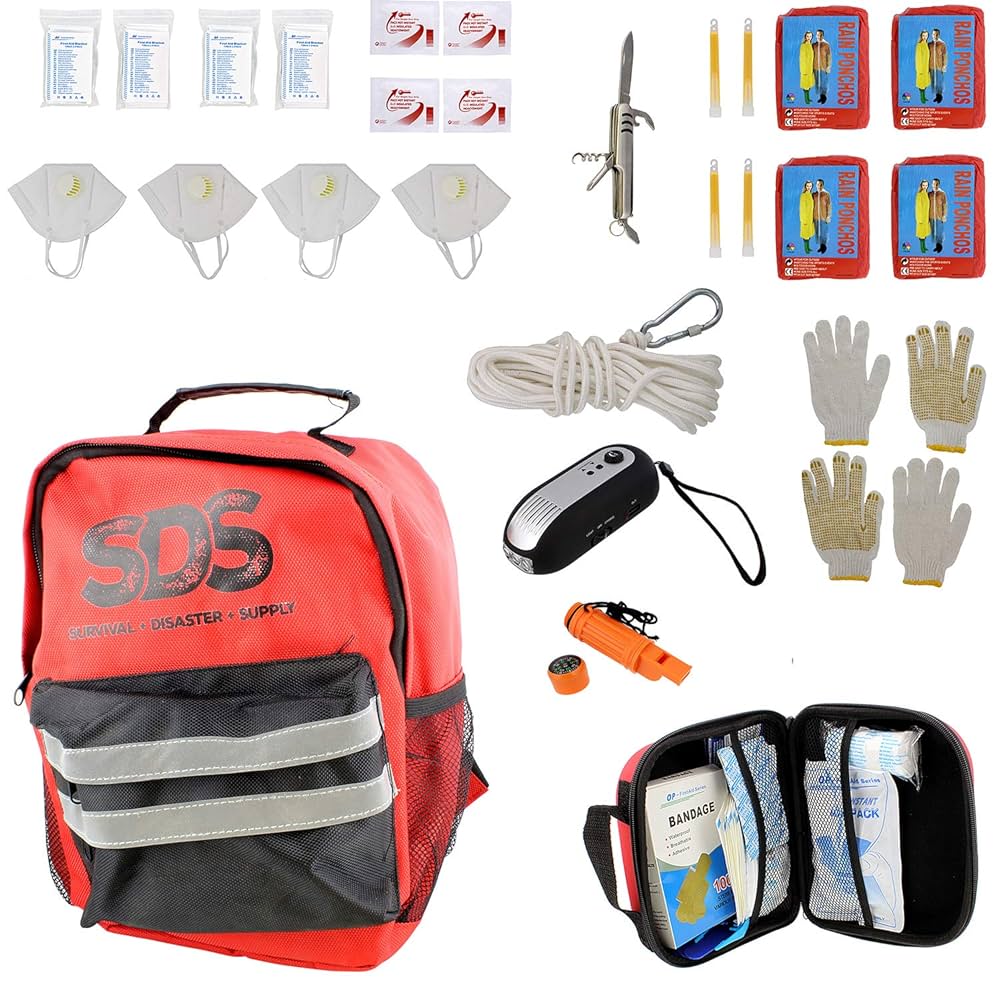
Credit: www.nbcnews.com
Basic Survival Needs
Meeting your basic survival needs is the foundation of any effective survival kit. Without water, food, and shelter, your chances of staying safe and healthy drop quickly. Focusing on these essentials ensures you’re prepared for a variety of emergencies, whether you’re stranded outdoors or facing unexpected situations.
Water And Hydration
Water tops the list because your body can only last a few days without it. Your survival kit should include portable water filters or purification tablets to make unsafe water drinkable. Carrying a sturdy, reusable water bottle with a built-in filter can be a real lifesaver.
Think about the last time you felt thirsty during a hike—how much better would you have handled the situation with clean water on hand? Don’t forget to pack enough water to last at least 72 hours, as finding fresh water might be difficult.
Food And Nutrition
Your body needs energy to function, especially under stress. Pack lightweight, high-calorie foods like energy bars, nuts, and dried fruits that don’t spoil quickly. These provide quick fuel without taking up much space.
Including a small multi-tool or utensil set can make eating easier and more efficient. You might be surprised how much a simple can opener or spork improves your mealtime in a survival situation.
Shelter And Warmth
Protecting yourself from the elements can mean the difference between life and death. A compact emergency blanket or bivvy sack keeps you warm and shielded from wind and rain. A lightweight tarp or poncho can double as shelter or rain protection.
Do you know how much warmth a thin reflective blanket can provide? Don’t underestimate this small item’s ability to retain body heat when temperatures drop unexpectedly. Your survival kit should have easy-to-pack shelter options that fit your environment and climate.

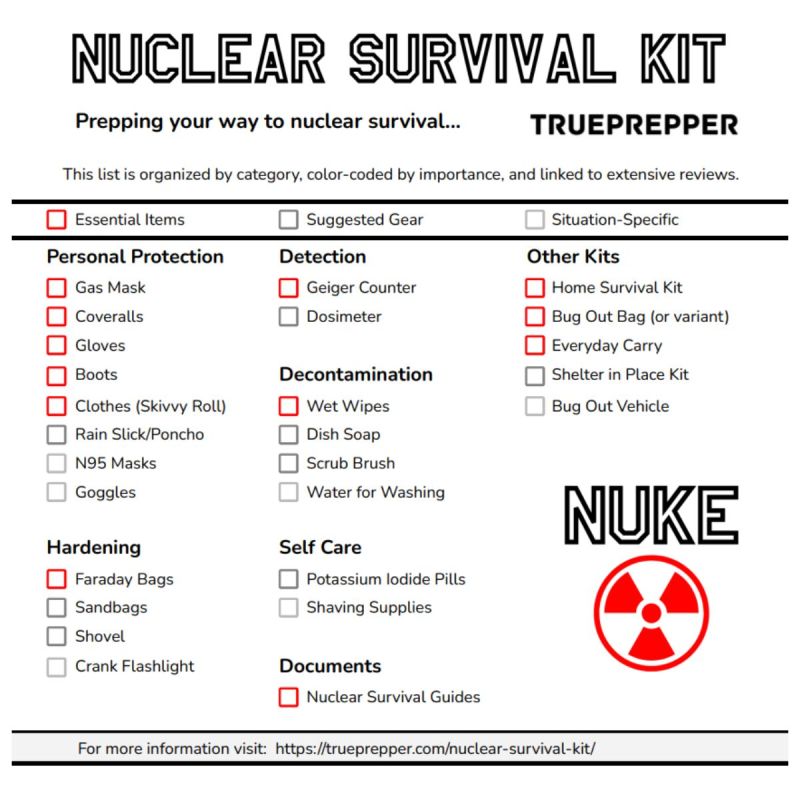
Credit: trueprepper.com
Essential Tools
Essential tools form the backbone of any survival kit. Without the right items, your kit might be heavy but useless. The tools you choose should be reliable, versatile, and easy to use in stressful situations.
Cutting Instruments
A sharp cutting tool is one of the most critical items in your survival kit. It can help you build shelter, prepare food, and even defend yourself. A sturdy fixed-blade knife often outperforms multi-tools in durability and ease of maintenance.
Think about the last time you needed to open a package or fix something quickly. Having a reliable knife saves time and frustration. Some survivalists also add a compact folding saw or wire cutter for tougher tasks.
Fire Starters
Fire is essential for warmth, cooking, and signaling for help. Including multiple fire-starting options increases your chances of success in wet or windy conditions. Waterproof matches, a magnesium fire starter, and a lighter cover various scenarios.
Have you ever tried starting a fire with damp wood? It’s tough, but a good fire starter can make it manageable. Carrying a small piece of cotton soaked in petroleum jelly can also act as an excellent tinder.
Navigation Aids
Getting lost can turn a minor setback into a life-threatening situation. A reliable compass is a must-have for orientation when GPS devices fail or run out of battery. Pair it with a detailed map of your area for the best results.
Some people underestimate the value of natural navigation skills, but technology isn’t always dependable. Can you trust your instincts when visibility drops? Practice using your compass regularly to build confidence.
First Aid Essentials
First aid essentials form the backbone of any survival kit. They help treat injuries and prevent infections. Having the right supplies can reduce pain and keep wounds clean. These items also support basic health needs during emergencies. A well-stocked first aid section prepares you for unexpected situations.
Wound Care Supplies
- Sterile gauze pads for covering cuts and scrapes
- Adhesive bandages in different sizes
- Antiseptic wipes to clean wounds
- Medical tape to secure bandages
- Antibiotic ointment to prevent infection
- Scissors and tweezers for trimming and removing debris
- Elastic bandages to support sprains and strains
Medications
- Pain relievers like ibuprofen or acetaminophen
- Antihistamines for allergic reactions
- Anti-diarrheal tablets to manage stomach issues
- Cold and flu remedies
- Any personal prescription medicines
Personal Health Items
- Disposable gloves to prevent contamination
- Face masks to reduce infection risk
- Hand sanitizer for quick cleaning
- Thermometer to check body temperature
- Emergency contact and medical information card
Communication And Signaling
Clear communication and signaling tools are vital in any survival kit. They help you alert rescuers or others nearby. Staying connected increases your chances of being found quickly. Simple, reliable tools make a big difference in emergencies.
Emergency Radios
Emergency radios keep you informed about weather and rescue updates. They work without cell service or internet. Choose radios with multiple power options like batteries and solar. Look for models with NOAA weather channels. Compact and durable radios fit well in survival kits.
Signal Mirrors And Whistles
Signal mirrors send bright flashes to catch attention from far away. They are lightweight and easy to carry. Whistles make loud sounds that carry over long distances. Both tools are simple yet effective for signaling help. Practice using them to improve your chances in real situations.
Flashlights And Batteries
Flashlights provide light and signal during nighttime or low visibility. Choose LED flashlights for long battery life and brightness. Carry extra batteries to avoid running out of power. Small, waterproof flashlights fit easily in your kit. Use flashing modes to attract attention.
Clothing And Protection
Clothing and protection are vital parts of any survival kit. The right clothes keep you safe from harsh weather and harmful elements. They help maintain body temperature and protect your skin from cuts, bugs, and sunburns.
Choosing proper clothing can make a big difference in comfort and safety during emergencies. Durable fabrics and smart layering offer the best defense against unpredictable conditions.
Weather-appropriate Gear
Select clothes based on the climate you expect to face. In cold weather, pack insulated jackets, thermal underwear, and waterproof outer layers. For hot climates, choose lightweight, breathable fabrics that protect from sunburn.
Waterproof boots and rain gear are essential to stay dry. Wet clothes can cause hypothermia quickly. Pack a wide-brimmed hat for sun protection or a warm hat for cold days.
Protective Accessories
Include items that shield your body from hazards. Gloves protect your hands from cuts and cold. Sunglasses guard your eyes from UV rays and debris.
A sturdy belt can hold tools or secure clothing. Gaiters protect your lower legs from dirt, insects, and sharp plants. A face mask or bandana helps filter dust and can serve as a sun shield.
Extra Clothing
Always carry extra clothes to change into dry, clean layers. Wet or dirty clothes increase infection risk and reduce warmth.
Pack extra socks and underwear in waterproof bags. A spare shirt and pants allow you to adapt to changing weather. Layering extra clothes helps regulate body heat efficiently.
Storage And Portability
Storage and portability are crucial for a survival kit. The kit must be easy to carry and access quickly. Compact storage helps keep essentials organized and ready. Portability ensures you can take the kit anywhere without hassle.
Backpack Selection
Choose a backpack that fits your needs and body size. Look for durable materials that resist water and wear. Multiple compartments help separate items for quick access. Adjustable straps add comfort for long carries. A size between 20 to 40 liters is ideal for most kits.
Organization Tips
Use small pouches or ziplock bags to group similar items. Label compartments for fast identification. Keep heavy items near the back to balance weight. Store frequently used items in outer pockets. Clear containers make it easy to see contents at a glance.
Weight Considerations
Keep the kit as light as possible without leaving essentials behind. Avoid bulky or heavy items that slow you down. Choose compact tools and multi-purpose gear. Regularly review and remove unnecessary items. Aim for a total weight under 15 pounds for better mobility.
Customization For Specific Needs
Customization for specific needs makes a survival kit truly effective. Each situation demands different tools and supplies. A one-size-fits-all kit often falls short in emergencies. Tailoring your kit helps you prepare better and stay safe. Consider your environment, health, and skills before packing your survival kit.
Environment-based Adjustments
Survival kits must match the environment you expect to face. Desert areas require extra water and sun protection. Cold climates need warm clothing and fire-starting tools. Forested regions benefit from insect repellent and navigation aids. Coastal zones call for waterproof gear and fishing supplies. Adjust your kit to the weather, terrain, and possible hazards.
Personal Health Requirements
Your health conditions affect the items you should carry. Include medications for allergies, asthma, or chronic illnesses. Pack first aid supplies tailored to your needs. Carry extra contact lenses or glasses if necessary. Consider dietary needs by adding suitable food options. Personal health plays a key role in survival readiness.
Skill Level Considerations
Your survival skills influence the kit’s complexity and contents. Beginners need simple, easy-to-use tools and instructions. Experts can include advanced gear and multi-purpose items. Practice using your kit to improve confidence and efficiency. Choose equipment that matches your ability to handle emergencies. A kit should support your strengths and help overcome weaknesses.

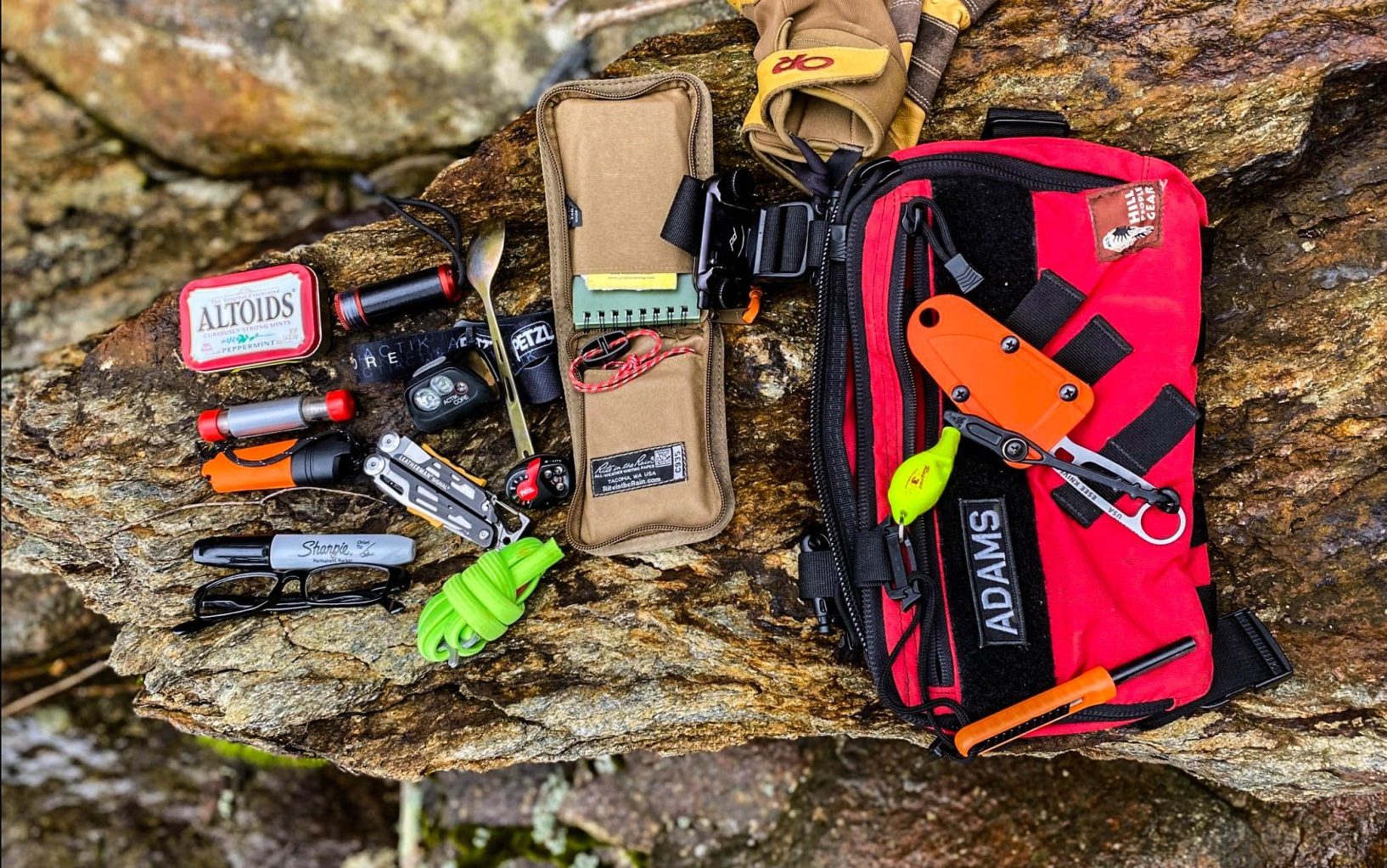
Credit: trueprepper.com
Frequently Asked Questions
What Essential Items Belong In A Survival Kit?
A good survival kit includes water, food, first aid, fire starters, shelter, and tools. These basics ensure safety and sustenance in emergencies.
How Do I Choose The Best Survival Kit For Me?
Consider your environment, skill level, and emergency needs. Choose a kit with reliable, versatile, and lightweight supplies tailored to your situation.
How Often Should I Update My Survival Kit?
Update your survival kit every six months. Check expiration dates, replace used or damaged items, and adjust supplies for seasonal changes.
Can I Customize My Survival Kit?
Yes, customize your kit based on personal needs, climate, and duration. Add specific medications, tools, or extra food and water as necessary.
Conclusion
A good survival kit is essential for safety in emergencies. Pack necessities like food, water, and a first-aid kit. Include tools like a flashlight and multi-tool. Choose items that fit your environment and needs. Always check and update your kit regularly.
This ensures everything works when needed. Preparedness increases your chances in unexpected situations. Prioritize practicality over luxury. A well-thought-out kit can make a big difference. Stay ready, stay safe.