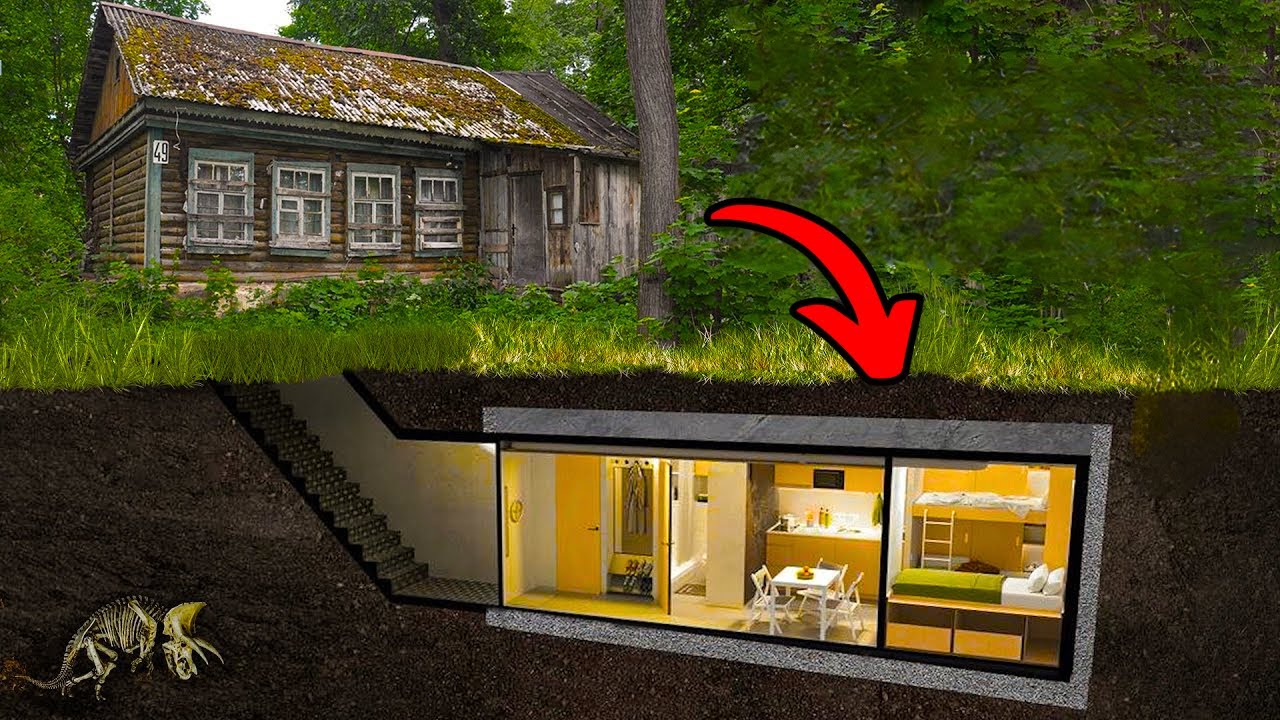
Imagine a place where you and your loved ones can stay safe if disaster strikes. Building a nuclear survival shelter isn’t just for experts or governments—it’s something you can plan for too.
But what does it really take to create a shelter that protects against radiation, fallout, and extreme conditions? If you want to know how to keep your family secure when it matters most, this guide will walk you through the key steps, materials, and secrets you need to build a reliable nuclear survival shelter.
Keep reading, because your safety could depend on what you learn here.

Credit: globalnews.ca
Choosing The Right Location
Choosing the right location for your nuclear survival shelter is a critical decision that shapes your safety and long-term comfort. It’s not just about finding a quiet spot; the location must provide protection from radiation, limit exposure to potential threats, and offer natural advantages. Your shelter’s success depends heavily on where you place it.
Assessing Radiation Risks
Radiation exposure varies significantly based on geography and nearby nuclear targets. You need to research historical data on nuclear test sites and potential strategic targets in your region. Areas downwind from nuclear plants or military bases may carry higher risks, so avoid them if possible.
Look for locations that naturally block or reduce radiation, such as places with dense soil or rock formations. How far can radiation realistically travel to reach your shelter? This question should guide your choice.
Proximity To Population Centers
Being too close to large cities can increase risks due to potential nuclear strikes and chaotic fallout. However, being too remote might make it difficult to access supplies or help if needed.
Strike a balance by selecting a site a reasonable distance from urban centers—far enough to avoid direct impact but close enough for practical access. Think about evacuation routes and how quickly you could reach your shelter under emergency conditions.
Natural Barriers And Terrain
Natural features like hills, mountains, and forests can shield your shelter from blast waves and radiation. A hillside or underground location offers added protection and helps conceal your shelter from aerial detection.
Consider water drainage and soil stability—avoid flood-prone zones or loose sandy soil that could collapse. Does the terrain offer easy access while remaining defensible? This balance is key for survival and maintenance.
Designing The Shelter Structure
Designing the structure of a nuclear survival shelter is not just about digging a hole and sealing it off. It requires careful planning to ensure safety, comfort, and long-term usability. Every element, from the materials you choose to the systems you install, must work together to protect you and your loved ones.
Materials For Radiation Shielding
Radiation shielding is the core of your shelter’s protection. Dense materials like concrete, steel, and lead are essential because they absorb or block harmful radiation.
Concrete is often preferred because it’s affordable and effective, especially when poured thick—usually at least 2.5 feet. Steel can add strength and extra shielding but is expensive and requires careful placement.
Lead offers excellent protection but is costly and heavy. Combining these materials strategically can improve safety without breaking your budget. Have you considered which materials balance cost and protection best for your situation?
Structural Integrity And Durability
Your shelter must withstand not only radiation but also physical forces like shockwaves and potential ground shifts. Reinforced concrete with steel rebar is a common choice because it handles pressure and impact well.
Waterproofing is vital. Moisture can degrade materials and create a hazardous environment inside. Adding drainage systems or sump pumps can keep your shelter dry and maintain its longevity.
Think about your location’s soil and weather conditions. Will your shelter face flooding, earthquakes, or heavy snow? Tailoring the design to these factors improves durability and safety.
Ventilation And Air Filtration Systems
Fresh air is crucial, but your shelter can’t just have open windows. Ventilation systems must filter out radioactive particles and toxic gases while maintaining breathable air.
High-efficiency particulate air (HEPA) filters combined with activated carbon filters are effective in cleaning incoming air. Manual or battery-powered fans can maintain airflow if power is lost.
Consider how you will monitor air quality inside. Installing sensors for radiation and contaminants can alert you to problems early, helping you act before air quality deteriorates. How will you ensure your air stays clean over extended stays?
Essential Life Support Systems
Essential life support systems form the backbone of any nuclear survival shelter. These systems keep you alive and healthy during extended stays underground. They focus on providing clean water, safe food, and proper waste disposal. Each system must be reliable and easy to maintain.
Water Storage And Purification
Water is the most critical resource in a shelter. Store enough water to last several weeks or months. Use strong, food-grade containers to avoid leaks and contamination. Keep water in a cool, dark place to prevent algae growth.
Purification is essential to ensure water safety. Use multiple methods for best results:
- Boiling to kill germs and bacteria
- Water filters to remove particles and chemicals
- Purification tablets or drops for chemical treatment
Regularly check stored water for clarity and smell. Replace or treat if it looks or smells off.
Food Supplies And Storage
Food in a nuclear shelter must be non-perishable and nutrient-rich. Choose canned goods, dried foods, and freeze-dried meals. Store food in airtight containers to protect against moisture and pests.
Organize food by expiry date to use older items first. Keep a variety of foods to maintain balanced nutrition. Include vitamins and supplements if possible.
Plan meals that require little or no cooking. Use portable stoves or heaters safely if needed.
Waste Management Solutions
Proper waste management prevents disease and keeps the shelter clean. Designate separate areas or containers for solid and liquid waste.
Use sealed containers or bags to trap odors and germs. Composting toilets or chemical toilets are good options.
Regularly remove waste from living areas. Store waste safely until it can be disposed of outside the shelter. Maintain hygiene by using hand sanitizers and cleaning supplies.

Credit: uk.style.yahoo.com
Power And Communication Setup
Power and communication are vital for a nuclear survival shelter. They keep the shelter operational and connected to the outside world. Without reliable power, systems will fail quickly. Communication tools help share updates and call for help if needed. Planning these setups carefully increases chances of long-term survival.
Backup Power Sources
Backup power sources provide energy when the main supply stops. Common options include:
- Generators powered by gasoline or diesel
- Solar panels with battery storage
- Deep cycle batteries for extended use
- Hand-crank or pedal generators for short bursts
Choosing a mix ensures power during fuel shortages or weather issues. Store enough fuel safely and test systems regularly.
Communication Equipment
Reliable communication keeps you informed and connected. Essential devices include:
- Battery-powered or hand-crank radios for news updates
- Walkie-talkies for short-range communication inside shelter
- Satellite phones for long-distance calls if cell networks fail
- Signal mirrors or whistles for emergency signaling
Keep extra batteries and chargers. Practice using equipment to avoid surprises.
Emergency Lighting
Emergency lighting ensures visibility when power is out. Options to consider:
- LED lanterns with rechargeable batteries
- Glow sticks as a safe, temporary light source
- Solar-powered lights for outdoor areas
- Headlamps for hands-free use
Store lighting in easy-to-reach places. Test regularly to make sure they work well.
Safety And Security Measures
Building a nuclear survival shelter requires careful planning for safety and security. Protecting yourself from radiation and other dangers is vital. The shelter must include tools to detect threats and supplies to handle emergencies. Secure access keeps unwanted visitors out. These measures ensure a safe and secure environment during a crisis.
Radiation Detection Tools
Radiation detection tools help monitor dangerous levels inside and outside the shelter. Devices like Geiger counters and dosimeters alert you to radiation spikes. Keep several types of detectors for accuracy. Regularly test and maintain them to ensure proper function. These tools provide early warnings to take necessary actions quickly.
Emergency Medical Supplies
Emergency medical supplies are essential for treating injuries and illnesses. Stock items like bandages, antiseptics, and pain relievers. Include medications for radiation sickness and basic first aid kits. Organize supplies in a waterproof container for easy access. Regularly check expiration dates and replace used items promptly.
Shelter Access And Security
Controlling shelter access is critical for safety. Use strong doors with secure locks to prevent intruders. Install surveillance cameras or motion detectors to monitor entry points. Create a list of trusted individuals allowed inside. Plan emergency exits but keep them hidden and secure. Proper security measures protect you and your supplies from threats.

Credit: trueprepper.com
Maintenance And Preparedness
Maintaining your nuclear survival shelter is as important as building it. Without regular upkeep and preparedness, your shelter can quickly become unsafe or useless in an emergency. Staying proactive ensures your shelter remains a reliable refuge when you need it most.
Regular Shelter Inspections
Inspect your shelter at least once every few months. Check for signs of water leaks, structural damage, or corrosion on metal surfaces. Pay close attention to air filtration systems and seals around doors and windows—they must be airtight to protect against radiation.
During one of my inspections, I found a small crack near the ventilation system. Fixing it immediately prevented potential contamination. Have you checked your shelter’s seals recently?
Training And Drills
Practice using your shelter regularly with your family or group. Run through emergency scenarios, including how to enter quickly, operate equipment, and manage rationed supplies. This hands-on experience reduces panic and confusion in a real event.
Set a schedule for drills—quarterly is a good starting point. Involve everyone, even kids, so they know their roles. How confident are you that your team could stay calm and efficient under pressure?
Updating Supplies And Equipment
Keep an inventory of all supplies and check expiration dates on food, water, and medical items. Replace anything that’s expired or close to it. Technology and gear also improve over time; consider upgrading your air filters, communication devices, and lighting systems as needed.
During a recent review, I found some of my emergency batteries had lost charge. Swapping them out was a small task that could save lives. What’s the last thing you updated in your shelter?
Frequently Asked Questions
What Materials Are Best For Nuclear Shelter Walls?
Concrete and steel are ideal for nuclear shelter walls. They provide strong radiation shielding and structural support. Reinforced concrete, at least 12 inches thick, effectively blocks gamma rays. Steel adds durability and resistance to blast forces, ensuring maximum protection during a nuclear event.
How Long Can You Stay Inside A Nuclear Shelter?
You can stay inside a nuclear shelter for up to two weeks safely. This duration depends on your air supply, water, and food storage. Proper ventilation and radiation filtration systems extend shelter usability. Planning supplies for at least 14 days is recommended for survival.
What Essential Supplies Are Needed In A Nuclear Shelter?
Essential supplies include water, non-perishable food, first aid kits, and radiation detectors. Also, include communication devices, batteries, and sanitation items. These supplies ensure survival, health, and safety during shelter stay. Regularly updating and checking supplies is crucial for readiness.
How Is Ventilation Managed In A Nuclear Shelter?
Ventilation uses filtered air systems to block radioactive particles. Air filters like HEPA and activated carbon remove contaminants. Proper airflow prevents carbon dioxide buildup and maintains breathable air. Manual or battery-powered ventilation ensures continuous fresh air circulation.
Conclusion
Building a nuclear survival shelter takes careful planning and effort. You need strong materials and good ventilation. Food, water, and medical supplies are must-haves. Safety measures protect you from radiation and blasts. Regular maintenance keeps the shelter ready at all times.
Staying informed about nuclear risks helps you prepare better. A shelter can save lives in extreme situations. Preparation is key, not fear. Start small, learn step by step. Your safety depends on smart choices and readiness.


