Imagine facing an emergency without the right supplies. How would you stay safe, comfortable, and calm?
Having a well-stocked emergency survival kit can make all the difference when disaster strikes. But what exactly should you include in your kit? Knowing the essential items can protect you and your loved ones in unexpected situations. Keep reading to discover the must-have tools and supplies that will keep you prepared and ready for anything.
Your safety starts here.
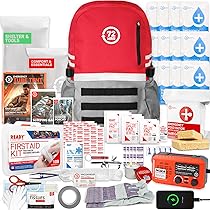
Credit: www.amazon.ca
Basic Essentials
Basic essentials form the foundation of any emergency survival kit. They ensure survival during critical times. These essentials focus on the most vital needs: water, food, and basic tools. Without these items, staying safe and healthy becomes very hard. Prepare these items carefully. They save lives in unexpected situations.
Water And Purification
Water is the most important survival item. The human body cannot survive long without clean water. Store at least one gallon of water per person per day. Keep a supply for at least three days.
Water purification tools are also essential. Carry water purification tablets or drops. A portable water filter works well too. These items remove harmful bacteria and chemicals. They make unsafe water drinkable in emergencies.
Non-perishable Food
Non-perishable food provides energy and nutrients when fresh food is unavailable. Choose foods with a long shelf life. Examples include canned goods, dried fruits, nuts, and energy bars.
Look for foods that do not need cooking or refrigeration. They are easy to store and eat. Pack enough food to last at least three days for each person. Rotate your food supplies regularly to keep them fresh.
Shelter And Warmth
Staying warm and protected from the elements is one of the most critical parts of any emergency survival kit. Without proper shelter and warmth, your chances of staying safe and healthy drop significantly. Think about the last time you felt cold and wet—how quickly did your energy drain? Your survival kit should prevent that feeling from taking over during a crisis.
Emergency Blankets
Emergency blankets are lightweight, compact, and incredibly effective. Made from heat-reflective materials, they trap your body heat and keep you warm even in freezing conditions. You can easily fit several of these in your kit without adding bulk.
These blankets are not just for warmth; they can serve as rain protection, ground cover, or even a signal device due to their shiny surface. Have you ever thought about how one small item can serve so many purposes? That’s why emergency blankets are non-negotiable.
Portable Shelter Options
Carrying a portable shelter can be a game-changer when natural cover isn’t available. Look for lightweight tents, tarps, or bivvy sacks designed for quick setup and durability. They shield you from wind, rain, and insects, creating a safer space to rest.
Compact shelters often come with features like water resistance and UV protection. They can be as simple as a foldable tarp or as advanced as a small tent with mesh panels. What kind of shelter would you find easiest to carry and set up when every minute counts?
Always test your shelter gear before an emergency. Knowing how to set it up quickly can save you precious time and energy when you need it most.
First Aid Supplies
First aid supplies are essential for any emergency survival kit. They help treat injuries and prevent infections. Proper first aid can save lives and reduce pain until professional help arrives. A well-stocked first aid section prepares you for cuts, burns, sprains, and other common emergencies. Keeping these supplies organized and accessible is critical during stressful situations.
Basic First Aid Kit
- Adhesive bandages in multiple sizes
- Sterile gauze pads and adhesive tape
- Antiseptic wipes and antibiotic ointment
- Elastic bandages for sprains and strains
- Disposable gloves to prevent contamination
- Scissors and tweezers for removing debris
- Instant cold packs to reduce swelling
- Thermometer to monitor body temperature
- CPR face shield for safe resuscitation
Prescription Medications
Keep a supply of any necessary prescription medications. Include enough for several days or weeks. Store them in original containers with clear labels. Check expiration dates regularly and replace as needed. Consider medications for chronic conditions like asthma or diabetes. Also, pack pain relievers and allergy medicine prescribed by a doctor. Access to these medicines can be critical during emergencies when pharmacies may be closed.
Tools And Equipment
Your emergency survival kit is only as good as the tools and equipment inside it. These items help you manage unexpected challenges, from fixing gear to signaling for help. Choosing the right tools can make a huge difference when every second counts.
Multipurpose Tools
A multipurpose tool is a must-have in any survival kit. It combines several functions like cutting, screwing, and opening cans into one compact device. Think about how frustrating it is to carry separate tools—multipurpose tools save space and weight.
Look for tools with sturdy blades, pliers, screwdrivers, and even small saws. Some models include fire starters or wire cutters, which can be lifesavers. Have you ever struggled to open a can or fix a broken item without the right tool? This solves that problem instantly.
Flashlights And Batteries
Light is crucial when darkness falls unexpectedly. A reliable flashlight gives you control and safety in low-visibility situations. Don’t just grab any flashlight—choose one that is durable and has a strong beam.
Always pack extra batteries to keep your flashlight working. It’s easy to forget that batteries drain, especially in cold weather. Have you checked your flashlight’s batteries recently? Keeping spares ensures you won’t be left in the dark when you need light the most.
Communication Devices
Communication devices are essential in any emergency survival kit. They help you stay informed and signal for help. Choosing the right tools increases your chances of rescue.
These devices work without regular power sources or cell towers. They offer reliable ways to send and receive messages during disasters. Keep your kit updated with these communication essentials.
Emergency Radios
Emergency radios receive important news and weather alerts. They often work on batteries or hand cranks. Some models include solar power to recharge batteries.
Look for radios with NOAA weather channels and AM/FM bands. These radios keep you aware of changing conditions. Some have built-in flashlights or USB ports for charging phones.
Whistles And Signal Mirrors
Whistles are simple, loud, and easy to carry. They help attract attention when you cannot shout. Use short bursts to signal rescuers without tiring your voice.
Signal mirrors reflect sunlight to send visual signals over long distances. They require no batteries and are very lightweight. Aim the mirror at aircraft or distant people to catch their eye.
Both whistles and signal mirrors are vital for silent, effective communication outdoors. Include them in your kit for emergencies without electric power.
Personal Hygiene Items
Keeping up with personal hygiene during an emergency can be challenging but is essential for your health and comfort. Without basic hygiene supplies, small issues like skin irritation or infections can quickly become serious problems. Packing the right personal hygiene items helps you stay clean, feel better, and maintain morale in tough situations.
Sanitation Supplies
Sanitation is about more than just feeling fresh—it’s a key defense against illness. Include items that help you manage waste and keep your environment clean.
- Moist towelettes or antibacterial wipes:These are lightweight and perfect for quick clean-ups when water is scarce.
- Hand sanitizer:Choose one with at least 60% alcohol to effectively kill germs.
- Disposable gloves:Useful when handling waste or cleaning wounds to prevent contamination.
- Plastic bags:Carry several sturdy bags for trash, dirty clothes, or even as makeshift gloves.
- Toilet paper or tissue packs:Carry compact, moisture-resistant options to avoid running out.
Have you ever been stuck somewhere without access to clean water? Those antibacterial wipes can be a lifesaver in moments like these, preventing sickness with minimal fuss.
Personal Care Items
Personal care goes beyond just cleaning your hands and face. These items help maintain your overall well-being and keep you comfortable.
- Toothbrush and toothpaste:Oral hygiene is vital; neglecting it can lead to infections that worsen your situation.
- Soap or body wash:A small bar of soap is versatile and lasts longer than liquids.
- Feminine hygiene products:Pack what you typically use, whether pads, tampons, or menstrual cups.
- Lip balm and moisturizer:Dry skin and chapped lips are common in survival situations and can cause discomfort.
- Comb or brush:Keeping your hair tidy can boost your confidence and mental health.
Think about how a simple item like lip balm can make a tough day a bit easier. It’s not just about comfort; it’s about maintaining your resilience when everything else feels uncertain.
Clothing And Footwear
Clothing and footwear play a vital role in any emergency survival kit. They protect the body from harsh weather and rough terrain. Choosing the right items helps maintain comfort and safety during unexpected situations. Pack clothes and shoes that suit the environment you may face.
Weather-appropriate Clothing
Choose clothes that match the climate of your area. Layering works best for changing conditions. Start with a moisture-wicking base layer to keep skin dry. Add an insulating layer like fleece or wool for warmth. Finish with a waterproof, windproof outer layer to block rain and cold wind.
- Long-sleeve shirts and pants for sun and insect protection
- Warm hats and gloves for cold weather
- Lightweight, breathable fabrics for hot weather
- Extra socks to keep feet dry and comfortable
Sturdy Footwear
Good shoes protect feet and improve mobility. Choose footwear with strong soles and good grip. Boots are ideal for rough terrain and provide ankle support. Waterproof shoes help keep feet dry in wet conditions. Break in shoes before an emergency to avoid blisters and discomfort.
- Durable hiking boots or trail shoes
- Water-resistant or waterproof material
- Extra insoles for comfort and support
- Sandals or flip-flops for quick drying or resting feet

Credit: www.amazon.ca
Important Documents
Important documents are often overlooked when preparing an emergency survival kit, but they can be lifesavers during a crisis. Without easy access to your paperwork, you might face unnecessary delays or complications. Think about how quickly you could prove your identity or file an insurance claim if disaster strikes.
Identification And Insurance
Keep copies of your essential identification documents handy. This includes your driver’s license, passport, and any other forms of ID you might need to prove who you are. Having these copies in your kit helps you avoid the hassle of replacement in tough situations.
Insurance papers are equally critical. Whether it’s health, home, or car insurance, having these documents ready can speed up claims and ensure you get the support you need. Consider scanning these documents and storing them on a USB drive, along with physical copies in a waterproof bag.
Emergency Contact Information
Do you have all your emergency contacts in one place? Write down phone numbers for family, close friends, and local emergency services. This list can be a real help if your phone dies or is lost.
Include contact details for your doctor, insurance agent, and any other key services. Keeping this information updated and easy to find saves you precious time when you most need it.
Special Needs Considerations
Planning an emergency survival kit means thinking beyond the basics. Special needs can vary widely, and your kit should reflect the unique requirements of everyone involved. Addressing these needs ahead of time can make a huge difference when every second counts.
Children And Elderly Needs
Children and older adults often require more than just food and water. Kids might need items like formula, diapers, and comfort toys to stay calm during stressful moments. Elderly family members may require medications, hearing aids with extra batteries, or mobility aids.
Consider adding:
- Extra prescription medications and a list of dosages
- Glasses or contact lens supplies
- Non-perishable, easy-to-eat snacks suited to dietary restrictions
- Items for hygiene like adult diapers or wipes
Have you thought about how you’ll manage communication if a loved one has hearing or vision impairments? Including a notepad and pen or simple picture cards could be a lifesaver.
Pet Supplies
Your pets are family too, and their needs must not be overlooked. Emergency kits for pets should include enough food and water for at least three days. Don’t forget their medications, leashes, and a familiar blanket or toy to reduce anxiety.
Make sure to pack:
- Copies of vaccination records and any medical history
- Waste disposal bags and cleaning supplies
- Collapsible bowls for food and water
- Contact information for a nearby emergency vet
Have you noticed how pets can sense stress? Keeping their comfort items handy can help them stay calm, which in turn helps you stay focused.

Credit: shopgrabngo.ca
Frequently Asked Questions
What Are The Essential Items For An Emergency Survival Kit?
An emergency survival kit must include water, non-perishable food, a first aid kit, flashlight, batteries, and a multi-tool. These items ensure basic needs like hydration, nutrition, safety, and communication during emergencies. Tailor the kit to your environment and family size for best results.
How Much Water Should An Emergency Kit Contain?
Your emergency kit should have at least one gallon of water per person per day. This supply should cover a minimum of three days to ensure hydration during disasters or emergencies when water access is limited or unsafe.
Why Is A First Aid Kit Important In Survival Kits?
A first aid kit helps treat injuries and prevents infections during emergencies. It includes bandages, antiseptics, pain relievers, and essential medical supplies. Having one can reduce complications and improve survival chances until professional help arrives.
What Types Of Food Are Best For Survival Kits?
Non-perishable, high-energy foods like canned goods, energy bars, nuts, and dried fruits are ideal. These foods have long shelf lives, require no refrigeration, and provide essential nutrients to sustain energy during emergencies.
Conclusion
A well-packed emergency survival kit can save lives. Include water, food, first aid, and tools. Keep it updated and easy to carry. Think about your family’s needs and local risks. Practice using your kit before an emergency. Being prepared brings peace of mind and safety.
Start building your kit today. Don’t wait until it’s too late. Stay ready, stay safe.