Have you ever wondered what items could make the difference between staying safe or facing serious trouble in an emergency? Your survival kit is more than just a box of random gear—it’s your lifeline when things go wrong.
But what exactly should you put in it to be truly prepared? This guide will help you build a survival kit tailored to your needs, so you can feel confident no matter what challenges come your way. Keep reading, and discover the essential items that can protect you and your loved ones when it matters most.

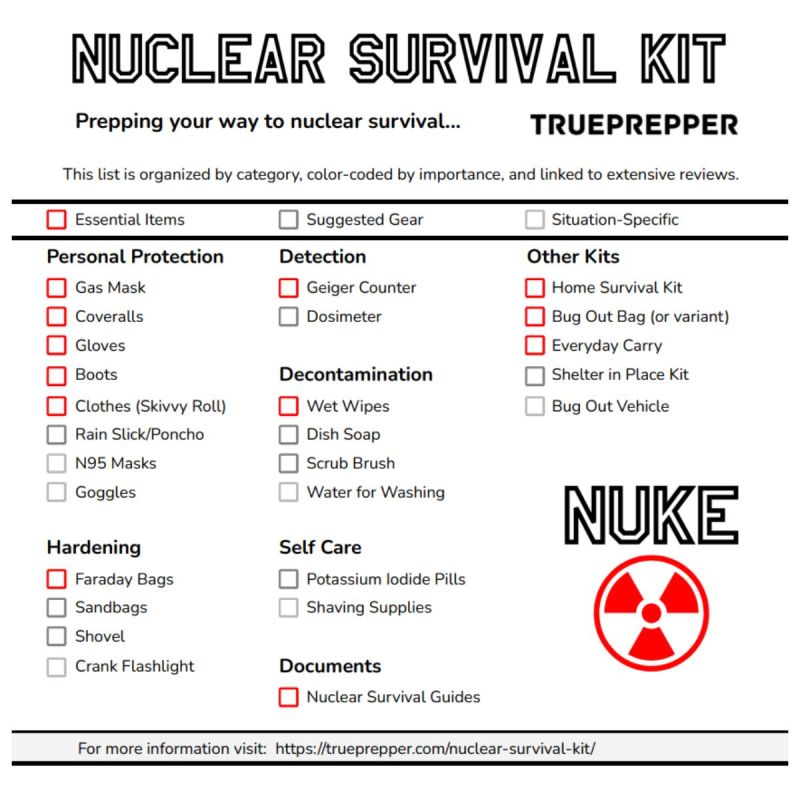
Credit: trueprepper.com
Choosing The Right Container
Choosing the right container for your survival kit is crucial. It protects your items and keeps them organized. The container must be strong, easy to carry, and water-resistant. This ensures your supplies stay safe and ready to use.
Size And Capacity
Select a container that fits all essential items without being too bulky. It should hold basics like food, water, and first aid supplies. Leave some extra space for additional tools or personal items.
Durability And Material
Choose containers made from tough materials like hard plastic or metal. These resist impacts and harsh weather. Avoid thin or fragile containers that can break easily.
Portability And Weight
Your survival kit container should be light and easy to carry. Look for handles or straps to make transport simpler. Avoid heavy containers that add unnecessary weight.
Water Resistance
Water can ruin your supplies quickly. Pick containers with tight seals or waterproof features. Dry contents mean your kit stays useful in wet conditions.
Easy Access And Organization
Choose a container with compartments or dividers. This helps keep items sorted and easy to find. Quick access saves time during emergencies.
Water And Hydration
Water is the cornerstone of any survival kit. Without proper hydration, your body’s ability to function rapidly declines. That’s why focusing on water and hydration is essential for staying alive and alert during emergencies.
Water Bottles And Containers
Choosing the right water containers can make a huge difference. Durable, reusable bottles like stainless steel or BPA-free plastic are ideal because they don’t leak and can withstand rough handling.
Consider having multiple containers to store enough water for several days. Collapsible water bags are handy because they save space when empty, but don’t rely on fragile bottles alone. I once relied solely on a single plastic bottle during a hiking trip, and when it cracked, I realized how important having backups is.
- Stainless steel bottles resist damage and keep water cool.
- BPA-free plastic bottles are lightweight and easy to carry.
- Collapsible containers save space when not in use.
- Always pack extra containers to store or collect water.
Water Purification Methods
Carrying water is just half the battle; ensuring it’s safe to drink is crucial. You don’t want to risk illness from contaminated sources. That’s why including purification options in your kit matters.
Simple purification tablets can kill bacteria and viruses quickly. A portable water filter can remove dirt and harmful microorganisms, making almost any natural water source drinkable. I once used a small filter on a trail when my bottled water ran out—it saved me from dehydration and upset stomach.
- Water purification tablets are lightweight and easy to use.
- Portable water filters remove sediment and pathogens.
- Boiling water is effective but requires heat sources.
- UV purifiers use light to disinfect water efficiently.
Do you have a plan for finding and treating water if your supply runs low? Preparing with the right bottles and purification tools ensures you can stay hydrated no matter what.
Food And Nutrition
Food and nutrition are the backbone of any survival kit. Without the right supplies, your energy and morale can quickly drop in a crisis. You need items that last long, provide essential nutrients, and are easy to prepare under tough conditions.
Non-perishable Foods
Choose foods that won’t spoil quickly, even if stored for months or years. Canned beans, tuna, and vegetables offer protein and fiber. Dried fruits and nuts provide quick energy and healthy fats.
Don’t forget calorie-dense options like peanut butter and granola bars. These keep your energy up without taking much space. Freeze-dried meals are lightweight and just need water—perfect if you want variety.
Have you ever tried eating only bland, repetitive food for days? It wears you down. Pack a small spice kit or instant coffee to boost your meals and spirits.
Portable Cooking Gear
Being able to cook can make a huge difference in how well you handle survival situations. A compact stove, like a small gas or wood-burning model, lets you prepare hot meals anywhere.
Don’t overlook lightweight cookware such as aluminum pots and utensils. They save space and won’t weigh you down. A simple, foldable stove stand also helps when cooking on uneven ground.
What’s your plan if you have no matches or lighter? Including multiple fire-starting tools—like waterproof matches and a flint striker—ensures you can always cook your food safely.

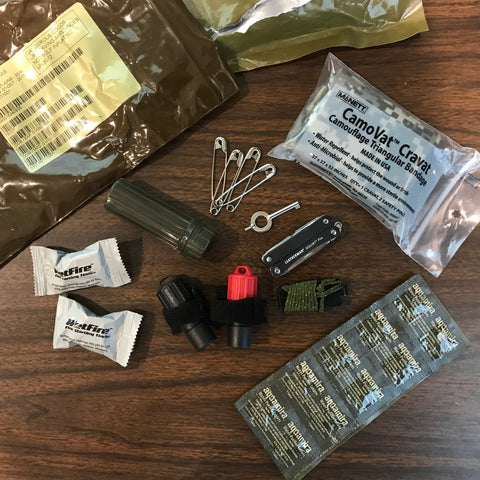
Credit: trueprepper.com
Shelter And Warmth
Keeping yourself protected from the elements is crucial in any survival situation. Shelter and warmth not only keep you comfortable but can also prevent life-threatening conditions like hypothermia. Your survival kit should include reliable items that help you stay dry, warm, and safe no matter where you find yourself.
Emergency Blankets
Emergency blankets are lightweight, compact, and incredibly effective at retaining body heat. Made from reflective materials, they reflect up to 90% of your body heat back to you. I once used one during a chilly night hike, and it made a huge difference in keeping me warm without adding bulk to my pack.
These blankets can also serve as a windbreaker or a ground cover. You can fold one to create a makeshift insulation layer or wrap it around your body in seconds. Having at least one in your kit can mean the difference between shivering all night and staying cozy.
Portable Shelters
Portable shelters like compact tents or bivy sacks offer more protection from wind, rain, and insects than an emergency blanket alone. They are designed to be lightweight and easy to set up, which is perfect when you need quick shelter without carrying heavy gear.
Think about the last time you were caught in unexpected weather—did you wish you had a roof over your head? A small tent or bivy sack can provide that safe space and shield you from harsh conditions. Choose one that fits your climate and pack size to balance protection with portability.
Clothing And Protection
Your survival kit’s clothing and protection items can make a huge difference in how well you handle unexpected situations. Choosing the right gear means staying comfortable, safe, and ready for whatever nature throws at you. Think about the environment you might face and pack accordingly to avoid unnecessary risks.
Weather-appropriate Attire
Start with layers that keep you warm and dry. A moisture-wicking base layer helps prevent chills by moving sweat away from your skin. Add an insulating middle layer like fleece or wool to trap heat.
Don’t forget a waterproof and windproof outer layer. Rain and wind can sap your energy fast. A lightweight, packable jacket can protect you without adding bulk.
- Choose quick-drying fabrics over cotton to stay comfortable.
- Bring extra socks and gloves to keep extremities warm and prevent blisters.
- Consider a hat for sun protection or warmth, depending on your climate.
Have you ever been caught off guard by a sudden rainstorm or temperature drop? Preparing your clothing for such moments can keep you safe and focused.
Protective Gear
Protection goes beyond clothing. Your skin and eyes can face hazards like sharp branches, insects, or debris. Including protective gear in your kit can prevent injuries and infections.
Think about sturdy gloves that protect your hands during tasks or in rough terrain. Safety goggles or sunglasses shield your eyes from dust and UV rays.
- Include a durable hat with a brim for additional face protection.
- Pack a lightweight, breathable face mask to guard against dust or allergens.
- Consider knee and elbow pads if you expect to move through rocky or dense areas.
Would you rather deal with minor scrapes or serious infections? Adding simple protective items can save you from discomfort and bigger problems later.
First Aid And Medical Supplies
Having the right first aid and medical supplies in your survival kit can make a huge difference during emergencies. You never know when a small injury could escalate without proper care. Equipping yourself with essential items helps you stay prepared for unexpected situations.
Basic First Aid Kit
Your basic first aid kit should cover common injuries like cuts, burns, and sprains. Include items such as:
- Adhesive bandages in various sizes
- Sterile gauze pads and adhesive tape
- Antiseptic wipes and antibiotic ointment
- Scissors and tweezers
- Pain relievers like ibuprofen or acetaminophen
- Elastic bandage for sprains
- Disposable gloves to protect yourself
Think about the last time you had a minor injury—did you have what you needed to treat it quickly? A well-stocked kit prevents small issues from turning into major problems.
Prescription Medications
If you rely on prescription medications, keeping an extra supply in your survival kit is essential. This includes:
- Any daily medications you take regularly
- Medications for chronic conditions like asthma or diabetes
- Allergy medications such as EpiPens or antihistamines
- Copies of your prescriptions and a list of your medications
Imagine being stuck without your necessary medication during a crisis—how would you handle it? Having these items ready keeps you safe and reduces stress when you need them most.
Tools And Equipment
Choosing the right tools and equipment for a survival kit is crucial. These items help you handle different challenges in emergencies. Compact, lightweight, and reliable gear can make a big difference. The right tools help with tasks like cutting, building shelter, and making fire.
Multi-tools
Multi-tools combine many functions in one small device. They usually include a knife, pliers, screwdrivers, and scissors. Carrying a multi-tool saves space and weight in your kit. It can help with repairs, food preparation, and first aid. Choose a multi-tool made of durable metal. Check that it locks safely when opened.
Fire Starters
Fire starters are essential for warmth, cooking, and signaling. Matches and lighters work well but can fail if wet. Carry waterproof matches or windproof lighters for reliability. Flint and steel offer a long-lasting fire-starting option. Cotton balls soaked in petroleum jelly can help start fires easily. Always pack more than one fire starter to avoid surprises.
Lighting And Communication
Lighting and communication are two crucial elements in any survival kit. Without light, you risk injury and disorientation after dark. Without a way to communicate, you might struggle to get help or coordinate with others when it matters most.
Flashlights And Batteries
A reliable flashlight is a must-have. Choose one that fits comfortably in your hand and offers strong, adjustable brightness. LED flashlights are ideal because they use less power and last longer.
Keep extra batteries on hand, but think beyond standard options. Rechargeable batteries can save money and reduce waste. Store them in a waterproof container to protect against moisture damage.
Have you tested your flashlight in real situations? I once found myself fumbling in the dark with a weak light—don’t let that happen to you. A well-maintained flashlight can be your eyes in the night.
Communication Devices
Communication can be your lifeline. A simple whistle or signal mirror might help in close-range emergencies, but for serious situations, consider more advanced tools.
- Two-way radios:Great for short-distance communication without relying on cell towers.
- Satellite phones:Work anywhere, but they can be expensive and bulky.
- Personal locator beacons (PLBs):Send a distress signal with your GPS location to emergency services.
Think about your environment and how you might use these devices. Have you ever experienced a time when no cell signal left you stranded? Planning for that moment can make all the difference.
Navigation And Signaling
Navigation and signaling tools are vital in any survival kit. They guide you back to safety and help others find you. Without these items, getting lost or staying unnoticed can be dangerous. Choose tools that work well in all weather and light conditions. Always keep them accessible for quick use.
Maps And Compasses
Maps and compasses are basic but powerful tools. A detailed topographic map shows land features like rivers and mountains. A compass helps you find directions even without GPS. Learn how to read both before heading outdoors. Keep maps folded and dry to avoid damage.
- Choose waterproof or laminated maps for durability.
- Select a compass with a clear base and rotating bezel.
- Mark your planned route and important landmarks.
- Practice using the compass to take bearings and navigate.
Signal Mirrors
Signal mirrors can catch sunlight to send visible flashes over long distances. They are lightweight and simple to use. Carry one in your kit for emergency signaling. A bright flash can attract rescuers even from miles away.
- Pick a mirror with a sighting hole or aiming device.
- Use it to reflect sunlight toward planes or distant people.
- Practice aiming the mirror before an emergency happens.
- Keep the mirror clean and scratch-free for best results.
Credit: www.nbcnews.com
Personal Items And Documentation
Your survival kit is more than just food and tools. Personal items and documentation can make a huge difference in emergencies. These essentials help you prove your identity, access services, and manage financial needs when everything else is uncertain.
Identification And Important Documents
Keep copies of your ID, such as your driver’s license or passport. Store them in a waterproof bag to protect against water damage. Don’t forget to include medical information like prescriptions and allergy alerts.
Consider adding:
- Birth certificates
- Insurance cards
- Emergency contact lists
- Social security cards
Imagine needing to prove who you are but losing all your paperwork in a flood. Having these documents ready can save hours, or even days, of stress.
Cash And Payment Methods
In many emergencies, electronic payments may not work. Always keep some cash in small bills in your survival kit. It’s easier to use and widely accepted when networks are down.
Also, pack prepaid cards or travel money cards. They provide a backup if cash runs out or if you need to make larger purchases. Remember to update the amounts regularly to keep them usable.
Think about how you would buy fuel or food if ATMs and card readers stopped working. Would you have enough cash on hand? Preparing for this can keep you moving when others might be stuck.
Frequently Asked Questions
What Are The Essential Items For A Survival Kit?
Essential items include water, non-perishable food, a first aid kit, flashlight, multi-tool, and emergency blanket. These basics ensure safety, nourishment, and basic medical aid in emergencies. Tailor your kit to your environment and personal needs for best results.
How Much Water Should I Pack In A Survival Kit?
Pack at least one gallon of water per person per day. This amount covers drinking and basic hygiene for 72 hours. Always include water purification tablets or a filter for extended survival situations.
Should I Include A First Aid Kit In My Survival Kit?
Yes, a first aid kit is crucial. It helps treat minor injuries and prevents infections. Include bandages, antiseptics, pain relievers, and any personal medications. Regularly check and replenish supplies to keep it ready.
What Food Is Best For A Survival Kit?
Choose non-perishable, high-energy foods like canned goods, nuts, granola bars, and dried fruits. These items have a long shelf life and provide essential nutrients and calories during emergencies.
Conclusion
A good survival kit keeps you safe in tough times. Include water, food, and basic tools first. Add items for warmth and first aid. Don’t forget a flashlight and extra batteries. Keep your kit ready and check it often. Think about your needs and environment.
A simple, well-packed kit can make a big difference. Stay prepared and stay calm. Your safety depends on what you carry. Ready for anything.