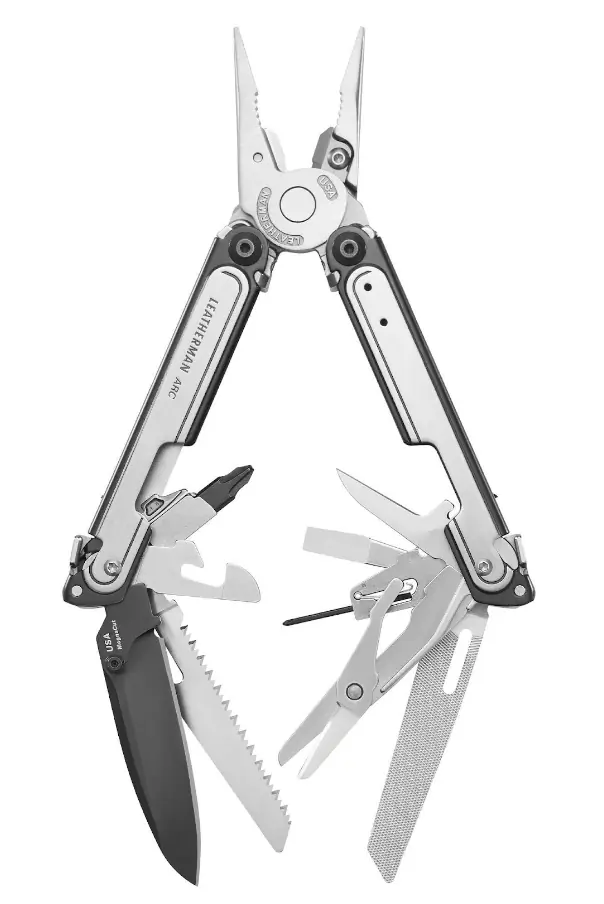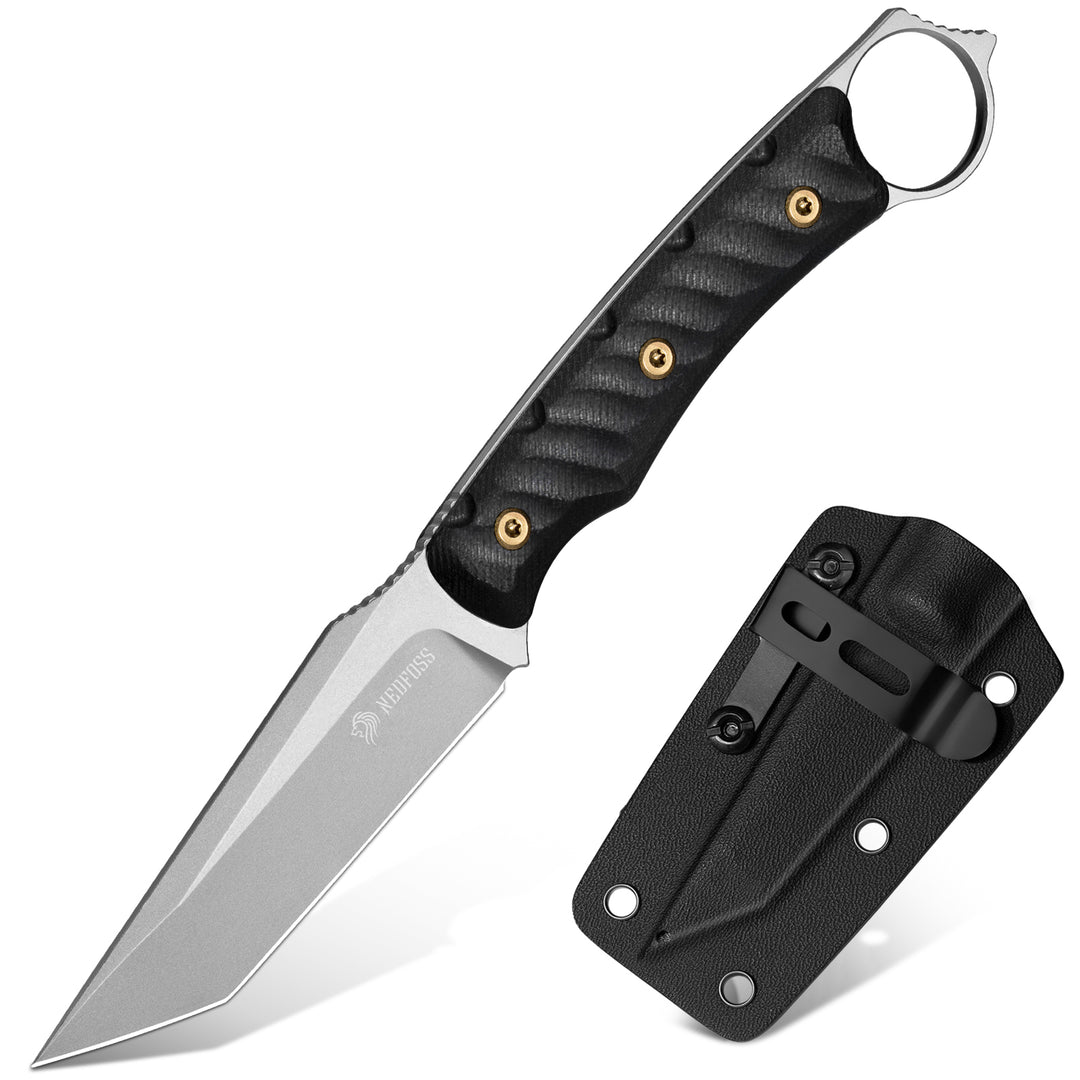
Imagine you’re out in the wild, far from any help. Your survival depends on the tools you carry, and nothing is more important than the right knife.
But what knives would a pioneer need to survive? Choosing the wrong blade could mean the difference between thriving and struggling. You’ll discover the essential knives that can keep you safe, help you build shelter, prepare food, and protect yourself.
Ready to find out which knives belong in your survival kit? Keep reading—your safety might depend on it.

Credit: www.nedfossknife.com
Essential Knife Types
Choosing the right knives is crucial for a pioneer aiming to survive in the wild. Each knife type serves a specific purpose that can make your daily tasks easier and more efficient. Understanding these essential knife types helps you prepare for challenges like building shelter, preparing food, and defending yourself.
Fixed Blade Knives
Fixed blade knives are sturdy and reliable. They don’t fold, which means they offer more strength and durability for tough jobs.
Use them for chopping wood, cutting rope, or even self-defense. A quality fixed blade knife with a full tang will not break under pressure, making it a must-have in your survival kit.
Folding Knives
Folding knives are compact and easy to carry. Their foldable design keeps the blade protected and safe when not in use.
They’re perfect for everyday tasks like slicing fruit or small repairs. If you want convenience without sacrificing utility, a folding knife should be in your pocket.
Skinning Knives
Skinning knives feature a curved blade designed for precision work. They help you remove animal hides without damaging the meat underneath.
When you’re out hunting, having a good skinning knife speeds up processing your game and keeps your food supply clean. This knife turns a difficult task into a smoother process.
Hunting Knives
Hunting knives combine strength and sharpness for cutting through tough materials like bone and sinew. They often have a pointed tip and a sharp edge for versatility.
Whether you’re field dressing game or preparing food, a hunting knife handles it all. It’s a vital tool that supports your survival by making the most of your catch.
Credit: www.nedfossknife.com
Key Knife Features
Choosing the right knife is crucial for a pioneer’s survival. The features of the knife determine how well it performs in various tasks, from cutting wood to preparing food. Understanding these key features helps you pick a tool that won’t fail you in the wild.
Blade Material
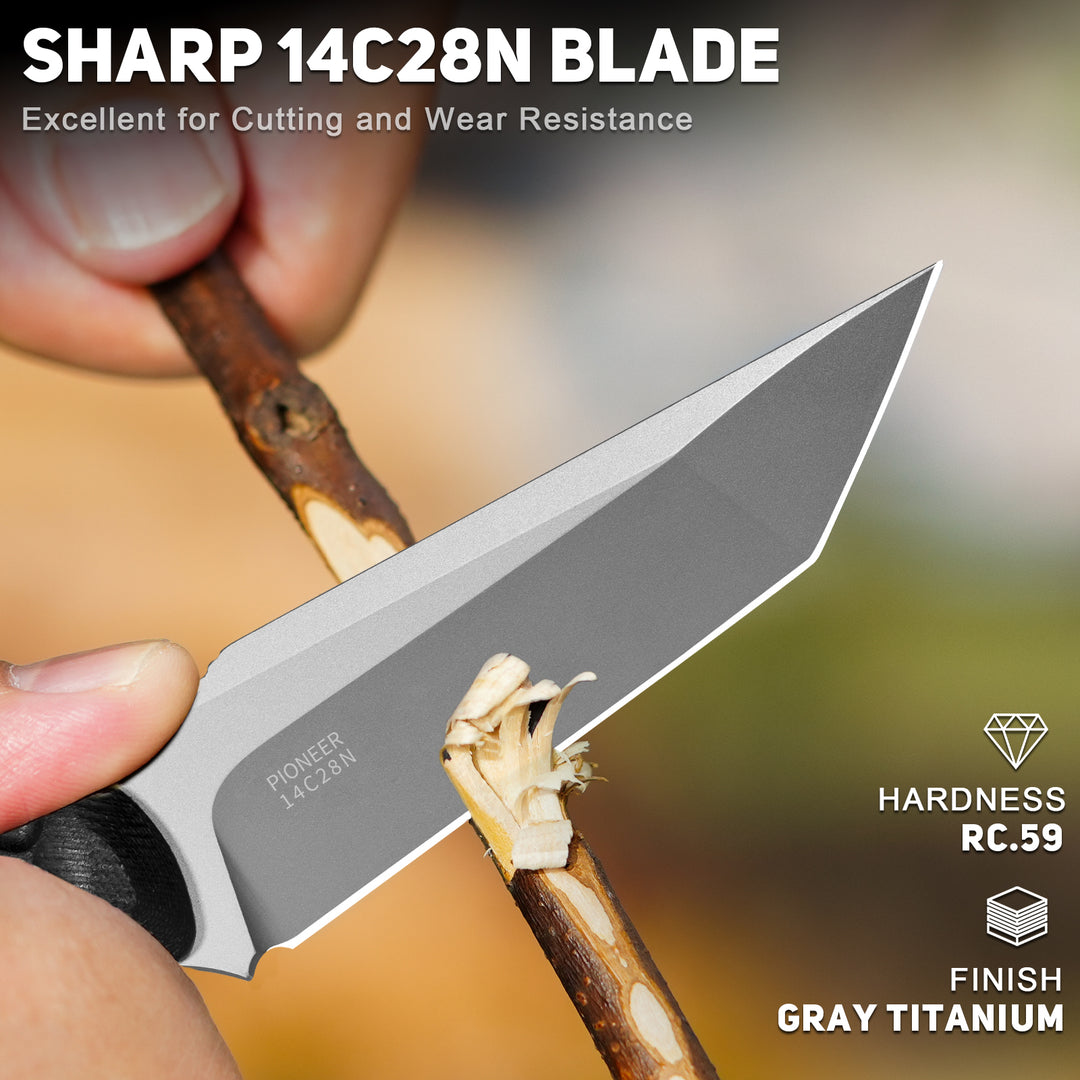
The blade material affects the knife’s strength, sharpness, and resistance to rust. High-carbon steel is a favorite among pioneers because it holds a sharp edge and is easy to sharpen in the field. Stainless steel resists rust better but might lose sharpness faster.
Think about the environment where you’ll use the knife. If you expect wet or humid conditions, rust resistance is vital. Have you ever struggled with a blade that dulls quickly or corrodes after heavy use?
Blade Length And Shape
A blade length between 4 and 6 inches offers a good balance between control and versatility. Longer blades can be harder to manage but are useful for heavy-duty tasks like chopping. Shorter blades excel at precision tasks such as skinning or carving.
The shape matters too. A drop point blade provides strength and a sharp tip, ideal for multiple tasks. Meanwhile, a clip point blade offers better piercing ability. What tasks do you expect your knife to perform most often?
Handle Design
Your grip on the knife impacts safety and efficiency. Handles made from materials like wood, micarta, or rubber provide a secure hold, even when wet. Avoid handles that become slippery or cause hand fatigue after prolonged use.
A well-designed handle fits comfortably in your hand and allows you to apply force without discomfort. Have you ever held a knife that felt awkward or painful during use? That’s what you want to avoid when choosing your pioneer knife.
Tang Construction
The tang is the part of the blade that extends into the handle. Full tang knives, where the blade runs the entire length of the handle, are stronger and less likely to break. Partial tang knives can be lighter but might fail under heavy stress.
For survival, reliability is key. A full tang construction ensures your knife can handle tough tasks without snapping. Would you trust a knife that could break when you need it most?
Survival Tasks For Knives
Pioneers needed strong, sharp knives for cutting wood, preparing food, and making tools. A reliable fixed-blade knife was essential for survival tasks in the wild. Versatile blades helped with hunting, shelter building, and daily chores.
Survival in the wilderness demanded specific tools for pioneers. Knives were essential. They served a variety of tasks. Each task required a knife with distinct features. Understanding these tasks helps in choosing the right knife.Building Shelter
Pioneers needed to build shelters quickly. A sturdy knife with a strong blade was crucial. It helped in cutting branches and vines. A sharp, durable knife could shape wood. This made it easier to create strong structures. Shelter meant protection from harsh weather.Preparing Food
Food preparation required different knife skills. A small, sharp knife was ideal for skinning animals. It also helped in cleaning fish efficiently. Cutting fruits and vegetables needed precision. A well-honed knife made meal prep swift.Making Tools And Traps
Crafting tools and traps was essential for survival. A versatile knife helped create hunting tools. It could carve intricate designs into wood. Traps for animals required precise cuts. A multi-functional knife made this task easier.Self-defense
Safety was a priority for pioneers. A reliable knife offered protection. It served as a deterrent against wildlife threats. A sturdy knife enhanced a pioneer’s defense capabilities. Its presence provided a sense of security.Maintenance And Care
Proper maintenance and care keep pioneer knives sharp and reliable. Without regular upkeep, knives can rust, dull, or break. This affects their performance during tough survival tasks. Simple steps help extend a knife’s life and usability in the wild.
Sharpening Techniques
Keeping the blade sharp makes cutting easier and safer. Use a whetstone or sharpening rod for best results. Hold the knife at a 20-degree angle against the stone. Move the blade in smooth, even strokes. Repeat on both sides until sharp. Avoid excessive force to prevent damage.
Cleaning Methods
After use, clean knives to stop rust and buildup. Rinse with warm water and mild soap. Use a soft cloth or brush to remove dirt. Dry the blade completely to avoid moisture damage. For tougher stains, use a bit of vinegar or baking soda. Never leave knives wet or dirty for long.
Storage Tips
Store knives safely to protect the blade and users. Use a leather sheath or wooden block to cover the blade. Keep knives in a dry place away from humidity. Avoid storing knives loose in bags or pockets. Regular checks prevent rust and keep the knife ready for use.
Choosing The Right Knife
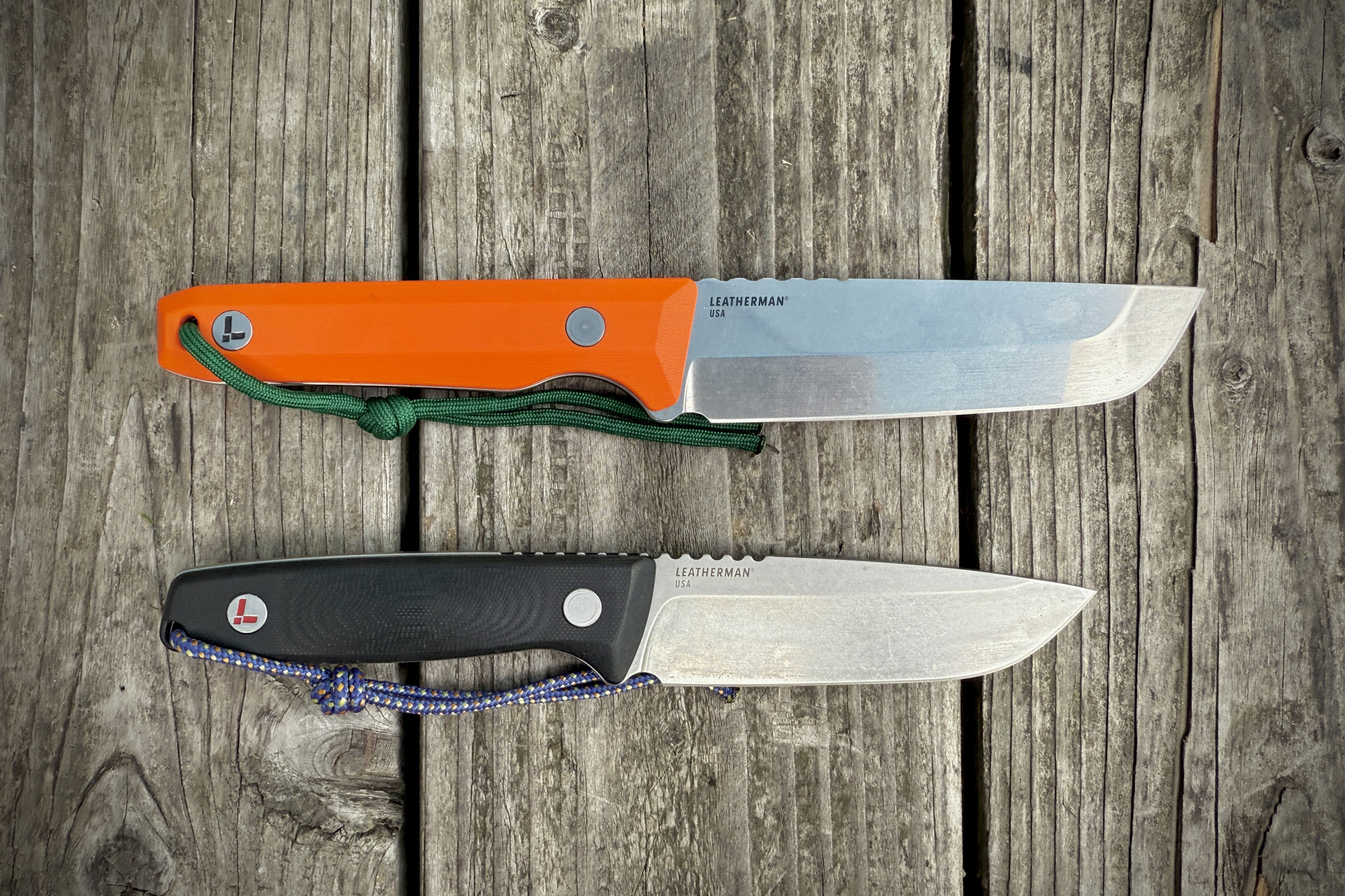
Choosing the right knife is vital for a pioneer’s survival. The knife must suit daily tasks and harsh conditions. Picking a knife means balancing cost, weight, and strength. The right choice helps with hunting, food preparation, and protection. A poorly chosen knife can fail when it matters most.
Budget Considerations
Knives come in many price ranges. A high price does not always mean better quality. Set a budget based on your needs and how often you will use the knife. Affordable knives can work well if made from good materials. Avoid very cheap knives that break easily or rust fast. Investing a bit more can get a knife that lasts longer and stays sharp.
Weight And Portability
Carrying a heavy knife can slow a pioneer down. Choose a knife light enough to carry all day. A compact knife fits easily in a pocket or belt sheath. The knife should feel balanced in hand, not bulky or awkward. Lightweight knives still need to be strong for cutting wood and skinning animals. Portability helps keep the knife ready for quick use.
Durability And Reliability
Durability means the knife can handle tough jobs without damage. Look for knives made with stainless steel or high carbon steel. The blade should resist rust and stay sharp after many uses. A full tang design, where the blade extends into the handle, adds strength. The handle must be sturdy and comfortable for long use. Reliable knives perform well in cold, wet, or rough environments.
Credit: gearjunkie.com
Historical Pioneer Knives
Historical pioneer knives were essential tools for survival. These knives helped pioneers with daily tasks. From cutting wood to preparing food, knives were reliable companions. Each knife had a specific purpose. The right knife could mean the difference between hardship and success on the frontier.
Popular Models
- Bowie Knife: Known for its large blade and versatility.
- Skinning Knife: Designed for cleaning animals and precise cuts.
- Hunting Knife: Used for general outdoor tasks and defense.
- Utility Knife: Smaller and handy for everyday chores.
Materials Used
Blades were mostly made from carbon steel. This material offered sharpness and durability. Handles came from wood, bone, or antler. These materials provided a good grip. Leather sheaths protected the blades. Pioneers often crafted or customized their knives.
Evolution Over Time
Early pioneer knives were simple and functional. Over time, designs improved for comfort and strength. Blade shapes adapted to different tasks. Handle materials became more varied. Steel quality increased, making blades last longer. Knives grew more specialized as pioneer needs changed.
Frequently Asked Questions
What Knives Are Essential For Pioneer Survival?
Essential pioneer knives include a fixed blade hunting knife, a versatile folding knife, and a sturdy utility knife. These knives serve for skinning, cutting wood, and daily tasks, ensuring survival and efficiency in the wilderness.
Why Is A Fixed Blade Knife Important For Pioneers?
A fixed blade knife offers durability and strength, ideal for heavy-duty tasks. Pioneers relied on it for chopping, carving, and food preparation without risk of blade failure.
How Does A Folding Knife Benefit Pioneers?
Folding knives are compact and portable, perfect for small tasks and easy carrying. They provide convenience for quick access and safer storage during pioneer travels.
What Features Should A Pioneer Survival Knife Have?
A good pioneer knife should have a sharp, corrosion-resistant blade, a comfortable handle, and a reliable sheath. These features ensure long-lasting use and safety in harsh environments.
Conclusion
Choosing the right knives helped pioneers survive tough times. A strong, sharp blade made daily tasks easier. Different knives served different needs, from cutting wood to preparing food. Carrying a reliable knife gave safety and confidence. Remember, a good knife is a tool and a friend.
Picking knives with care means being ready for any challenge. These tools helped pioneers live and thrive in the wild. Your survival depends on smart choices, just like theirs.