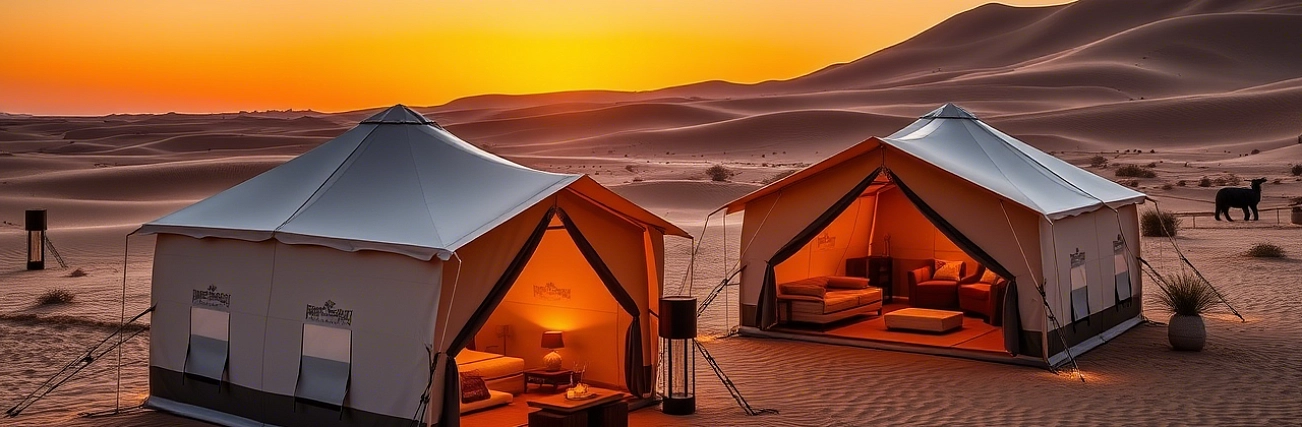
Imagine yourself standing under the blazing sun of the Sahara Desert. The heat is intense, and the vast, empty landscape stretches endlessly around you.
In this harsh environment, finding the right shelter isn’t just about comfort—it’s about survival. What kind of shelter would keep you safe from scorching heat by day and freezing cold by night? How can you protect yourself from sandstorms that can strike without warning?
You’ll discover exactly what shelter you need to survive in the Sahara. Keep reading to learn the essential tips that could make all the difference between life and danger in one of the world’s toughest places.

Credit: www.letsgoaero.com
Climate Challenges In The Sahara
Surviving in the Sahara means facing some of the toughest climate challenges on Earth. Understanding these obstacles helps you choose the right shelter to protect yourself effectively. The Sahara’s harsh environment tests every part of your shelter’s design, from temperature control to durability against sand and wind.
Extreme Temperatures
The Sahara experiences scorching heat during the day, often soaring above 120°F (49°C). At night, temperatures can drop drastically, sometimes below freezing. Your shelter must provide insulation against these wild temperature swings to keep you safe and comfortable.
Think about materials that reflect heat during the day but trap warmth at night. Lightweight fabrics combined with sturdy frames can help maintain a livable temperature inside. How will you balance protection from the blazing sun and the cold nights?
Sandstorms And Wind
Sandstorms in the Sahara can come suddenly, with winds strong enough to damage unprotected structures. Fine sand particles can penetrate most shelters, causing discomfort and damage. You need a shelter that is not only stable but also sealed tightly against dust infiltration.
Consider shelters with tight seams and wind-resistant shapes. Anchoring your shelter firmly is crucial to prevent it from being blown away. Have you planned how to secure your shelter when the wind picks up unexpectedly?
Scarcity Of Resources
Water, shade, and building materials are rare in the Sahara, making shelter construction a challenge. You will often have to rely on what you carry or find nearby, like rocks, sparse wood, or cloth. Designing a shelter that uses minimal resources yet provides maximum protection is key.
Think about multi-purpose shelter components that serve more than one function. Could your shelter collect condensation or provide shade while also acting as a windbreak? How can you make every resource count when survival depends on it?

Credit: www.youtube.com
Choosing The Right Shelter Type
Choosing the right shelter in the Sahara is crucial for survival. The desert’s extreme heat during the day and cold at night demand protection. The right shelter shields you from sun, wind, and sand. It also offers a place to rest and conserve energy. Different shelter types serve various needs and situations.
Natural Shelters
Natural shelters use the environment for protection. Rock formations and caves can block the sun and wind. These shelters are cool during the day and warm at night. Trees or bushes provide shade and some cover from sandstorms. Natural shelters require little effort but may be hard to find.
Portable Shelters
Portable shelters are easy to carry and set up. Tents and tarps made from lightweight materials work well. They protect against sun and sand while allowing airflow. Portable shelters are useful for moving across the desert. They offer flexibility but depend on what you carry.
Improvised Shelters
Improvised shelters use available materials to create quick protection. You can dig shallow pits to escape the wind. Using clothes or blankets, build shade structures. Sand can be piled to form wind barriers. These shelters take creativity and effort but save energy and provide relief.
Key Shelter Features
Choosing the right shelter in the Sahara is about more than just finding shade. Your shelter needs to handle extreme heat, fierce winds, and relentless sandstorms. Understanding the key features of a shelter can make the difference between enduring the desert or being overwhelmed by it.
Protection From Heat
Heat is the Sahara’s biggest threat during the day. Your shelter should block direct sunlight while minimizing heat absorption. Materials like reflective fabrics or light-colored cloths work best because they reflect sunlight instead of trapping heat.
Think about how your shelter can create a cool zone. A thick layer of insulation or natural materials like palm leaves can reduce temperature inside. Have you ever noticed how nomads use tents with multiple layers? It’s not just tradition—it’s smart heat management.
Wind And Sand Defense
The desert wind can turn into a sandstorm in minutes. Your shelter must stand firm against gusts and keep sand out. A low-profile design with sturdy anchors or weights prevents it from being blown away.
Walls or barriers that block wind at ground level are essential. Even small gaps can fill your shelter with fine sand, making it unbearable. Consider using tightly woven fabrics or natural barriers like rocks or shrubs if available.
Ventilation And Airflow
While you want protection, you also need airflow to avoid suffocation and extreme humidity inside your shelter. Good ventilation keeps air moving, preventing heat from building up.
Openings positioned to catch breezes without letting sand in are ideal. Adjustable flaps or screens can help you control airflow based on conditions. Can you imagine how refreshing a gentle breeze feels after hours under the desert sun?
Materials Suitable For Sahara Shelters
Choosing the right materials for shelter in the Sahara is vital. The extreme heat and cold nights demand smart choices. Shelter materials must protect from sun, wind, and cold. They should also be easy to find or carry. Here are some key materials that work well in the Sahara.
Local Natural Materials
Natural materials are often the best choice for Sahara shelters. They blend with the environment and provide good protection.
- Palm fronds:Common and easy to weave into roofs or walls.
- Clay and mud:Used to build thick walls that cool down interiors.
- Stone:Durable and keeps heat out during the day.
- Animal hides:Used for flexible coverings and insulation at night.
These materials are eco-friendly and widely available around the Sahara.
Modern Lightweight Fabrics
Modern fabrics help build quick, portable shelters. They are light and easy to carry on long journeys.
- Nylon:Strong, water-resistant, and dries fast.
- Polyester:Durable and resists UV damage.
- Ripstop fabrics:Tear-resistant and perfect for tents.
These fabrics often come with coatings to block sunlight and reflect heat.
Reflective And Insulating Options
Reflective materials keep shelters cooler by bouncing sunlight away. Insulating layers protect from cold desert nights.
- Mylar blankets:Lightweight and reflect up to 90% of sunlight.
- Foil-coated fabrics:Combine reflectivity with some insulation.
- Foam insulation panels:Used inside shelters to keep warmth inside at night.
These materials add comfort and improve survival chances in harsh Sahara conditions.
Building Shelter Step-by-step
Building shelter in the Sahara is a challenge that demands careful thought and hands-on effort. Your survival depends on creating a space that protects you from the scorching sun, biting winds, and freezing nights. Let’s break down the process into clear, doable steps so you can build a shelter that truly works.
Site Selection
Choosing where to build your shelter is critical. Look for natural features like rock formations or dunes that can shield you from the wind. Avoid low spots where water might collect during rare rains, as these can turn into mud traps.
Think about the sun’s movement. Can you position your shelter to catch shade during the hottest part of the day? This simple tactic can lower temperatures inside dramatically. Have you spotted any natural windbreaks nearby? Using them will save you time and materials.
Constructing The Frame
Your shelter’s frame must be sturdy but lightweight. Use flexible branches or sticks you find around, tying them securely with strips of cloth or vines. A simple A-frame shape works well to shed sand and resist wind.
Don’t overcomplicate it. The goal is to create a skeleton that holds up your cover without collapsing. I once tried a complex frame that took hours to build—later, I realized a basic frame would have been faster and just as strong.
Covering And Insulating
Cover your frame with materials that block sun and wind but also allow some ventilation. If you can find palm leaves, cloth, or even a tarp, use these as your outer layer. Remember, the Sahara’s cold nights mean insulation is just as important as shade.
Add layers of sand, dry grass, or even your own clothing inside the shelter to trap warmth. This creates a buffer against temperature swings. Have you considered how your shelter’s layers affect airflow? Too tight, and you might trap heat; too loose, and cold will seep in.

Credit: apnews.com
Maintaining Shelter In Harsh Conditions
Maintaining shelter in the Sahara’s harsh conditions is a constant challenge. The desert environment tests the strength and adaptability of any shelter you build. To survive, you must be ready to repair damage quickly, manage the relentless sand, and handle extreme temperature swings effectively.
Repairs And Reinforcements
Wind and sandstorms can quickly wear down your shelter’s structure. Regularly check for tears, loose bindings, or broken supports. Use strong materials like rope, fabric scraps, or even desert plants to patch holes and reinforce weak points.
Have extra supplies on hand to fix damage immediately. Waiting too long can let small problems turn into shelter failure. If possible, build your shelter with modular parts so you can replace damaged sections without starting over.
Dealing With Sand Accumulation
Sand piles up fast around your shelter, blocking entrances and weighing down roofs. Clear sand regularly using a shovel, broom, or even a piece of cloth. Creating a small barrier with rocks or wood can help reduce how much sand drifts inside.
Consider raising your shelter slightly off the ground to prevent sand buildup at the base. Would you rather spend hours digging out sand or prevent it from getting inside in the first place? This simple step saves time and energy daily.
Managing Temperature Fluctuations
The Sahara swings from scorching heat during the day to freezing cold at night. Use materials that provide insulation—thick fabrics or layered coverings work well. Ventilate your shelter during the day to release heat but close it tightly at night to keep warmth inside.
Adding reflective surfaces outside can deflect sunlight and lower daytime temperatures. Have you thought about how your shelter’s design can keep you cool and warm without extra energy? Smart planning here can protect you from dangerous temperature shifts.
Additional Survival Tips
Surviving in the Sahara requires more than just finding shelter. You need to manage your resources wisely, move carefully, and communicate your situation effectively. These additional survival tips will help you stretch your limits and increase your chances of rescue.
Water Conservation
Water is your most precious asset in the desert. Avoid drinking too often; instead, take small sips to stay hydrated longer.
Limit physical activity during the hottest hours to reduce sweating. Use any available containers to collect dew or condensation overnight.
If you find a water source, purify it before drinking to prevent illness. Always ration your water carefully, because running out quickly can be fatal.
Navigating The Desert
Traveling in the Sahara is tricky. Use the sun’s position or stars at night to keep your bearings.
Mark your path with stones or other visible signs to avoid going in circles. Avoid crossing vast open spaces without landmarks.
Consider moving at dawn or dusk when temperatures are lower. Ask yourself: Are you moving towards a known landmark or just wandering?
Signaling For Help
Getting rescued depends on being seen or heard. Use mirrors, shiny objects, or bright fabric to catch the attention of planes or distant travelers.
Create large SOS signs on the ground with rocks or footprints. Use a whistle or shout in intervals to conserve energy.
Remember, patience is key. Signals that contrast with the desert landscape increase your chances of being noticed quickly.
Frequently Asked Questions
What Type Of Shelter Is Best For Sahara Survival?
A compact, reflective, and insulated shelter works best. It blocks heat during the day and retains warmth at night. Lightweight materials are ideal for easy transport and setup.
How To Protect Shelter From Sahara Sandstorms?
Use strong anchors like stakes or heavy rocks to secure your shelter. Choose a low-profile design to reduce wind impact. Seal openings tightly to prevent sand intrusion.
Can Natural Shelters Provide Enough Protection In Sahara?
Natural shelters like rock overhangs offer shade and windbreaks. However, they rarely provide full protection from extreme heat or cold. Supplement with additional insulation or shelter materials.
What Materials Are Ideal For Sahara Shelters?
Reflective tarps, breathable fabrics, and insulating foam are excellent. These materials reduce heat absorption and trap cool air inside. Avoid heavy, non-breathable materials that increase heat.
Conclusion
Surviving in the Sahara needs the right shelter. Shade from the sun keeps you cool. Protection from wind stops sand from hurting you. A simple, sturdy shelter saves your energy. Always choose materials that are easy to find. Keep your shelter low and close to the ground.
This helps keep out strong desert winds. Shelter is key to staying safe and healthy. Prepare well, and the desert becomes less harsh. Your survival depends on smart shelter choices. Stay safe, stay strong, and respect the desert’s power.


