When a hurricane is heading your way, being prepared can make all the difference between safety and chaos. You might think you have everything you need, but do you really?
Knowing exactly what should be in a hurricane survival kit can save your life and protect your loved ones. You’ll discover the essential items that will keep you ready for the storm, so you can face any emergency with confidence.
Keep reading to make sure your kit has everything you need when it matters most.
Basic Supplies
Having the right basic supplies in your hurricane survival kit can make a huge difference when disaster strikes. These essentials ensure you stay safe, healthy, and comfortable even if help takes time to arrive. Think about the last time you were without power or water—how much did it disrupt your day? Now imagine that on a larger scale during a hurricane.
Water And Hydration
Water is the most critical item in your survival kit. Aim to store at least one gallon of water per person per day for a minimum of three days. Bottled water is ideal, but you can also include water purification tablets or a portable filter to make any available water safe to drink.
Don’t forget to check expiration dates regularly and replace old water. Staying hydrated keeps your body functioning well under stress and helps prevent serious health issues. Could you manage to stay alert and strong without enough water?
Non-perishable Food
Choose foods that don’t spoil quickly and don’t require cooking. Canned goods, protein bars, dried fruits, nuts, and ready-to-eat meals work well. Be sure to include a manual can opener if you pack canned foods.
Also, think about your personal preferences and dietary needs. If you have kids or pets, add suitable options for them too. How would you feel if you ran out of food during those critical days after a hurricane?
First Aid Essentials
A well-stocked first aid kit is vital. Include bandages, antiseptic wipes, adhesive tape, scissors, tweezers, pain relievers, and any prescription medications you need. Adding items like allergy medicine and insect repellent can be lifesaving.
Regularly inspect your kit to replace used or expired items. Knowing you can treat minor injuries or manage health issues on your own can ease your mind in an emergency. Are you prepared to handle a cut or fever without immediate medical help?

Credit: www.amazon.ca
Tools And Equipment
Tools and equipment are essential for staying safe during a hurricane. They help you manage power outages, communicate, and handle small repairs. Preparing these items in advance can ease stress and protect your family.
Flashlights And Batteries
Flashlights provide light when electricity goes out. Choose LED flashlights for longer battery life. Keep extra batteries ready and check them regularly. Avoid using candles to prevent fire risks.
Multi-tool And Knife
A multi-tool combines several tools in one compact device. It usually includes pliers, screwdrivers, and scissors. A sharp knife is useful for cutting ropes or opening packages. Carry these tools in a sturdy case for safety.
Portable Radio
A portable radio keeps you updated on weather alerts and news. Battery-powered or hand-crank radios work without electricity. Choose one with a built-in flashlight for extra convenience. Always keep spare batteries or charge it fully before the storm.
Clothing And Protection
Clothing and protection play a vital role in staying safe during a hurricane. Proper attire shields you from harsh weather and helps prevent injuries. The right gear keeps you comfortable and ready for emergencies. Choose items that protect against wind, rain, and debris. Always prepare for changing conditions to avoid discomfort or danger.
Weather-appropriate Clothing
Select clothes that suit the season and expected weather. Lightweight, breathable fabrics work well in warm climates. Layering helps adjust to temperature changes quickly. Long sleeves and pants protect skin from scratches and insects. Avoid cotton, which stays wet and cold. Opt for moisture-wicking materials to stay dry.
Rain Gear
Rain gear is essential during heavy downpours. Waterproof jackets and ponchos shield you from rain and wind. Choose gear with sealed seams for better protection. Compact rain gear fits easily in your kit. A good rain hat or hood keeps your head dry. Staying dry prevents chills and illness.
Sturdy Footwear
Footwear must be strong and reliable. Waterproof boots protect feet from water and sharp objects. Closed-toe shoes prevent cuts and bruises. Avoid sandals or flip-flops that offer little protection. Non-slip soles help keep balance on wet surfaces. Pack extra socks to change if shoes get soaked.
Communication Items
Communication is one of the most critical aspects of staying safe during a hurricane. Power outages and network disruptions can happen without warning, making it tough to reach loved ones or emergency services. Having the right communication items in your survival kit ensures you stay connected when it matters most.
Emergency Contact List
Keep a printed list of important phone numbers in your kit. Include family members, neighbors, doctors, local emergency services, and utility companies. Relying solely on your phone’s contact list can be risky if your device runs out of power or gets damaged.
Think about the last time you scrambled to find a number during a stressful situation. Having that list ready can save you precious time and reduce panic. Store it in a waterproof bag to protect it from rain or flooding.
Chargers And Power Banks
Chargers alone won’t help if you lose electricity. That’s why you need power banks or portable chargers. Choose ones with high capacity so you can recharge your phone multiple times.
Don’t forget to fully charge these devices before the storm hits. Consider solar chargers as a backup—they can be a lifesaver when outlets aren’t an option. How prepared are you to keep your devices powered during long outages?
Whistle Or Signal Devices
Sometimes electronic devices fail. A whistle or other signal device can alert rescuers or neighbors to your location. It’s a simple, low-tech tool that can make a huge difference in emergencies.
Keep it within easy reach, and teach your family how and when to use it. Could a small whistle be the key to getting help faster in a crisis?
Personal Documents
Personal documents are essential items in your hurricane survival kit. They help prove your identity, access emergency services, and recover quickly after the storm. Without these papers, you could face delays and complications during a critical time.
Identification Papers
Keep your driver’s license, passport, and any other ID cards in a waterproof bag. These documents confirm who you are and are crucial if you need to evacuate or access emergency shelters.
Think about this: How would you prove your identity if everything else was lost? Having these papers ready can save you from unnecessary stress.
Insurance Documents
Include copies of your home, health, and auto insurance policies. Store them digitally on a secure cloud service and carry hard copies in a sealed plastic folder.
After a hurricane, insurance claims are often time-sensitive. Having these documents handy speeds up the process and helps you get back on your feet faster.
Cash And Credit Cards
Power outages can disable ATMs and card readers. Keep some cash in small bills along with your credit and debit cards in your survival kit.
Ask yourself: Would you be able to buy essentials if electronic payments fail? Having cash ensures you can purchase what you need without delay.
Special Needs
Special needs require extra attention when assembling your hurricane survival kit. Your kit must support everyone’s health and comfort, not just the basics. Overlooking these details can lead to unnecessary stress during an emergency.
Medications And Prescriptions
Always pack at least a week’s supply of essential medications, including prescriptions, in a waterproof container. Keep a copy of your prescriptions and a list of dosages in your kit. This helps if you need to refill medications quickly or explain your needs to medical personnel.
Think about adding over-the-counter pain relievers, allergy medicines, and any specific health aids you regularly use. Have you checked your medication expiration dates lately? Staying current can prevent issues when you need them most.
Baby And Pet Supplies
If you have a baby or pet, your kit must go beyond food and water. Diapers, formula, baby wipes, and a portable changing pad are essentials for infants. For pets, pack enough food, water, medications, and comfort items like toys or blankets.
Don’t forget to include a carrier or leash and copies of vaccination records. How would you manage if you had to evacuate quickly? Preparing these items in advance saves time and reduces panic.
Glasses And Hearing Aids
Backup glasses or contact lenses are vital if you rely on them daily. Store them in a sturdy case to avoid damage. Hearing aid batteries or chargers should also be included, as power outages can last for days.
Consider packing cleaning supplies for these devices to keep them functional. Have you thought about how hard it would be to communicate without your hearing aids during a storm? Keeping these items handy ensures you stay connected and safe.
Additional Comfort Items
Additional comfort items make a hurricane survival kit more bearable. They help reduce stress and keep spirits high during difficult times. Small comforts can improve your well-being when basic needs are met.
Blankets And Sleeping Bags
Warm blankets and sleeping bags provide essential warmth and comfort. They protect against cold, damp conditions inside shelters. Choose lightweight, compact options for easy storage and transport. Extra blankets can also serve as cushions or privacy screens.
Books And Entertainment
Books offer mental escape and reduce boredom during long waits. Pack a mix of genres to suit all ages. Include puzzles, cards, or small board games for group fun. Entertainment helps maintain a positive mindset in tough situations.
Sanitation And Hygiene Products
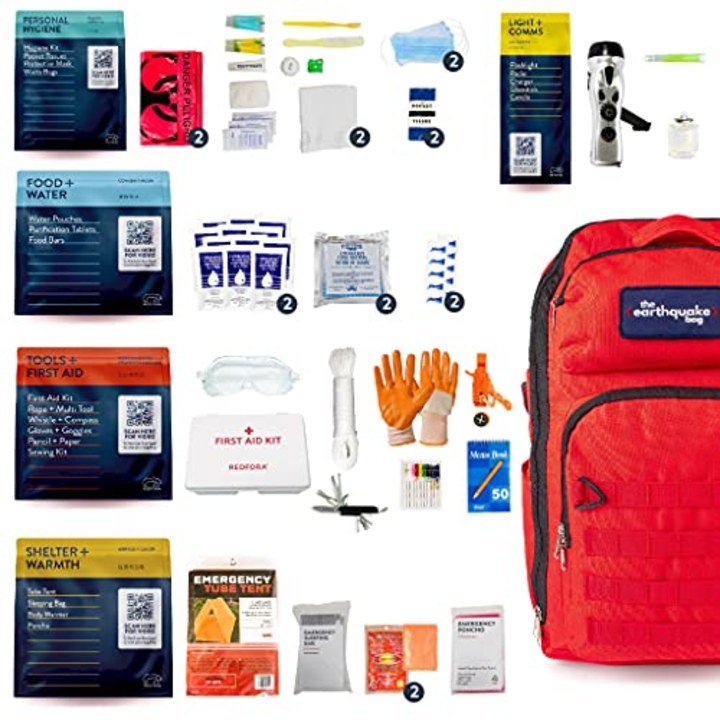
Personal hygiene products keep you clean and healthy. Include soap, hand sanitizer, wet wipes, and toothbrushes. Sanitation items reduce illness risks in crowded shelters. Small trash bags help manage waste and keep spaces tidy.
Credit: www.nbcnews.com

Credit: www.schoolhealth.com
Frequently Asked Questions
What Essential Items Are In A Hurricane Survival Kit?
A hurricane survival kit should include water, non-perishable food, a flashlight, batteries, a first aid kit, and important documents. Also, add personal hygiene items, a multi-tool, and weather radio to stay safe and informed during emergencies.
How Much Water Is Needed For Hurricane Emergencies?
It is recommended to store at least one gallon of water per person per day. Plan for a minimum of three days to ensure hydration during a hurricane or evacuation.
Why Are Batteries Important In A Hurricane Kit?
Batteries power essential devices like flashlights, radios, and medical equipment. Having extra batteries ensures you stay informed and safe when electricity is unavailable.
Should I Include Medications In My Hurricane Kit?
Yes, include a supply of prescription medications and basic first aid supplies. This helps manage health conditions and treat minor injuries during and after a hurricane.
Conclusion
A hurricane survival kit keeps you safe during storms. Pack water, food, and first aid supplies. Include flashlights, batteries, and important documents. Don’t forget clothes and hygiene items. Check your kit often and update it. Being prepared helps you face emergencies calmly.
Safety starts with simple, ready-to-use items. Make your kit today to protect your family. Stay ready, stay safe.