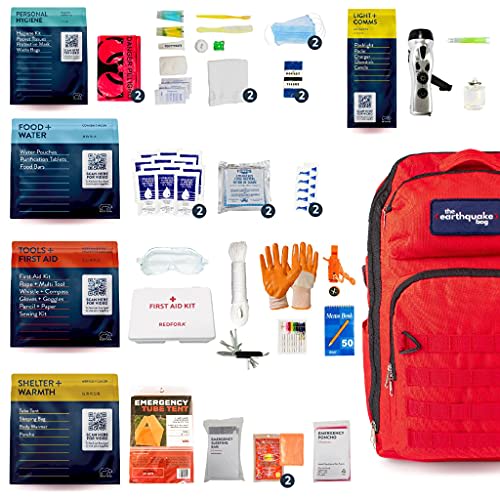
Imagine feeling the ground shake beneath your feet without warning. In those crucial moments, having the right tools can make all the difference between safety and danger.
You might think an earthquake won’t happen to you, but being prepared is the smartest choice you can make right now. What exactly should you have ready in your earthquake survival kit? Keep reading, and you’ll discover the essential items that could protect you and your loved ones when every second counts.

Credit: www.amazon.com
Water Supply
Water is the most important item in an earthquake survival kit. You need enough clean water to stay hydrated for several days. Water keeps your body working and helps avoid sickness. Without water, survival becomes very hard quickly. Storing water safely and knowing how to purify it are key parts of preparation.
Amount Needed
Plan for at least one gallon of water per person each day. This amount covers drinking and basic hygiene. For a three-day supply, multiply the number of people by three gallons. Children and elderly may need slightly less, but it is best to have extra. Keep in mind hotter weather and physical activity increase water needs.
Storage Tips
- Use food-grade plastic containers or water storage tanks.
- Keep water in a cool, dark place away from chemicals.
- Seal containers tightly to prevent contamination.
- Label containers with the date you stored the water.
- Replace stored water every six months to ensure freshness.
Purification Methods
- Boil water for at least one minute to kill germs.
- Use water purification tablets following package instructions.
- Filter water with a portable water filter designed for emergencies.
- Household bleach can disinfect water; use 8 drops per gallon.
- Let treated water sit for 30 minutes before use.

Credit: www.amazon.ca
Food Essentials
Food is a vital part of any earthquake survival kit. It keeps your energy up during stressful times. Choose items that last long and are easy to eat. Focus on foods that need no cooking or refrigeration. Keep a mix of taste and nutrition to stay strong.
Non-perishable Options
- Canned vegetables, fruits, and meats
- Dry cereals and granola bars
- Peanut butter and nut butters
- Instant noodles and soups
- Dried fruits and nuts
- Powdered milk and protein shakes
- Ready-to-eat meals (MREs)
Nutritional Value
Include foods rich in protein, carbohydrates, and fats. Protein helps repair body tissues and keeps you full. Carbohydrates provide quick energy. Healthy fats support brain function and energy storage.
Look for vitamins and minerals too. Salt, potassium, and calcium are essential. Avoid foods high in sugar or empty calories. Balanced nutrition aids in recovery and endurance.
Storage Guidelines
- Store food in a cool, dry place.
- Use airtight containers to prevent moisture.
- Label items with purchase or expiration dates.
- Rotate food supplies every six months.
- Keep foods away from direct sunlight.
- Store foods separately from chemicals or cleaners.
First Aid Supplies
First aid supplies are essential for any earthquake survival kit. They help treat injuries until professional help arrives. Having the right items can prevent infections and ease pain. Organize these supplies so you can find them quickly during an emergency.
Basic Medical Items
- Adhesive bandages in various sizes
- Sterile gauze pads and rolls
- Medical tape for securing dressings
- Antiseptic wipes or solution
- Disposable gloves to prevent contamination
- Scissors and tweezers for wound care
- Elastic bandages for sprains and strains
Medications To Include
- Pain relievers like ibuprofen or acetaminophen
- Antihistamines for allergic reactions
- Antibiotic ointment to prevent infection
- Anti-diarrheal medicine
- Oral rehydration salts for dehydration
- Any personal prescription medications
Emergency Care Tools
- CPR face shield or mask
- Thermometer to check for fever
- Instant cold packs for swelling
- Burn cream or gel
- Splints to immobilize broken bones
- Flashlight with extra batteries
Tools And Equipment
Having the right tools and equipment in an earthquake survival kit is vital. These items help you handle emergencies and stay safe. Choose gear that is compact, durable, and multi-functional. Proper equipment supports basic needs like cutting, lighting, and communication. These tools improve your chances of managing tough situations after an earthquake.
Multi-purpose Tools
Multi-purpose tools are essential in an earthquake kit. They save space and reduce weight. Look for tools that include:
- Knife or blade for cutting materials
- Screwdriver heads for repairs
- Pliers for gripping and bending
- Can opener for canned food
- Wire cutters for emergency fixes
These tools help with building shelters, opening packages, and fixing broken items.
Lighting Sources
Lighting is crucial after an earthquake. Power outages are common. Reliable light helps avoid injuries and find supplies. Good options include:
- LED flashlights for bright, long-lasting light
- Headlamps to keep hands free
- Glow sticks as a safe backup
- Extra batteries stored separately
Choose lighting that works well in dark and dusty environments.
Communication Devices
Staying connected can save lives. Communication devices help you call for help or receive updates. Pack these devices:
- Battery-powered or hand-crank radio for news
- Fully charged mobile phone with power bank
- Whistle for signaling rescue teams
Keep devices protected in waterproof cases. Regularly check batteries and charge levels.
Clothing And Shelter
Proper clothing and shelter are vital in an earthquake survival kit. They protect your body from harsh weather and injuries. Choosing the right items ensures comfort and safety during emergencies. Focus on durable, warm, and easy-to-carry options.
Protective Clothing
Wear clothes that shield you from cuts and scrapes. Thick, long-sleeve shirts and pants made of sturdy fabric work best. Include a pair of gloves to protect your hands. Waterproof jackets help in wet conditions. Sturdy boots with good grip prevent foot injuries. Pack extra socks to keep feet dry and warm.
Blankets And Sleeping Bags
Warmth is crucial after an earthquake, especially at night. Lightweight thermal blankets save space and keep heat. A sleeping bag rated for low temperatures adds comfort. Choose compact, easy-to-carry blankets and bags. Wool blankets resist moisture and provide extra warmth. Keep these items dry and ready to use.
Temporary Shelter Options
Temporary shelter protects from rain, wind, and cold. A small tent is ideal for easy setup and protection. Tarps are lightweight and versatile for makeshift shelters. Rope or paracord helps secure shelters firmly. Emergency bivvy sacks are compact and heat-reflective. Carry stakes or heavy objects to anchor your shelter firmly.
Personal Documents And Cash
Having your personal documents and cash ready is crucial for earthquake survival. These items can help you prove your identity, access services, and manage expenses when usual systems are disrupted. Without them, you might face delays or difficulties in getting help and resources.
Important Documents To Keep
Gather essential documents that prove your identity and important personal information. This includes:
- Passport and driver’s license
- Birth certificates and Social Security cards
- Medical records and insurance policies
- Property deeds and vehicle titles
- Bank account and credit card information
Think about which documents you can’t replace easily. Keeping these ready can save you stress and time during emergencies.
Secure Storage Methods
Protect your documents from damage caused by water, fire, or physical impact. Use a waterproof and fireproof document bag or a small safe. You can also make digital copies and store them securely on an encrypted USB drive or cloud service.
Have you ever lost access to important papers due to damage? Taking simple steps to secure your documents can prevent that from happening when you need them most.
Emergency Cash
ATMs and banks might be inaccessible after an earthquake, so keep some cash on hand. Store a mix of small bills and coins, enough to cover at least a few days of expenses like food, water, and transportation.
Place this cash in a secure, easy-to-reach spot within your survival kit. How much cash would you need if electronic payments stopped working right now?
Sanitation And Hygiene
Sanitation and hygiene play a vital role in earthquake survival kits. Cleanliness helps prevent diseases and keeps you healthy in tough times. Preparing for emergencies means having the right supplies to maintain hygiene.
Cleaning Supplies
Basic cleaning supplies help keep your environment safe. Include items like:
- Disinfectant wipes
- Household bleach
- Spray bottles
- Sponges and scrub brushes
- Disposable gloves
Use these to clean surfaces, hands, and utensils regularly. Clean surroundings reduce the risk of infections.
Waste Disposal Solutions
Proper waste disposal is crucial during emergencies. Pack:
- Heavy-duty trash bags
- Seal-able plastic bags
- Portable toilet or bucket with lid
- Sanitary wipes
These items help contain waste safely. Avoid attracting pests and spreading germs by sealing waste tightly.
Personal Hygiene Items
Keep personal hygiene items ready for daily use. Essential items include:
- Soap or hand sanitizer
- Toothbrush and toothpaste
- Feminine hygiene products
- Wet wipes and tissues
- Small towels or washcloths
Maintaining personal cleanliness supports overall health and comfort during difficult times.
Special Needs Items
Special needs items are crucial for an earthquake survival kit. Every family member has unique requirements. Preparing for these needs ensures safety and comfort during emergencies.
Baby And Child Supplies
- Formula, baby food, and bottles
- Diapers and wipes
- Extra clothing and blankets
- Favorite toys or comfort items
- Baby medications and first aid
Pet Care Essentials
- Pet food and water bowls
- Leash, collar, and ID tags
- Medications and medical records
- Waste bags and litter supplies
- Comfort items like toys or blankets
Items For Elderly Or Disabled
- Prescription medications and copies
- Mobility aids like canes or walkers
- Hearing aids and extra batteries
- Glasses or contact lenses
- Emergency contact information
Emergency Planning
Emergency planning is the backbone of any effective earthquake survival kit. It ensures that every family member knows exactly what to do when the ground shakes. Without a clear plan, panic can take over, making it harder to stay safe and reunite after the event.
Family Communication Plan
Creating a family communication plan is essential. Decide on a primary contact person outside your immediate area. This person can help relay information if local phone lines are busy or down.
Make sure everyone has this contact’s number saved on their phone and written down on a card. Share your plan with neighbors or close friends so they can assist if needed. Knowing how to reach each other reduces confusion and stress during an emergency.
Evacuation Routes
Identify multiple evacuation routes from your home, workplace, and school. Roads might be blocked or damaged after an earthquake, so having alternatives is critical.
Mark these routes on a map and keep a copy in your emergency kit. Discuss safe meeting points where your family can gather if you get separated. Regularly update your routes as your neighborhood or traffic patterns change.
Practice Drills
Practice drills turn your emergency plan into muscle memory. Schedule regular drills so everyone understands what to do without hesitation.
Include “drop, cover, and hold on” exercises and simulate evacuations. After drills, talk about what worked and what didn’t to improve your plan continuously. Would your family know where to go and how to act right now?

Credit: moreprepared.com
Frequently Asked Questions
What Essential Items Are In An Earthquake Survival Kit?
An earthquake survival kit should include water, non-perishable food, a first aid kit, flashlight, batteries, and a whistle. Also, add important documents, a multi-tool, and emergency blankets. These items help you stay safe and meet basic needs during and after an earthquake.
How Much Water Should I Store For Earthquake Safety?
Store at least one gallon of water per person per day. Plan for a minimum of three days. Water is crucial for hydration, hygiene, and basic survival after an earthquake disrupts water supplies.
Why Include A First Aid Kit In An Earthquake Kit?
A first aid kit treats injuries when medical help is delayed. Earthquakes can cause cuts, bruises, or fractures. Having bandages, antiseptics, and pain relievers helps manage wounds and prevent infections until help arrives.
Should I Add Food To My Earthquake Survival Kit?
Yes, include non-perishable, easy-to-prepare food. Examples are canned goods, energy bars, and dried fruits. Food supplies maintain energy and strength when access to fresh food is limited after an earthquake.
Conclusion
Having a well-packed earthquake survival kit saves lives and reduces stress. Keep water, food, and first aid supplies ready. Include tools, flashlights, and important documents. Check your kit often and replace expired items. Teach family members how to use the kit.
Being prepared helps you stay safe and calm during emergencies. Don’t wait—start building your kit today. Safety starts with simple steps and careful planning. Stay ready, stay safe.