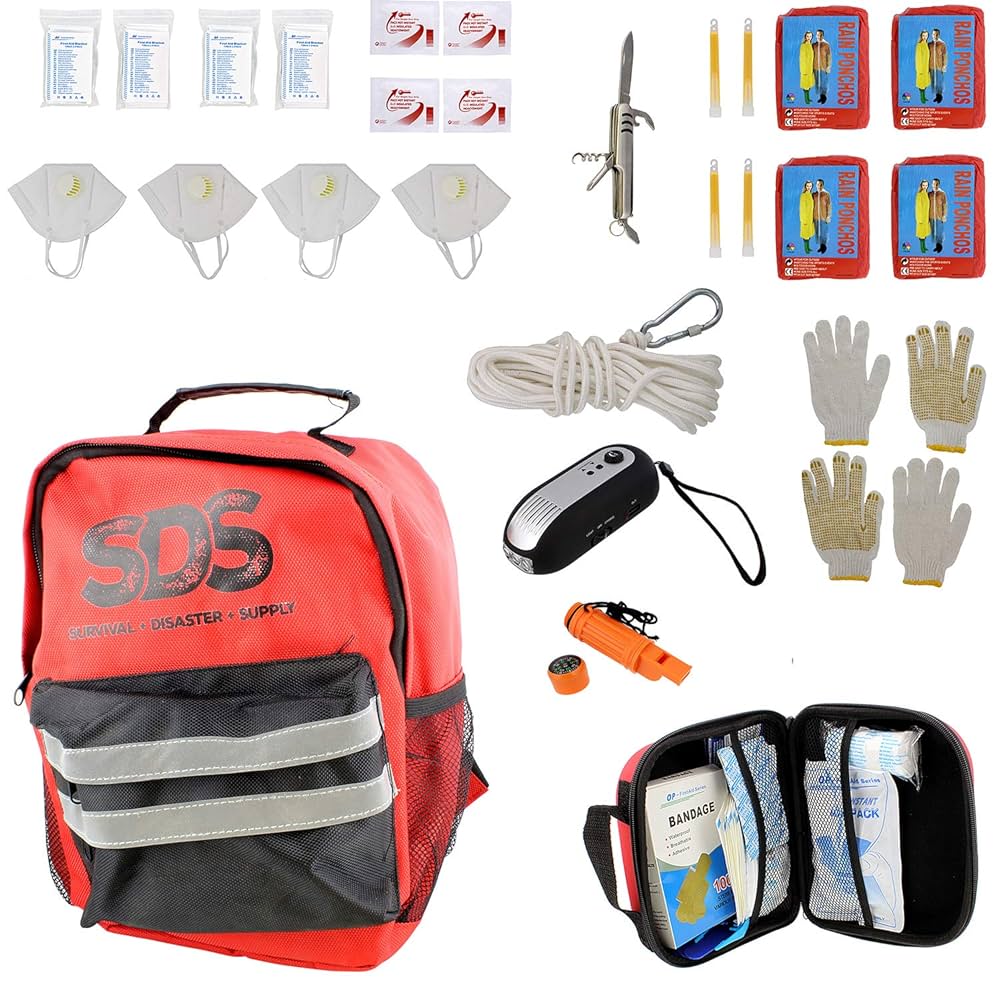
When an earthquake strikes, every second counts. You might not have time to think or search for what you need.
That’s why having a well-packed earthquake survival kit is so important. But what exactly should you put in it? You want to be prepared without carrying unnecessary weight. You’ll discover the essential items that can keep you safe, comfortable, and connected when disaster hits.
Read on to make sure your survival kit has everything you need to protect yourself and your loved ones.

Credit: www.amazon.ca
Basic Supplies
Having the right basic supplies in your earthquake survival kit can make all the difference when disaster strikes. These essentials help you stay safe, healthy, and comfortable while waiting for help or until conditions improve. Think about what you really need to survive the first 72 hours after an earthquake.
Water And Hydration
Water tops the list of basic supplies. Your body can survive days without food but only hours without water. Aim to store at least one gallon of water per person per day for drinking and hygiene.
Consider adding water purification tablets or a portable water filter to your kit. They can help you access safe water if your supply runs out. Have you checked the expiration dates on your bottled water recently?
Non-perishable Food
Choose foods that last long without refrigeration and are easy to prepare. Canned goods, dried fruits, nuts, energy bars, and ready-to-eat meals are solid options. Don’t forget a manual can opener if your food isn’t in easy-open containers.
Think about your dietary needs and preferences. If you have children, include baby food or formula. Including comfort snacks can boost morale when stress levels are high.
First Aid Kit
A well-stocked first aid kit is crucial. It should include bandages, antiseptic wipes, adhesive tape, scissors, tweezers, and pain relievers. Remember to add any personal medications and allergy treatments you or your family members need.
Check your kit regularly to replace used or expired items. Knowing how to use each item can be a lifesaver. Have you practiced basic first aid skills recently?

Credit: www.amazon.com
Tools And Equipment
Having the right tools and equipment in your earthquake survival kit can make a huge difference when seconds count. These items help you handle unexpected challenges, stay safe, and communicate your needs. Think about what you might really need if trapped or without power.
Multi-tool And Knife
A multi-tool is a small powerhouse packed with functions like pliers, screwdrivers, and scissors. It saves space and lets you tackle a wide range of problems—from cutting debris to fixing gear. Pair it with a sturdy knife for tasks that require a sharper edge or more control.
Imagine needing to cut through a tangled mess or open canned food—without these, you might struggle. Choose a multi-tool with a locking blade and rust-resistant parts to ensure durability.
Flashlight And Batteries
Power outages are common after earthquakes, so a reliable flashlight is essential. LED flashlights offer bright light and long battery life, perfect for navigating in the dark. Always pack extra batteries to keep your light source ready when you need it most.
Have you tested your flashlight recently? Dead batteries won’t help in an emergency. Consider a hand-crank or solar-powered flashlight as a backup to avoid relying solely on disposable batteries.
Whistle And Signal Mirror
Being heard or seen by rescuers can save your life. A whistle is a simple, lightweight tool that can carry sound much farther than shouting. It also uses less energy, which is crucial if you’re injured or exhausted.
Signal mirrors reflect sunlight to catch the attention of search teams from a distance. They’re compact and require no batteries, making them a smart addition to your kit. Would you know how to use these signals effectively if trapped?
Safety And Protection
Safety and protection are the backbone of any earthquake survival kit. After the initial shaking stops, hazards like dust, sharp debris, and cold can pose serious risks. Preparing yourself with the right gear can make the difference between staying safe or getting hurt.
Dust Masks And Gloves
Dust masks shield your lungs from harmful particles stirred up by collapsed buildings and rubble. Without one, you risk breathing in dangerous dust that can cause respiratory problems.
Gloves protect your hands from sharp objects and rough surfaces when you need to clear debris or navigate broken glass. Choose durable, heavy-duty gloves that fit well to maintain dexterity.
Have you ever tried moving rubble with bare hands? It’s painful and risky. Adding these simple items ensures you can act quickly and safely.
Emergency Blanket
Temperature can drop suddenly after an earthquake, especially if you’re stuck outside or in a damaged building. An emergency blanket traps body heat, helping to prevent hypothermia.
These blankets are compact and lightweight, so they won’t take up much space in your kit. They also serve as ground covers or signal devices if needed.
Think about how staying warm might keep your energy up and your mind clear during a stressful situation.
Sturdy Footwear
After an earthquake, the ground can be littered with nails, glass, and other sharp debris. Wearing sturdy shoes with thick soles protects your feet from injury.
Slip-on shoes might be easy, but they won’t offer the support or protection needed in a disaster. Opt for boots or closed-toe shoes that you can move quickly in.
How often do you keep your toughest shoes handy? Having reliable footwear ready can save you from painful cuts and keep you mobile when it matters most.
Communication Devices
Communication devices are vital in an earthquake survival kit. They help you receive updates and call for help. Power outages often follow earthquakes, so devices must work without grid electricity. Choose tools that keep you connected and informed in tough situations.
Battery-powered Radio
A battery-powered radio delivers news and emergency alerts. It works even when phones lose signal or power. Look for radios with NOAA weather band to get official warnings. Carry extra batteries to ensure long use during outages.
Extra Phone Batteries Or Power Banks
Phones are key for calling and texting after a quake. Spare batteries or power banks keep them charged. Pick power banks with enough capacity for multiple charges. Store chargers and cables together to avoid losing them.
Personal Items
Your earthquake survival kit isn’t just about food and water—it’s also about the personal items that keep your life running smoothly during an emergency. These essentials help you maintain a sense of normalcy and take care of your immediate needs when everything else feels uncertain. Think about what you absolutely cannot live without for a few days, and make sure those items have a spot in your kit.
Important Documents
Imagine trying to prove your identity or access your bank account after an earthquake without any paperwork. Keep copies of important documents like your ID, passport, insurance policies, and medical records in a waterproof bag. You might also want to add digital backups on a USB drive stored safely with your kit.
Cash And Coins
After a major earthquake, ATMs and credit card systems might be down. Having some cash and coins on hand can help you buy essentials or pay for emergency services. Small bills are easier to use in vending machines or for quick purchases, so prioritize those when you stock your kit.
Medications And Prescriptions
Your survival kit should include a supply of any prescription medications you take regularly. Don’t forget to add over-the-counter pain relievers, allergy medicine, and basic first aid supplies. You might also want to include a list of your prescriptions and dosages in case you need to see a doctor or refill your meds later.

Credit: 72hours.ca
Additional Comforts
Beyond the essentials like food, water, and first aid, adding comforts to your earthquake survival kit can make a huge difference in tough moments. These extras not only help meet basic needs but also support your well-being and morale. Think about what will keep you warm, clean, and mentally balanced while you wait for help or conditions to improve.
Clothing And Shelter
Having extra clothing can protect you from cold, damp, or dusty conditions after an earthquake. Include items like thermal socks, a hat, gloves, and a sturdy jacket. A compact emergency blanket or lightweight tarp adds shelter options, helping you stay dry and warm if you need to spend time outside.
Have you ever been caught in unexpected bad weather? Imagine how much better you’d feel with proper layers and a shelter to retreat to. These comforts aren’t luxuries—they can prevent hypothermia and keep you comfortable through long waits.
Sanitation Supplies
Maintaining hygiene is critical but often overlooked. Pack moist towelettes, hand sanitizer, and a small roll of toilet paper or tissue. A portable toilet bag or waste disposal bags can keep your space clean and reduce health risks.
When was the last time you realized how much you rely on sanitation for comfort? These supplies help you stay healthy and preserve your dignity during chaotic situations.
Entertainment And Stress Relief
Stress can drain your energy faster than hunger or cold. Include simple items like a deck of cards, a small notebook and pen, or a puzzle book. These distractions can calm your mind and help you stay positive.
Have you noticed how a little mental break can recharge your spirits? Even in survival mode, moments of calm can boost your resilience and improve decision-making.
Frequently Asked Questions
What Essentials Are In An Earthquake Kit?
An earthquake survival kit should include water, non-perishable food, a flashlight, batteries, a first aid kit, and a whistle. Additionally, add a multi-tool, dust masks, local maps, and a battery-powered radio. Customize your kit with personal items like medications and important documents for added safety and preparedness.
How Much Water Should I Store?
Store at least one gallon of water per person per day. It’s recommended to have a three-day supply for emergencies. Ensure the water is in sealed, safe containers. Don’t forget pets; they need water too. Regularly check and refresh your water supply to maintain its safety.
Are Canned Foods Good For Earthquake Kits?
Yes, canned foods are excellent for earthquake kits. They are non-perishable and have long shelf lives. Choose items like beans, vegetables, and fruits. Include a manual can opener in your kit. Rotate your stock regularly to ensure freshness and nutritional value during an emergency.
Why Is A First Aid Kit Important?
A first aid kit is crucial for treating injuries during an earthquake. It should contain bandages, antiseptic wipes, adhesive tape, and pain relievers. Include any personal medications. Quick access to first aid supplies can prevent minor injuries from becoming serious, ensuring your safety and well-being.
Conclusion
An earthquake survival kit can save lives. Pack water, food, and first aid supplies. Include a flashlight, batteries, and important documents. Don’t forget tools like a whistle and wrench. Keep the kit in an easy-to-reach place. Check and update your kit regularly.
Being ready helps you stay safe and calm. Small steps today make a big difference later. Prepare now to protect yourself and your family. Safety starts with smart choices and good planning.