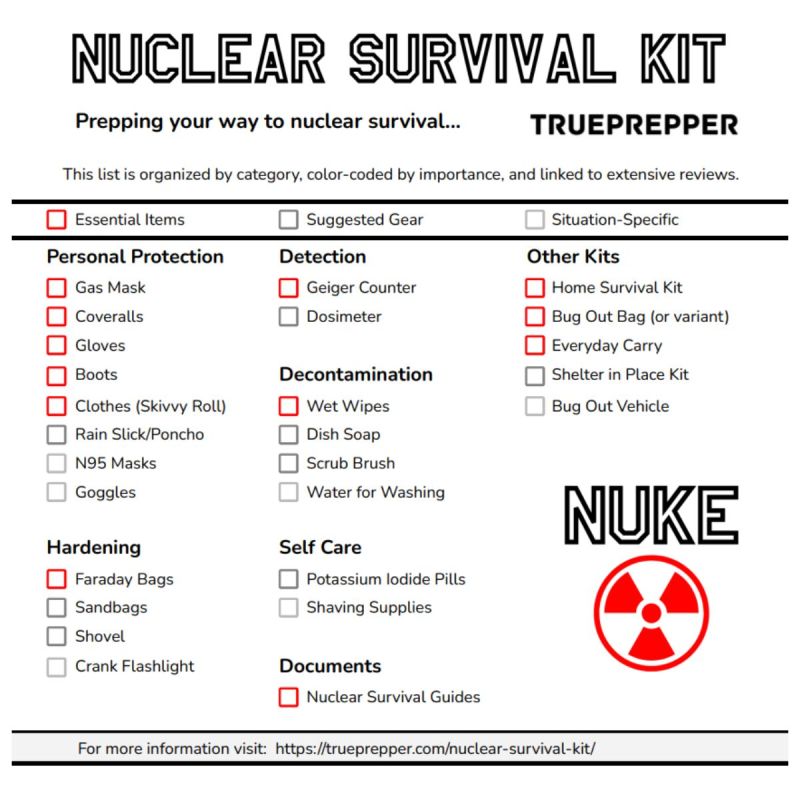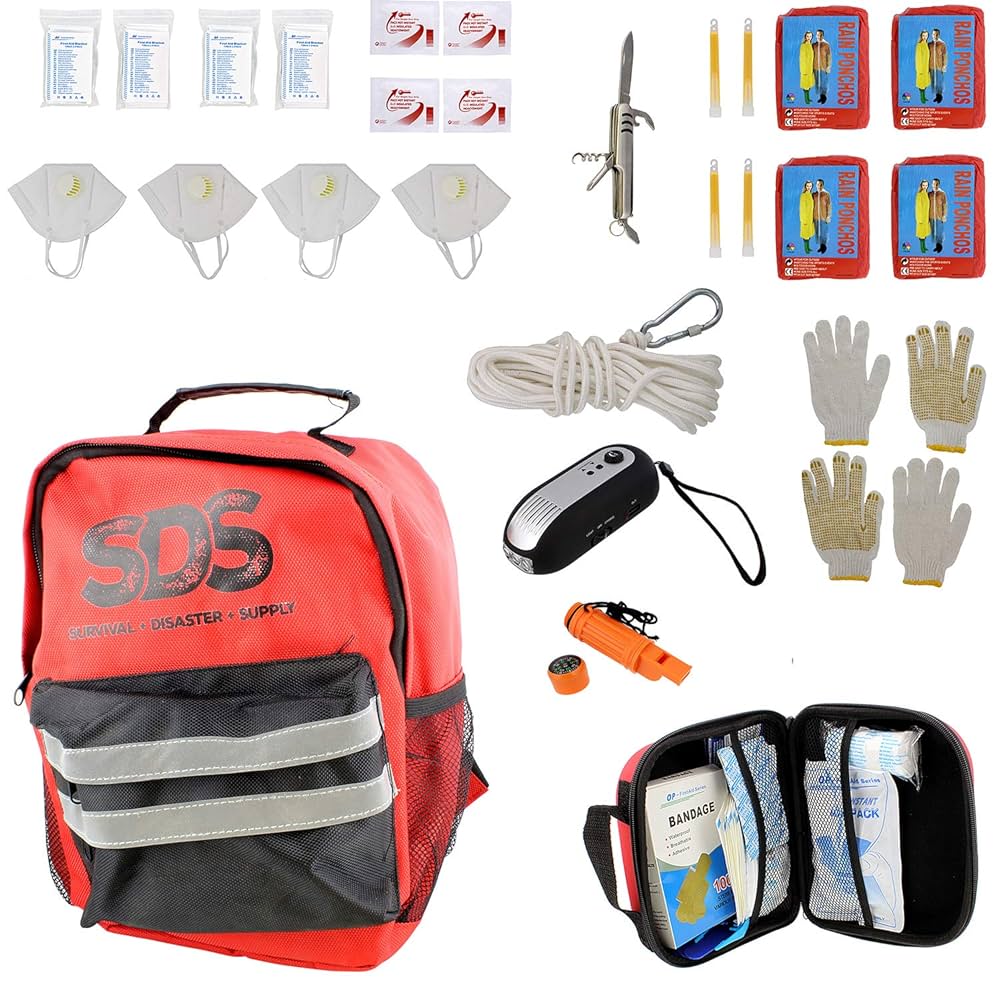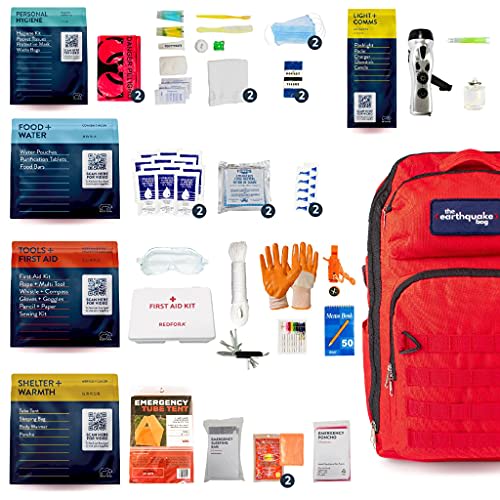
Imagine facing an unexpected situation where your safety depends on what you have with you. What would you grab first?
Your survival kit could be the key to staying calm, safe, and ready no matter what happens. But do you really know what should be inside it? This guide will show you exactly what to keep in your survival kit to ensure you’re prepared for anything.
Keep reading, because being ready could make all the difference when it matters most.
Basic Survival Tools
Basic survival tools form the foundation of any effective survival kit. These items help you handle common challenges like cutting, lighting fires, signaling for help, and seeing in the dark. Each tool plays a crucial role in keeping you safe and prepared in emergencies. Packing reliable and easy-to-use tools is key.
Multipurpose Knife
A multipurpose knife is essential for cutting, preparing food, and making shelter. Choose one with a sturdy blade and comfortable handle. Some knives come with extra features like a saw edge or screwdriver. A good knife saves time and effort in critical situations.
Fire Starters
Fire starters help you create flames quickly and safely. Waterproof matches, magnesium rods, or fire steel are popular choices. Fire provides warmth, light, and a way to cook food or boil water. Always keep fire starters dry and easy to reach in your kit.
Flashlight And Batteries
A reliable flashlight provides light during power outages or night emergencies. LED flashlights last longer and use less power. Pack extra batteries to avoid running out of light. Compact and lightweight models are best for survival kits.
Emergency Whistle
An emergency whistle signals for help without using your voice. It can be heard from far away and saves energy. Choose a whistle with a loud, clear sound. Attach it to your kit or clothing for quick access.
Food And Water Supplies
Food and water are the most vital parts of any survival kit. They keep your energy up and your body functioning. Always prepare enough supplies to last several days. Choose items that store well and do not need cooking or refrigeration.
Non-perishable Food Items
Non-perishable foods last long without spoiling. Pick items that provide good nutrition and energy. Here are some good options:
- Canned vegetables and fruits
- Dry pasta and rice
- Nut butters in sealed containers
- Energy bars and trail mix
- Dried fruits and nuts
- Powdered milk or protein powder
Store food in airtight containers to keep pests and moisture out. Rotate supplies every six months.
Water Storage And Purification
Water is the most important survival supply. Store at least one gallon of water per person per day. Use clean, food-grade containers for storage.
Keep water fresh by replacing it every six months. If unsure about water safety, use purification methods before drinking.
Portable Water Filters
Portable water filters help remove bacteria and impurities from natural water sources. They are lightweight and easy to carry. Choose filters that:
- Remove protozoa and bacteria
- Have a fast flow rate
- Are easy to clean and maintain
- Work without batteries or chemicals
Carry backup purification tablets or drops for added safety. Clean water means better health and survival chances.
First Aid Essentials
First aid essentials form the heart of any survival kit. They help treat injuries quickly and prevent infections. Having the right tools and instructions can save lives during emergencies.
Bandages And Dressings
Bandages and dressings stop bleeding and protect wounds. Include various sizes of adhesive bandages for small cuts. Pack sterile gauze pads to cover larger wounds. Use medical tape to keep dressings in place. Elastic bandages provide support for sprains and strains. Keep a few butterfly closures for deep cuts.
Medications And Ointments
Basic medications ease pain and prevent infection. Pain relievers like ibuprofen or acetaminophen help reduce discomfort. Antihistamines treat allergic reactions. Include antibiotic ointments to stop infection in cuts and scrapes. Hydrocortisone cream helps with itching and rashes. Store these in waterproof containers to keep them safe.
Cpr And Emergency Instructions
Clear CPR and emergency instructions guide quick action. Include a simple, easy-to-read CPR guide. Add steps for choking relief and basic wound care. Laminated cards work well for durability. Knowing what to do reduces panic and improves outcomes.
Shelter And Warmth
Keeping shelter and warmth in your survival kit is crucial for staying safe and comfortable in emergencies. Exposure to cold and wet conditions can quickly drain your energy and put your health at risk. Building a simple shelter or having the right gear can make all the difference when you’re stranded outdoors.
Emergency Blankets
Emergency blankets are lightweight, compact, and can retain up to 90% of your body heat. You can wrap yourself in one to prevent hypothermia or use it as a ground cover to stay dry. I once used an emergency blanket during a sudden rainstorm, and it kept me surprisingly warm and dry, proving how valuable this small item is.
Tarp And Rope
A tarp paired with some rope gives you endless shelter options. You can quickly set up a tent-like structure or create a rainfly to shield yourself from wind and rain. Carrying a 10×10 foot tarp and 20 feet of rope won’t add much weight but can provide a reliable roof in unpredictable weather.
Extra Clothing Layers
Extra clothing layers are essential for adapting to changing temperatures. Pack moisture-wicking base layers, insulating mid-layers, and a waterproof outer layer. I always keep a spare set of thermal socks and a hat in my kit—they keep me warmer than I expected during cold nights outdoors.
Communication And Navigation
Staying connected and oriented during an emergency can make all the difference. Your survival kit should have reliable tools to help you communicate and find your way. Without these essentials, you might face unnecessary risks or delays in getting help.
Battery-powered Radio
A battery-powered radio keeps you informed when other communication channels fail. It lets you receive weather updates, emergency alerts, and news from authorities. Choose a model with multiple power options, such as solar charging or hand crank, so you’re never left in silence.
Think about a time when cell towers went down—having a radio could be your lifeline. Do you have a way to stay updated on unfolding events when your phone dies?
Maps And Compass
Relying solely on GPS can be risky if your device loses power or signal. A detailed map of your area and a compass help you navigate without technology. Learn how to read them properly; these tools don’t just sit in your kit—they become your guide.
Consider packing waterproof maps and a compass with clear markings. Can you confidently find your way back if you get lost in unfamiliar terrain?
Portable Phone Charger
Your phone is a powerful survival tool, but it needs power. A portable charger ensures you can call for help or use navigation apps when it matters most. Look for chargers with high capacity and rugged design to withstand tough conditions.
Remember, a fully charged power bank is useless if you forget to pack it. How often do you check your emergency kit to keep devices ready for action?

Credit: www.amazon.com
Personal Hygiene Items
Personal hygiene items are essential for your survival kit because they help maintain health and comfort during stressful situations. Staying clean reduces the risk of infections and keeps morale high. These items are small but can make a big difference when access to water and sanitation is limited.
Sanitizers And Wipes
Hand sanitizers are crucial when soap and water aren’t available. Choose a sanitizer with at least 60% alcohol for effective germ-killing power. Antibacterial wipes serve multiple purposes—they clean your hands, surfaces, and even your gear quickly and easily.
I once found myself in a situation with no running water for days. Having sanitizers and wipes saved me from constant worry about germs and helped me feel fresh despite the tough conditions. Would you want to risk infections when a small bottle can keep you safe?
Toilet Paper
Toilet paper is a must-have, but regular rolls can be bulky. Opt for travel-sized packs or compact wipes designed for camping. These products are lightweight and easy to carry, ensuring you don’t run out when you need them most.
Remember, using alternative materials like leaves or fabric can cause irritation or infections. Having proper toilet paper in your kit avoids unnecessary health issues and makes hygiene manageable anywhere.
Feminine Hygiene Products
Women should always include feminine hygiene products in their survival kits. Stock up on tampons, pads, or menstrual cups depending on your preference. These items are not only about comfort but also about preventing infections and maintaining dignity during emergencies.
Ignoring this need can lead to serious health problems. Have you checked recently if your kit has enough feminine hygiene supplies? It’s a detail often overlooked until it becomes urgent.
Important Documents And Cash
Keeping important documents and cash in your survival kit can make a huge difference during emergencies. These items help you prove your identity, contact loved ones, and manage immediate expenses without relying on electronic systems. Imagine losing your wallet or phone in a crisis—having backups ready can save you time, stress, and even safety.
Identification Copies
Make photocopies or digital scans of your essential IDs like your driver’s license, passport, and any medical cards. Store these copies in a waterproof bag inside your kit to keep them safe from damage. Having these on hand helps you access services, prove who you are, and speed up emergency processes.
Don’t forget to update these copies regularly. If your ID expires or your address changes, swap out the old ones. It’s a small task that can avoid big headaches later.
Emergency Contacts
Write down phone numbers of family, close friends, doctors, and local emergency services. Keep a printed list in your survival kit because your phone battery might die or get lost. This list ensures you can reach help or notify loved ones quickly.
Consider adding notes about any important medical conditions or allergies next to contacts. Wouldn’t you want first responders to have that info right away? It’s a simple addition that could save lives.
Cash In Small Bills
Keep some cash in small denominations like $1, $5, and $10 bills. During emergencies, electronic payment systems might not work, and merchants may only accept cash. Small bills make it easier to buy essentials without needing exact change.
Try to refresh this cash every few months to avoid worn-out or unusable bills. Think about how often you’ve struggled to pay with large bills at small shops—cash that’s ready to use in any situation is invaluable.

Credit: premierbodyarmor.com
Additional Survival Gear
Additional survival gear can make a big difference during emergencies. These small items often solve unexpected problems. They fit easily into your kit but offer great usefulness.
Keep these tools ready to help fix gear, protect yourself, and stay comfortable.
Duct Tape
Duct tape is a must-have for any survival kit. It can repair torn clothes, broken gear, and even seal leaks. Use it to create makeshift bandages or hold splints in place. Its strength and flexibility make it useful in many situations.
Safety Pins And Sewing Kit
Safety pins and a small sewing kit help fix clothing and gear quickly. Replace lost buttons or patch holes to keep warm and dry. Small tears can become big problems, but these tools stop that fast. They are lightweight and easy to carry.
Gloves And Dust Masks
Gloves protect your hands from cuts, dirt, and cold. Choose durable gloves that fit well for better protection. Dust masks help you breathe safely in smoky or dusty environments. Both items reduce health risks and keep you comfortable during tough conditions.
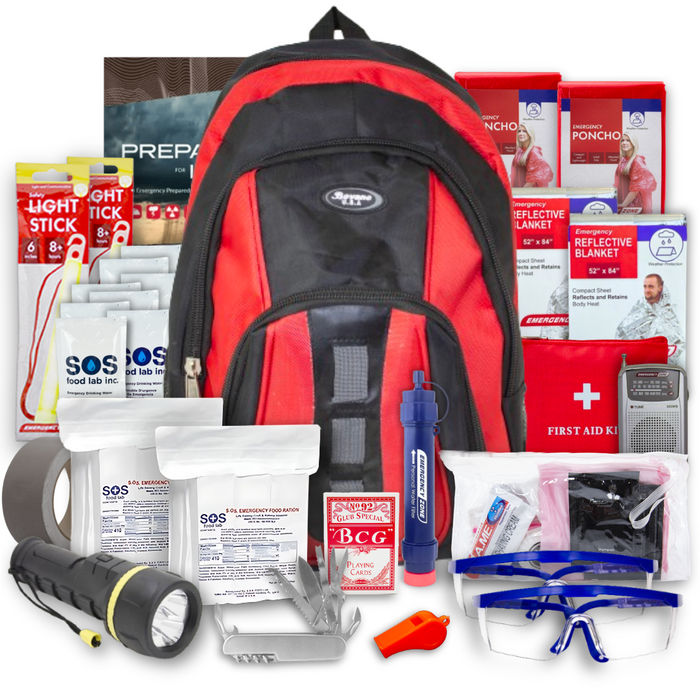
Credit: www.emergencyzone.com
Frequently Asked Questions
What Items Are Essential In A Survival Kit?
A survival kit should include basics like water, food, and a first-aid kit. Also, add a flashlight, multi-tool, and matches. Don’t forget a whistle, emergency blanket, and map. These essentials help ensure safety and preparedness in emergencies.
How Much Water Should Be In A Survival Kit?
Include at least one gallon of water per person per day. It’s recommended to have a three-day supply. Water is crucial for hydration and can be used for sanitation. Always prioritize having enough clean water in your kit.
Should I Include Food In My Survival Kit?
Yes, pack non-perishable, high-energy foods like protein bars and canned goods. Opt for food with a long shelf life. Ensure you have a manual can opener if needed. These will sustain you during emergencies when other food sources might not be available.
Why Is A First-aid Kit Important?
A first-aid kit is crucial for treating injuries and preventing infections. Include bandages, antiseptics, and pain relievers. Having it ensures you’re ready for medical emergencies. It provides the tools needed to manage minor injuries until professional help arrives.
Conclusion
A good survival kit saves time and increases safety. Pack essentials like water, food, and first aid items. Keep tools like a flashlight, knife, and matches ready. Regularly check and update your kit for best use. Being prepared means staying calm in tough times.
Small steps today can protect you tomorrow. Stay safe and ready for anything.