When you face freezing temperatures, having the right survival gear can make all the difference between staying safe and risking your life. You need equipment that keeps you warm, dry, and protected from harsh conditions.
But what exactly should you pack when the cold is extreme and every second counts? This guide will help you discover the essential gear you must have to survive and thrive in the coldest environments. Keep reading to learn how to prepare yourself fully and stay one step ahead of the cold.
Cold Weather Clothing
Cold weather clothing plays a key role in survival during extremely cold conditions. It keeps the body warm and protects against frostbite and hypothermia. Choosing the right clothing can save your life by maintaining core body heat.
Proper clothing also helps manage moisture and wind chill. Staying dry and shielded from wind is vital. Clothing designed for cold weather helps balance warmth and breathability.
Layering Techniques
Layering is the best way to stay warm. It uses multiple clothing layers to trap heat. Start with a base layer that wicks sweat away from skin. Avoid cotton; use wool or synthetic fabrics instead.
The middle layer provides insulation. Fleece or down works well here. This layer holds warmth close to your body. The outer layer blocks wind and water. Choose a waterproof and windproof shell for protection.
Insulated Outerwear
Insulated jackets and pants add extra warmth. Down insulation offers excellent heat retention. Synthetic insulation performs better when wet. Outerwear must be durable and weather-resistant.
Look for features like adjustable hoods and cuffs. These prevent cold air from entering. Proper fit allows layering underneath without restriction. Heavy outerwear is not always best; balance warmth and mobility.
Thermal Accessories
Hats, gloves, and scarves protect extremities from cold. Most body heat escapes through the head. Wear a warm hat that covers ears fully.
Gloves should be insulated and waterproof. Layer thin liners under thick gloves for flexibility. Use scarves or neck gaiters to cover your neck and face. These prevent heat loss and shield skin from cold air.
Shelter And Sleeping Gear
Shelter and sleeping gear are vital for survival in extremely cold conditions. They protect you from harsh weather and help keep your body warm. Without proper shelter and gear, the cold can quickly become dangerous.
Choosing the right equipment increases comfort and safety. It reduces heat loss and shields you from wind, snow, and moisture. Quality shelter and sleeping gear allow better rest. Rest helps the body maintain energy to fight the cold.
Four-season Tents
Four-season tents are built for tough winter weather. They have strong poles and durable fabric. These tents resist heavy snow and strong winds. Ventilation is important to avoid moisture inside. Proper ventilation prevents condensation that can freeze and chill you.
Look for tents with a low profile. A low profile reduces wind impact and holds snow better. Some models have extra guy lines for stability. A reliable four-season tent keeps you safe and warm.
Cold Weather Sleeping Bags
Cold weather sleeping bags are designed to keep heat close to your body. They have thick insulation that traps warmth. Down or synthetic fills work well in freezing temperatures. Sleeping bags come with hoods to protect your head. A snug hood helps prevent heat loss.
Check the temperature rating before buying. Choose a bag rated for temperatures colder than you expect. A sleeping bag liner adds extra warmth and keeps the bag clean. Avoid sleeping bags that are too large. A smaller bag holds heat better.
Insulating Sleeping Pads
Insulating sleeping pads go under your sleeping bag. They block cold from the ground. Without a pad, you can lose heat quickly through contact with snow or ice. Look for pads with high R-values. A higher R-value means better insulation.
Inflatable pads offer comfort and good insulation. Foam pads are durable and do not puncture easily. Some campers use both types for extra protection. A good sleeping pad improves sleep quality and warmth.
Fire Starting Tools
Fire starting tools are essential in extremely cold conditions. Fire provides warmth, cooks food, and signals for help. Without fire, survival becomes very hard. Choosing the right tools increases your chances of starting a fire quickly. Tools must work well even in wet or freezing weather.
Waterproof Matches And Lighters
Waterproof matches resist moisture and stay dry. They light easily even in rain or snow. Carry extra matches in a sealed container. Windproof lighters work better in harsh weather. Choose lighters that produce a strong, steady flame. Keep them in a warm place to avoid freezing.
Fire Starters And Tinder
Fire starters help ignite fire quickly. Use materials like cotton balls soaked in wax or commercial fire sticks. Dry tinder is crucial for fire ignition. Collect dry leaves, bark, or small twigs before cold sets in. Store fire starters in waterproof bags for easy access.
Portable Stoves
Portable stoves offer a reliable way to cook and melt snow. They burn fuel efficiently in cold and windy conditions. Choose lightweight models that fit your pack. Carry enough fuel for your trip length. Practice using the stove before your adventure.
Food And Hydration Supplies
Food and hydration are crucial in extremely cold conditions. Your body burns more energy to stay warm. You need food that gives lots of calories and water to stay hydrated. Choosing the right supplies can keep you strong and alert.
High-calorie Food Options
Choose foods rich in calories and easy to carry. Nuts, energy bars, and dried fruits are great choices. They provide quick energy and do not freeze easily. Fatty foods like cheese and chocolate also help keep energy levels up. Avoid heavy meals that take time to digest.
Portable Water Filters
Water sources in cold places may be frozen or dirty. Portable water filters make water safe to drink. They remove bacteria and impurities quickly. Carry a small, lightweight filter for easy use. It ensures a steady supply of clean water wherever you go.
Insulated Water Bottles
Water freezes fast in cold weather. Insulated water bottles keep water from freezing for hours. Choose bottles with double-wall insulation for best results. They also keep water warm if you add hot drinks. This helps maintain hydration and comfort during harsh conditions.
Navigation And Communication
Navigation and communication are vital in extremely cold conditions. They help you stay on course and call for help if needed. The cold can affect devices, so choose reliable gear. Prepare for low visibility and signal problems. This gear can save your life.
Gps Devices
GPS devices show your exact location. They work using satellites, so no cell signal is needed. Some models have maps and tracks for easier navigation. Cold weather can drain batteries quickly. Carry extra batteries or a power bank. Protect the device from moisture and freezing.
Emergency Beacons
Emergency beacons send distress signals to rescue teams. They are small and easy to carry. Activate them only in real emergencies. Some models include GPS coordinates for quick location. They work worldwide, even in remote areas. Check battery life before your trip.
Two-way Radios
Two-way radios let you talk to your group easily. They don’t rely on cell towers, useful in remote places. Choose radios with long range and clear sound. Keep spare batteries or rechargeable packs. Use simple codes to avoid confusion during emergencies.
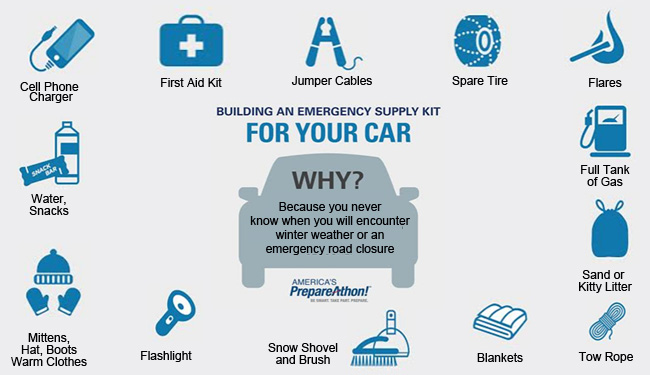
Credit: www.weather.gov
Safety And First Aid
Safety and first aid are vital in extremely cold conditions. Cold weather adds risks like frostbite and hypothermia. Being ready with the right gear can save lives. Proper safety tools help you act fast in emergencies. Knowing what to carry is key for survival.
Cold-weather First Aid Kits
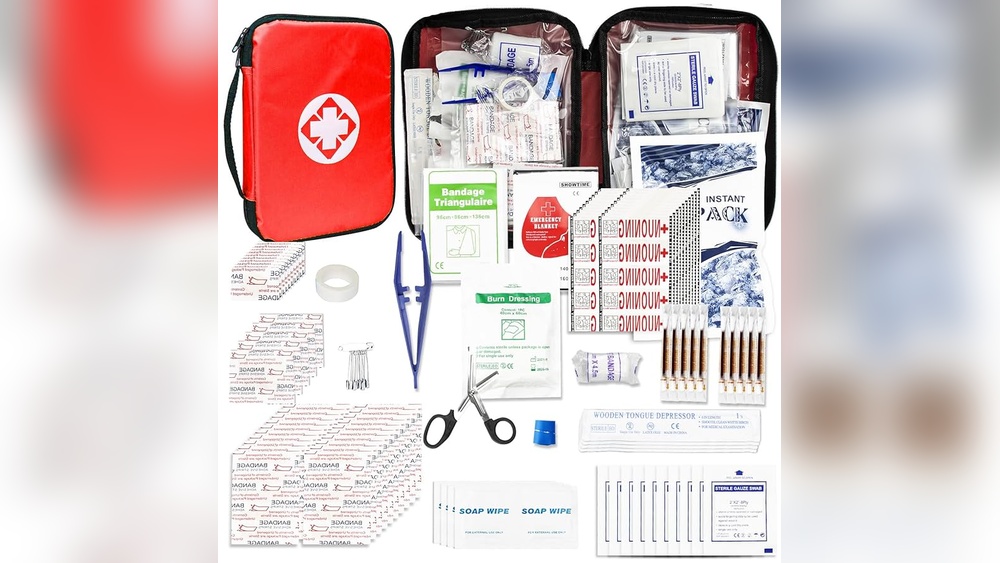
Cold-weather first aid kits differ from regular kits. They include supplies for frostbite and cold injuries. Insulated gloves and hand warmers protect your hands. Pack bandages, antiseptic wipes, and pain relievers. Add items to treat blisters and minor wounds. Keep everything in a waterproof container. This kit should be easy to carry and access.
Avalanche Safety Gear
Avalanches happen in snowy mountain areas. Carry avalanche safety gear in these places. An avalanche beacon helps rescuers find you quickly. A probe checks snow depth and locates people under snow. A shovel digs out snow fast during rescue. Practice using this gear before your trip. It can make the difference between life and death.
Emergency Blankets
Emergency blankets reflect body heat back to you. They are lightweight and easy to pack. Use them to stay warm after injuries or exposure. These blankets prevent heat loss and protect from wind. Carry at least one in your survival kit. Wrap yourself or others to avoid hypothermia. They are simple but very effective in cold emergencies.
Tools And Equipment
Tools and equipment are essential for survival in extremely cold conditions. They help you build shelter, prepare food, and manage emergencies. Choosing the right gear can save your life and keep you comfortable. Each tool has a specific purpose and should be durable enough for harsh weather.
Multi-tools And Knives
Multi-tools and knives are versatile and compact. Use them for cutting wood, preparing food, or making repairs. A sharp, sturdy knife can handle many tasks quickly. Choose one with rust-resistant blades to prevent damage from moisture. Multi-tools with pliers, screwdrivers, and scissors add extra convenience.
Snow Shovels
Snow shovels help clear paths and dig out tents or vehicles. Lightweight, foldable models are easy to carry in your backpack. Strong handles and blades made from metal or tough plastic work best. Shovels also help build snow shelters for protection against wind and cold.
Repair Kits
Repair kits keep your gear working in tough conditions. Include patches, glue, needles, and thread for fixing tents and clothing. Tape and spare parts can repair broken tools or equipment. Quick repairs prevent small problems from becoming big emergencies.

Credit: www.youtube.com

Credit: unchartedsupplyco.com
Frequently Asked Questions
What Essential Clothing Is Needed For Extreme Cold Survival?
Layered, moisture-wicking clothing is vital. Use thermal base layers, insulated mid-layers, and waterproof outer shells. Protect extremities with gloves, hats, and insulated boots to prevent frostbite. Quality clothing retains heat and blocks wind.
Which Survival Gear Protects Against Frostbite And Hypothermia?
Insulated gloves, thermal blankets, and hand warmers are crucial. Portable shelters, like tents or bivvies, shield from wind and snow. Carry a reliable heat source such as a stove or fire starter to maintain body warmth.
How Important Is Hydration Gear In Cold Conditions?
Hydration is critical even in cold weather. Use insulated water bottles to prevent freezing. Staying hydrated supports body temperature regulation and overall health. Avoid alcohol and caffeine as they cause dehydration.
What Type Of Shelter Is Best For Extreme Cold Environments?
A well-insulated, windproof tent or snow cave works best. Shelters should block wind, retain heat, and keep moisture out. Portable, lightweight options are ideal for mobility and quick setup.
Conclusion
Surviving extreme cold needs the right gear and smart choices. Warm clothing, reliable shelter, and good tools matter most. Keep your body dry and protected from wind. Always carry extra food and water for energy. Prepare well to stay safe and comfortable outside.
Cold weather is tough, but proper gear helps a lot. Stay alert and respect nature’s power. Your safety depends on what you bring and how you use it. Be ready, stay warm, and survive the cold.