Have you ever wondered what survival gear you really need when things get tough? Imagine being prepared for any emergency, no matter where you are.
Having the right tools can make all the difference between stress and safety. You’ll discover exactly what survival gear should be in your kit to keep you safe, comfortable, and confident. Keep reading to find out how simple choices can protect you and your loved ones when it matters most.
Basic Survival Kit
A basic survival kit is essential for safety in emergencies. It contains tools to help you live and stay safe. This kit focuses on the most important needs: water, food, and shelter. Carrying these items can make a big difference in tough situations.
Water And Hydration Tools
Water is the most important part of survival. Carry a sturdy water bottle or hydration bladder. Pack water purification tablets or a small filter. These tools remove harmful germs from water. Staying hydrated keeps your body working well.
Food And Nutrition Supplies
Food provides energy and strength. Choose non-perishable items like energy bars, nuts, and dried fruits. These foods last long and are easy to carry. Pack enough for several days. Small, lightweight portions help you move freely.
Shelter Essentials
Shelter protects you from weather and cold. Include a compact tent or emergency blanket in your kit. A tarp and rope can create a simple shelter. Warmth helps prevent illness and keeps you comfortable. Shelter is key to surviving outdoors.
Credit: www.mossyoak.com
Navigation And Communication
Navigation and communication are key parts of survival gear. They help you find your way and call for help if needed. Being prepared with the right tools increases safety in the wild or during emergencies.
Maps And Compasses
Maps show the land and help you plan routes. Always carry a detailed map of your area. A compass points north and helps you stay on track. Learning to use both tools is important for navigation without signals.
Emergency Signaling Devices
Signaling devices alert rescuers to your location. Whistles make loud sounds that carry far. Signal mirrors reflect sunlight to catch attention from a distance. Bright flares or glow sticks work well at night or in poor visibility.
Portable Communication Tools
Portable radios or satellite phones keep you connected. Radios help you talk to others nearby. Satellite phones work in remote areas without cell coverage. Keep devices charged and know how to use them before heading out.
Fire Starting Equipment
Fire starting equipment is essential for survival. Fire provides warmth, light, and a way to cook food. It also helps signal for help. Choosing the right tools makes starting a fire easier and faster. Carrying reliable fire starters is smart for any outdoor trip or emergency kit.
Lighters And Matches
Lighters are simple and quick to use. They work well in dry conditions. Keep a few extra lighters in your gear. Waterproof or stormproof matches last longer and resist wind. Store matches in a waterproof container to keep them dry. Both lighters and matches should be easy to reach.
Fire Starters And Tinder
Fire starters help ignite a fire quickly. They burn longer than paper and catch flame fast. Common types include wax-coated cotton balls and commercial fire sticks. Tinder is very dry, thin material that catches sparks. Dry leaves, small twigs, or birch bark work well as tinder. Prepare tinder before you need fire.
Maintaining Fire Safety
Always choose a safe spot for your fire. Clear away dry grass and leaves around the area. Keep water or dirt nearby to put out the fire. Never leave a fire unattended. Fully extinguish the fire before leaving. Fire safety protects you and the environment.
First Aid And Health Gear
First aid and health gear are essential parts of any survival kit. They help treat injuries and keep you healthy. Without these supplies, small problems can become serious quickly. Preparing this gear carefully improves your safety in emergencies.
Basic Medical Supplies
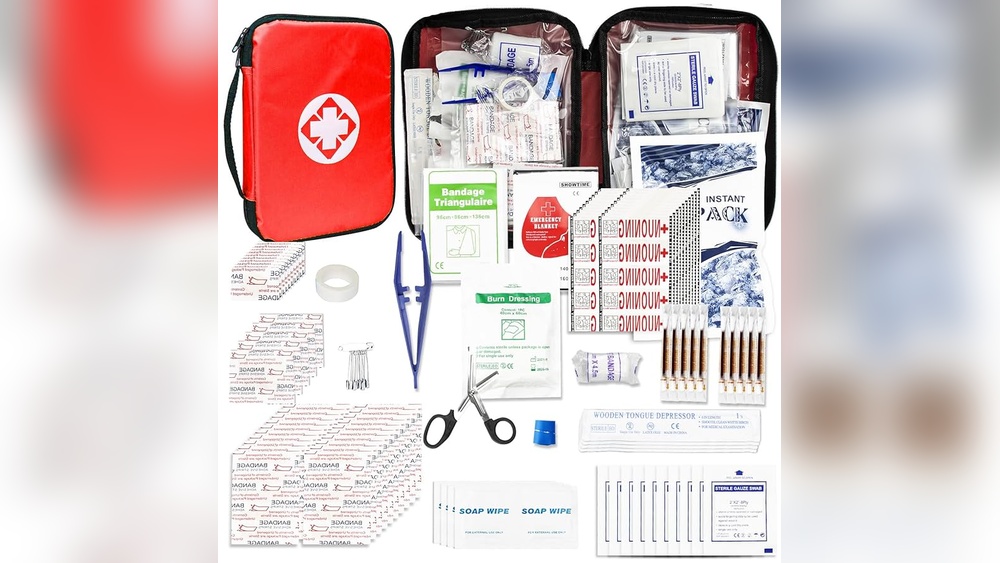
Include bandages, gauze pads, and adhesive tape. These help stop bleeding and protect wounds. Antiseptic wipes and ointment prevent infections. A pair of scissors and tweezers are useful tools. Don’t forget pain relievers and allergy medicine. Basic supplies handle most minor injuries on the spot.
Personal Medications
Keep enough personal medicines for at least a week. Bring prescription drugs and any special treatments. Label all medications clearly to avoid confusion. Include extra doses for unexpected delays. Having your own medicines prevents health issues from worsening. It supports your wellbeing far from medical help.
Hygiene And Sanitation Items
Cleanliness stops illness and keeps morale high. Pack soap, hand sanitizer, and disinfectant wipes. Toothbrush and toothpaste maintain oral health. Sanitary pads or tampons for women are important. Carry trash bags to dispose of waste safely. Hygiene tools reduce the risk of disease during survival situations.
Tools And Multi-use Items
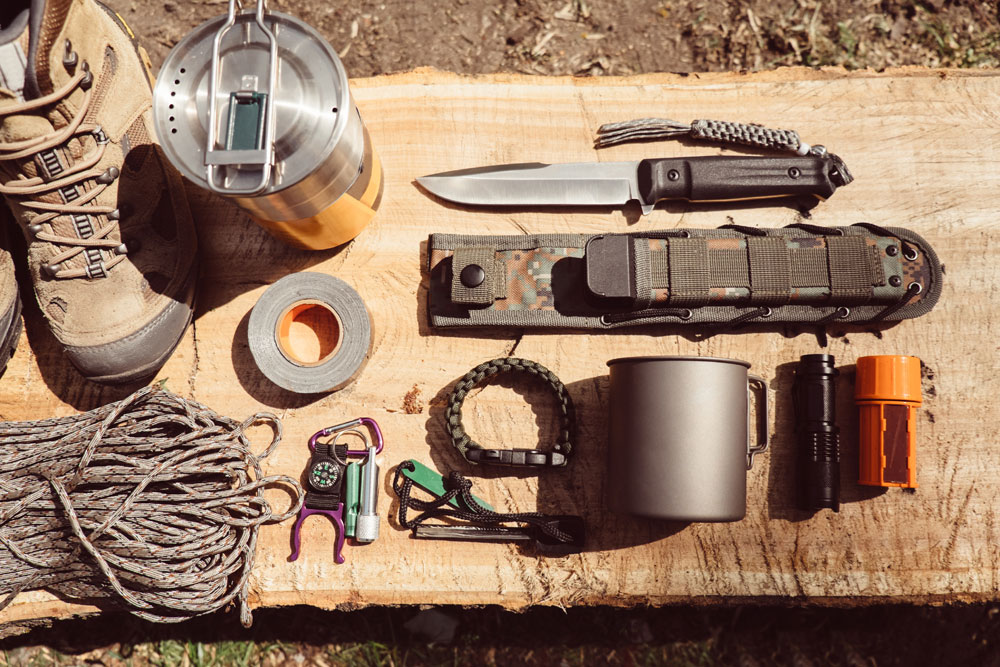
Tools and multi-use items are essential for survival. They help with many tasks in difficult situations. Having the right tools can make life easier and safer. These items save time and effort. Choosing tools that serve multiple purposes is smart. It reduces the weight you carry. This section covers knives, multi-tools, and cordage. Each is important for survival.
Knives And Cutting Tools
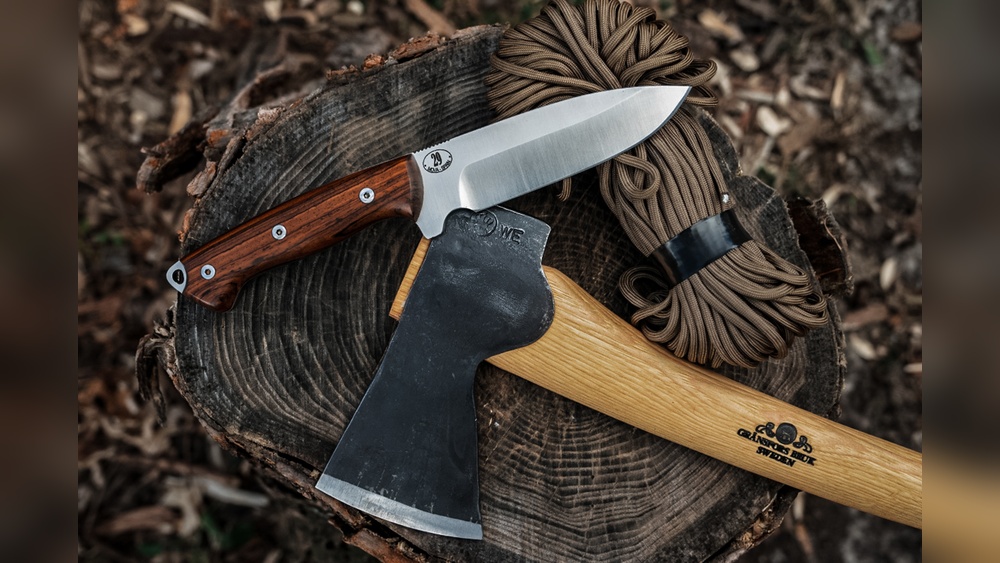
A good knife is one of the most important survival tools. It can cut rope, prepare food, and build shelter. Choose a knife with a strong, sharp blade. A fixed blade knife offers better strength. Folding knives are lighter and easier to carry. Carry a sharpener to keep your knife ready. Small cutting tools like saws or wire cutters can help too.
Multi-tools And Utility Items
Multi-tools combine many tools into one device. They often include pliers, screwdrivers, and knives. Multi-tools save space and weight. They work well for fixing gear or opening cans. Choose a multi-tool with quality construction. It should feel solid in your hand. Utility items like fire starters or whistles add value. These tools are handy in emergencies.
Rope And Cordage
Rope or cordage is crucial in survival. Use it to build shelters, secure gear, or make traps. Paracord is popular because it is strong and light. It can hold heavy loads and untie easily. Carry at least 50 feet of rope. Learn simple knots for tying and fixing. Rope is a simple tool with many uses.
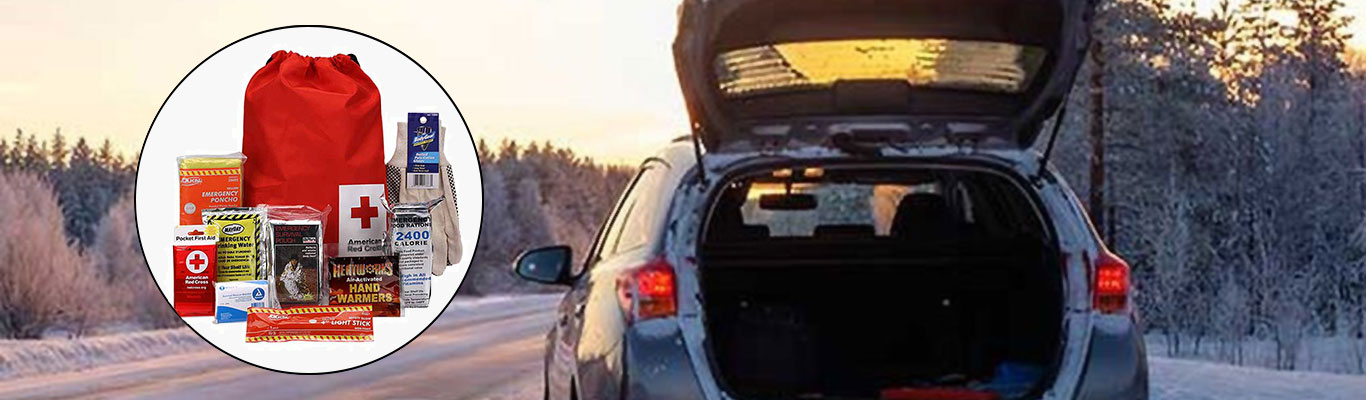
Credit: www.redcross.org
Clothing And Protection
Clothing and protection are vital parts of survival gear. Proper clothing helps maintain body temperature and guards against injuries. The right gear keeps you safe from harsh weather and rough terrain. It also improves comfort and mobility during outdoor activities.
Weather-appropriate Clothing
Choose clothes based on the weather you expect. In cold conditions, wear layers that trap heat and wick moisture. Use a base layer, an insulating layer, and a waterproof outer shell. In hot weather, select light, breathable fabrics to stay cool. Avoid cotton as it holds sweat and dries slowly. Opt for synthetic or wool materials for better comfort.
Protective Gear
Protective gear shields your body from hazards. Use gloves to guard hands against cuts and cold. A wide-brim hat or cap protects your face and neck from sunburn. Sunglasses block harmful UV rays and prevent eye injuries. Carry a sturdy rain poncho or jacket to stay dry during storms. This gear reduces the risk of injury and illness.
Footwear And Socks
Good footwear is essential for survival. Choose boots with strong soles and ankle support. Waterproof boots keep feet dry in wet conditions. Breathable shoes prevent overheating and blisters. Use moisture-wicking socks made of wool or synthetic fibers. Change socks regularly to avoid fungal infections and discomfort. Proper footwear boosts your ability to move safely and comfortably.
Additional Survival Accessories
Additional survival accessories help you stay prepared beyond the basics. These items improve comfort, safety, and efficiency in tough situations. Choosing the right accessories can make a big difference in how well you manage emergencies.
Lighting And Batteries
Light is crucial in survival settings. Pack a reliable flashlight or headlamp. LED lights last longer and use less power. Keep extra batteries to avoid running out of power. Solar-powered lights can be useful when electricity is unavailable. Always test your lighting gear before you need it.
Backpacks And Storage
A sturdy backpack helps carry your gear easily. Choose one with multiple compartments for better organization. Waterproof bags protect your items from rain and moisture. Use small pouches for storing first aid, food, and tools separately. Proper storage keeps your gear safe and accessible.
Personal Safety Items
Personal safety gear boosts your confidence and security. A whistle can signal for help loudly. Carry a small knife for cutting tasks and protection. Include a basic first aid kit to treat minor injuries. Gloves protect your hands during work or cold weather. Safety accessories help you stay calm and ready.
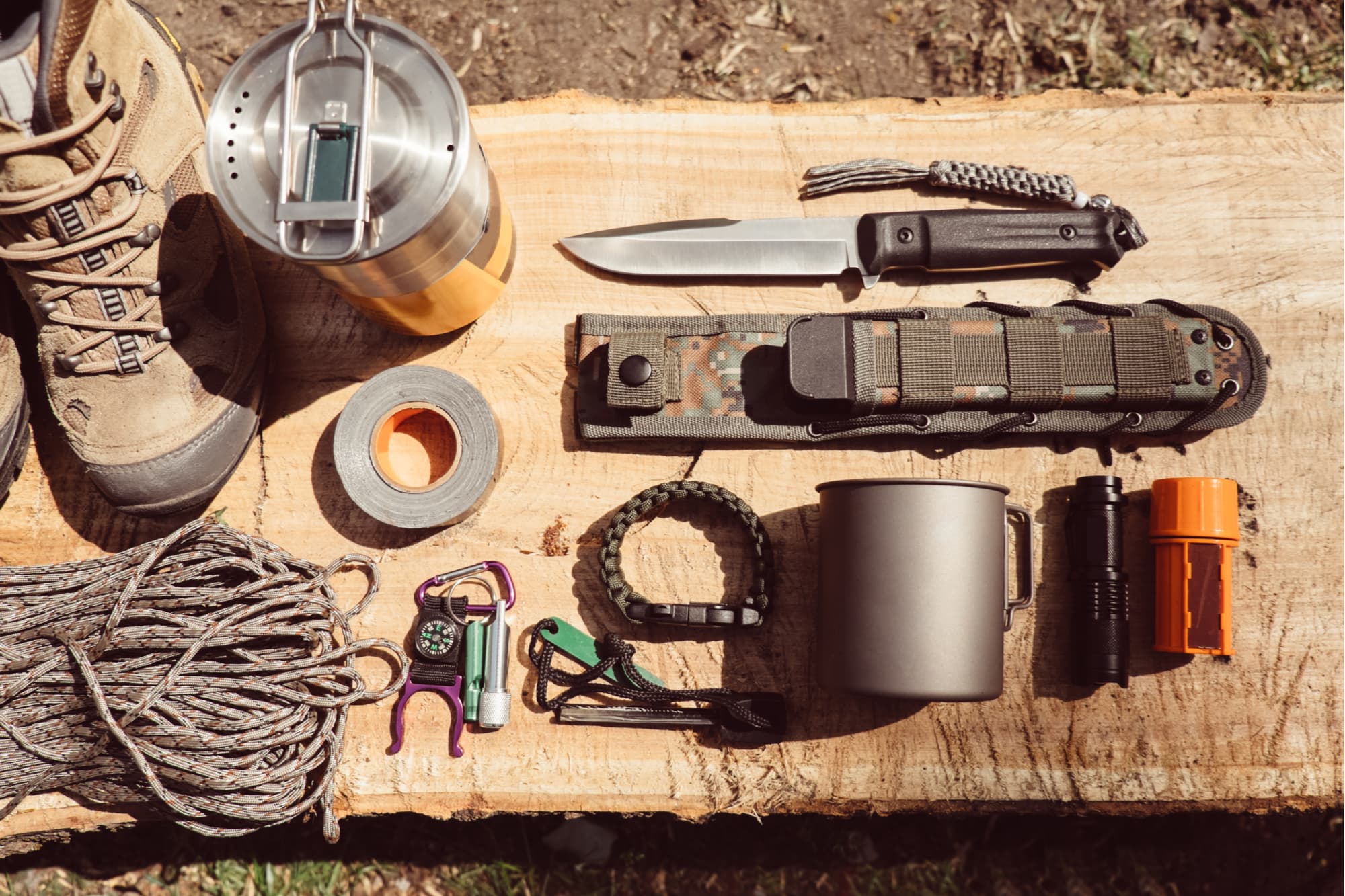
Credit: www.fall-line.co.uk
Frequently Asked Questions
What Essential Survival Gear Should I Carry Daily?
Carry a reliable knife, water bottle, first aid kit, flashlight, and fire starter. These items cover basic survival needs like shelter, hydration, and safety.
How Do I Choose The Best Survival Gear?
Select gear based on your environment and survival skills. Prioritize lightweight, durable, and multifunctional items for ease and efficiency.
Why Is A First Aid Kit Crucial In Survival Gear?
A first aid kit treats injuries and prevents infections. It ensures you manage wounds until professional help is available.
What Type Of Water Purification Is Best For Survival?
Portable water filters and purification tablets are ideal. They make water safe quickly, reducing the risk of waterborne diseases.
Conclusion
Choosing the right survival gear keeps you safe and ready. Essentials like water, food, and shelter matter most. A good knife and first aid kit help in emergencies. Always carry tools that fit your needs and environment. Practice using your gear before any trip.
Stay calm, stay prepared, and trust your equipment. Small items can make a big difference. Survival is about smart choices and readiness. Keep your gear checked and updated regularly. Safety starts with what you carry every day.