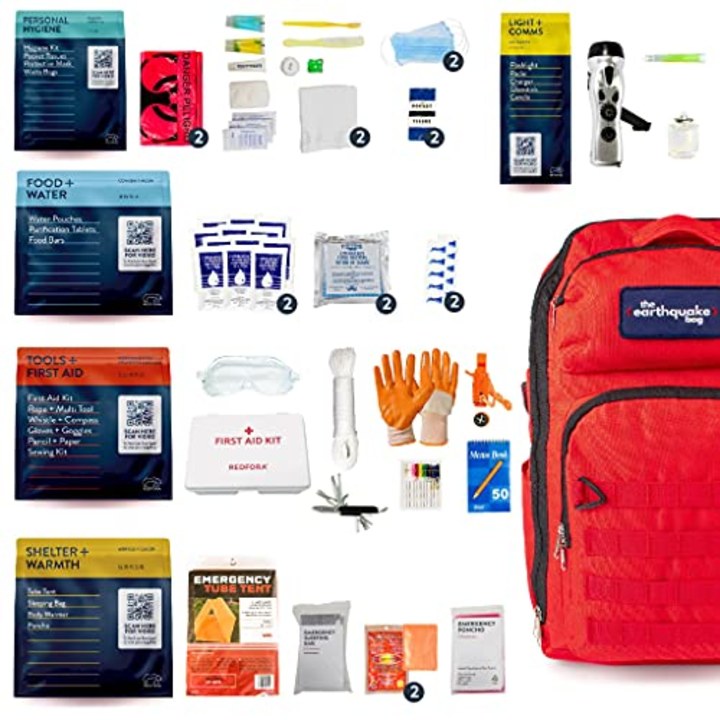
Imagine a sudden earthquake shaking everything around you. Would you be ready?
Your safety depends on having the right tools and supplies within reach. Knowing exactly what to have in an earthquake survival kit can make all the difference when every second counts. You’ll discover the essential items that can protect you and your loved ones during an earthquake.
Keep reading to prepare yourself for the unexpected and gain peace of mind knowing you’re ready to face nature’s challenges.
Basic Supplies
Having the right basic supplies in your earthquake survival kit can make a huge difference in how you handle the chaos after a quake. These essentials keep you safe, hydrated, and fed, while also addressing immediate health needs. Think about what you truly need to sustain yourself and those around you for at least 72 hours.
Water And Hydration
Water is the most critical supply in any survival situation. Aim to store at least one gallon of water per person per day. This covers drinking, cooking, and basic hygiene needs.
Consider packing water purification tablets or a portable filter. You never know if your stored water might run out or get contaminated. Staying hydrated keeps your energy up and your mind clear during stressful times.
Non-perishable Food
Your food choices need to be easy to store and ready to eat without refrigeration. Think canned goods, energy bars, dried fruits, and nuts. These options provide calories and nutrients without requiring cooking.
Also, include a manual can opener if you pack canned food. You don’t want to struggle with opening cans when time is critical. Don’t forget comfort foods too—familiar tastes can boost morale in tough moments.
First Aid Essentials
A basic first aid kit should cover cuts, scrapes, burns, and minor injuries. Stock it with adhesive bandages, antiseptic wipes, gauze pads, adhesive tape, and pain relievers.
Include any personal medications and allergy supplies like antihistamines or an epinephrine injector. Knowing you can treat wounds or illnesses immediately reduces panic and prevents complications.

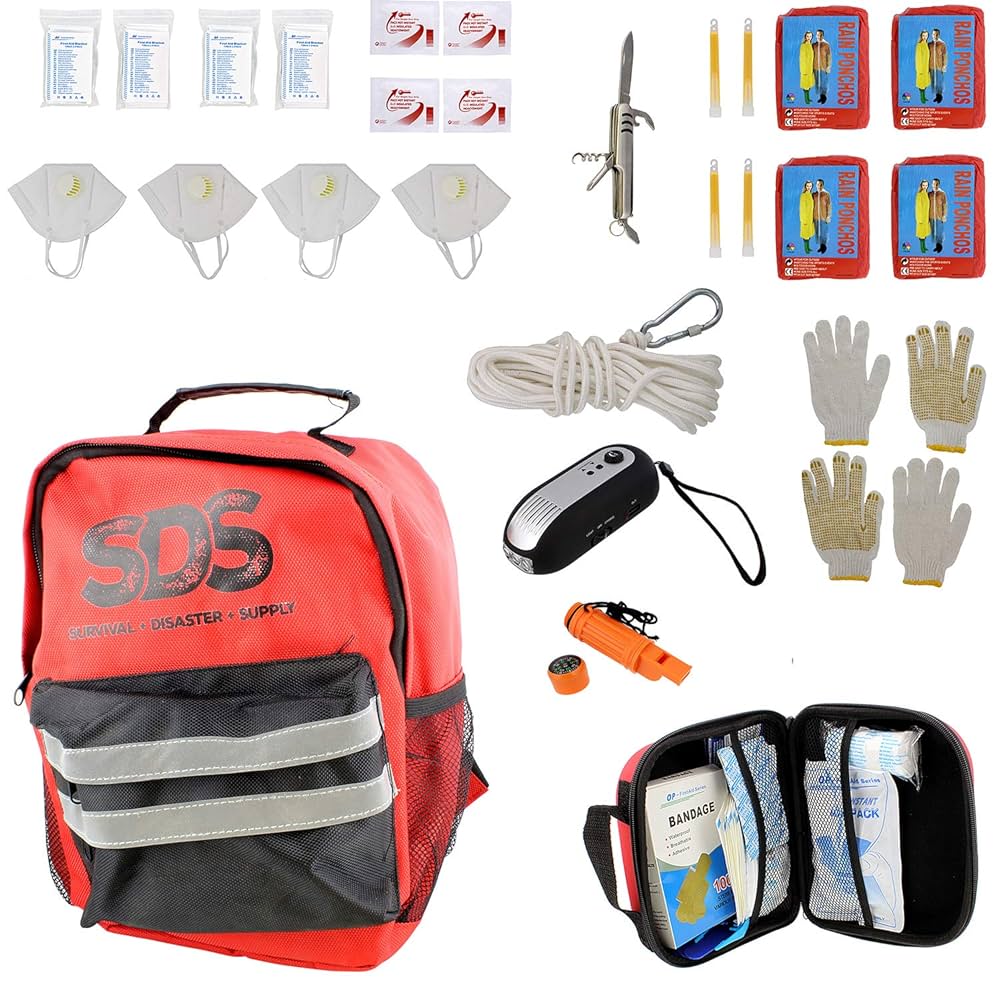
Credit: www.amazon.com
Tools And Equipment
Having the right tools and equipment in your earthquake survival kit can make a huge difference in a crisis. These items help you manage immediate dangers, find help, and stay safe. Choosing practical, reliable gear ensures you’re prepared for unexpected challenges.
Multi-tool And Knife
A multi-tool is your all-in-one helper during an earthquake. It combines pliers, screwdrivers, scissors, and knives in one compact device, saving space and weight. A sharp knife can cut through debris or open supplies, which might be critical when seconds count.
Look for multi-tools with stainless steel blades and locking features for safety. Remember, a good tool is durable and easy to use even under stress. Have you checked if your current knife can handle tough tasks?
Flashlights And Batteries
Power outages happen fast after quakes, plunging you into darkness. Flashlights provide essential light to navigate safely and signal rescuers. Carry extra batteries or opt for a hand-crank or solar flashlight to avoid running out of power.
Test your flashlight regularly to ensure it works when you need it most. Would you feel confident moving in the dark without a reliable light source? Don’t underestimate how critical good lighting is for your safety.
Whistle And Signal Devices
A whistle can save your life by alerting rescuers to your location when trapped. It’s easier to use and carries farther than shouting, especially if your voice is weak. Include a loud, durable whistle in your kit and practice using it.
Signal mirrors and bright-colored cloth can also attract attention from a distance. Think about how you would signal for help if you were under rubble or lost. What simple item could make the difference between being found quickly and staying hidden?
Shelter And Warmth
Shelter and warmth are essential in an earthquake survival kit. After a quake, you might face cold weather or wet conditions. Staying warm prevents hypothermia and keeps energy levels up. A good shelter protects from wind, rain, and debris. Pack items that are lightweight and easy to carry.
Emergency Blankets
Emergency blankets are thin, compact, and reflect body heat. They take up little space in your kit. Use them to cover your body or wrap around your shelter. These blankets also block wind and rain. Always keep at least two in your survival kit.
Tarp And Rope
A tarp provides quick shelter from rain and wind. It can be set up as a tent, ground cover, or windbreak. Use rope to secure the tarp to trees or poles. This setup is simple and effective for emergency shelter. Choose a tarp made of durable, waterproof material.
Extra Clothing
Extra clothing helps maintain body heat after an earthquake. Pack layers such as shirts, pants, and socks. Choose clothes made of wool or synthetic fabrics. Avoid cotton because it loses heat when wet. Include a warm hat and gloves for colder weather.

Credit: moreprepared.com
Communication Items
Communication is essential during and after an earthquake. It helps you stay informed about emergency updates and connect with family or rescue teams. Including reliable communication items in your survival kit ensures you can share and receive important information.
Battery-powered Radio
A battery-powered radio keeps you updated without electricity. It receives emergency broadcasts and weather alerts. Choose one with a hand crank or solar charging for longer use. Keep extra batteries in your kit for backup.
Chargers And Power Banks
Chargers and power banks keep your phones and devices running. Power banks store energy to recharge devices multiple times. Include solar chargers for extra power if outlets are unavailable. Regularly check and charge these items to keep them ready.
Important Documents
Important documents help prove your identity and access services. Store copies of IDs, insurance papers, and medical records in waterproof bags. Keep digital copies on a USB drive or cloud storage. This ensures you have critical information when needed.
Personal Care
Personal care items in your earthquake survival kit are essential for maintaining your health and comfort during uncertain times. Neglecting these can lead to discomfort and even illness, which can complicate an already difficult situation. Think about what small items you use daily that you would miss the most if they weren’t available.
Hygiene Products
Keeping clean helps prevent infections and boosts your morale. Pack travel-sized soap, hand sanitizer, toothbrushes, toothpaste, and feminine hygiene products. Don’t forget moist towelettes and a small towel; they can make a big difference when water is scarce.
Imagine trying to stay calm without access to basic hygiene—it’s harder than it sounds. Including these items ensures you can maintain a routine and feel a little more normal in chaos.
Medications
Always include a supply of any prescription medications you need. Also, add basic first aid items such as pain relievers, antacids, allergy medicine, and bandages. Keep medications in their original containers with clear labels to avoid confusion.
Have you ever run out of a critical medicine unexpectedly? This kit can save you from that problem when help isn’t immediately available.
Glasses And Contact Supplies
If you wear glasses or contacts, pack an extra pair and all necessary cleaning solutions. Contacts require special care, so include saline solution and a case. Glasses can break easily, so having a sturdy backup can be a real lifesaver.
Without your vision aids, simple tasks become frustrating and unsafe. Think about how much you depend on clear sight every day and prepare accordingly.
Special Considerations
Special considerations ensure your earthquake survival kit meets everyone’s needs. Different family members require unique items. Preparing for these needs improves safety and comfort after an earthquake.
Pet Supplies
Pets need care too. Include food and water for at least three days. Pack a leash, collar, and ID tags. Add a pet first-aid kit and any medicines. Bring a small blanket or bed for comfort. Remember waste bags to keep areas clean.
Child-specific Items
Children need familiar and comforting items. Pack diapers, wipes, and formula if needed. Include favorite toys or books to reduce stress. Add child-friendly snacks and water bottles. Keep extra clothes and blankets handy. A small flashlight or nightlight helps at night.
Tools For Disabled Individuals
Consider mobility aids like canes or wheelchairs. Pack extra batteries for hearing aids or communication devices. Include any necessary medications and medical supplies. Add emergency contact information and instructions for caregivers. Keep items easy to reach and use.
Maintenance And Storage
Keeping an earthquake survival kit ready means regular care and smart storage. Items can expire or lose effectiveness over time. Proper maintenance ensures the kit works well when needed. Storing the kit in the right place keeps it safe and easy to reach. Let’s explore how to maintain and store your kit efficiently.
Kit Rotation And Expiry
Check expiration dates on food, water, and medicine often. Replace items before they expire. Use a calendar reminder to track these dates. Rotate supplies every six months to keep them fresh. Discard damaged or expired products safely. This practice keeps the kit reliable and ready.
Storage Tips
- Store the kit in a cool, dry place away from sunlight.
- Use waterproof containers to protect contents from moisture.
- Avoid places prone to flooding or extreme heat.
- Label the container clearly for easy identification.
- Keep the kit off the floor to prevent water damage.
Accessibility In Emergencies
Place the kit where everyone can reach it quickly. Avoid locked rooms or high shelves. Inform family members about the kit’s location. Consider keeping smaller kits in multiple areas of your home. Easy access saves time and reduces panic during an earthquake.

Credit: www.amazon.com
Frequently Asked Questions
What Essentials Are In An Earthquake Survival Kit?
An earthquake survival kit should include water, non-perishable food, a first aid kit, and a flashlight. Include a whistle, batteries, and a multi-tool. Pack personal hygiene items, medications, and important documents. A portable phone charger and local maps are also useful.
How Much Water Is Needed For Earthquake Survival?
Store at least one gallon of water per person per day. This amount should last for at least three days. Remember to include additional water for pets and sanitation needs. Regularly check and replace stored water to ensure its freshness and safety.
Why Is A Whistle Important In A Survival Kit?
A whistle is essential for signaling for help during emergencies. It allows rescuers to locate you quickly. Unlike shouting, a whistle can be heard from a greater distance and doesn’t strain your voice. It’s a simple yet effective tool for communication when trapped or injured.
Should I Include Cash In My Survival Kit?
Yes, include small denominations of cash in your survival kit. In the aftermath of an earthquake, ATMs might be inaccessible. Cash will be essential for purchasing emergency supplies or services. Keep it in a waterproof bag to protect it from damage.
Conclusion
Preparing an earthquake survival kit saves lives and reduces stress. Keep essentials like water, food, and first aid close. Don’t forget tools for communication and safety gear. Regularly check and update your kit to stay ready. Being prepared helps protect you and your family.
Small steps now can make a big difference later. Stay safe, stay prepared.