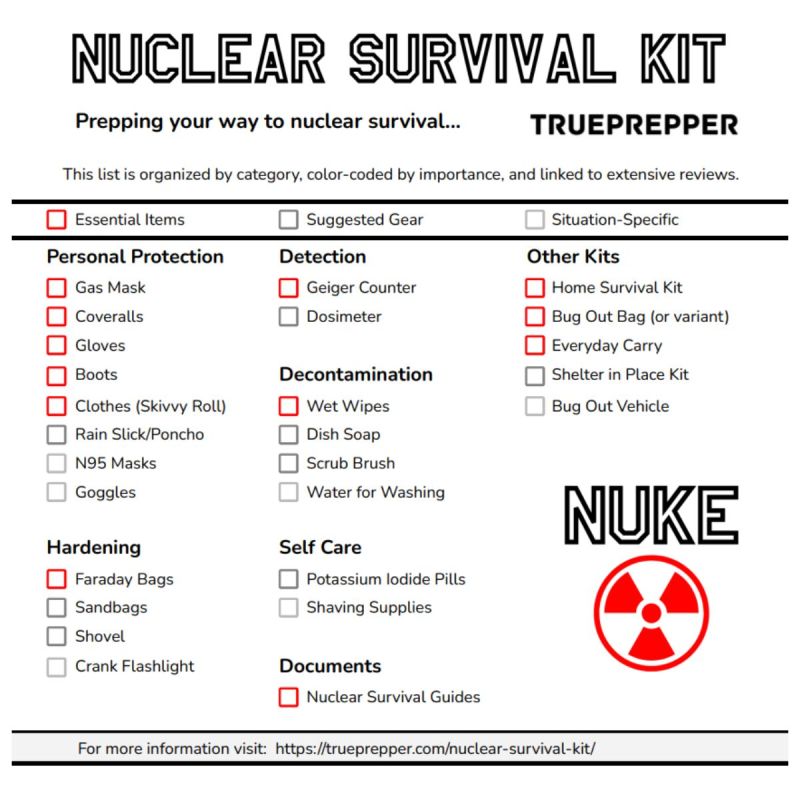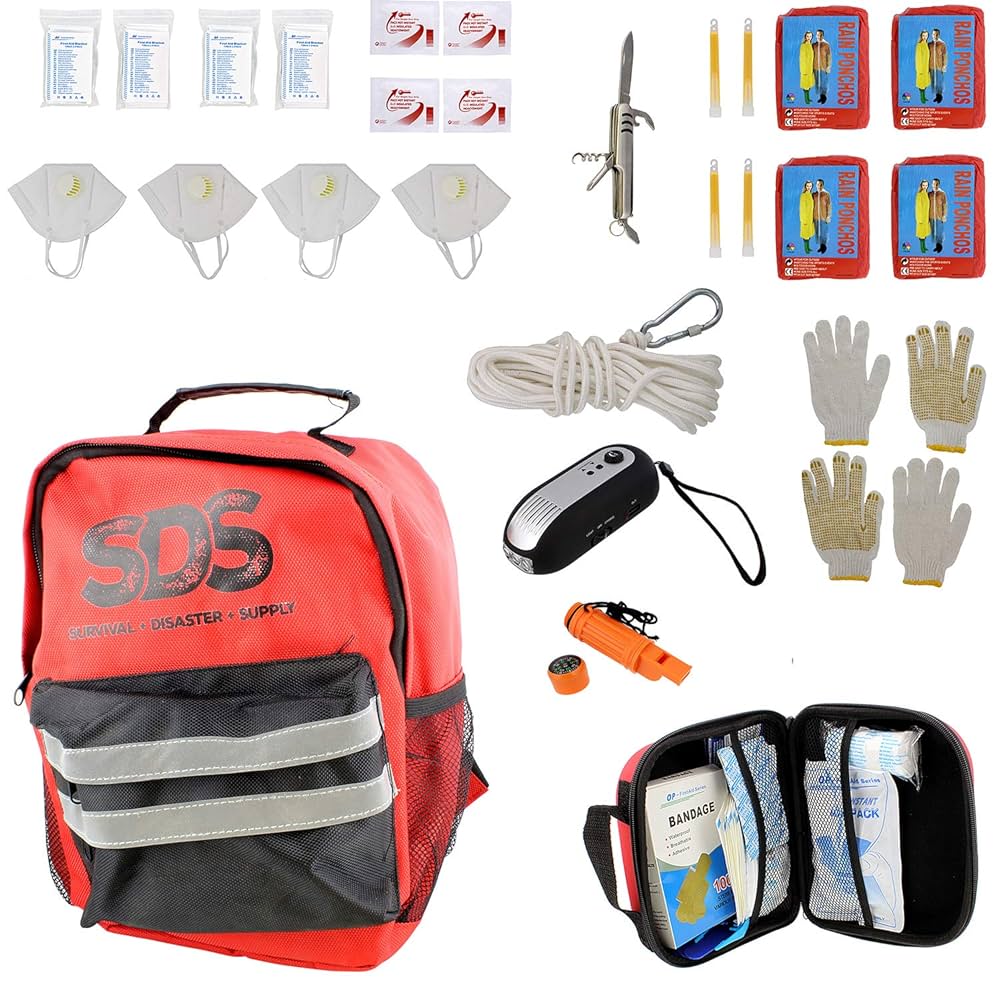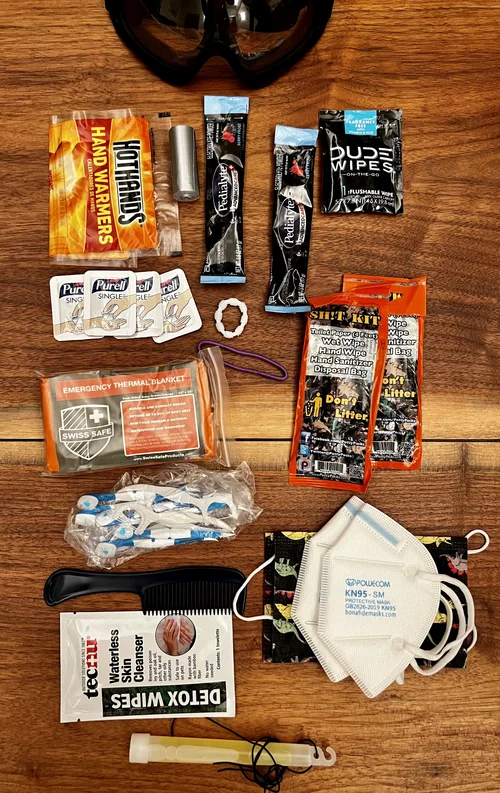
Imagine being in a situation where help is hours or even days away. Would you have what you need to stay safe and comfortable?
Your home made survival kit could be the difference between struggle and security. But what exactly should you include to be truly prepared? Keep reading, because knowing the right items to pack can make all the difference when it matters most.
This guide will help you build a kit that protects you and your loved ones in any emergency.
Basic Supplies
Building a homemade survival kit starts with gathering the basic supplies that keep you safe and secure during emergencies. These essentials cover your immediate needs: water, food, and medical care. Without these, your chances of managing a crisis situation drop significantly.
Water And Hydration Tools
Water tops the list because your body can only last a few days without it. Include at least one gallon of water per person per day for drinking and sanitation.
Pack portable water filters or purification tablets to make unsafe water drinkable. A sturdy, reusable water bottle or hydration bladder is also useful for carrying water on the go.
Have you considered how you’ll stay hydrated if clean water runs out? Planning for both storage and treatment is key.
Non-perishable Food Items
Choose foods that last long and don’t need refrigeration. Think canned beans, dried nuts, energy bars, and freeze-dried meals.
Rotate your stock regularly to avoid expired goods. It’s surprising how often people overlook this and find their emergency snacks unusable.
What high-energy foods do you enjoy that could also fuel you in a survival situation? Personal favorites make it easier to stay nourished.
First Aid Essentials
A well-stocked first aid kit is a lifesaver. Include bandages, antiseptic wipes, pain relievers, tweezers, and medical tape.
Add any personal medications and allergy treatments you might need. Remember, your kit should be tailored to your family’s specific health needs.
Imagine facing an injury without these items—would you be able to manage the pain or prevent infection? Preparing ahead makes all the difference.
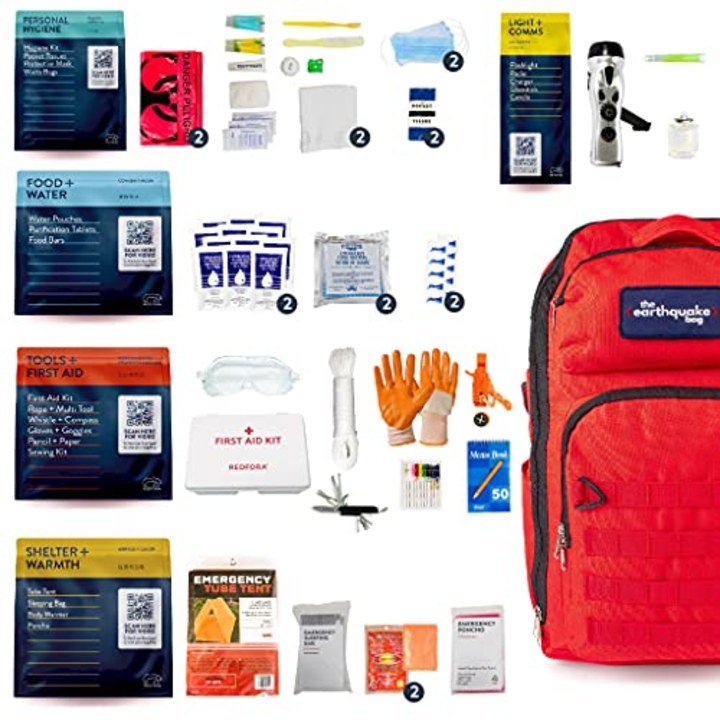
Credit: www.nbcnews.com
Shelter And Warmth
Shelter and warmth are vital in any survival situation. They protect from harsh weather and keep the body safe. Staying dry and warm helps avoid hypothermia and illness.
A well-prepared survival kit must include items that provide insulation and protection. These items should be lightweight and easy to carry. Proper shelter and warmth tools increase comfort and survival chances.
Emergency Blankets And Clothing
Emergency blankets are thin but very effective. They reflect body heat back to keep warm. These blankets are compact and fit easily in a small kit.
Extra clothing layers are also essential. Choose clothes made from wool or synthetic fibers. Avoid cotton, as it holds moisture and cools the body.
- Thermal underwear
- Insulated gloves and hats
- Waterproof jackets and pants
Portable Shelter Options
Portable shelters provide protection from wind, rain, and sun. They are lightweight and easy to set up anywhere. Consider including a small tent or tarp in your kit.
- Compact tents with rainfly
- Durable tarps or ponchos
- Lightweight bivy sacks
These options create a safe space to rest and recover energy. They shield from insects and debris as well.
Fire Starting Materials
Fire provides heat, light, and a way to cook food. It also boosts morale during tough times. Pack fire-starting tools that work in wet and dry conditions.
- Waterproof matches
- Lighters with fuel
- Ferrocerium rods
- Tinder like cotton balls or dry grass
Fire materials help create warmth and a signal for help. Always keep them stored in a dry container.
Tools And Equipment
Having the right tools and equipment in your homemade survival kit can make all the difference during an emergency. These items should be reliable, versatile, and easy to use under stress. Think about what you might actually need to fix, navigate, or light your way when everything else is uncertain.
Multipurpose Knives
A multipurpose knife is more than just a blade; it’s a compact toolkit in your pocket. Look for one that includes a sharp blade, scissors, a screwdriver, and maybe even a can opener. I once had to quickly cut rope and open a tin during a camping trip, and my knife handled both without a hitch.
Choose a knife made from durable materials like stainless steel to ensure it won’t rust or break. Can you imagine fumbling with multiple tools when one sharp, sturdy knife could do the job?
Navigation Aids
Getting lost is a real threat in survival situations. A reliable compass is a must-have—it doesn’t rely on batteries and always points north. Pair it with a detailed map of your area and you have a basic but powerful navigation system.
Many people overlook the importance of learning how to use these tools effectively. Do you know how to read a map or use a compass? Practicing these skills before an emergency can save you hours of confusion and stress.
Lighting Devices
Light sources can extend your ability to work or move safely when the sun goes down. Flashlights are a staple, but consider adding headlamps for hands-free use. Always carry extra batteries or opt for solar- or crank-powered lights to avoid being left in the dark.
Think about the last time you were caught without a light—how much easier would things have been with a reliable, bright source? Your kit’s lighting devices should be durable and weather-resistant to keep shining no matter what.
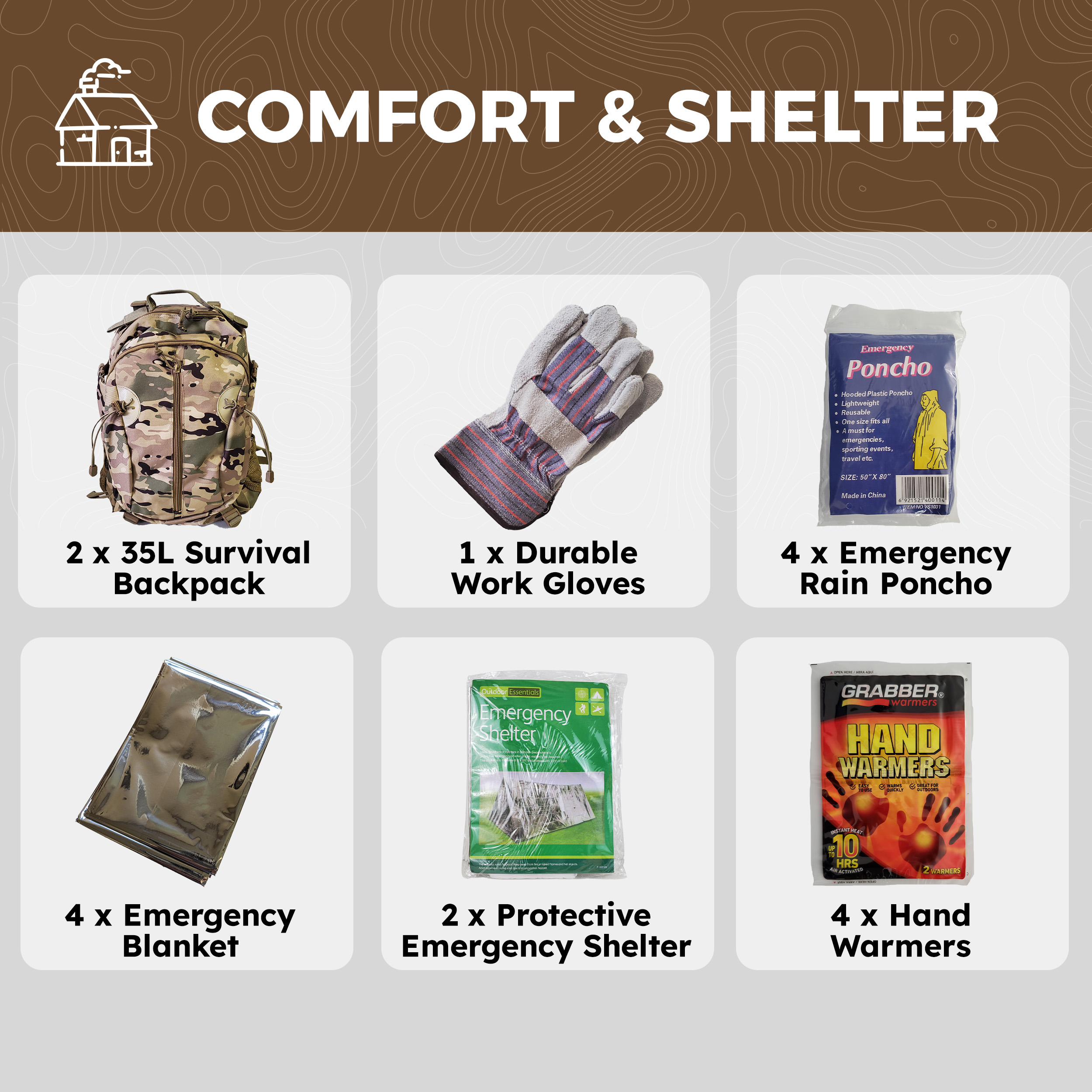
Credit: www.siriussurvival.com
Communication And Signaling
Communication and signaling are lifelines in any survival situation. They help you alert rescuers, stay informed, and maintain contact with loved ones. Without effective tools for communication, even the best survival kit can fall short in an emergency.
Whistles And Mirrors
Whistles are simple but powerful. A loud whistle can carry much farther than your voice, especially if you’re injured or exhausted. Carry one that produces a high-pitched sound, as it’s easier to hear over long distances and through dense foliage.
Mirrors serve as visual signals. A small signal mirror can reflect sunlight to catch the attention of rescuers from miles away. Keep it accessible in your kit so you can quickly use it when needed.
Battery-powered Radios
A battery-powered radio connects you to the outside world. It lets you receive weather updates, emergency broadcasts, and news. Choose a model with hand-crank or solar charging options to avoid relying solely on batteries.
Think about how often you check your phone for updates—now imagine losing that ability. A radio can be your only source of critical information during a blackout or disaster.
Emergency Contact Information
Keep a written list of emergency contacts in your survival kit. Include family members, friends, and local emergency services. Make sure the list is waterproof or laminated to survive harsh conditions.
Have you ever tried to remember a phone number in a crisis? Don’t rely on memory alone. Having this information handy can save precious time when seconds matter most.
Personal Hygiene And Health
Maintaining personal hygiene and health is vital in any survival situation. Staying clean helps prevent infections and illness. Keeping your body and environment sanitary supports your overall well-being. A well-prepared survival kit includes essential items to manage hygiene and health effectively.
Sanitation Supplies
Sanitation supplies keep your living space clean and reduce germs. Include items like:
- Biodegradable soap for washing hands and body
- Hand sanitizer with at least 60% alcohol
- Disposable wipes and wet towels
- Toilet paper and feminine hygiene products
- Plastic bags for waste disposal
- Small trowel to dig latrines
These supplies help maintain hygiene even without running water.
Medications And Prescriptions
Medications are crucial for treating injuries and illnesses. Keep a basic first aid kit with:
- Pain relievers like ibuprofen or acetaminophen
- Antiseptic ointments and creams
- Bandages, gauze, and adhesive tape
- Antihistamines for allergic reactions
- Any personal prescription medicines
Store medications in waterproof containers and check expiration dates often.
Insect Repellents
Insects can spread diseases and cause discomfort. Protect yourself with insect repellents such as:
- DEET-based sprays or natural alternatives
- Insect repellent wipes or lotions
- Mosquito netting for sleeping areas
Using repellents reduces the risk of insect bites and related illnesses.
Storage And Portability
Storage and portability are the backbone of an effective homemade survival kit. If your kit is bulky or fragile, it won’t serve you well during an emergency. You need a system that keeps your essentials safe while allowing you to move quickly and easily.
Durable Containers
Your survival kit needs a container that can handle rough treatment without breaking. Plastic waterproof boxes are a solid choice—they keep moisture and dirt out and resist impact. Metal tins also work well for smaller kits, offering durability and protection against crushing.
Think about the environment you’ll be in. If you expect wet or muddy conditions, a waterproof container is a must. If you’re hiking through rocky terrain, something shockproof will save your gear from damage. Have you tested your container by dropping it or submerging it in water?
Backpacks And Carrying Options
Carrying your kit comfortably can make a huge difference in a survival situation. Backpacks designed for outdoor use often have multiple compartments to keep items organized and accessible. Choose one with padded straps and a sturdy frame to reduce strain during long walks.
Besides backpacks, consider waist packs or chest rigs if you need quick access to specific tools. Some people even attach smaller kits to their belts for convenience. What carrying style fits your daily activities and emergency plans best?
Customizing Your Kit
Customizing your homemade survival kit means tailoring it to fit your unique situation. A one-size-fits-all approach won’t meet your specific needs during an emergency. By focusing on what matters most to you, your kit becomes a reliable companion, not just a box of random supplies.
Considering Climate And Location
Your environment shapes what you need in a survival kit. If you live in a cold region, add extra warm clothing, thermal blankets, and hand warmers. In hot climates, include sun protection items like hats, sunscreen, and plenty of water.
Think about natural disasters common to your area. Coastal residents might pack waterproof gear and flotation devices, while those in wildfire zones should prioritize respirators and fire-resistant materials. Where do you live, and what hazards do you face regularly?
Family And Individual Needs
Every person in your household has unique requirements. Kids may need comfort items or specific snacks. Elderly family members might require medications or mobility aids.
Don’t forget pets. Include food, water, and any medicines they need. Write down important medical information for each person and store it in your kit. How can you make sure your kit truly supports everyone in your care?
Regular Maintenance And Updates
Building your kit isn’t a one-time task. Check expiration dates on food, water, and batteries regularly. Replace anything that’s expired or damaged.
Review your kit after any life changes like moving, new family members, or changes in health. Keeping your kit current ensures it’s ready when you need it most. How often do you set a reminder to update your survival supplies?

Credit: grimworkshop.com
Frequently Asked Questions
What Items Are Essential In A Survival Kit?
A survival kit should include water, non-perishable food, a first aid kit, flashlight, batteries, multi-tool, and a whistle. It’s crucial to pack items that cater to your personal needs and local environment. Regularly check and update your kit to ensure all items are functional and unexpired.
How Do I Store A Homemade Survival Kit?
Store your survival kit in a cool, dry place that is easily accessible during emergencies. Use a waterproof and durable container to protect the contents. Regularly check and replenish the supplies. Ensure everyone in the household knows its location and how to use the items properly.
Why Is A Whistle Important In A Survival Kit?
A whistle is crucial for signaling for help in emergencies. It can be heard over long distances and requires less energy than shouting. In situations where you’re lost or trapped, a whistle increases your chances of being located by rescuers quickly.
How Often Should I Update My Survival Kit?
Update your survival kit every six months to ensure all items are current and functional. Replace expired food, water, and medical supplies. Check batteries and equipment for proper operation. This routine maintenance ensures your kit remains effective during unexpected emergencies.
Conclusion
A home-made survival kit must have the right essentials. Water, food, and first aid are key. Tools like a flashlight and knife help a lot. Keep your kit small but complete. Check and update it often. Being ready can make a big difference.
Stay safe by planning ahead. Your kit is your lifeline in tough times. Simple items can save lives. Start building your kit today.