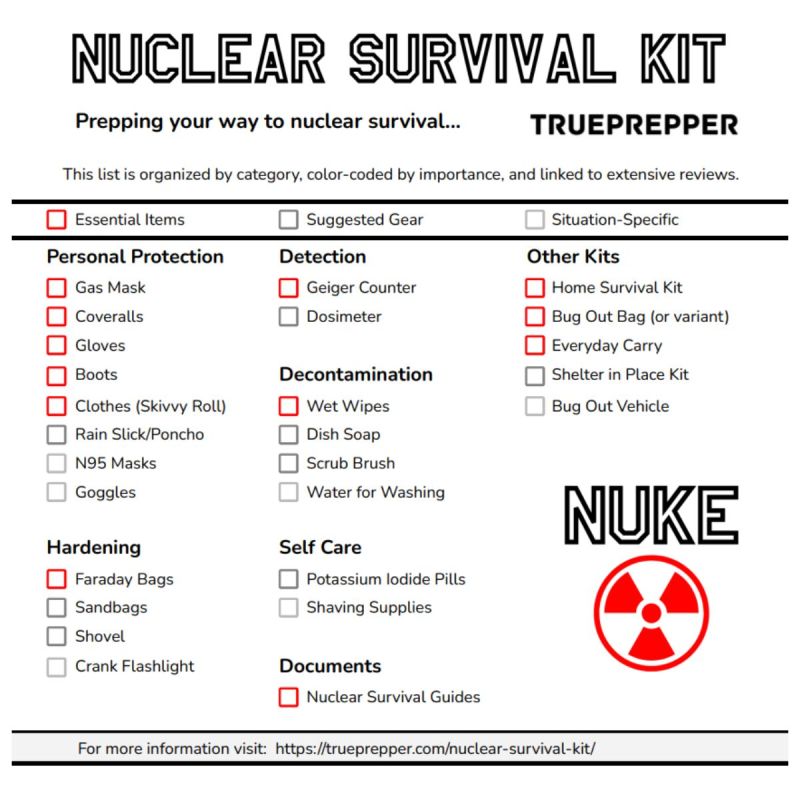
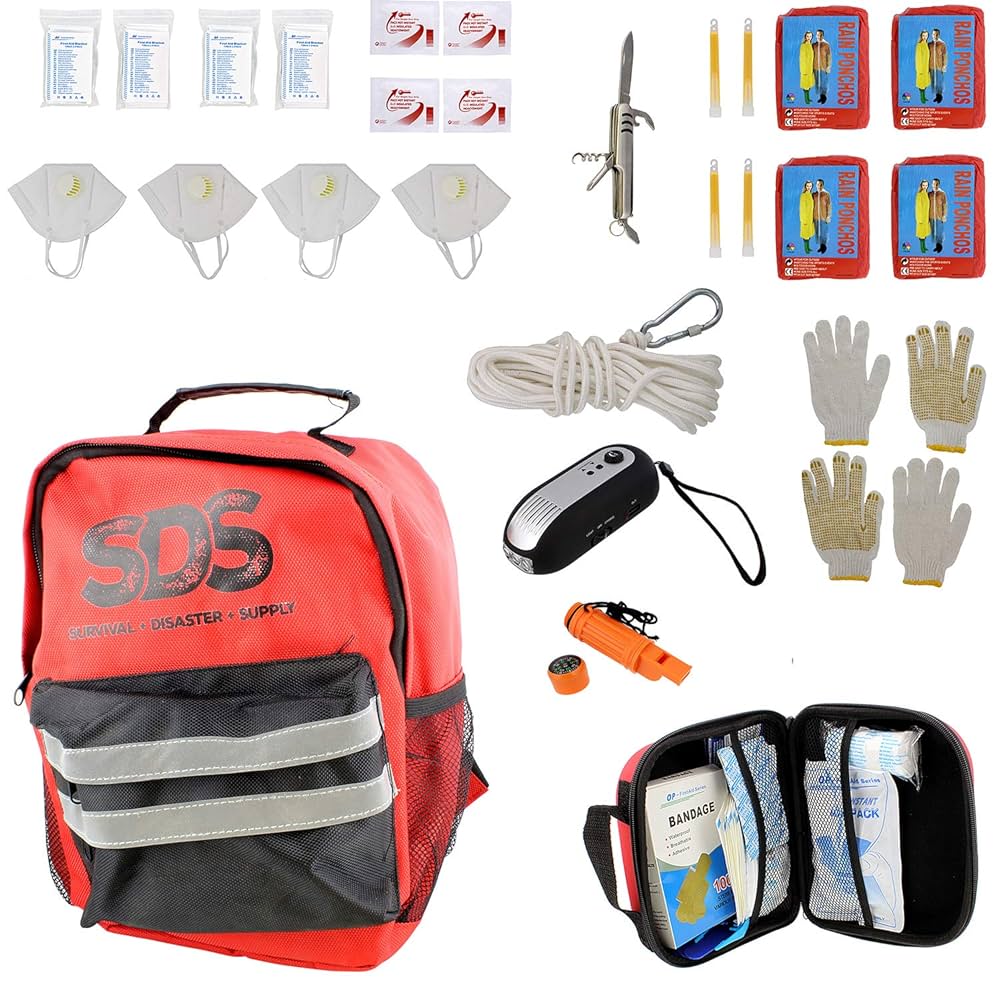
Imagine having a survival kit tailored just for you at 40—packed with everything you truly need to stay safe, comfortable, and prepared. You might wonder, what should go into a survival kit for someone at this stage of life?
The answer isn’t just about basic supplies; it’s about thoughtful choices that match your health, lifestyle, and daily challenges. You’ll discover exactly what to include in your 40-year-old survival kit, so you can face any situation with confidence and peace of mind.
Keep reading, because your safety and well-being deserve this smart preparation.
Basic Survival Tools
Basic survival tools form the foundation of any effective 40-year survival kit. These items are your first line of defense in unexpected situations. Without reliable tools, even the best plans can fall apart quickly.
Multi-tool And Knife
A quality multi-tool and a sturdy knife are indispensable. The multi-tool offers versatility, combining pliers, screwdrivers, scissors, and more in one compact device. I once fixed a broken zipper on my backpack using just a multi-tool, proving how handy it can be.
Your knife should be sharp, durable, and suitable for various tasks like cutting rope, preparing food, or making kindling. Think about what you might need to do daily and pick a blade that fits those tasks.
Fire Starters
Fire is crucial for warmth, cooking, and signaling for help. Pack multiple fire-starting options like waterproof matches, a flint striker, and fire steel rods. I’ve seen how a single wet match can fail, so having backups saved the day during a rainy hike.
Keep these items in a waterproof container. That way, you avoid the frustration of soggy matches or damp tinder when you need a fire the most.
Flashlight And Batteries
A reliable flashlight lights your way in darkness and can signal rescuers. Choose an LED flashlight for brightness and long battery life. I once had an old flashlight fail mid-camp, and a fresh, powerful LED one made all the difference.
Don’t forget to pack extra batteries and store them separately. You’ll be grateful when your flashlight stays powered during an extended emergency.
First Aid Essentials
First aid essentials are the backbone of any 40-year-old survival kit. You never know when a small injury might turn into a serious problem without the right supplies on hand. Having these items ready can make a big difference in managing wounds, preventing infections, and stabilizing injuries until professional help arrives.
Bandages And Dressings
Bandages and dressings protect wounds and help control bleeding. Stock various sizes of adhesive bandages, from small strips for minor cuts to larger ones for bigger wounds.
- Sterile gauze pads: Use to cover open wounds and absorb blood.
- Elastic bandages: Great for sprains or securing dressings in place.
- Adhesive tape: Essential for holding gauze or bandages firmly.
Think about the last time you had a scrape—did you have the right bandage to keep it clean and protected? Having a variety ensures you’re ready for different injuries.
Medications And Ointments
Medications and ointments treat pain, prevent infection, and speed up healing. Include pain relievers like ibuprofen or acetaminophen to manage discomfort.
- Antibiotic ointment: Helps prevent infection in minor cuts and burns.
- Hydrocortisone cream: Reduces itching and inflammation from insect bites or rashes.
- Antihistamines: Useful if allergies or insect stings become an issue.
Have you ever experienced how a simple ointment can stop a wound from worsening? Keeping these medicines fresh and within their expiration dates is just as important as having them.
Emergency Medical Supplies
Emergency supplies provide critical support when serious injuries happen. Include items like a CPR mask to safely perform rescue breaths and a tourniquet to stop severe bleeding.
- Instant cold packs: Help reduce swelling from sprains or bruises.
- Splints: Keep broken bones or sprains immobilized.
- Medical gloves: Protect both you and the injured person from infection.
Imagine facing a severe injury without these tools—would you feel prepared to act quickly? These supplies can stabilize someone’s condition and buy valuable time.
Food And Water Supplies
Food and water are the backbone of any survival kit, especially one designed to last 40 years. Your body needs reliable energy and hydration to stay functional in tough situations. Choosing the right supplies means balancing shelf life, nutrition, and ease of use.
Non-perishable Food Items
Stock your kit with foods that last for decades without spoiling. Look for items like:
- Dried beans and lentils
- Freeze-dried fruits and vegetables
- Dehydrated meats or jerky
- Powdered milk and eggs
- Hard grains like rice and quinoa
- Energy bars and nuts with long expiration dates
These foods don’t just last long; they also provide essential nutrients. Remember, variety matters—you want to avoid getting bored or malnourished. Have you tested how you like eating these items now? That can help you avoid surprises later.
Water Purification Methods
Clean water can be scarce or contaminated during emergencies. Carry tools that let you purify water on the spot. Common options include:
- Portable water filters (like LifeStraw or Sawyer Mini)
- Water purification tablets or drops
- Boiling equipment, if you can carry a small stove or fire-starting tools
Each method has pros and cons. Filters work quickly but can clog; tablets are lightweight but need time; boiling kills almost all pathogens but requires fuel. What kind of water sources might you encounter, and which method suits your lifestyle best?
Portable Water Containers
Storing and carrying water efficiently is crucial. Choose containers that are durable, lightweight, and easy to clean. Options include:
- Collapsible water bladders for saving space
- Rigid BPA-free plastic bottles
- Metal canteens that can double as cooking vessels
Label your containers clearly and rotate water supplies regularly to keep them fresh. How much water can you realistically store and carry? Planning this helps avoid dehydration when it matters most.
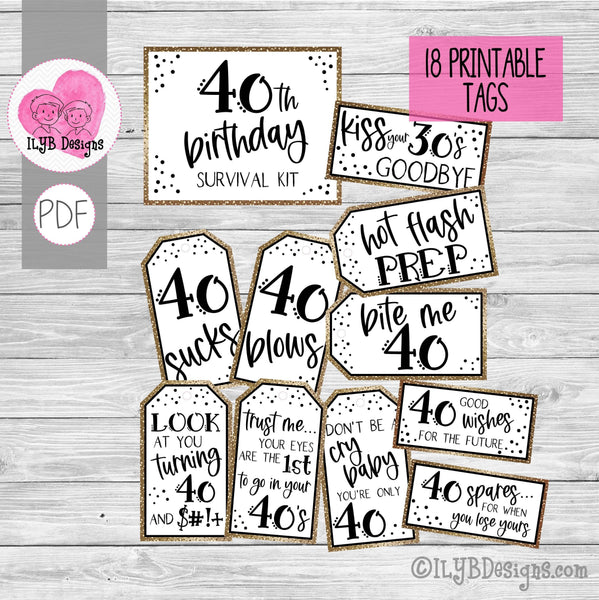
Credit: ilybdesigns.com
Clothing And Shelter
Clothing and shelter are the backbone of any survival kit, especially one designed for a 40-year-old. They protect your body from harsh weather and provide comfort when you need it most. Choosing the right items can mean the difference between staying healthy and facing serious risks.
Weather-appropriate Clothing
Pick clothes that match the climate where you live or might find yourself stranded. Layering is key: start with a moisture-wicking base layer, add an insulating middle layer, and finish with a waterproof outer layer. Think about materials like wool or synthetic fabrics—they dry quickly and keep you warm even when wet.
Have you ever felt the shock of damp clothes on a cold day? That discomfort can quickly turn dangerous. Including a compact rain jacket and a thermal shirt can keep you dry and warm without taking up much space.
Emergency Blanket And Shelter
An emergency blanket is a must-have. It reflects your body heat back to you and packs down small. You can carry one in your kit without adding bulk, but it can save your life by preventing hypothermia.
Also, consider a lightweight tarp or bivvy sack. These create instant shelter from wind and rain. I once used a tarp during a sudden storm, and it kept me dry and calm while waiting for help. What’s in your kit that could shield you from unexpected weather?
Extra Socks And Gloves
Extra socks and gloves might seem like simple items, but they are crucial. Wet feet or hands can lead to frostbite or infections. Always pack at least one pair of thick, dry socks and insulated gloves.
Think about how your hands and feet feel after a long day outdoors. Now imagine having dry, warm replacements ready. That small comfort can keep your spirits up and your body healthy.
Communication And Navigation
Effective communication and navigation tools are crucial in any survival kit, especially when you’re 40 years old and want to ensure reliability without unnecessary complexity. These tools help you stay connected and oriented, even in challenging environments. You might think you won’t need them, but imagine being in unfamiliar terrain or needing to alert someone without a phone signal.
Whistle And Signal Mirror
A whistle is a simple yet powerful way to grab attention over long distances. Its sharp sound can carry much further than your voice, making it ideal for signaling rescuers or alerting others nearby.
The signal mirror adds a visual alert option. By reflecting sunlight, it can send flashes visible miles away on a clear day. Both are lightweight, require no batteries, and have saved lives during unexpected emergencies.
Compass And Maps
Relying solely on GPS can backfire if your device runs out of battery or loses signal. A quality compass paired with detailed local maps keeps you oriented no matter what.
Learning basic map reading skills boosts your confidence and self-reliance outdoors. Carry maps that cover your area of activity and practice using your compass regularly to avoid confusion under pressure.
Backup Phone Charger
Phones are great for navigation and communication, but battery life is limited. A compact backup charger ensures your device stays powered during extended trips or emergencies.
Look for solar-powered or hand-crank options to keep your phone charged even without electricity. Keeping this charger in your kit means you’re always ready to call for help or check your GPS.
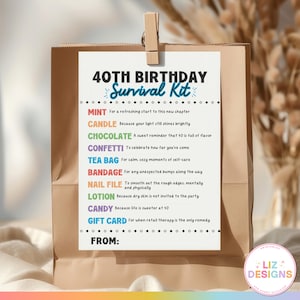
Credit: www.etsy.com
Personal Hygiene Items
Personal hygiene items are essential in any survival kit, especially for a 40-year-old. Staying clean helps prevent illness and keeps your morale high during tough times. These items don’t just maintain your health; they support your overall well-being and confidence.
Sanitizers And Wipes
Sanitizers and wipes are lifesavers when water is scarce. Hand sanitizer with at least 60% alcohol kills germs quickly, reducing your risk of infection. Antibacterial wipes are great for cleaning hands, surfaces, and even your face when you can’t shower.
Keep a small bottle and a pack of wipes in your kit. They’re lightweight and easy to use on the go. Have you ever found yourself stuck somewhere without soap or water? These items bridge that gap effectively.
Toothbrush And Toothpaste
Oral hygiene is often overlooked but crucial in survival situations. A good toothbrush and toothpaste help prevent bad breath and dental issues. Toothpaste with fluoride strengthens your teeth, making it easier to avoid painful cavities.
Choose a compact, travel-sized toothbrush to save space. Consider toothpaste tablets if you want to minimize liquid weight. Imagine how uncomfortable a toothache can be when help is far away—don’t let it happen to you.
Feminine Hygiene Products
Women need to pack feminine hygiene products tailored to their needs. Items like sanitary pads, tampons, or menstrual cups keep you comfortable and prevent infections. Including these products shows you’re prepared for every situation.
Think about the convenience of having your preferred products ready. It can reduce stress and maintain your routine even in challenging environments. What’s your go-to product for comfort during tough days?
Important Documents And Money
Keeping important documents and money in your 40-year-old survival kit is essential. These items help you handle unexpected situations smoothly, whether it’s a natural disaster, travel emergency, or sudden relocation. Missing these can turn a manageable problem into a major headache.
Copies Of Ids And Insurance
Always add photocopies of your ID cards, driver’s license, and passports to your kit. Originals can get lost or damaged, so having copies ensures you still have proof of identity.
Include copies of your health, home, and car insurance papers too. These documents can speed up claims or help you access medical care quickly.
Emergency Contact List
Create a list with names and phone numbers of family, friends, doctors, and other key contacts. Store it both on paper and digitally if possible.
Think about who you would need to reach out to in a crisis. Having this list saves time and stress when you most need it.
Cash And Coins
Keep some cash and coins in your kit, as ATMs and card machines might not work during emergencies. Small bills are especially useful for quick purchases.
Don’t just stash a random amount—think about what you might realistically need for food, transport, or lodging for a few days.

Credit: www.amazon.co.uk
Additional Comfort Items
Additional comfort items add a personal touch to your survival kit. They help reduce stress and keep your mind active during tough times. Small, simple items can make a big difference in your daily comfort.
Books And Entertainment
Books offer an escape and keep your mind sharp. Choose small, lightweight books or magazines. Puzzles, cards, or a small board game can also help pass the time. Entertainment keeps spirits high and reduces boredom.
Notepad And Pen
A notepad and pen are useful for many reasons. You can write down important information or keep a journal. Drawing or doodling also helps relieve stress. These items are light and easy to carry.
Small Sewing Kit
A small sewing kit repairs clothes and gear quickly. It prevents damage from becoming worse. Include needles, thread, buttons, and small scissors. This kit extends the life of your clothing and fabric items.
Frequently Asked Questions
What Items Are Essential For A 40-year-old Survival Kit?
A 40-year-old survival kit should include basic necessities like food, water, and shelter. Incorporate items such as a first-aid kit, a flashlight, multi-tool, and personal documents. Ensure the kit is tailored to the individual’s specific health needs and lifestyle preferences.
How Do You Personalize A Survival Kit For A 40-year-old?
Personalizing a survival kit involves considering dietary needs, health conditions, and lifestyle. Include medications, preferred snacks, and comfort items. Adapt the kit to the individual’s environment and potential risks. Regularly update the kit to ensure all items are current and relevant.
Why Is A Multi-tool Important In A Survival Kit?
A multi-tool is versatile, compact, and essential for emergency situations. It includes tools like knives, screwdrivers, and pliers. These tools can help with repairs, food preparation, and building shelter. A multi-tool can be a lifesaver in various survival scenarios.
How Often Should You Update A Survival Kit?
Update a survival kit at least once a year. Check expiration dates on food, water, and medications. Replace any used or damaged items. Regular updates ensure the kit remains effective and reliable during emergencies.
Conclusion
A good survival kit for a 40-year-old should cover basic needs. Include items for health, safety, and comfort. Think about food, water, and first aid supplies. Tools like a flashlight and multitool also help. Keep it simple and practical. Preparing now saves trouble later.
Stay ready for any situation. Your kit can make a big difference. Start building it today.