When you head out for a hunting trip, being prepared can make all the difference between a great experience and a dangerous situation. Imagine finding yourself deep in the wild, far from help, with only what’s in your survival kit to rely on.
What would you want in that kit? What essentials could keep you safe, comfortable, and ready for anything? This guide will help you build a survival kit tailored for hunting, so you can focus on the hunt while knowing you’re prepared for the unexpected.
Keep reading to discover the must-have items that could save your life.
Basic Survival Tools
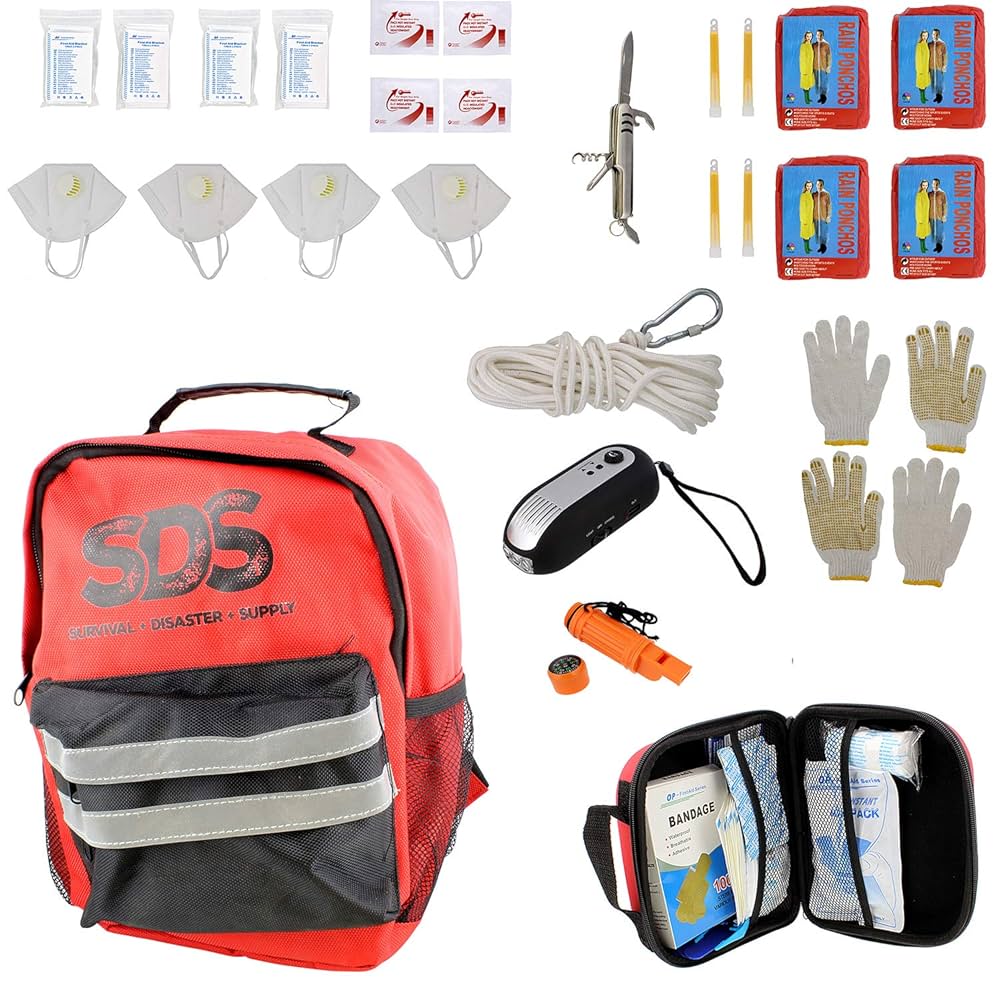
Having the right basic survival tools in your hunting kit can make the difference between a tough day and a life-saving experience. These tools help you handle emergencies, build shelter, or signal for help. When you pack smart, you prepare yourself for unexpected challenges in the wild.
Knife And Multi-tool
A sharp, reliable knife is your best friend in the wilderness. Use it for cutting rope, preparing food, or even making kindling. A multi-tool adds versatility with pliers, screwdrivers, and scissors all in one compact device.
Think about the last time you needed to fix gear on the spot. Would a multi-tool have saved you time and frustration? Don’t forget to choose tools with durable handles and locking blades for safety.
Fire Starting Equipment
Fire can keep you warm, cook food, and signal rescuers. Pack waterproof matches, a reliable lighter, and a fire starter like a ferrocerium rod. These items work well even after getting wet or in windy conditions.
Try practicing fire-starting before your trip. You might discover which tool you handle best under pressure. What’s your backup plan if the first method fails?
Signal Devices
Attracting attention quickly can save your life. Carry a whistle, signal mirror, and a small flashlight or headlamp. These devices help you communicate your location to rescuers over long distances.
Ever tried signaling without these tools? It’s harder than you think. Keeping these items within easy reach ensures you can act fast when every second counts.

Credit: stayreadyoutdoors.com
Navigation And Communication
Navigation and communication tools are essential in your hunting survival kit. They keep you oriented and connected, especially in unfamiliar or dense wilderness. Without reliable ways to find your path or signal for help, even the most experienced hunters can face serious risks.
Compass And Maps
A simple compass paired with detailed topographic maps is a lifesaver. Batteries die, but a compass never fails if you know how to use it. Take time to learn basic map reading and compass skills before heading out.
Always carry maps of your hunting area, including backup copies in waterproof cases. Mark key landmarks and trail routes on them. This old-school navigation gear works perfectly when electronic devices run out of juice or lose signal.
Gps Devices
GPS devices add a modern edge to navigation. They show your exact location and can track your route automatically. Many handheld GPS units also store waypoints, which helps you mark your stand, parking spot, or hunting zones.
Keep in mind, GPS depends on satellite signals and batteries. Bring extra batteries or a portable charger. Also, don’t rely solely on GPS—combine it with a compass and map for the best safety net.
Emergency Whistle
An emergency whistle is a small but powerful communication tool. It can carry your distress signal over long distances when your voice can’t. Three short blasts is the universal signal for help—easy to remember and hard to ignore.
Attach a whistle to your survival kit or hunting vest where it’s always accessible. It’s lightweight and doesn’t require batteries, so it’s a smart addition that might save your life in a crisis.
Shelter And Warmth
Staying warm and dry is vital during hunting trips. Shelter protects you from wind, rain, and cold. It helps keep your body heat and prevents hypothermia. Packing the right shelter and warmth gear increases comfort and safety in the wild.
Tarp And Tent Materials
A tarp is lightweight and versatile for quick shelter setups. Choose waterproof, durable tarps made of nylon or polyester. Tents offer more protection but weigh more. Look for tents with strong poles and waterproof fabric. Both tarps and tents should be easy to pack and set up.
Sleeping Bag And Blanket
A good sleeping bag provides insulation from cold ground and air. Select bags rated for temperatures you expect to face. Compact, lightweight bags with synthetic or down fill work well. Carry an emergency blanket as backup. It reflects body heat and adds extra warmth.
Thermal Clothing
Thermal clothes trap body heat and wick away moisture. Base layers made of wool or synthetic fibers keep skin dry. Add insulated jackets or vests for extra warmth. Pack gloves, hats, and socks designed for cold weather. Layering helps adjust warmth as conditions change.

Credit: www.amazon.com
Food And Water Supplies
Food and water are the backbone of any survival kit, especially when you’re out hunting. Without reliable supplies, your energy and focus will drop fast. You need options that last, keep you hydrated, and can be accessed even in tough conditions.
Water Filtration And Purification
Carrying enough water is heavy and impractical, so having a way to filter and purify water on the go is crucial. Compact water filters, like the Sawyer Mini or LifeStraw, remove harmful bacteria and protozoa with ease. Tablets and drops that kill viruses and bacteria are lightweight backups that don’t require electricity or batteries.
Have you ever found a clear stream only to hesitate because you weren’t sure if it was safe? A good filtration system gives you confidence to drink without worry. Always carry a small collapsible water bottle or hydration bladder to make collecting water easier.
Non-perishable Food Items
Your food must be durable and high in calories to keep your energy up. Jerky, nuts, and trail mix are excellent because they don’t spoil and provide protein and fats. Energy bars designed for outdoor use are compact and packed with nutrients.
Don’t forget to include some instant oatmeal or freeze-dried meals for a warm, satisfying meal when you have the chance to cook. These items take up little space but can boost morale and provide comfort during long days in the wild.
Fishing And Trapping Gear
Adding simple fishing and trapping tools gives you a way to catch fresh food, expanding your options beyond what you carry. A basic fishing kit with hooks, line, and sinkers fits easily in your pack. Learning to set snares or traps can catch small game quietly and efficiently.
Think about how much longer you could stay out if you could supplement your food supply naturally. Carrying these tools also makes you less dependent on packaged food, which can run out faster than expected.
First Aid Essentials
Having first aid essentials in your hunting survival kit can make a big difference when accidents happen. You might be far from help, so being prepared to treat injuries right away is crucial. Your kit should cover common issues like cuts, scrapes, insect bites, and even more serious wounds.
Bandages And Dressings
Bandages and dressings are the backbone of your first aid supplies. Pack various sizes of adhesive bandages to cover small cuts and blisters. Include sterile gauze pads and rolls to handle larger wounds or to stop bleeding effectively.
Don’t forget a few butterfly closures or wound strips to hold deeper cuts together. These can prevent dirt from entering and speed up healing. Have you ever tried using a bandage that was too small for the injury? It’s frustrating and ineffective.
Medications And Ointments
Medications in your kit should focus on pain relief, infection prevention, and allergic reactions. Over-the-counter painkillers like ibuprofen or acetaminophen help manage pain and reduce inflammation. Antihistamines are essential if you encounter allergic reactions from insect stings or plants.
Antibiotic ointments keep wounds clean and lower infection risk. Adding an antiseptic solution or wipes allows you to clean injuries immediately. Think about the last time you had a scrape and didn’t clean it properly—did it get infected?
Tools For Injury Management
Include tools that help you handle injuries with precision and safety. A pair of small scissors can cut bandages or clothing away from a wound. Tweezers are crucial for removing splinters, thorns, or ticks safely.
Consider a pair of disposable gloves to protect yourself and the injured area from contamination. A CPR face shield can be a lifesaver in emergencies. What tools do you currently carry that you might not use often but could be vital in a pinch?

Credit: www.amazon.ca
Hunting-specific Gear
Hunting-specific gear is the backbone of any survival kit tailored for hunters. This gear ensures you’re prepared not just to find and track game, but also to handle your catch efficiently and stay concealed. Packing the right tools can make a critical difference in your success and safety during your hunting trips.
Ammunition And Firearms
Your choice of firearms and ammunition must align with the game you’re targeting. Carry extra rounds — running out in the wild isn’t an option. Think about the type of terrain and weather; some ammo performs better in damp or cold conditions.
Don’t forget to include a reliable cleaning kit. Dirt and grime can jam your firearm at the worst moments. Have you ever experienced a misfire when the pressure was on? That’s a lesson many hunters learn the hard way.
Camouflage And Blinds
Blending into your surroundings protects you from alerting game. Pack camo clothing suitable for the season and environment. Lightweight, breathable fabrics work well in warmer weather, while insulating layers matter in cold conditions.
Portable blinds offer a stationary spot that lets you observe quietly and wait for the right moment. Consider mesh or natural materials to avoid detection. Have you noticed how animals react differently when they spot movement? Staying still and hidden can be your biggest advantage.
Game Processing Tools
Once you’ve made a successful hunt, the next challenge is processing your game. Include a sharp hunting knife, a bone saw, and gloves to keep things sanitary. A compact, easy-to-clean kit saves time and effort in the field.
Don’t overlook storage options like game bags or coolers, which help preserve meat quality. Have you planned how you’ll carry your harvest back? Proper tools and preparation prevent spoilage and make the journey home smoother.
Additional Useful Items
Building a survival kit for hunting means preparing for many situations. Beyond the basics, some extra items can make your trip safer and easier. These additions help with emergencies, navigation, and identification.
Paracord And Rope
Paracord is strong, light, and versatile. Use it for setting traps, fixing gear, or making shelter. Rope helps secure loads and create emergency stretchers. Always carry at least 20 feet of paracord in your kit.
Lighting Options
Good lighting is crucial after dark. Pack a small flashlight or headlamp with extra batteries. Glow sticks are handy as backup lights. They last long and are easy to use without batteries.
Personal Identification And Permits
Carry ID to prove who you are. Bring hunting permits and licenses to avoid legal trouble. Keep these documents in waterproof cases. It protects them from rain and sweat during your trip.
Frequently Asked Questions
What Essentials Are Needed For A Hunting Survival Kit?
A hunting survival kit should include a first-aid kit, water purification tablets, a fire starter, a multi-tool, and a compass. These items ensure safety and preparedness in unexpected situations. Including high-energy snacks, a flashlight, and an emergency blanket can also be beneficial for longer hunting trips.
How Do I Choose The Right Knife For My Kit?
Choose a durable, sharp knife with a fixed blade for reliability. A survival knife is essential for various tasks like cutting rope, preparing food, or protection. Look for a knife with a comfortable grip and a blade length of 4 to 6 inches for versatility.
Why Is A Fire Starter Crucial For Hunting?
A fire starter is crucial for warmth, cooking, and signaling for help. It provides a reliable heat source in emergencies. Matches and lighters can fail in wet conditions, so carrying waterproof matches or a magnesium fire starter ensures you can create fire anytime, anywhere.
Should I Include A Map In My Survival Kit?
Yes, always include a detailed map of the hunting area. A map helps you navigate unfamiliar terrain and find your way back if lost. Pair it with a compass for accurate navigation. Digital devices can fail, making traditional navigation tools indispensable.
Conclusion
A good survival kit can save your life while hunting. Pack essential items like water, food, fire starters, and a first aid kit. Keep tools for navigation and shelter too. Remember to check your kit before every trip. Stay prepared, stay safe, and enjoy your time outdoors.
A well-packed kit gives you confidence in the wild. Small steps make a big difference. Ready for your next hunt?