Imagine spending a perfect day at the beach, only to realize you forgot something important. What if you could avoid that stress and be ready for anything?
Your beach survival kit can make all the difference between a fun outing and a frustrating experience. You’ll discover exactly what to put in your kit to stay safe, comfortable, and prepared. Keep reading, and you’ll never worry about beach mishaps again.

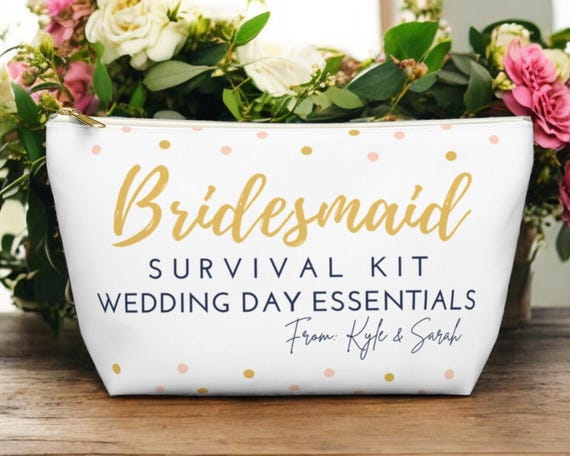
Credit: www.davidsbridal.com
Basic Safety Gear
Basic safety gear is essential for any beach survival kit. These items protect you from common beach hazards. They help you handle minor injuries, prevent sunburn, and stay hydrated. Having these supplies improves your safety and comfort during your beach time.
First Aid Supplies
First aid supplies treat cuts, scrapes, and stings quickly. Include:
- Bandages in various sizes
- Antiseptic wipes or cream
- Tweezers for removing splinters
- Small scissors
- Pain relievers like ibuprofen
- Allergy medicine if needed
These items help manage small injuries before they worsen.
Sun Protection
Protecting skin from the sun is crucial. Pack sunscreen with at least SPF 30. Choose water-resistant types. Include lip balm with SPF and a wide-brimmed hat. Sunglasses with UV protection shield your eyes. Covering up prevents sunburn and heat exhaustion.
Hydration Essentials
Staying hydrated is vital under the sun. Bring plenty of water in a reusable bottle. Electrolyte tablets or powders help replace salts lost through sweat. Avoid sugary or caffeinated drinks. Drinking often prevents dehydration and keeps energy up.

Credit: www.davidsbridal.com
Navigation And Communication Tools
Having reliable navigation and communication tools in your beach survival kit is essential. These items help you stay oriented and connected, which can be lifesaving if you get lost or face an emergency. You want tools that are simple to use and effective in different situations.
Maps And Compass
Always include a detailed map of the area in your kit. A waterproof map is best to avoid damage from sand or water. Pair it with a compass to help you find your direction even when technology fails.
Relying solely on your phone’s GPS might not always work, especially if the signal is weak or the battery dies. Knowing how to read a map and use a compass can keep you on track and calm in stressful moments. Have you ever tried navigating without digital help? It’s a skill worth practicing.
Mobile Devices And Chargers
Your mobile phone is a powerful tool for communication and navigation. Make sure it’s fully charged before heading to the beach. Pack a portable charger or power bank to keep your device running longer.
Consider a waterproof case to protect your phone from water and sand. Also, download offline maps and emergency apps in advance. This way, you’re ready even without a signal. What apps do you trust the most for emergencies?
Whistles And Signal Mirrors
Small but effective, whistles and signal mirrors are great for attracting attention. A whistle’s sharp sound can carry far, helping rescuers find you faster. It’s easier to blow than shout when you’re tired or injured.
Signal mirrors reflect sunlight to create flashes visible from a distance. They don’t rely on batteries or electricity, making them perfect backup tools. Have you ever considered how simple tools like these could make a huge difference in an emergency?
Shelter And Comfort Items
Shelter and comfort items make beach trips safer and more enjoyable. They protect from sun, wind, and unexpected weather. These items also provide a cozy spot to rest and relax. Packing the right shelter and comfort gear is essential for a perfect day at the beach.
Tents And Tarps
Tents and tarps offer shade and shelter from wind and rain. Choose lightweight, easy-to-set-up tents. Tarps are versatile and can be tied between trees or poles. Both help you avoid sunburn and heat exhaustion. Look for water-resistant materials for extra protection.
Blankets And Towels
Blankets and towels add comfort and warmth on the sand. Thick blankets create a soft surface to sit or lie on. Large towels are perfect for drying off after swimming. Quick-dry towels save space and dry fast. Keep extra blankets for cooler evenings or unexpected chills.
Portable Seating
Portable chairs and stools make sitting comfortable anywhere. Choose foldable seats that are light and compact. Some come with sunshades or cup holders for convenience. Portable seating keeps you off hot or damp sand. It also helps you relax and enjoy your surroundings better.
Food And Cooking Supplies
Food and cooking supplies are essential for a beach survival kit. They provide energy and comfort during unexpected situations. Proper planning ensures you stay nourished and hydrated. Choose items that last long and are easy to prepare. Focus on lightweight and compact options. Think about safety and convenience while cooking outdoors.
Non-perishable Snacks
- Energy bars with nuts and dried fruits
- Trail mix with seeds and chocolate
- Jerky made from beef or turkey
- Crackers and peanut butter packets
- Dried fruits like apricots or mangoes
- Instant oatmeal or cereal packs
These snacks last without refrigeration. They provide quick energy and essential nutrients. Keep them sealed to avoid moisture and pests.
Portable Cooking Gear
- Compact camping stove or small burner
- Lightweight fuel canisters compatible with stove
- Collapsible pots and pans for easy storage
- Spork or lightweight cutlery set
- Firestarter kit with waterproof matches or lighter
- Aluminum foil for cooking or wrapping food
Choose gear that is easy to carry and use. Test your stove before packing. Make sure fuel is allowed in your travel area.
Water Purification
- Portable water filter pump or straw
- Water purification tablets or drops
- Collapsible water bottles or hydration bladders
- Boiling water using camping stove
Clean water prevents illness and dehydration. Carry enough to last until you can refill safely. Use purification methods to treat natural water sources.
Tools And Equipment
Having the right tools and equipment in your beach survival kit can make a big difference when unexpected situations arise. These items help you handle everything from simple fixes to emergency needs quickly and efficiently.
Multi-tools And Knives
A sturdy multi-tool or knife is essential. It can open cans, cut fishing lines, or prepare food. I once used a multi-tool to fix a broken tent pole during a beach trip, which saved the day.
Look for tools with several functions like pliers, screwdrivers, and scissors. Choose one with a comfortable grip and a locking blade for safety.
Flashlights And Batteries
Light can be scarce at the beach after sunset, so a reliable flashlight is a must. Headlamps are great because they keep your hands free for other tasks. Always pack extra batteries to avoid being left in the dark.
Consider waterproof or water-resistant flashlights. They stand up better to sand and splashes. Have you ever tried finding your way in the dark with just your phone’s dim screen? A good flashlight beats that struggle every time.
Fire Starting Kits
Fire can provide warmth, light, and a way to cook food. Include waterproof matches, a lighter, and fire starters like tinder or fire sticks. I keep a small fire-starting kit in a sealed plastic bag to protect it from moisture.
Practice using your fire starters before you need them. Can you build a fire quickly when the wind picks up or it’s damp? Being prepared with the right kit makes that possible.
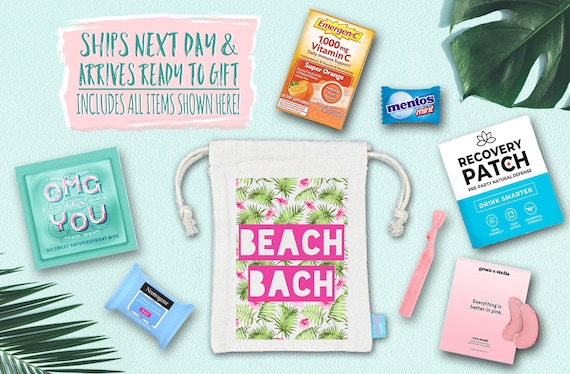
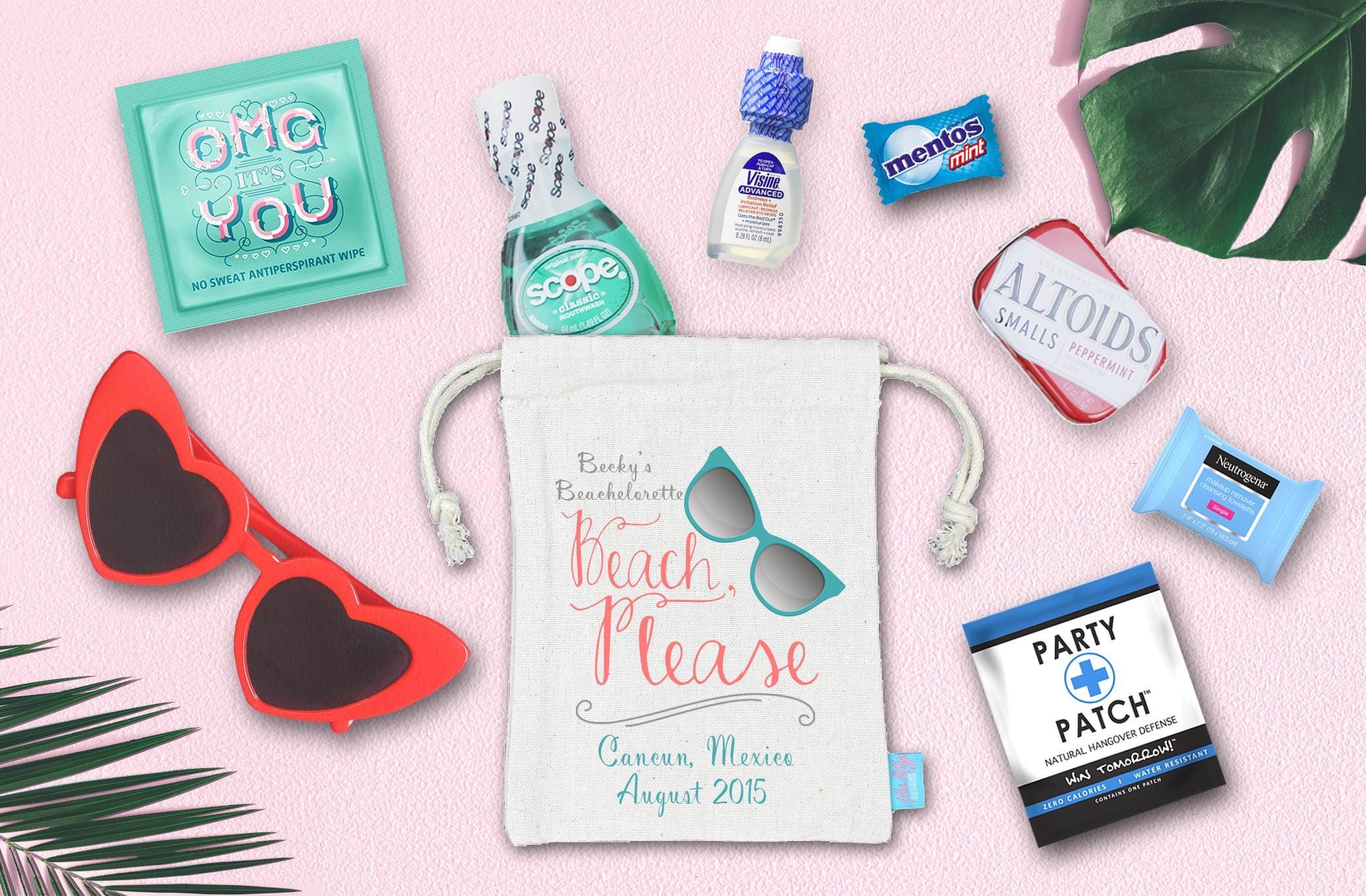
Credit: www.etsy.com
Entertainment And Leisure
Entertainment and leisure items keep the beach day lively and fun. They help pass the time and create joyful memories. Choosing the right activities suits all ages and energy levels. Pack items that bring smiles and encourage play. Here are some essentials to consider for your beach survival kit.
Water Toys And Games
- Inflatable beach balls for easy play
- Floating rings for relaxing in the water
- Water guns to cool off and have fun
- Frisbees for quick, active games
- Snorkeling gear to explore underwater sights
Books And Music
- Light novels or magazines for relaxing reads
- Waterproof e-readers to protect from sand and water
- Portable speakers with good battery life
- Headphones for personal listening
- Playlists ready for easy beach vibes
Sports Gear
- Beach volleyball for group fun
- Beach paddleball sets for two-player games
- Frisbee discs for active play
- Bodyboards for riding waves
- Kites for windy days and bright skies
Clothing And Personal Items
Packing the right clothing and personal items in your beach survival kit can make a huge difference in comfort and safety. The weather can change quickly, and having what you need on hand prevents unnecessary stress. Think about what you might really need, not just what you want.
Extra Clothing Layers
Even if the sun is blazing, temperatures can drop fast after sunset or when the wind picks up. Pack lightweight layers like a long-sleeve shirt or a thin hoodie that you can easily add or remove. A compact rain jacket is a smart choice too—it won’t take much space but can save you from getting soaked.
Consider materials that dry quickly and won’t weigh you down when wet. Have you ever felt chilled because your cotton shirt stayed wet after a swim? Avoid that by choosing synthetic fabrics designed for active wear. This small detail can keep you warm and comfortable much longer.
Footwear Options
Your feet will thank you for having proper footwear beyond flip-flops. Bring along sturdy water shoes or sandals with good grip for walking on slippery rocks or hot sand. They protect your feet from sharp shells, broken glass, or unexpected debris.
If your beach adventure includes hiking or exploring nearby trails, pack lightweight sneakers or trail shoes. Flip-flops are fine for the sand, but they offer little support or protection elsewhere. Ask yourself: what kind of terrain will you face after the beach?
Personal Hygiene
Keeping clean isn’t just about comfort—it helps prevent infections and skin irritations. Include travel-sized sunscreen, lip balm with SPF, and a small bottle of hand sanitizer in your kit. These protect your skin and keep germs at bay, especially when water access is limited.
Wet wipes or biodegradable tissues come in handy for quick clean-ups after eating or swimming. Don’t forget a small towel or microfiber cloth that dries fast and folds compactly. These simple items can make a big difference in how fresh you feel during and after your beach day.
Frequently Asked Questions
What Essentials Are In A Beach Survival Kit?
A beach survival kit should include sunscreen, a first-aid kit, a reusable water bottle, and snacks. Don’t forget sunglasses, a wide-brimmed hat, and a beach towel. A waterproof phone case and a beach umbrella are useful for extra protection. These items ensure a safe and enjoyable beach experience.
How To Choose The Right Sunscreen For The Beach?
Choose a broad-spectrum sunscreen with an SPF of 30 or higher. Look for water-resistant formulas to protect during swimming. Apply it generously and reapply every two hours or after swimming. Mineral-based sunscreens are ideal for sensitive skin. Protect your skin from harmful UV rays effectively.
What Snacks Are Best For A Beach Day?
Choose light, non-perishable snacks like granola bars, nuts, and dried fruits. Fresh fruits like apples and grapes are refreshing. Avoid chocolate, as it melts easily. Pack them in an insulated bag to keep them cool. These snacks provide energy and are easy to carry.
How To Keep Valuables Safe At The Beach?
Use a waterproof pouch or a dry bag to store valuables like phones and wallets. Keep them hidden in a beach bag or bury them under a towel. Consider using a small combination lock for extra security. Always stay vigilant and keep an eye on your belongings.
Conclusion
A beach survival kit keeps you safe and prepared. Pack essentials like water, sunscreen, and a first aid kit. Don’t forget snacks and a flashlight for emergencies. Simple items can make a big difference on the beach. Stay ready to enjoy your time without worry.
Being prepared means peace of mind. Build your kit and enjoy every beach day fully. Safety and fun go hand in hand.