When a hurricane is on the horizon, being prepared can make all the difference for you and your loved ones. You might wonder, “What exactly should I pack in my hurricane survival kit?” Knowing the right items to include can keep you safe, comfortable, and ready for anything the storm throws your way.
You’ll discover the essential supplies that Southern Living experts recommend. Keep reading to make sure your kit has everything you need before the next hurricane strikes. Your peace of mind depends on it.
Basic Supplies
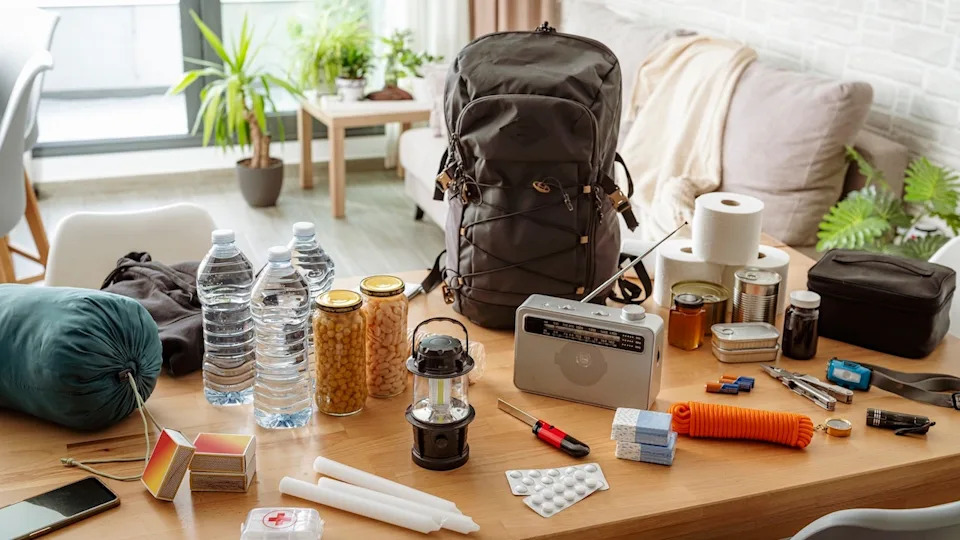
Preparing a hurricane survival kit starts with gathering basic supplies that can keep you safe and comfortable during the storm. These essentials form the backbone of your kit, ensuring you have what you need to survive when resources are scarce. Think about what you absolutely cannot live without for several days—then pack it carefully.
Water And Hydration
Water is the most critical item in your survival kit. Aim to store at least one gallon of water per person per day for at least three days. Don’t just grab any bottles; choose sturdy, sealed containers that won’t leak or break easily.
Consider adding water purification tablets or a small portable filter. This can be a lifesaver if your stored water runs out or gets contaminated. Ask yourself: do you have enough water for every member of your family, including pets?
Non-perishable Food
Stock up on foods that don’t require refrigeration or cooking. Think canned beans, peanut butter, granola bars, and dried fruits. These items provide energy and nutrition without relying on electricity or gas.
Rotate your food supply every six months to keep it fresh. Don’t forget a manual can opener—it’s easy to overlook but essential. What snacks would keep your spirits up if you were stuck indoors for days?
First Aid Essentials
A well-stocked first aid kit is vital. Include bandages, antiseptic wipes, pain relievers, and any prescription medications you or your family need. Add items like tweezers and scissors that come in handy during emergencies.
Personal experience taught me that having allergy medicine saved a family member from a severe reaction during a storm. Think about your unique health needs and pack accordingly. Could your kit handle a minor injury or sudden illness?
Personal Hygiene Items
Maintaining hygiene can prevent infections and keep morale high. Pack items such as soap, toothbrushes, toothpaste, feminine hygiene products, and hand sanitizer. Moist towelettes and garbage bags also come in handy for quick cleanups.
Don’t underestimate the comfort these simple items bring. When power and water are limited, staying clean can feel impossible—but having these supplies makes it easier. What hygiene items would make a tough situation more bearable for you?
Tools And Equipment
Having the right tools and equipment in your hurricane survival kit can make a huge difference during an emergency. These items help you stay safe, informed, and connected when power is out and resources are scarce. Think about what you would need to handle unexpected situations—your kit should cover all the basics and then some.
Flashlights And Batteries
Power outages are almost guaranteed during a hurricane. A reliable flashlight is essential to navigate your space safely in the dark. Make sure you pack extra batteries, because a dead flashlight won’t help you much when you need it the most.
Consider LED flashlights—they last longer and are more energy-efficient. Have at least two flashlights in different areas of your home so you’re never left fumbling in the dark. What’s your plan if the batteries run out? Keep a few backup sets ready to avoid that problem.
Multi-use Tools
A multi-use tool can be a lifesaver. These compact gadgets often include a knife, screwdriver, can opener, and pliers all in one. They’re perfect for quick fixes, opening cans, or minor repairs when help is not immediately available.
Choose a tool that feels sturdy and comfortable in your hand. I once had to use my multi-tool to cut rope and tighten a loose hinge after a storm blew debris around my porch. That kind of versatility is worth the space it takes in your kit.
Portable Chargers
Keeping your phone charged means staying connected to weather updates and emergency contacts. Portable chargers, or power banks, can give your devices multiple charges without needing electricity. Pick one with a high capacity to ensure it lasts through extended outages.
Remember to charge your power bank before the storm hits. You don’t want to find out it’s dead when you really need it. Have you tested your portable charger recently to see how many charges it can provide?
Emergency Radio
An emergency radio keeps you informed if cell service and internet go down. Look for one that operates on batteries or hand crank, so it works even when power fails. Some models also include NOAA weather alerts, which can provide crucial updates during a hurricane.
Try to find a radio that’s easy to use and durable. I keep mine in the same spot as my flashlight and multi-tool, so it’s always within reach. How will you stay updated if your phone dies and the internet is down?
Clothing And Protection
Preparing your clothing and protective gear for a hurricane is more than just packing a bag. It’s about ensuring safety, comfort, and readiness for unexpected challenges. Your choices can make a difference when you’re navigating flooded streets or working to secure your home in harsh weather.
Weather-appropriate Clothes
Choose clothes that match the season and conditions you expect. Lightweight, breathable fabrics work well for hot, humid climates, while layered options help in cooler or changing weather. Avoid cotton because it holds moisture; instead, pick synthetic or quick-dry materials to stay comfortable and dry.
Have you considered how long you might be wearing these clothes? Pack extras to stay clean and avoid skin irritation. A long-sleeve shirt can protect you from sunburn and insects, which are common after storms.
Rain Gear
A durable raincoat or poncho is essential to keep you dry during heavy downpours. Look for waterproof and wind-resistant options that fold easily into your kit. Don’t forget a waterproof bag or cover to protect important items like your phone or documents.
Rain gear isn’t just for comfort—it prevents hypothermia and skin issues from prolonged wetness. Have you tested your rain gear before? A quick check can reveal leaks or weaknesses before you need it most.
Sturdy Footwear
Waterproof boots or shoes with good tread are crucial for walking on slippery, uneven, or debris-covered surfaces. Avoid sneakers or sandals that soak up water and offer little protection. Look for options with ankle support to prevent injuries.
Think about your surroundings after a hurricane. Sharp objects, mud, and floodwaters can hide hazards. Investing in proper footwear isn’t just practical; it’s a safety measure that protects you from cuts and infections.
Protective Gloves
Heavy-duty gloves shield your hands when clearing debris or handling rough materials. Choose gloves made from tough materials like leather or reinforced synthetic fabrics. They should fit well to allow dexterity but still provide solid protection.
Consider how many pairs you might need if you’re doing extended clean-up or repairs. Gloves keep your hands safe from splinters, nails, and contaminated water. Have you ever tried working without them? The discomfort and risk are not worth it.
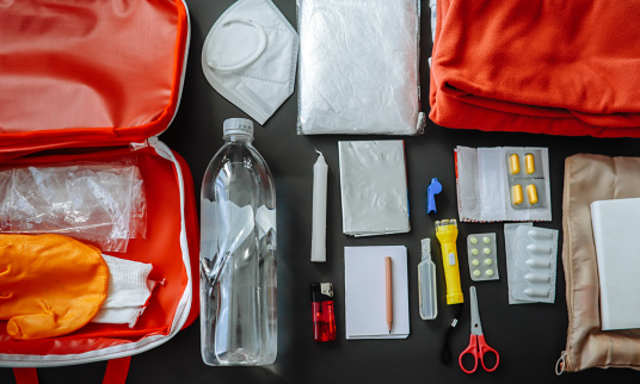
Credit: www.click2houston.com
Important Documents
Important documents must be part of your hurricane survival kit. They help prove your identity, ownership, and emergency needs. Keep these documents safe and easy to access during a storm. Use waterproof bags or portable fireproof containers to protect them from water and damage.
Identification Papers
- Driver’s license or state ID
- Passports for all family members
- Birth certificates
- Social Security cards
These papers prove who you are and are needed for evacuation or shelter entry.
Insurance Information
- Homeowners or renters insurance policies
- Auto insurance documents
- Health insurance cards and papers
Insurance documents help with claims after damage or loss. Keep copies in digital form if possible.
Emergency Contacts
- Phone numbers of family and friends
- Local emergency services
- Doctors and medical providers
- Utility companies and insurance agents
Having these contacts handy aids communication during power outages or evacuations.
Cash And Credit Cards
- Small bills for quick purchases
- At least one credit or debit card
Cash is useful when ATMs or card machines are down. Keep money in a secure, waterproof place.
Specialty Items
When preparing your hurricane survival kit, specialty items often make the biggest difference. These are the essentials tailored to your unique needs and situation. They go beyond basic supplies and ensure you’re ready for personal challenges during the storm.
Medications And Prescriptions
Never underestimate the importance of your medications. Keep a supply of all prescription drugs you or your family members need for at least a week. Include pain relievers, allergy medicine, and any special treatments like inhalers or insulin.
Store medications in waterproof containers to prevent damage. Also, have a list of your prescriptions and your doctor’s contact information. What would you do if you lost access to a pharmacy during the storm?
Baby And Pet Supplies
If you have little ones or pets, their needs must be part of your plan. Pack enough formula, diapers, wipes, and baby food for several days. Don’t forget comfort items like pacifiers or favorite toys to soothe them.
For pets, include food, water, leashes, carriers, and any medications. A familiar blanket or bed can reduce stress for your furry friends in uncertain times. Have you checked the expiration dates on pet food lately?
Comfort Items
Survival is about more than just safety; comfort helps maintain morale. Bring blankets, extra clothing, and sturdy shoes. Consider items like books, playing cards, or small games to keep spirits up when power is out.
Personal hygiene items such as wet wipes, toothbrushes, and deodorant also matter. These simple comforts can ease the strain of waiting out a storm. What small item keeps you calm during tough times?
Maps And Local Guides
Technology can fail during hurricanes, so physical maps are a must. Keep updated local maps to help navigate if GPS stops working. Include guides that highlight evacuation routes, shelters, and emergency services.
Having these tools on hand empowers you to make informed decisions quickly. Do you know the safest routes in your area without relying on your phone?
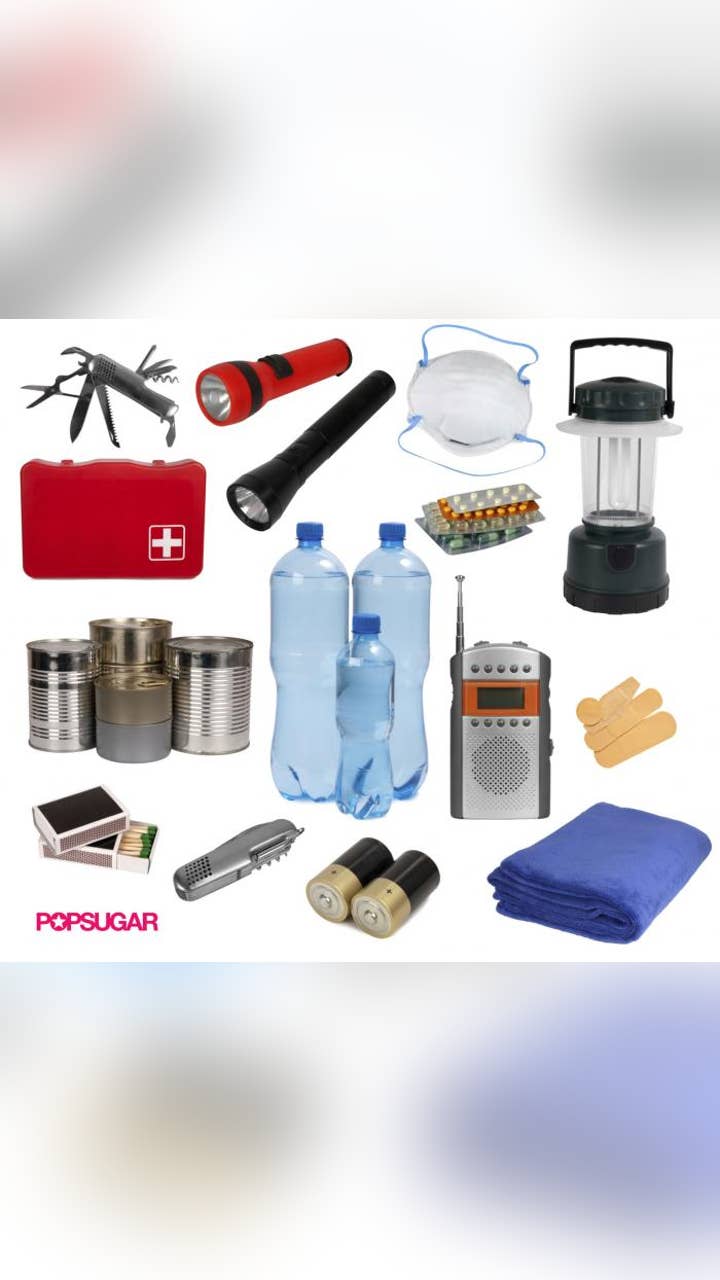
Credit: www.foxnews.com
Safety And Shelter
Safety and shelter are top priorities during a hurricane. Protecting yourself from harsh weather and staying warm can save lives. Prepare for strong winds, heavy rain, and power outages. A good survival kit should include items that help you stay safe and comfortable.
Emergency Blankets
Emergency blankets keep you warm and dry. They are lightweight and compact. These blankets reflect body heat to prevent hypothermia. Use them to wrap yourself or others in cold, wet conditions. Keep several in your kit for everyone in your family.
Tents And Tarps
Tents provide shelter if your home is unsafe. Choose a durable, waterproof tent that can handle strong winds. Tarps offer quick protection from rain and wind. Use tarps to cover damaged roofs or create a temporary shelter. Pack ropes and stakes to secure tarps properly.
Fire Extinguishers
Fires can start during hurricanes due to electrical issues. A fire extinguisher helps control small fires. Choose a multipurpose extinguisher for different fire types. Check the pressure gauge regularly to ensure it works. Keep it easily accessible in your shelter area.
Whistles And Signal Devices
Whistles help you call for help if trapped or lost. They make loud sounds that carry far. Signal devices like mirrors or flares attract attention. Include these tools to improve your chances of rescue. Test whistles and signals before storing them in your kit.
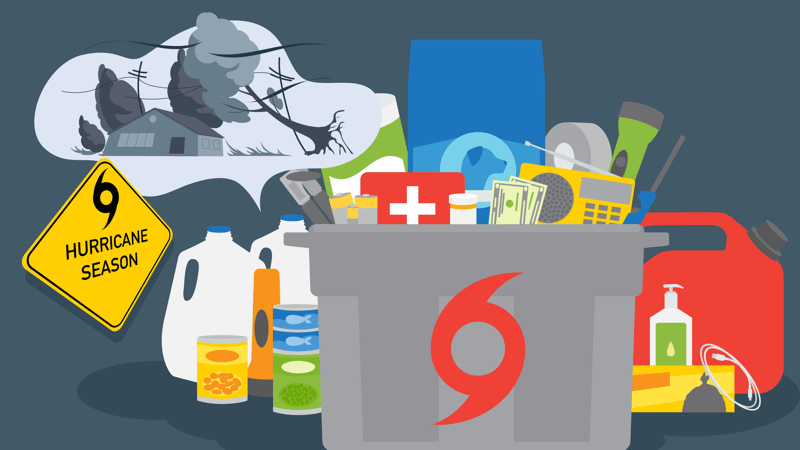
Credit: health.clevelandclinic.org
Frequently Asked Questions
What Essentials Should Be In A Hurricane Kit?
A well-prepared hurricane kit should include water, non-perishable food, a first-aid kit, flashlight, batteries, and important documents. Don’t forget personal hygiene items, a multi-tool, and cash. Ensure you have enough supplies for at least 72 hours. Adjust based on specific family needs and local guidelines.
How Much Water Is Needed Per Person?
It’s recommended to store at least one gallon of water per person per day. Plan for a minimum of three days. This amount accounts for both drinking and sanitation needs. Adjust based on climate and individual needs, ensuring enough supply for the entire household, including pets.
Why Include A Flashlight In The Kit?
A flashlight is crucial during power outages, common after hurricanes. It provides essential light for safety and navigation. Opt for LED flashlights for longer battery life. Keep extra batteries or consider a hand-crank model. A reliable light source can significantly improve safety and comfort during emergencies.
Should I Pack Food For Pets?
Yes, include enough pet food and water for at least three days. Consider their specific dietary needs and any medications. Don’t forget pet identification and comfort items like toys or blankets. Preparing for pets ensures their safety and well-being during and after the storm.
Conclusion
Preparing a hurricane survival kit helps keep you safe and calm. Pack water, food, first aid, and important documents. Don’t forget flashlights, batteries, and sturdy clothes. Check your kit often and replace expired items. Staying ready means you face storms with confidence.
Small steps now can make a big difference later. Stay safe, stay prepared, and protect your family.