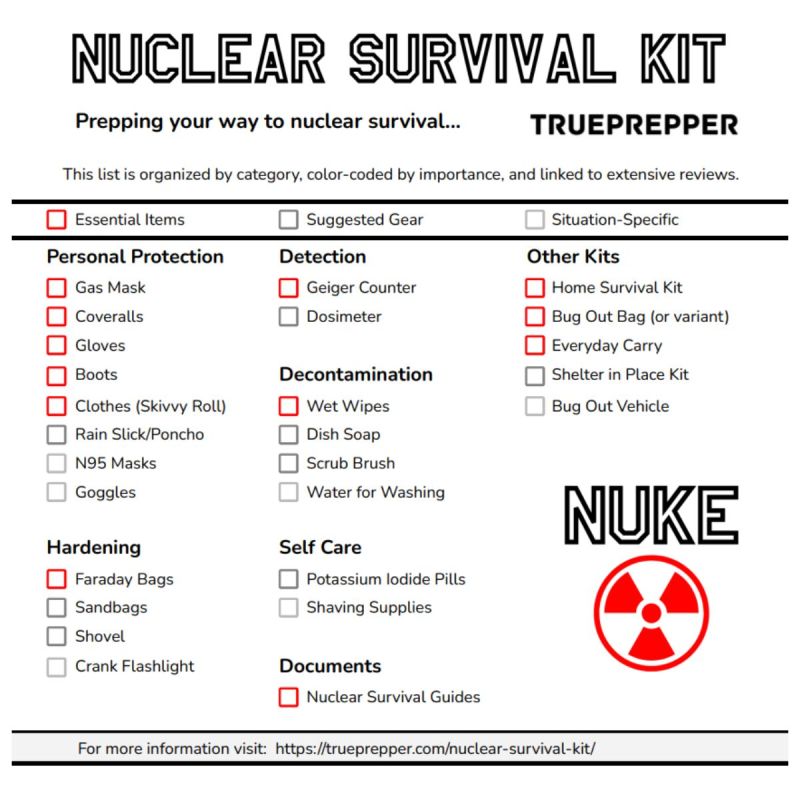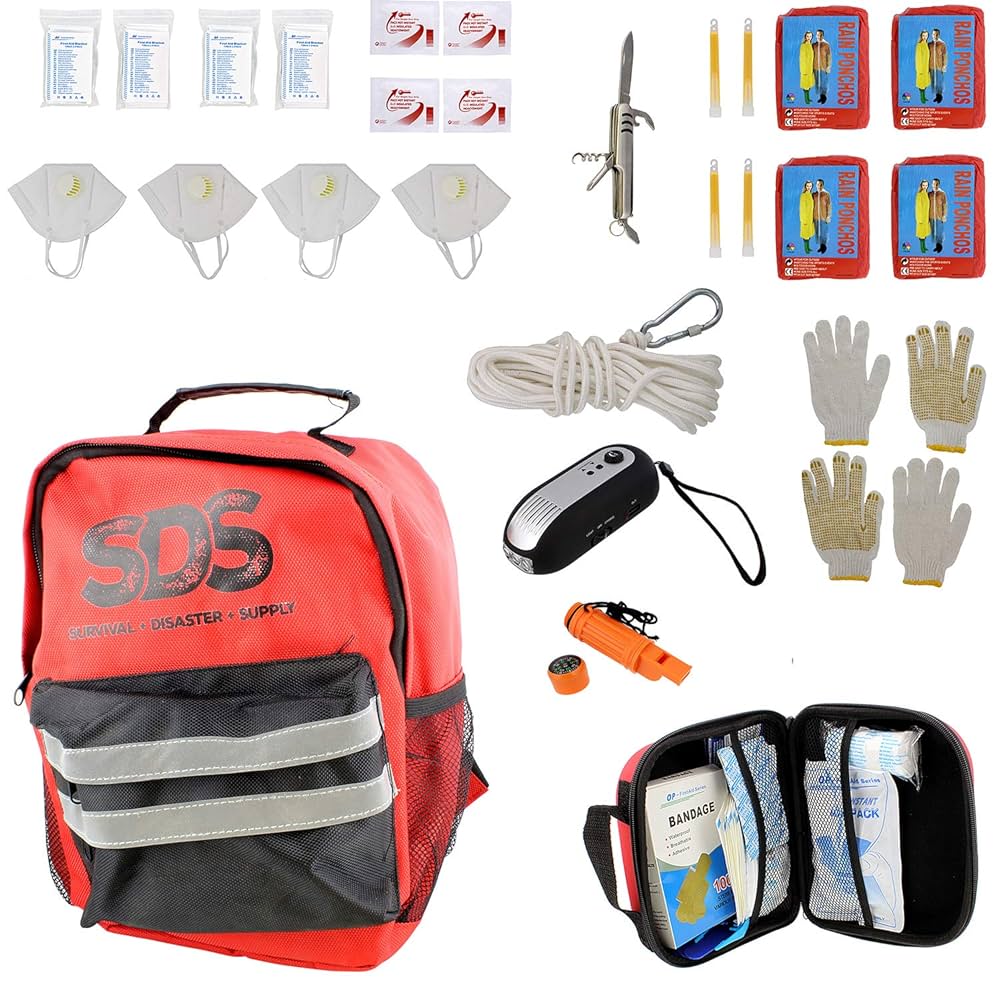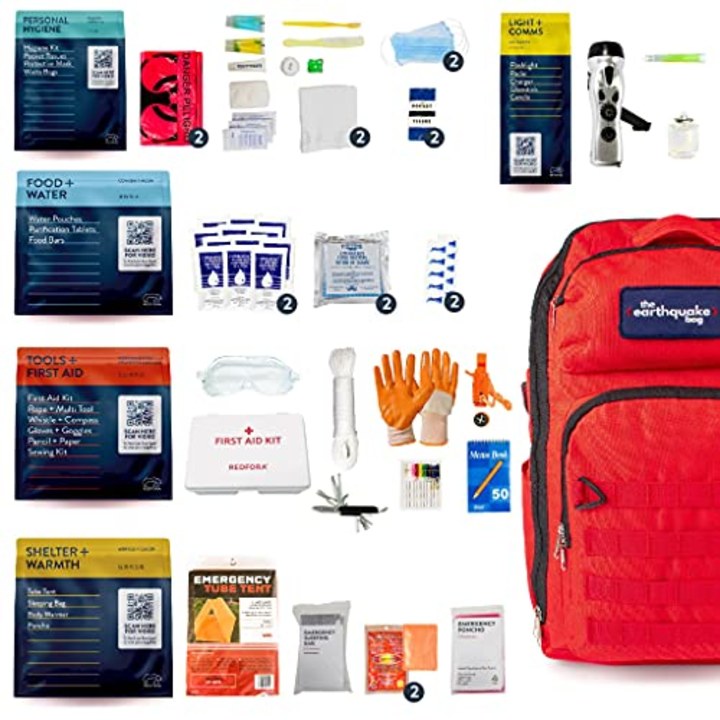
When disaster strikes, will you be ready? Your safety depends on having the right supplies at hand.
A well-packed natural disaster survival kit can make all the difference between staying safe and facing danger unprepared. But what exactly should you include? This guide will help you build a kit tailored to your needs, so you can protect yourself and your loved ones when every second counts.
Keep reading to discover the essential items you can’t afford to miss.
Basic Supplies
Building a natural disaster survival kit starts with gathering the basic supplies that will keep you safe and comfortable. These essentials support your survival until help arrives or conditions improve. Each item you choose should serve a clear purpose and fit your specific needs.
Water And Hydration
Your body needs water more than anything else during a disaster. Aim to have at least one gallon per person per day for drinking and basic hygiene.
- Bottled water or water purification tablets
- Reusable water containers or collapsible water bags
- Water filter or portable purifier for uncertain sources
Have you tested your water purification tools before? Knowing how to use them can make a huge difference when every drop counts.
Non-perishable Food
Food that lasts without refrigeration is critical. Choose items that provide energy and nutrients while being easy to prepare.
- Canned goods like beans, vegetables, and meats
- Energy bars, dried fruits, and nuts
- Freeze-dried meals or instant oatmeal
Consider your dietary needs and preferences. Would you be able to eat these foods comfortably under stress?
First Aid Items
Injuries are common during disasters, so a well-stocked first aid kit is a must-have. It helps you manage wounds and minor health issues immediately.
- Bandages, gauze, and adhesive tape
- Antiseptic wipes and antibiotic ointment
- Pain relievers, tweezers, and scissors
Have you refreshed your first aid kit lately? Expired medications or missing items can leave you unprepared when seconds matter.
Multi-tool Essentials
A good multi-tool saves space and adds versatility to your kit. It combines several tools into one compact device.
- Knife, pliers, and wire cutters
- Screwdrivers and can opener
- Small saw or scissors
Think about the tasks you might face. Do you have the right tools ready to fix, open, or build what you need?
Clothing And Protection
When a natural disaster strikes, the right clothing and protection can make a huge difference in your comfort and safety. Your survival kit should include items that help you stay dry, warm, and shielded from hazards. Think about the specific conditions you might face and prepare accordingly.
Weather-appropriate Clothing
Choose clothes that match the climate where you live. Breathable, moisture-wicking fabrics are great for hot weather because they keep sweat away from your skin. In colder environments, pack layers like thermal shirts, fleece jackets, and waterproof outerwear to keep warm and dry.
Have you ever worn cotton in the rain? It holds moisture and chills your body fast. Instead, opt for synthetic materials or wool that dry quickly and retain heat even when wet. Don’t forget a hat and gloves—they protect extremities which cool down quickly.
Sturdy Footwear
Your feet carry you through tough terrain, so sturdy footwear is essential. Pick waterproof boots with good ankle support and non-slip soles to avoid injuries. Sneakers or sandals won’t protect you from sharp debris or slippery surfaces.
Think about your last hike or walk through rough ground—did your shoes hold up? If not, it’s time to upgrade your survival kit. Always keep an extra pair in case the first one gets wet or damaged.
Protective Gear
Protection goes beyond clothing. Include gloves to shield your hands from cuts and blisters. Safety goggles can protect your eyes from dust, smoke, or flying debris during storms or earthquakes.
A dust mask or bandana can help filter out harmful particles in the air. Would you be comfortable breathing without one in a smoky or dusty environment? This gear is small but powerful in keeping you safe.
Shelter And Comfort
Having proper shelter and comfort items in a natural disaster survival kit is vital. These items protect from harsh weather and help maintain body heat. Comfort reduces stress and supports better rest during tough times. The right gear can make a big difference in survival and well-being.
Emergency Blankets
Emergency blankets are lightweight and compact. They reflect body heat back, keeping you warm. These blankets resist water and wind, offering protection from cold rain and wind chill. Easy to carry, they fit into any survival kit. Use them as a wrap or ground cover.
Tents And Tarps
Tents provide shelter from rain, wind, and sun. Choose a tent that is easy to set up and durable. Tarps are versatile and lightweight. Use tarps to create quick shelters or cover supplies. Both tents and tarps shield you from the elements and offer privacy.
Sleeping Bags
Sleeping bags help keep your body warm during cold nights. Look for bags rated for low temperatures. They are made with insulation to trap heat effectively. Sleeping bags are portable and easy to pack. Rest is crucial for energy and alertness in emergencies.
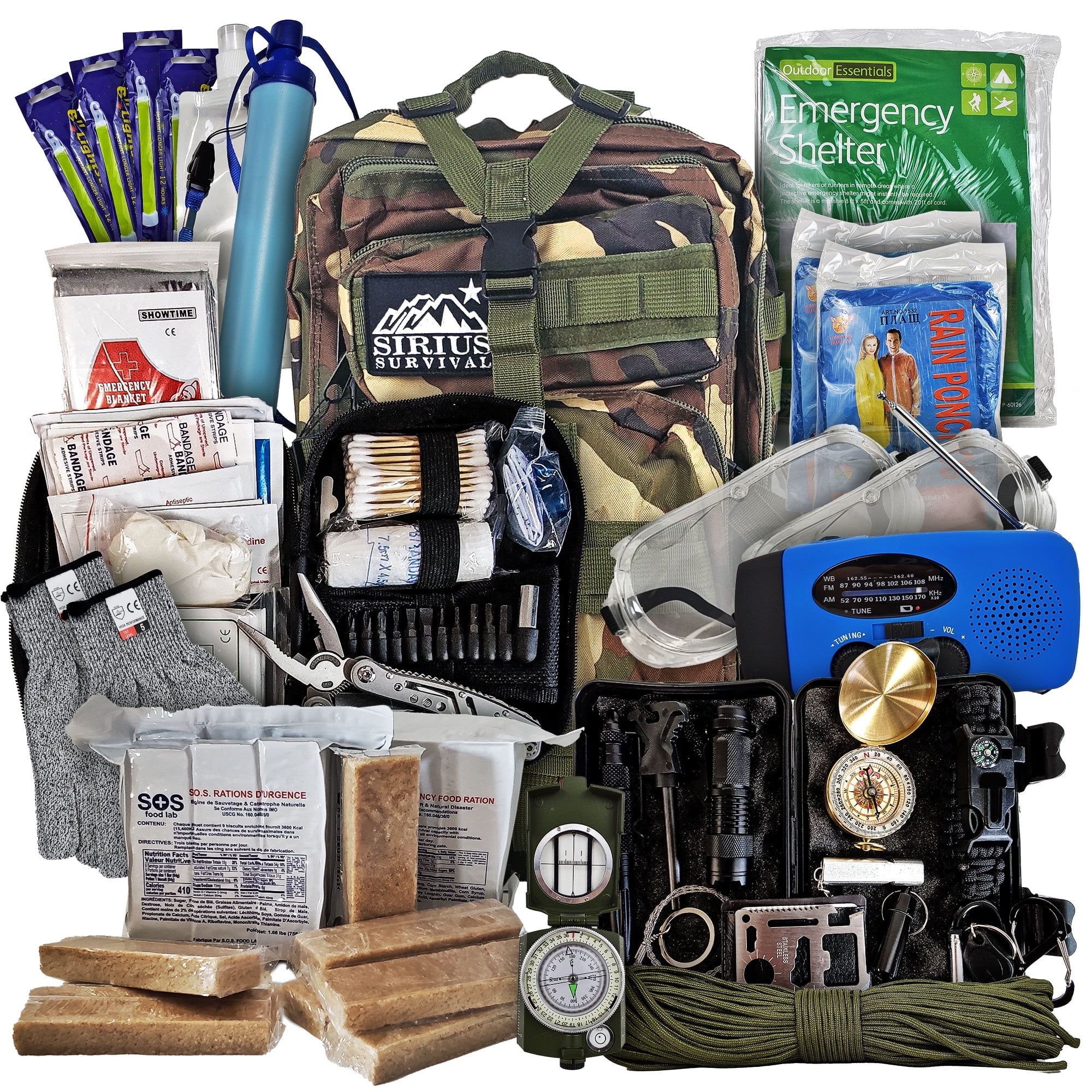
Credit: www.walmart.com
Communication And Navigation
Communication and navigation tools are vital in any natural disaster survival kit. They help you stay informed and find your way if you get lost. Power outages and damaged infrastructure often disrupt regular communication channels. Having reliable devices can make a big difference in staying safe and connected.
Battery-powered Radio
A battery-powered radio keeps you updated on emergency alerts and weather forecasts. It works without electricity, which is crucial during power failures. Choose a model with NOAA weather band and multiple power options, like solar or hand crank. Keep extra batteries handy for longer use.
Flashlights And Batteries
Flashlights provide light during dark hours or power outages. Choose bright, durable flashlights that are easy to use. Pack enough extra batteries to last several days. LED flashlights are energy-efficient and last longer. Avoid relying on candles, as they can be dangerous in emergencies.
Maps And Compass
Paper maps and a compass help you navigate if GPS fails. Store detailed local maps in your kit, covering your area and nearby regions. Learn how to read a compass and use the maps before a disaster strikes. These tools do not need power and work in all weather conditions.
Sanitation And Hygiene
Sanitation and hygiene are crucial in any natural disaster survival kit. Keeping clean helps prevent illness and infection. It also improves comfort during tough times. Prepare supplies that cover personal care, cleaning, and waste management. These items protect health and maintain dignity when resources are limited.
Personal Hygiene Items
- Soap or body wipes for cleaning skin
- Toothbrush and toothpaste for oral care
- Hand sanitizer with at least 60% alcohol
- Feminine hygiene products like pads or tampons
- Small towel or washcloth
- Comb or brush for hair care
- Lip balm to prevent dryness
Sanitation Supplies
- Disinfectant wipes or spray for surfaces
- Bleach for water purification and cleaning
- Disposable gloves to avoid germs
- Face masks to reduce dust and germs
- Antibacterial cream for small wounds
- Paper towels for drying and cleaning
Waste Disposal Tools
- Heavy-duty trash bags for safe waste storage
- Portable toilet or bucket with lid
- Seal-able plastic bags for human waste
- Shovel to bury waste if needed
- Biohazard bags if available for medical waste
- Handheld scoop or tongs for handling waste

Credit: www.amazon.ca
Important Documents And Cash
Important documents and cash are vital in a natural disaster survival kit. They help prove your identity and secure essential services. Keep these items safe and easy to access during emergencies. Without them, recovering after a disaster becomes harder.
Copies Of Identification
Store copies of your ID cards, passports, and driver’s licenses. Use waterproof sleeves or sealed plastic bags. Include health insurance cards and any other official documents. These copies help prove who you are if originals get lost.
Emergency Contact Info
Write down phone numbers and addresses of family and friends. Add local emergency services and your doctor’s contacts. Keep this list in your kit and share it with family members. It helps you reach help fast and stay connected.
Cash And Coins
Keep small bills and coins in your kit. ATMs and credit card machines might not work after a disaster. Cash allows you to buy food, water, and supplies quickly. Secure your money in a waterproof container for safety.
Specialized Items
Specialized items in your natural disaster survival kit can make a crucial difference when basic supplies aren’t enough. These items address unique needs that often get overlooked but are essential for maintaining health and safety during an emergency. Think about what you and your family specifically need beyond the usual food and water.
Medications And Prescriptions
Keep a supply of all necessary medications, including prescription drugs, in your kit. Include a copy of your prescriptions and dosages in case you need to get refills or prove your medical needs. Don’t forget over-the-counter essentials like pain relievers, allergy medicine, and antacids.
Imagine being stuck without your daily medication after a disaster strikes. That gap can be dangerous or even life-threatening. Make sure these items are stored in waterproof containers and check expiration dates regularly.
Tools For Infants And Pets
Infants and pets require special attention in emergencies. Include baby formula, diapers, wipes, and a manual can opener for easy feeding. For pets, pack extra food, water, leashes, and any medication they might need.
Think about how stressful a disaster could be for your little ones and furry friends. Having their essentials ready will ease anxiety and keep them safe. What small items can you add that would comfort your child or pet in a crisis?
Extra Batteries And Chargers
Power outages are common during natural disasters, making batteries and chargers vital. Stock up on extra batteries for flashlights, radios, and other battery-operated devices. Include portable chargers or power banks for cell phones and other electronics.
Have you ever been caught with a dead phone when you needed it most? Keeping your devices charged can mean the difference between staying connected or being isolated. Consider solar chargers too, so you’re not reliant on electricity.
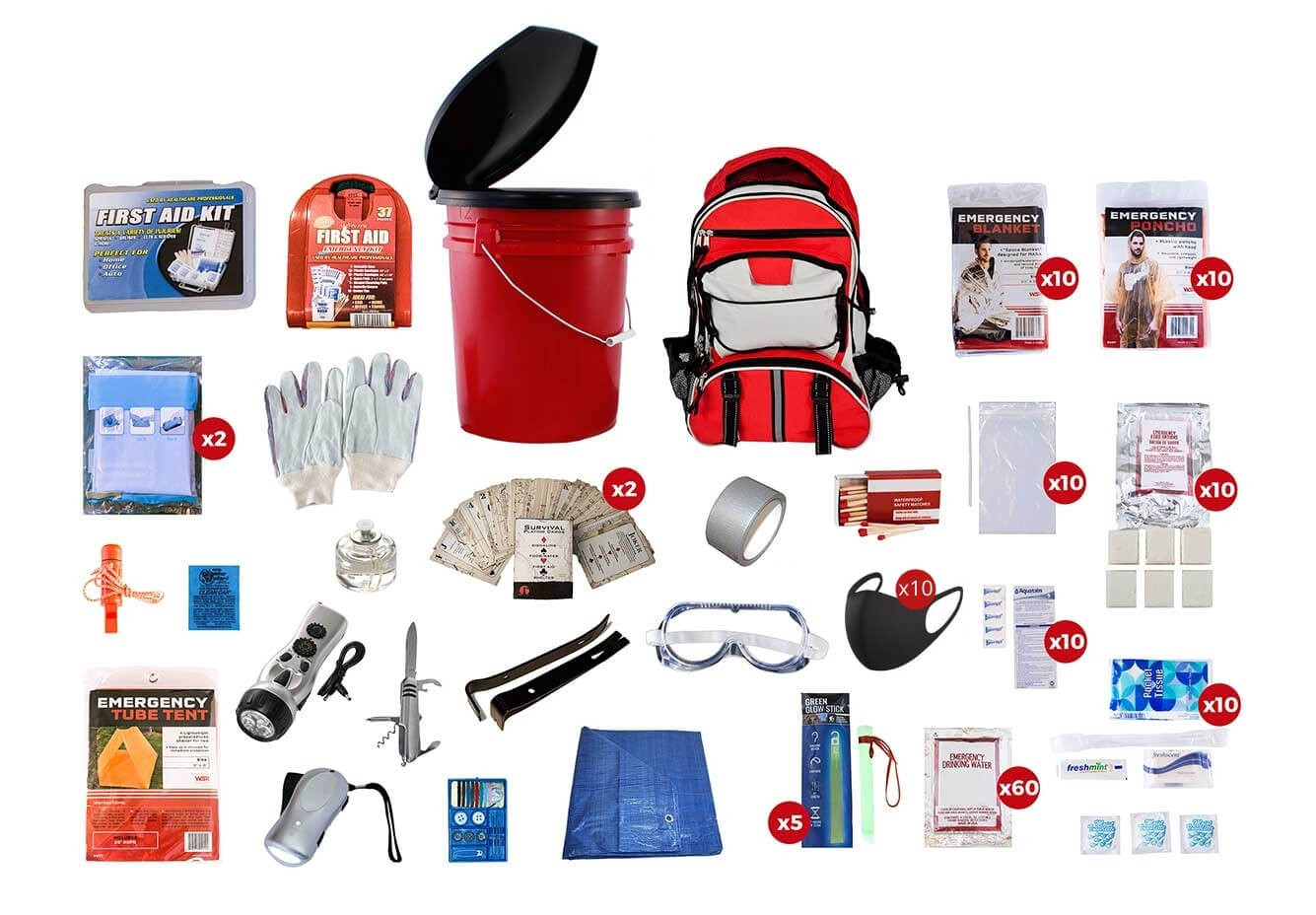
Credit: khmel.travel
Frequently Asked Questions
What Is Essential In A Survival Kit?
A survival kit should include water, non-perishable food, flashlight, batteries, first aid supplies, and a whistle. These items help ensure basic needs are met during emergencies. It’s also wise to include personal documents, a multi-tool, and warm clothing. Having these essentials can greatly improve your chances of staying safe.
How Much Water Should Be In A Kit?
Include at least one gallon of water per person per day. This amount covers both drinking and sanitation needs. It’s recommended to have a three-day supply for evacuations and a two-week supply for home use. Properly sealed containers can help in storing water safely.
Why Include A Whistle In A Survival Kit?
A whistle is a crucial signaling device during emergencies. It can alert rescuers to your location when you’re trapped or need help. Unlike shouting, a whistle requires less energy and can be heard over longer distances. It’s a lightweight and effective tool for communication.
How Can I Store Food In A Survival Kit?
Use non-perishable food items like canned goods, energy bars, and dried fruits. These foods have a long shelf life and are easy to store. Ensure they are properly sealed to prevent spoilage. Rotate them regularly to maintain freshness. Pack foods that don’t require cooking or refrigeration.
Conclusion
A natural disaster survival kit keeps you ready and safe. Pack water, food, and first aid supplies carefully. Don’t forget tools like a flashlight and batteries. Keep important documents and cash in the kit. Regularly check and update the items inside.
A well-prepared kit helps you stay calm and confident. Safety starts with being ready before disaster strikes. Stay smart, stay safe.