Imagine the ground shaking beneath you. The lights flicker and go out.
In those critical moments, what do you need close by to keep you and your loved ones safe? Having the right earthquake survival kit can make all the difference between panic and control. You might think you’re prepared, but do you really have everything essential?
Let’s dive into what you truly need in your earthquake survival kit to face the unexpected with confidence. Keep reading—your safety depends on it.
Basic Supplies
Basic supplies form the foundation of any earthquake survival kit. These items help you meet essential needs during and after a quake. Without them, staying safe and healthy becomes very difficult. Prioritize water, food, and first aid to cover your most critical needs.
Water And Hydration
Water is the most important survival supply. Each person needs at least one gallon of water per day. Store enough for three days or more. Choose bottled water or clean water stored in sealed containers. Include water purification tablets or a portable filter. Staying hydrated prevents dehydration and supports overall health.
Non-perishable Food
Food supplies should last without refrigeration. Pick non-perishable items like canned goods, dried fruits, and nuts. Energy bars and ready-to-eat meals are good choices. Check expiration dates and replace items regularly. Include a manual can opener for canned food. Eating enough food keeps energy levels stable.
First Aid Items
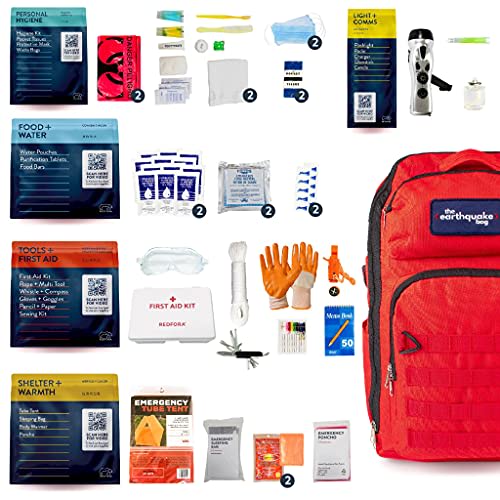
A well-stocked first aid kit is vital. Include bandages, antiseptic wipes, and adhesive tape. Add pain relievers, scissors, and tweezers. Pack any personal medications and allergy treatments. Basic first aid helps treat injuries and prevent infections. Keep the kit easy to reach and check supplies often.
Tools And Equipment
Tools and equipment are essential in an earthquake survival kit. They help you manage emergencies and stay safe. Choosing the right tools ensures you can handle various situations quickly. These tools must be reliable, compact, and easy to use. Here are some key tools and equipment to include.
Multi-tool And Knife
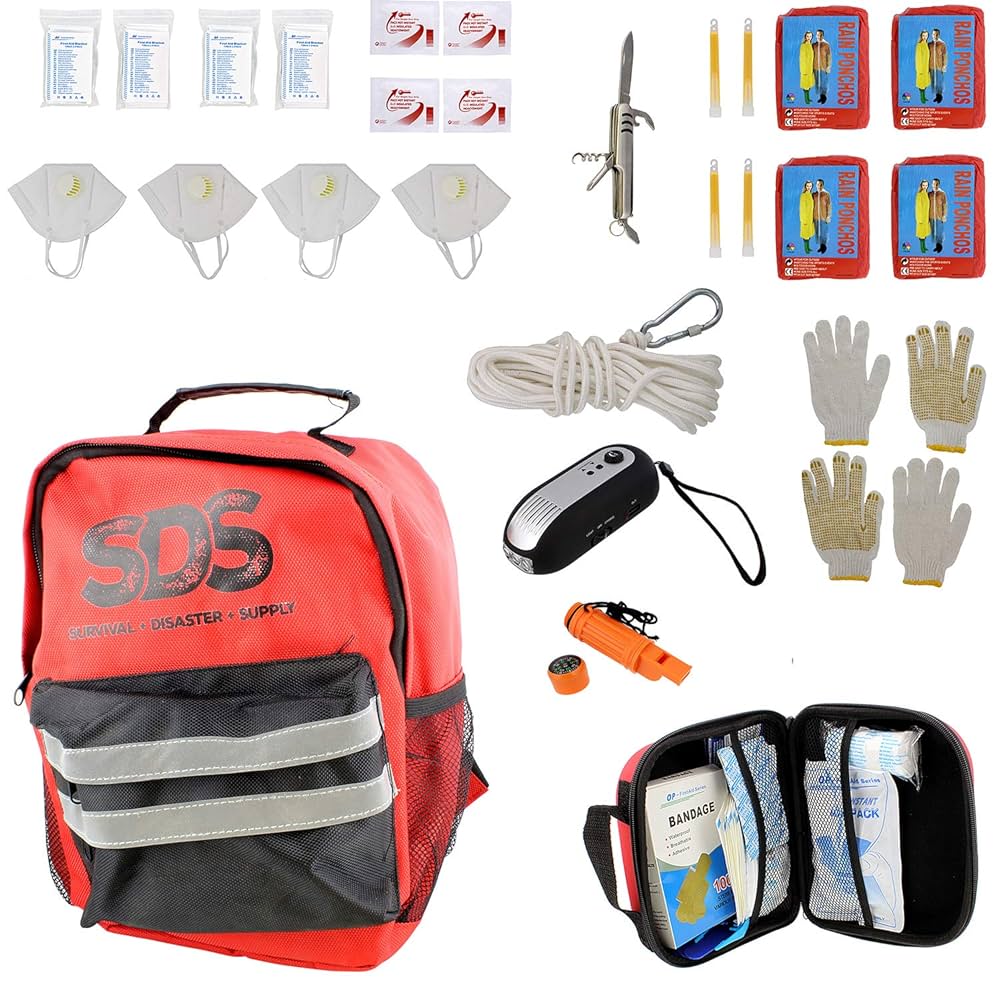
A multi-tool combines many tools in one device. It usually includes pliers, screwdrivers, and scissors. A sharp knife is crucial for cutting ropes, opening packages, and other tasks. These tools save space and weight in your kit. Pick a sturdy and well-made multi-tool for durability.
Flashlights And Batteries
Flashlights provide light during power outages or in dark spaces. Choose LED flashlights for longer battery life. Always pack extra batteries to keep them working. Consider a hand-crank or solar-powered flashlight to avoid battery shortages. Light helps you move safely and signals for help.
Portable Radio
A portable radio keeps you updated on emergency news. It works without electricity and can receive weather alerts. Pick a radio with a hand-crank or solar power option. Some radios include a flashlight and phone charger. This tool helps you stay connected and informed during an earthquake.
Personal Safety Gear
Personal safety gear is essential in an earthquake survival kit because it protects you from injuries caused by falling debris, dust, and rough terrain. You need equipment that shields your body while allowing you to move quickly and safely. Think about what you would wear if you had to navigate through a damaged building or rough outdoor area.
Protective Clothing
Durable, long-sleeved shirts and pants help protect your skin from cuts and scrapes. Choose materials that resist tearing and are breathable to keep you comfortable during stressful situations. Adding a hard hat or helmet can be a lifesaver when debris is falling around you.
Would you want to rely on flimsy clothes if you had to crawl under rubble or walk through sharp objects? Investing in sturdy protective clothing is a smart move that could prevent serious injuries.
Gloves And Masks
Strong gloves protect your hands from sharp edges and broken glass while helping you grip objects securely. Look for gloves with reinforced palms and fingers for extra durability.
Dust masks or respirators are crucial for filtering out harmful particles like dust, mold, and other airborne contaminants that appear after an earthquake. Without one, breathing can become difficult, especially in enclosed or dusty areas.
Have you ever tried clearing debris only to find your hands badly cut or your lungs irritated? Gloves and masks should always be ready in your kit to keep you safe and healthy.
Sturdy Footwear
Strong, closed-toe shoes or boots provide protection against nails, broken glass, and uneven surfaces. Avoid sandals or sneakers that offer little defense in hazardous conditions.
Make sure your footwear has good traction to prevent slips and falls, especially when moving through rubble or wet environments.
When was the last time you considered how much your shoes could impact your safety in an emergency? The right footwear can make the difference between a minor stumble and a serious injury.

Credit: moreprepared.com
Shelter And Warmth
Surviving an earthquake means staying safe and warm. Shelter and warmth protect you from harsh weather and cold nights. Having the right items in your survival kit can make a big difference. These essentials help keep your body temperature stable and give you a secure place to rest.
Emergency Blankets
Emergency blankets are lightweight and compact. They reflect body heat and prevent heat loss. These blankets protect you from wind and rain. Carry at least one per person in your kit. They take little space but offer great warmth.
Tents And Tarps
Tents provide a safe and dry place to sleep. Choose tents that are easy to set up and durable. Tarps are versatile and can be used as shelter covers or ground protection. Both protect you from rain, wind, and cold ground. Pack stakes and ropes for quick setup.
Fire Starters
Fire starters help you build fire quickly. Fire gives warmth, light, and a way to cook food. Include waterproof matches, lighters, or magnesium fire starters. Store them in a sealed container to keep dry. Know how to use fire safely before the emergency.
Communication And Navigation
Communication and navigation tools are essential in an earthquake survival kit. They help you signal for help and find your way if you get lost or trapped. Without power or cell signal, simple tools can save lives.
Whistles And Signal Mirrors
Whistles make loud sounds that carry far. They use less energy than shouting and can alert rescuers to your location. Signal mirrors reflect sunlight to catch attention. Both are lightweight and easy to carry. Always keep them accessible in your survival kit.
Maps And Compass
Digital devices may fail after an earthquake. Paper maps show local roads, landmarks, and safe routes. A compass helps you keep your direction. Learn basic map reading and compass use before an emergency. These tools guide you through unfamiliar or damaged areas.
Chargers And Power Banks
Phones and GPS devices need power. Carry chargers and power banks to keep them running. Choose power banks with enough capacity for multiple charges. Solar chargers are useful when electricity is unavailable. Keep cables organized and protected from damage.
Personal Documents And Cash
Personal documents and cash are vital in an earthquake survival kit. These items help prove your identity and access services during emergencies. Secure copies of important papers. Keep some cash handy for situations where electronic payments fail.
Identification Papers
Carry copies of your ID cards, passports, and driver’s licenses. These prove who you are in shelters or aid centers. Store them in a waterproof pouch. Keep both physical and digital copies on a secure device or cloud.
Medical Records
Include copies of prescriptions, vaccination records, and allergy information. This helps medical staff provide proper care quickly. Update these documents regularly. Store them with your other important papers to keep them safe and accessible.
Emergency Cash
Keep small bills in your kit. Cash is useful when ATMs and cards don’t work. Carry different denominations for flexibility. Store money in a waterproof, secure container to prevent damage and loss.
Specialized Items
Specialized items in your earthquake survival kit can make a crucial difference when basic supplies aren’t enough. These items address unique needs that often get overlooked but are essential for comfort, health, and well-being during an emergency. Think about what specific challenges you might face and tailor your kit to handle them effectively.
Medications And Prescriptions
Never underestimate the importance of having your necessary medications on hand. If you rely on prescriptions, pack at least a week’s supply, including any over-the-counter essentials like pain relievers or allergy medicine.
Store medications in waterproof containers to keep them safe from moisture or damage. Do you have a plan to update your kit regularly as prescriptions change or expire? Keeping an updated list of your medications and dosages can also help medical responders if needed.
Baby And Pet Supplies
If you have a baby or pets, your survival kit needs to include their specific supplies. For babies, pack formula, diapers, wipes, and a few toys to keep them calm during stressful times.
Pets need food, water, leashes, and any medications they require. Including familiar items like a favorite blanket or toy can ease their anxiety. Have you thought about how you’ll carry these items if you need to evacuate quickly?
Comfort And Entertainment
Survival isn’t just about staying alive—it’s about keeping your morale up. Include small comfort items like a flashlight with extra batteries, a book, or playing cards to pass the time.
Even simple things can make a big difference when you’re stuck in a confined space. What can you add that will help you stay calm and focused during the uncertainty of an earthquake?

Credit: www.amazon.ca
Credit: www.nbcnews.com
Frequently Asked Questions
What Essentials Are Needed In An Earthquake Kit?
An earthquake kit should include water, non-perishable food, and a flashlight. Add a first aid kit, batteries, and a multi-tool. Include personal items like medications, important documents, and cash. Sturdy shoes and warm clothing are also essential. Customize your kit based on your family’s needs and pets.
How Much Water Should Be In An Earthquake Kit?
Include at least one gallon of water per person per day. Plan for a minimum of three days. This ensures adequate hydration and sanitation needs during an emergency. Consider individual needs, climate, and activity level when determining the exact amount.
Store water in sealed, durable containers.
Why Is A First Aid Kit Important?
A first aid kit is crucial for treating minor injuries during an earthquake. It helps prevent infections and provides immediate care. Stock it with bandages, antiseptics, pain relievers, and any personal medical supplies. Being prepared can help reduce panic and improve safety until professional help arrives.
What Food Should Be In An Earthquake Kit?
Include non-perishable food items like canned goods, energy bars, and dried fruits. Choose foods that require little preparation and have a long shelf life. Ensure you have a manual can opener. Consider dietary restrictions and preferences of each family member when selecting food for your kit.
Conclusion
An earthquake survival kit saves lives and reduces risks. Include water, food, first aid, and tools. Keep important documents and a flashlight ready. Check your kit often to replace expired items. Prepare now to protect yourself and your family. Safety starts with simple steps and smart planning.
Stay calm, stay ready, and stay safe.