Imagine being stranded on the side of the road with no help in sight. What would you do?
Having a well-stocked roadside emergency survival kit can turn a scary situation into a manageable one. You never know when you might need it, but when that moment comes, you’ll be glad you prepared. This guide will show you exactly what to put in your kit so you can stay safe, calm, and ready for anything.
Keep reading—your peace of mind depends on it.

Credit: www.youtube.com
Basic Supplies
Your roadside emergency survival kit starts with the basics. These are the items that can make a big difference when you’re stuck far from help. Think about what you’d need if you had to wait hours for assistance or manage a minor injury on your own.
First Aid Kit
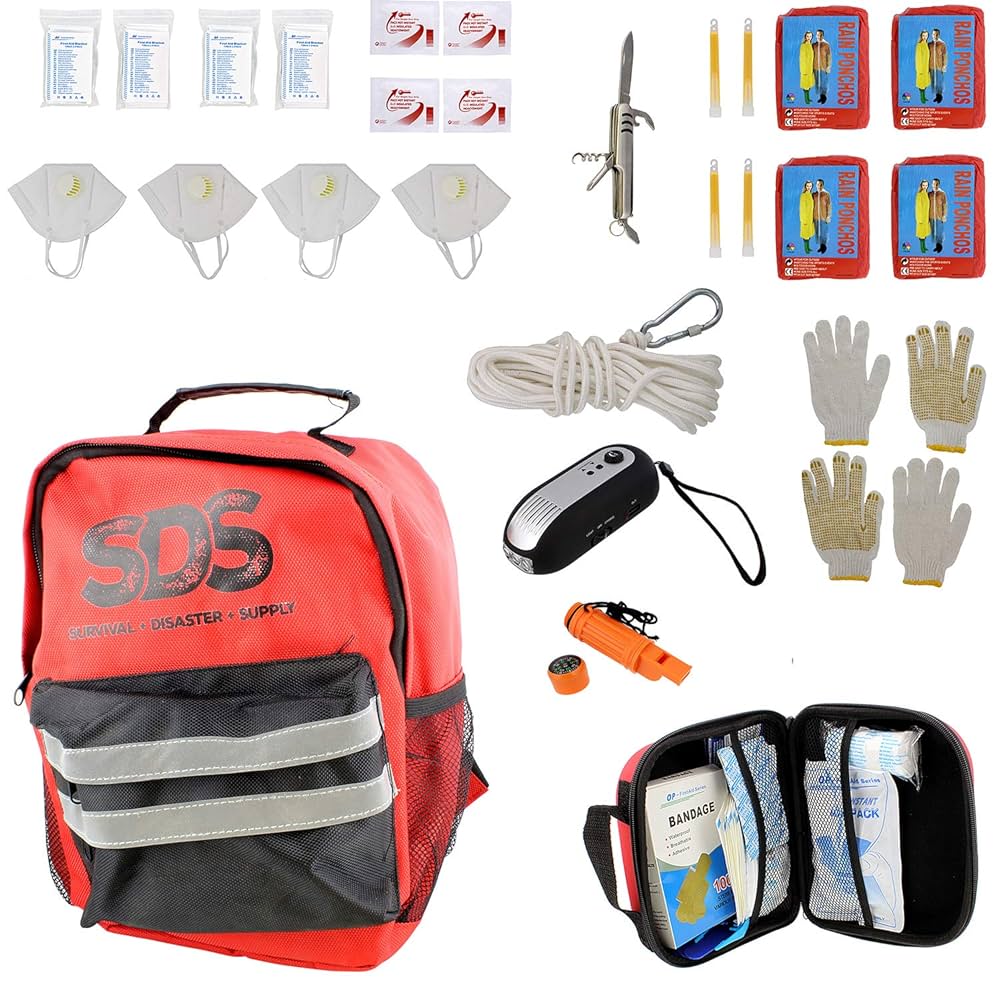
A well-stocked first aid kit is a must-have. It should include bandages, antiseptic wipes, adhesive tape, pain relievers, and any personal medications. Having these supplies ready can help you handle cuts, scrapes, or headaches without scrambling for a pharmacy.
Remember to check expiration dates regularly and replace used or outdated items. You never know when a small wound could turn serious if left untreated.
Water And Non-perishable Food
Water is critical. Aim to keep at least one gallon per person for emergencies. Dehydration can set in quickly, especially if you’re stranded in hot weather or after physical exertion.
Non-perishable food like energy bars, nuts, or dried fruit can keep your energy up. Choose items that don’t melt or spoil easily. Have you ever been stuck and realized you had no snacks? This small oversight can turn an uncomfortable wait into a tough experience.
Flashlight And Extra Batteries
A flashlight is more than just a light source; it’s a way to signal for help or safely navigate in the dark. Pack a reliable flashlight and always carry extra batteries. LED flashlights last longer and are more energy-efficient.
Test your flashlight before trips to make sure it works. An unexpected power failure at night can leave you vulnerable and stressed if you’re left in the dark without a light.
Multi-tool And Pocket Knife
Versatility matters. A multi-tool or pocket knife can handle countless tasks—from cutting seat belts to opening cans. These tools are compact but powerful additions to your kit.
Think about the last time you needed a screwdriver or scissors and didn’t have one handy. A multi-tool solves that problem instantly. Keep it sharp, clean, and within reach in your emergency kit.

Credit: 72hours.ca
Vehicle Essentials
Every car should have a set of basic tools ready for emergencies. These vehicle essentials help you handle common roadside problems safely and quickly. Carrying the right items can save time and reduce stress during unexpected breakdowns.
Jumper Cables
Dead batteries happen to all drivers. Jumper cables connect your car battery to another vehicle’s battery. This jump-starts your engine without waiting for help. Choose cables with thick insulation and strong clamps for safety and durability.
Tire Repair Kit And Inflator
Flat tires often occur far from repair shops. A tire repair kit helps fix small holes or punctures on the spot. Most kits include plugs and sealant. A portable inflator pumps air back into your tire quickly. Together, they keep you moving without changing the tire on the roadside.
Tow Rope
A tow rope can pull your car out of trouble. It helps if your vehicle gets stuck in mud or snow. Use a strong, flexible rope with proper hooks. This item is lightweight and easy to store in your trunk. Always check the rope’s weight limit matches your car.
Reflective Warning Triangles
Safety first on busy roads. Reflective warning triangles alert other drivers to your stopped vehicle. Place them at a safe distance behind your car. Their bright, reflective surfaces increase visibility in low light or bad weather. Every roadside kit needs these triangles for protection.
Safety And Protection
Safety and protection are key in any roadside emergency kit. They keep you visible, warm, and safe. These items help you stay protected from weather and alert others to your presence. Always include these essentials for better security on the road.
High-visibility Vest
A high-visibility vest makes you easy to see. It has bright colors and reflective strips. Wear it if you step out of your car. It warns other drivers and reduces accident risks. Keep it folded in your kit for quick use.
Emergency Blanket
An emergency blanket keeps you warm in cold weather. It is lightweight and takes little space. The blanket reflects your body heat back to you. Use it if you get stranded or feel cold. It can prevent hypothermia and help you stay calm.
Gloves And Rain Poncho
Gloves protect your hands from cold and sharp objects. Rain ponchos keep your body dry during rain. Both items improve comfort and safety outdoors. Put them in your kit to handle wet and cold conditions. They let you work safely outside your vehicle.
Whistle And Signal Mirror
A whistle helps you call for help without shouting. It can be heard from far away. A signal mirror reflects sunlight to catch attention. Use it to signal rescuers or passing cars. Both tools increase your chances of being found quickly.
Communication And Navigation
Staying connected and knowing your location are vital during roadside emergencies. Communication tools help you call for help or update others. Navigation aids keep you on track and prevent getting lost. These items ensure safety and peace of mind in unexpected situations.
Charged Power Bank
A charged power bank keeps your phone alive when the car battery dies. It lets you make emergency calls and use GPS apps without worry. Choose a compact, high-capacity power bank for multiple charges. Store it fully charged and check it regularly.
Paper Maps
Paper maps don’t need batteries or signals. They help find routes when GPS fails or phones lose service. Keep maps for your local area and wider regions you might travel. Mark important roads and landmarks for quick reference.
Notepad And Pen
Writing down information helps in chaos. Use a notepad and pen to record phone numbers, directions, or important messages. It’s useful if your phone runs out of battery or signal. Keep these tools handy and protected from weather.
Additional Comfort Items
Adding comfort items to your roadside emergency survival kit can make a huge difference during stressful situations. These extras are not just about convenience—they help you stay calm, protected, and ready to handle unexpected delays. Think about what would make you feel safer and more comfortable if you were stuck on the side of the road for hours.
Extra Clothing
Having an extra set of clothes is more than just a backup plan. Imagine being caught in rain or sudden cold—wet or damp clothes can quickly sap your energy and morale. Pack a lightweight jacket, socks, and a hat to keep warm and dry.
Choose layers that can be easily added or removed. This way, you can adjust to changing weather without hassle. Don’t forget sturdy shoes or boots if you need to walk or change a tire.
Sunscreen And Insect Repellent
Waiting by the roadside often means exposure to the sun or bugs. Sunscreen protects your skin from harmful UV rays that can cause painful burns, even on cloudy days. Apply it early to avoid discomfort and long-term damage.
Insect repellent is just as crucial, especially if you’re in wooded or rural areas. Mosquito bites can be more than annoying—they can lead to infections or allergic reactions. Keep small bottles of both in your kit for easy access.
Hand Warmers
Hand warmers are small but powerful tools to fight off cold, especially in winter emergencies. They provide immediate warmth and help maintain circulation when you’re stuck outside for long periods. I once used a pair during a freezing night waiting for a tow, and they made a huge difference in keeping my hands functional.
Choose reusable or disposable types that fit your needs and pack them where you can reach quickly. Remember, cold hands can slow your reaction time and make simple tasks harder.

Credit: www.amazon.com
Frequently Asked Questions
What Items Are Essential In A Roadside Kit?
Essential items include a first-aid kit, jumper cables, flashlight, batteries, and a tire repair kit. Also, include a reflective triangle, bottled water, and a multi-tool. These items help ensure safety and preparedness during unexpected roadside emergencies.
How Often Should I Check My Emergency Kit?
Check your emergency kit every six months to ensure items are not expired. Verify that all equipment is in working order. Replace any used or expired items promptly to maintain readiness for any roadside situation.
Why Is A First-aid Kit Important?
A first-aid kit is crucial for treating minor injuries quickly and effectively. It helps prevent infections and reduces pain. Having one in your vehicle can be lifesaving during emergencies, ensuring immediate care until professional help arrives.
Should I Include Food In My Roadside Kit?
Yes, include non-perishable food items like energy bars in your kit. These provide essential nutrients and energy during long waits for assistance. Ensure the food has a long shelf life and check expiration dates regularly.
Conclusion
A roadside emergency kit keeps you safe during unexpected events. Pack basic tools, first aid supplies, and warm clothing. Include items like a flashlight, water, and snacks. Check your kit often and replace expired items. Being prepared helps you handle car troubles with confidence.
Stay calm, act quickly, and use your kit wisely. Safety on the road starts with good preparation. Keep your kit ready before every trip. It can make a big difference in an emergency.