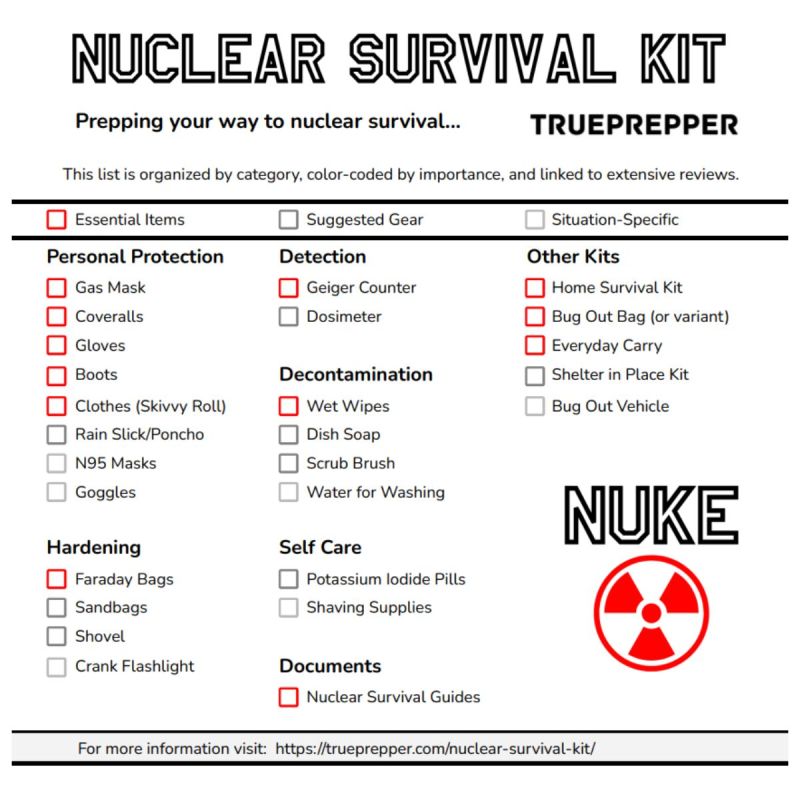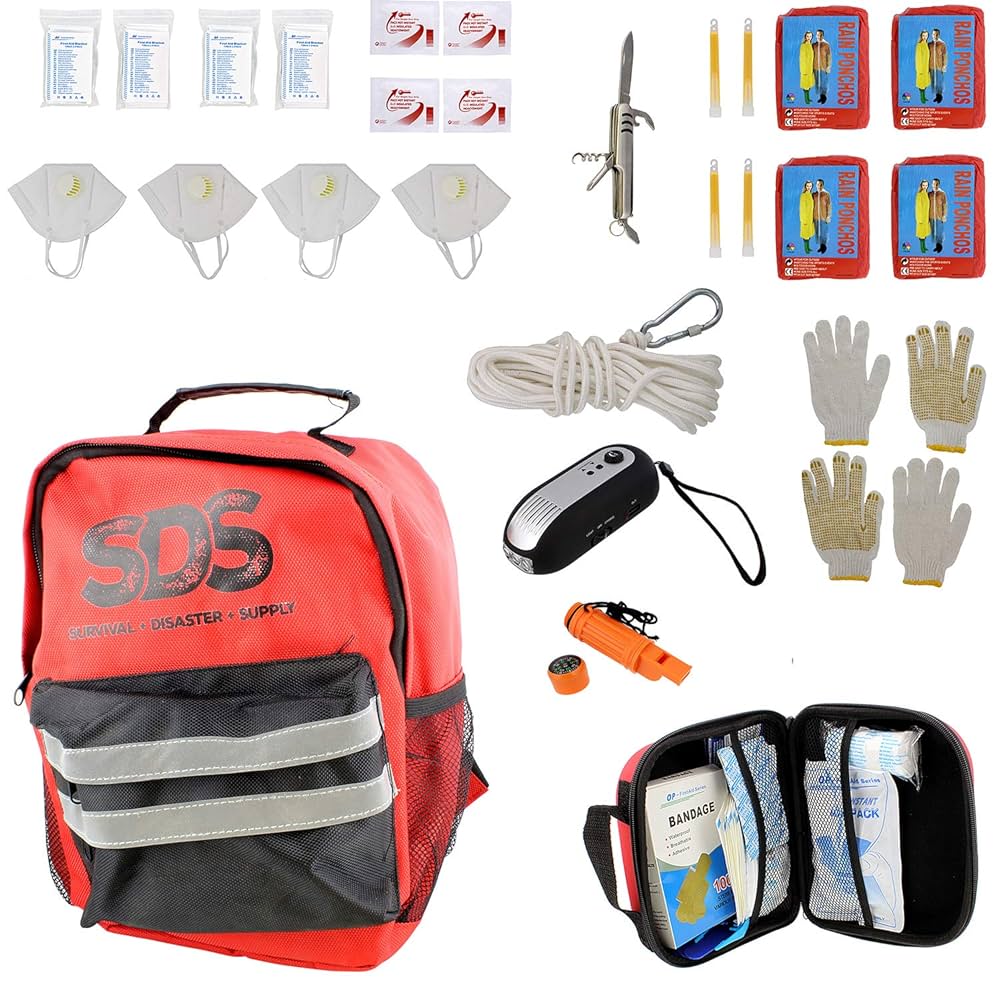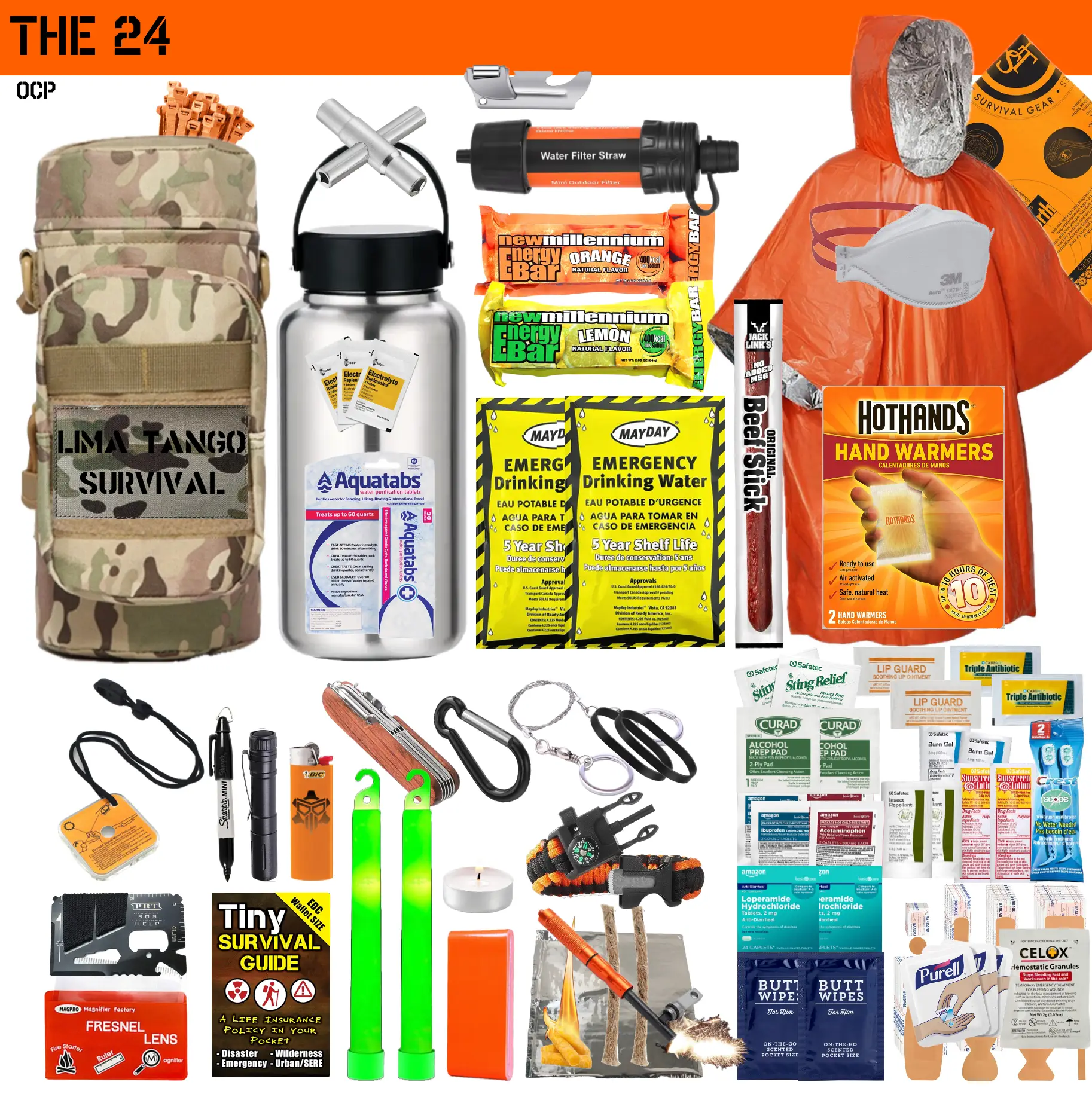
Imagine finding yourself in a tricky situation far from home—maybe your luggage is lost, or you’re caught in unexpected weather. Having a travel survival kit can turn stress into confidence.
But what exactly should you pack to make sure you’re ready for anything? You’ll discover the essential items that will keep you safe, comfortable, and prepared no matter where your travels take you. Keep reading, because your next trip deserves a survival kit that works as hard as you do.
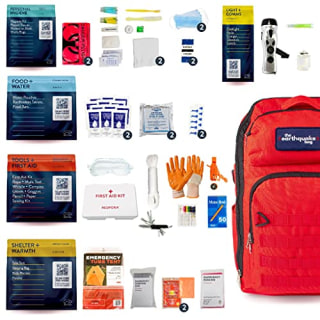
Credit: www.nbcnews.com
Basic First Aid Supplies
Basic first aid supplies are essential in every travel survival kit. They help treat minor injuries and prevent infections. Carrying these items ensures you can handle common health issues during your trip.
Choose compact and easy-to-use products. Focus on items that cover cuts, scrapes, and minor pain. Keep everything organized for quick access.
Bandages And Dressings
- Adhesive bandages of different sizes
- Sterile gauze pads for larger wounds
- Elastic bandages for sprains or strains
- Medical tape to secure dressings
- Butterfly closures for small cuts
These supplies protect wounds from dirt and bacteria. They also help stop bleeding and support healing.
Antiseptics And Ointments
- Antiseptic wipes or solution for cleaning wounds
- Antibiotic ointment to prevent infection
- Aloe vera gel for soothing burns
- Hydrocortisone cream for insect bites or rashes
Cleaning wounds reduces infection risk. Ointments speed up recovery and ease discomfort.
Pain Relievers And Medications
- Over-the-counter painkillers like ibuprofen or acetaminophen
- Antihistamines for allergic reactions
- Anti-diarrheal medication
- Motion sickness tablets
- Any personal prescription medicines
These medicines help manage pain and common travel illnesses. Always check expiration dates and store properly.
Navigation Tools
Navigation tools are essential for every travel survival kit. They help you find your way and stay safe in unfamiliar places. Having the right tools can prevent you from getting lost. They also assist in planning routes and locating important landmarks.
Maps And Compass
Paper maps show detailed views of the area. They work without batteries or signals. A compass helps you find direction easily. Together, they are reliable tools for outdoor navigation. Learning how to read them is useful for any traveler.
Gps Devices
GPS devices use satellites to provide exact locations. They are easy to use and show your position on a screen. Many devices include route planning and emergency features. Make sure to carry extra batteries or a power bank.
Emergency Whistle
An emergency whistle helps you signal for help. It makes loud sounds that can be heard far away. It does not use batteries and is small to carry. Keep it handy in case you need to alert others quickly.
Food And Hydration
Food and hydration are vital in any travel survival kit. Staying nourished and hydrated keeps energy levels steady. It helps maintain focus and physical strength during adventures. Choose items that last long and are easy to carry. Focus on lightweight, space-saving options to avoid bulk. Always prepare for unexpected delays or emergencies.
Non-perishable Snacks
Non-perishable snacks provide quick energy without refrigeration. Choose foods that resist spoilage and are rich in nutrients.
- Nuts and seeds – high in protein and healthy fats
- Granola bars – compact and easy to eat
- Dried fruits – natural sugars for instant energy
- Jerky – a good source of protein
- Crackers – offer carbohydrates for fuel
Pick snacks that suit your taste and dietary needs. Avoid snacks that crumble easily or create mess.
Water Purification Methods
Clean water is crucial for hydration and health. Carry simple tools to purify water from natural sources. These tools ensure safe drinking water anywhere.
- Water purification tablets – lightweight and effective
- Portable water filters – remove bacteria and dirt
- UV water purifiers – use light to kill germs
- Boiling – a reliable method if you have a stove
Always test your purification method before travel. Know how to use each tool properly.
Collapsible Water Bottles
Collapsible water bottles save space when empty. They are lightweight and easy to pack. Fill them up as needed during your journey.
- Made from flexible materials like silicone
- Fold or roll up to fit in small spaces
- Durable and reusable to reduce waste
- Many come with a carabiner for easy carrying
Choose bottles with secure caps to avoid leaks. Keep water handy to stay hydrated all day.

Credit: www.amazon.ca
Shelter And Warmth
Shelter and warmth are the foundation of any effective travel survival kit. Without proper protection from the elements, your body can lose heat quickly, leading to dangerous situations like hypothermia. Packing smart, lightweight items that provide immediate warmth and shelter can make a huge difference when unexpected weather hits or you find yourself off the beaten path.
Emergency Blankets
Emergency blankets are small, lightweight, and extremely effective at retaining body heat. Made from reflective materials, they reflect up to 90% of your body heat back to you. You can easily slip one into your backpack without adding bulk.
These blankets don’t just keep you warm—they can also protect you from wind and rain. Think about a time when sudden cold caught you off guard; having one of these could have been a game changer. Always test how to wrap yourself quickly in one to maximize warmth.
Compact Tents Or Tarps
Compact tents and tarps offer versatile shelter options that shield you from rain, wind, and insects. A lightweight tarp can be rigged in multiple ways to fit your environment, while a small tent provides a more secure and insulated space.
When choosing between a tent and a tarp, consider your travel style and the climate. If you expect heavy rain, a tent with a rainfly might be better. For quick stops or dry conditions, a tarp can save weight and space.
Fire Starting Tools
Fire is one of the best ways to stay warm and dry, but starting one without the right tools can be frustrating. Include waterproof matches, a windproof lighter, or a ferrocerium rod in your kit to ensure you can ignite a fire anytime.
Fire not only warms you but also boosts morale and helps signal for help. Have you ever tried striking a match in the wind or rain? Carrying reliable fire starters prepares you for those tough moments when every spark counts.
Clothing And Protection
Clothing and protection are crucial parts of any travel survival kit. They keep you safe and comfortable during your adventures. The right items protect against weather, insects, and sun exposure. Packing smart clothes and gear helps you handle unexpected conditions with ease.
Weather-appropriate Gear
Choose clothes that fit the climate of your destination. Lightweight, breathable fabrics work well in hot weather. For cold places, pack layers like thermal shirts and jackets. Waterproof items such as raincoats or ponchos prevent discomfort during rain. Compact and quick-dry materials save space and dry fast.
Insect Repellent
Insect bites can cause irritation and illness. Carry a reliable insect repellent spray or lotion. Look for products containing DEET or natural alternatives like citronella. Mosquito nets and insect-proof clothing add extra protection. Apply repellent regularly, especially near water or wooded areas.
Sun Protection
Strong sun can cause burns and heatstroke. Sunscreen with at least SPF 30 shields your skin effectively. Wide-brimmed hats protect your face and neck. Sunglasses with UV protection guard your eyes. Lightweight long sleeves and pants reduce direct sun exposure while keeping you cool.
Tools And Gadgets
Having the right tools and gadgets in your travel survival kit can make a huge difference in unexpected situations. These items don’t just save you time—they can keep you safe and comfortable when things don’t go as planned. Think about what you might really need if you found yourself in the middle of nowhere or facing a power outage.
Multi-tools And Knives
A good multi-tool is a compact lifesaver. It fits easily in your pocket and can handle everything from cutting rope to opening cans. You might not expect to use it every day, but when you need it, you’ll be grateful it’s there.
Choose one with essential features like pliers, a screwdriver, and a knife blade. A sharp, reliable knife is crucial—not just for food prep but for safety and quick fixes. Have you ever been stuck trying to open a stubborn package without the right tool? A multi-tool solves that instantly.
Flashlights And Batteries
Light is a must-have when you’re outdoors or during a blackout. A small, bright flashlight can guide your way and signal for help if needed. Pick LED flashlights for longer battery life and brightness.
Don’t forget to pack extra batteries or better yet, rechargeable options. You never want to be caught in the dark with dead batteries. Ever tried finding your campsite at night with no light? It’s frustrating and risky.
Portable Chargers
Your phone is your lifeline for maps, communication, and emergencies. A portable charger keeps your devices powered when outlets aren’t available. Look for one with enough capacity to charge your phone multiple times.
Some chargers also have built-in flashlights or solar panels, adding extra value to your kit. Ask yourself: how long could you stay connected if your phone died right now? Carrying a reliable power source answers that question before it becomes a problem.
Personal Hygiene Items
Keeping personal hygiene in check while traveling can make or break your experience. It’s easy to overlook small essentials, but having the right items on hand can keep you feeling fresh and confident no matter where you are. Think about those long bus rides or unexpected delays—having your personal hygiene kit ready will save you from discomfort and stress.
Sanitizers And Wipes
Hand sanitizers are your first line of defense against germs when soap and water aren’t available. Choose a small, travel-sized bottle with at least 60% alcohol content to effectively kill bacteria and viruses.
Wipes are incredibly versatile. Use them to clean your hands, face, or even surfaces like airplane trays and hotel room counters. I once had a spill in my bag and a pack of wipes saved the day by quickly cleaning up without any fuss.
Toiletries
Pack travel-sized versions of your daily essentials: toothpaste, toothbrush, deodorant, and a small bar of soap or body wash. Don’t forget feminine hygiene products if you need them—these can be hard to find in some destinations.
Consider adding a mini comb or brush, lip balm, and a razor if your trip is longer. These small items help maintain your routine and keep you feeling like yourself on the road.
Waste Bags
Waste bags are a simple but often forgotten item that can keep your travel space clean and organized. Use them to store used wipes, empty snack wrappers, or wet clothes.
They also come in handy when you need to separate dirty laundry or dispose of trash in places where bins aren’t readily available. Carrying a few resealable plastic bags can prevent odors and messes from ruining your journey.
Important Documents And Money
When packing your travel survival kit, safeguarding your important documents and money is crucial. These items serve as your lifeline in unfamiliar places, helping you navigate emergencies and everyday transactions smoothly.
Copies Of Identification
Always carry photocopies or digital scans of your passport, driver’s license, and any other ID. Keep one set separate from the originals, and store a digital backup on your phone or cloud. This simple step saved me hours once when my wallet was stolen during a trip.
Emergency Contact Info
Write down phone numbers of family, friends, and your country’s embassy or consulate. Keep a physical card in your kit and save the contacts on your phone. In stressful situations, having these numbers handy can make all the difference.
Cash And Cards
Don’t rely solely on cards; carry some local currency in small denominations for quick purchases or tipping. Also, bring at least two different cards—preferably from different banks—to avoid getting stuck if one is blocked. Keep them in separate places to reduce risk of losing everything at once.
Specialty Items
Specialty items in a travel survival kit serve unique needs. They protect your health, ease communication, and provide peace of mind. These items are essential for a smooth trip and quick problem-solving.
Personal Medications
Carry enough personal medications for your entire trip. Include prescriptions and over-the-counter drugs you use often. Pack medicines in original containers with labels. A small pill organizer can help keep doses organized. Bring copies of prescriptions in case of loss. Some countries require proof for certain medicines. This helps avoid trouble at customs or pharmacies.
Travel Insurance Info
Keep your travel insurance details handy. Print your policy number and emergency contact info. Store digital copies on your phone or cloud storage. This info helps during accidents or illness. It speeds up hospital visits and claims processing. Also, know the coverage limits and emergency procedures. Being prepared reduces stress in emergencies.
Language Aids
Language aids help you communicate better in foreign countries. Carry a small phrasebook with common words and sentences. Use a translation app on your phone for quick help. Download offline language packs for places without internet. Flashcards with pictures can assist in tricky situations. These tools make asking for directions or help easier. They boost confidence and reduce misunderstandings.

Credit: www.amazon.com
Frequently Asked Questions
What Essentials Are In A Travel Survival Kit?
A travel survival kit should include items like a first-aid kit, multi-tool, portable charger, flashlight, and snacks. Consider packing a reusable water bottle, travel-sized toiletries, and a universal adapter. These essentials can help you stay prepared for unexpected situations while traveling, ensuring safety and convenience on your journey.
Why Carry A Portable Charger When Traveling?
A portable charger keeps your devices powered during long trips without access to outlets. It’s essential for emergencies, navigation, and staying connected. With a portable charger, you can ensure your phone, tablet, or camera is always ready to capture moments and assist with travel logistics.
How Does A Multi-tool Benefit Travelers?
A multi-tool is versatile and compact, offering various functions like cutting, opening, and repairing. It can be invaluable for unexpected tasks or emergencies. Whether you need to open a can, tighten a loose screw, or cut a rope, a multi-tool ensures you’re prepared for diverse situations on your travels.
Are First-aid Kits Necessary For Travel?
Yes, first-aid kits are crucial for handling minor injuries or illnesses on the go. They provide immediate access to bandages, antiseptic wipes, and pain relievers. Having a first-aid kit ensures you’re equipped to manage small health issues promptly, minimizing disruptions to your travel plans.
Conclusion
Packing a travel survival kit saves time and stress on trips. Choose items that suit your destination and needs. Basic first aid, snacks, and important documents are must-haves. Keep your kit light and easy to carry. Check your supplies before each trip to stay prepared.
Small efforts lead to smoother, safer adventures. Ready for anything. Travel smart, travel safe.