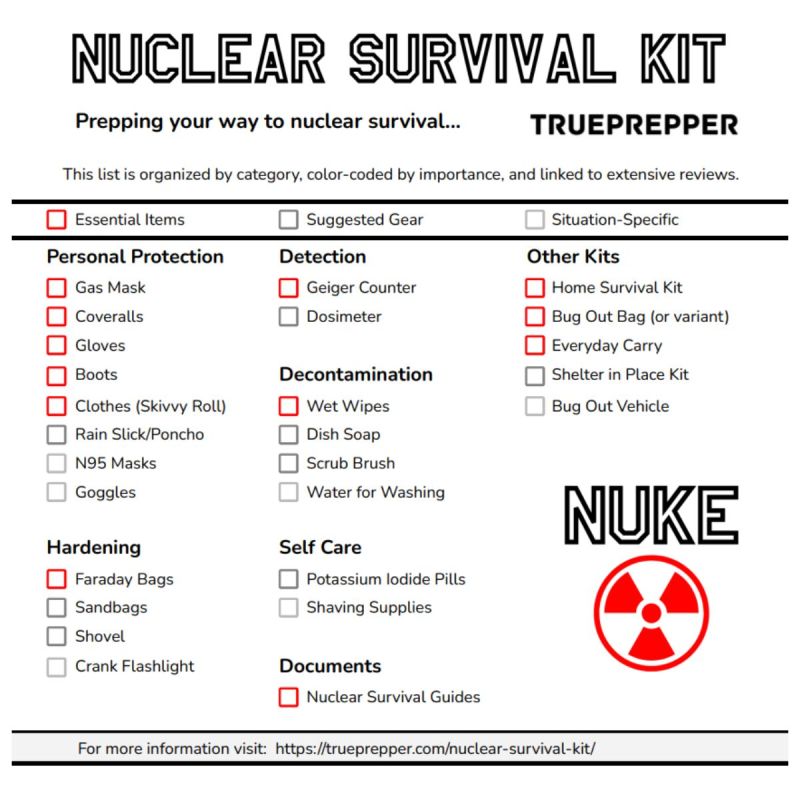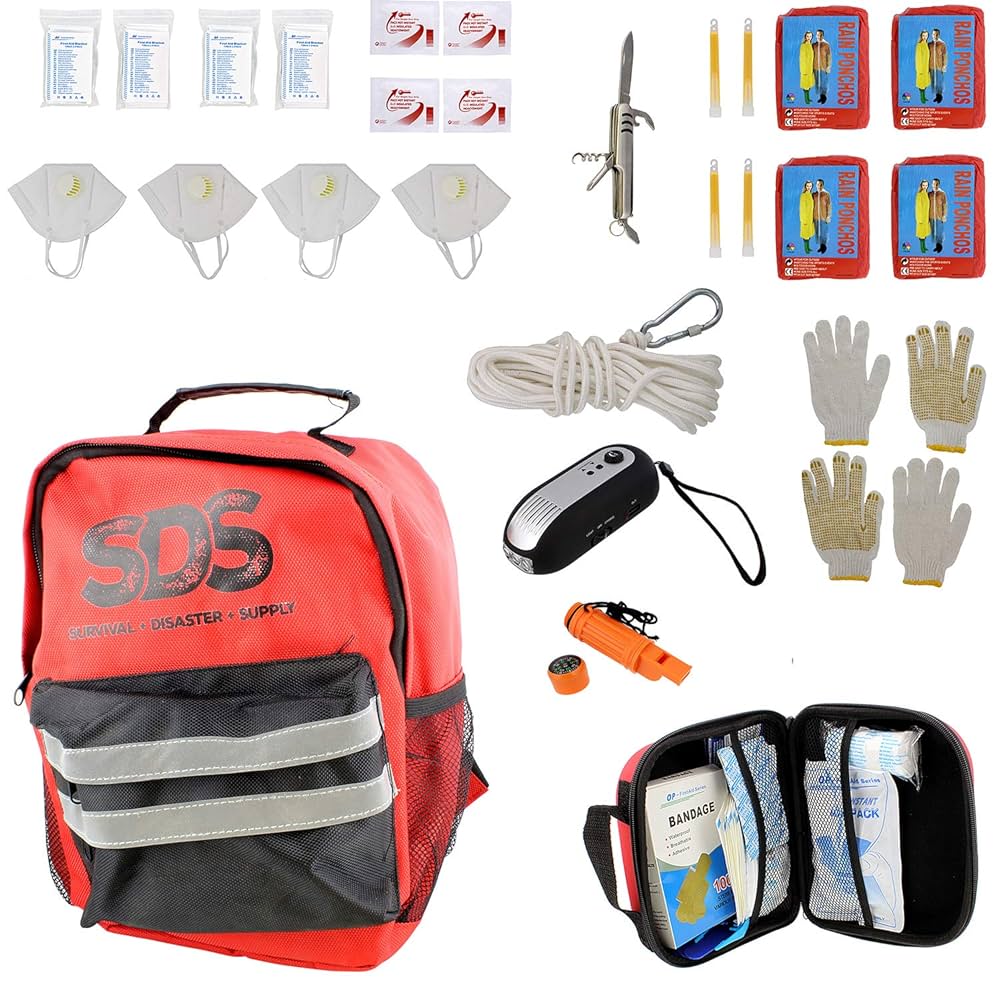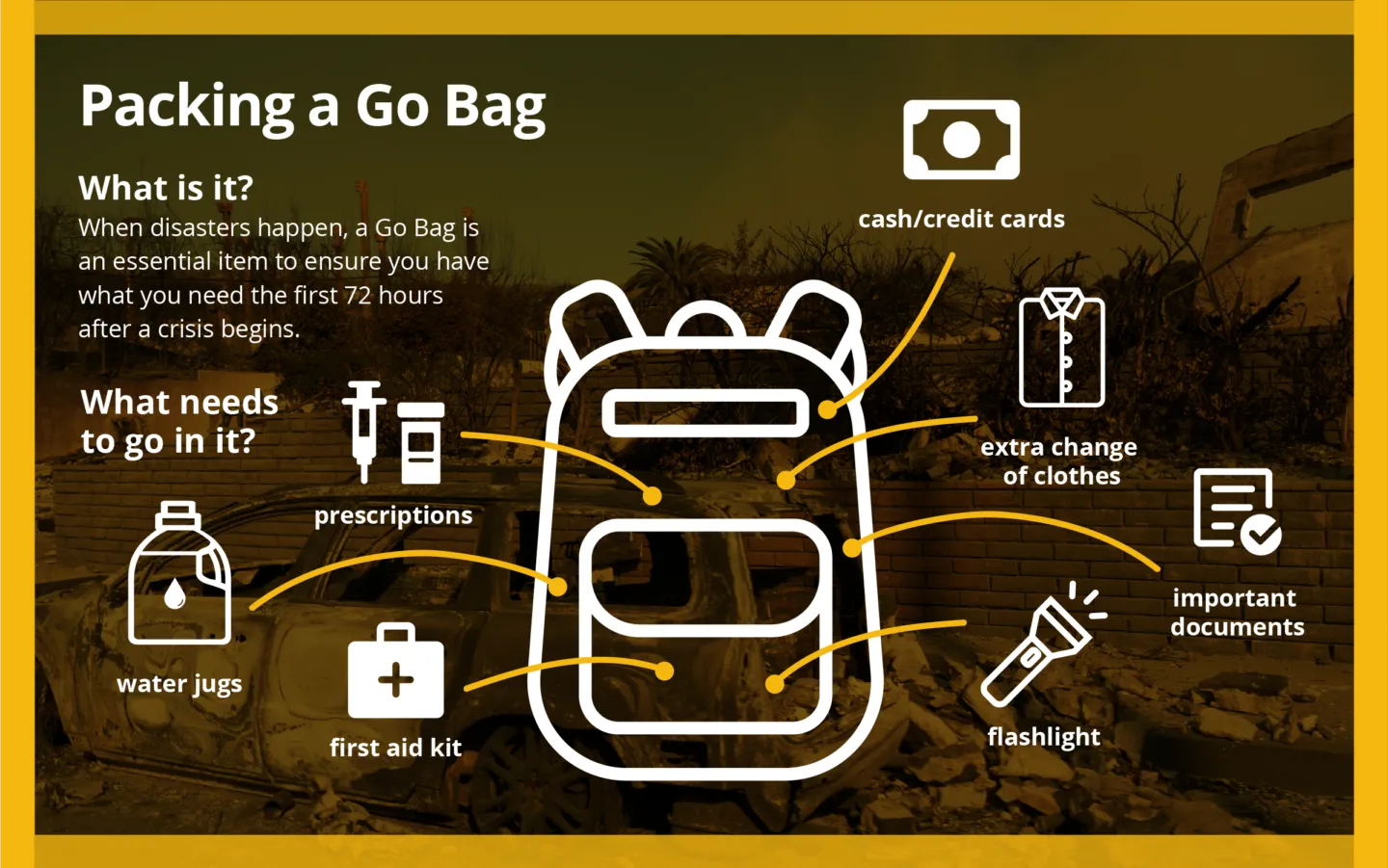
Imagine facing an emergency where every second counts. You might have water, food, and a flashlight ready, but what about your important documents?
These papers can be the key to your safety, access to help, and rebuilding your life. If you haven’t thought about including them in your survival kit, you’re missing a crucial piece of the puzzle. You’ll discover why important documents are not just paperwork—they’re your lifeline when disaster strikes.
Keep reading to find out how to protect yourself and your family when it matters most.

Credit: premierbodyarmor.com
Role Of Important Documents
Important documents play a crucial role in any survival kit. They serve as your key to proving who you are, accessing help, and protecting your rights during emergencies. Without these papers, navigating through a crisis can become much harder and more stressful.
Identity Verification
Your identity documents, such as a passport, driver’s license, or national ID, confirm who you are. In an emergency, these papers help authorities quickly verify your identity. This can speed up rescue efforts and prevent misunderstandings.
Imagine being displaced after a natural disaster and needing to prove your identity to access shelters or aid. Without these documents, you might face delays or denial of essential services. Keeping copies of your ID in your survival kit can save you from these complications.
Access To Emergency Services
Important documents can also grant you access to vital emergency services. Medical records, insurance cards, and contact lists allow responders to provide proper care and support. They give a clear picture of your health needs and emergency contacts.
For example, if you have allergies or chronic conditions, medical documents help first responders treat you correctly. This information can be life-saving when every second counts. Do you have your critical health details ready in your survival kit?
Proof Of Ownership And Rights
Documents like property deeds, vehicle titles, and insurance policies protect your legal rights. After a disaster, proving ownership is essential for recovery and claims. Without proof, you might struggle to regain lost assets or receive compensation.
Think about how frustrating it would be to lose your home and not have any paperwork to prove it belongs to you. Storing these papers safely ensures you can support your claims and rebuild faster. Have you included these documents in your emergency plan?

Credit: www.threads.com
Key Documents To Include
Key documents in a survival kit help prove your identity and access vital services. They speed up rescue and recovery efforts. Keep these papers safe and easy to find during emergencies. Store copies in waterproof bags or digital formats.
Personal Identification
Include passports, driver’s licenses, and ID cards. These prove who you are. Carry birth certificates and social security cards too. They help in emergency shelters and government aid.
Medical Records
Keep a list of allergies, prescriptions, and medical conditions. Include vaccination records and doctor contact info. This information guides medical teams during treatment.
Insurance Papers
Have copies of health, home, and car insurance policies. They speed up claims and repairs. Include contact details for insurance agents or companies.
Legal Documents
Store wills, power of attorney, and property deeds. These protect your rights and property. Keep copies of marriage certificates and custody papers too.
How Documents Aid In Emergencies
Important documents can be lifesavers during emergencies. They act as your proof of identity, financial stability, and medical history. Having them ready in your survival kit can make the difference between chaos and control when time is critical.
Facilitating Evacuation
When you need to leave your home quickly, having identification documents like passports, driver’s licenses, or birth certificates speeds up the process. Authorities often require proof of identity at evacuation centers or checkpoints. Without these, you risk delays or even denial of access to safe zones.
Imagine arriving at a shelter without any ID—how would you prove who you are? Your documents also help reunite family members separated during evacuation. Keeping them handy means fewer hurdles and faster assistance.
Securing Financial Resources
Access to money during emergencies is crucial. Documents such as bank account details, insurance policies, and credit card information allow you to withdraw funds or file claims quickly. Without these, you might struggle to pay for essential supplies or services.
Think about a situation where your home is damaged, and you need to claim insurance. Having the paperwork ready speeds up compensation and helps you recover faster. Your survival kit should include copies of important financial documents to avoid unnecessary stress.
Ensuring Medical Treatment
Medical emergencies require immediate attention, and your health records can provide vital information to healthcare providers. Documents like vaccination records, prescription lists, and allergy information guide doctors in delivering the right treatment.
If you’re unable to communicate, these documents speak for you. They prevent dangerous medication errors and save valuable time during critical moments. Including medical documents in your survival kit can literally save your life.

Credit: www.servpro.com
Storage Tips For Document Safety
Keeping your important documents safe during an emergency is as crucial as having the documents themselves. Proper storage ensures that these vital papers are protected from damage and are easy to find when you need them most. Let’s look at some effective ways to store your documents securely and access them quickly in a crisis.
Waterproof And Fireproof Containers
Investing in a waterproof and fireproof container is one of the best ways to protect your documents. These containers guard against common threats like water damage from floods and fire hazards. I once had a container that survived a minor home fire, saving all my critical papers intact.
Look for containers with secure seals and sturdy locks to keep moisture and debris out. Keep the container in a location that is easy for you to reach but safe from household risks. Would your current storage method survive a flood or fire?
Digital Backups
Making digital copies of your documents adds an extra layer of security. Scan or photograph your papers and save them on encrypted USB drives or cloud storage. This way, even if the physical copies are lost, you still have access to your information.
Remember to update your digital backups regularly to reflect any changes in your documents. Protect your files with strong passwords and consider using two-factor authentication. How often do you update your digital backups?
Organizing For Quick Access
Organize your documents so you can find what you need quickly. Use labeled folders or binders sorted by category—such as identification, medical records, insurance, and financial papers. This saves precious time when you’re under pressure.
Keep a checklist of all the documents in your kit to ensure nothing is missing. Think about the last time you searched for a document in a rush—could better organization have helped? Your survival kit isn’t just about what you carry; it’s about how you carry it.
Updating And Maintaining Documents
Updating and maintaining important documents is essential for an effective survival kit. Documents can expire or become outdated, which may cause problems during emergencies. Keeping them current ensures quick access and smooth verification when needed. Regular updates protect you from delays and complications in critical situations.
Regular Reviews
Check your documents often to confirm they are still valid. Set a schedule for reviews, such as every six months or once a year. This habit helps catch any errors or changes before an emergency arises. Review all important papers including IDs, insurance, and medical records.
Replacing Expired Papers
Expired documents can cause serious issues during emergencies. Replace any papers that have passed their expiration date immediately. Keep track of expiration dates with reminders or a calendar. Always store the newest versions in your survival kit for easy access.
Notifying Trusted Contacts
Inform trusted family members or friends about your updated documents. Share where you keep your survival kit and how to access it. This step ensures help is available if you cannot reach your documents yourself. Trusted contacts can assist in emergencies and provide peace of mind.
Common Mistakes To Avoid
Important documents are vital in a survival kit. Mistakes can cause delays or loss of critical information. Avoid these common errors to keep your documents safe and accessible.
Neglecting Copies
Relying on only one set of documents is risky. Originals can get lost or damaged easily. Make multiple copies and store them separately. Use waterproof sleeves or digital backups for extra protection.
Ignoring Security Measures
Important documents contain sensitive information. Leaving them unsecured invites theft or misuse. Use lockable containers or safes in your kit. Consider encrypted digital files with strong passwords.
Overloading The Kit
Too many documents make the kit bulky and hard to manage. Include only essential papers like ID, insurance, and medical info. Keep the kit compact for quick access during emergencies.
Frequently Asked Questions
Why Include Documents In A Survival Kit?
Important documents ensure access to vital information during emergencies. They help verify identity, access funds, and claim insurance. Having copies of IDs, medical records, and insurance papers ensures smooth recovery after a crisis. These documents provide essential information and aid in rebuilding life post-disaster.
What Documents Are Essential For A Survival Kit?
Key documents include identification cards, passports, birth certificates, and medical records. Include insurance policies, financial documents, and emergency contact information. Having these documents ensures quick access to crucial information during emergencies. They help in verifying identity and accessing necessary services.
How Do Documents Aid In Emergency Situations?
Documents provide essential information during emergencies. They verify identity and help access financial resources. Medical records ensure timely medical aid, while insurance papers facilitate claims. Essential documents streamline recovery processes and help in rebuilding life after a disaster. Having them accessible is crucial for smooth crisis management.
Should You Have Digital Copies Of Documents?
Yes, digital copies offer convenience and backup. Store them securely in cloud storage or a USB drive. They provide easy access during emergencies when physical copies are unavailable. Digital backups ensure important information is not lost and remain accessible, aiding in quick recovery post-disaster.
Conclusion
Important documents keep you safe during an emergency. They prove who you are and what you own. Without them, getting help is much harder. Store these papers in a waterproof, easy-to-reach place. Check and update them regularly. Being prepared saves time and stress later.
Don’t forget passports, IDs, insurance, and medical records. These small steps make a big difference in survival. Stay ready, stay safe.