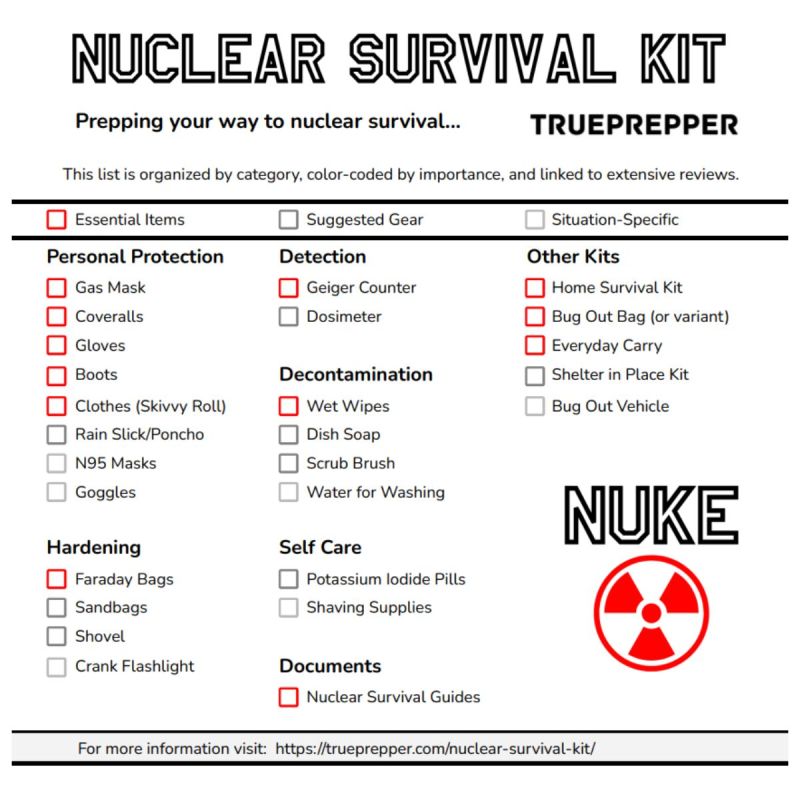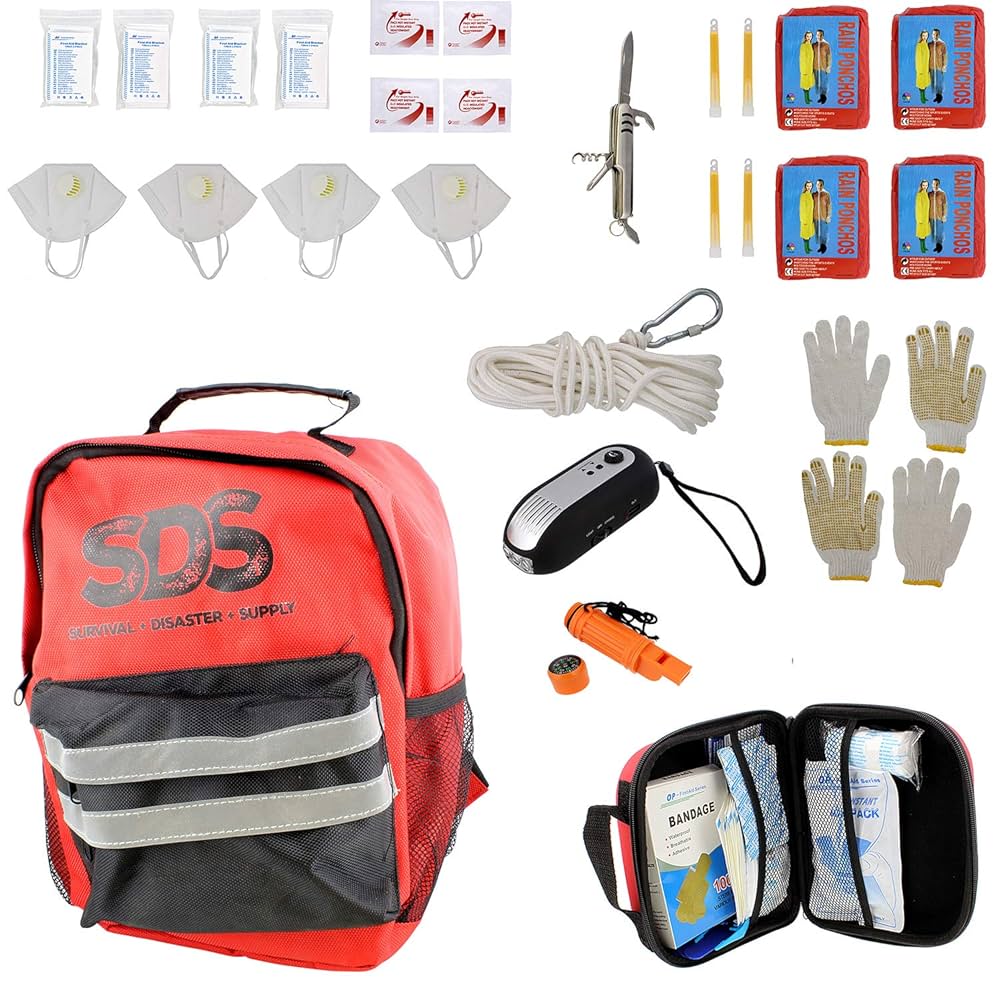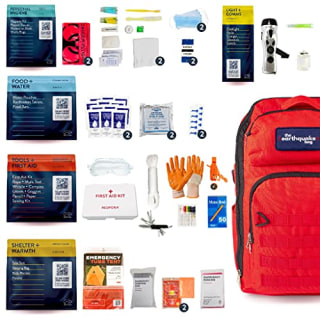
Imagine facing an emergency without the right tools at your fingertips. What would you do if power went out, or you found yourself stranded somewhere unexpected?
Your survival could depend on what’s inside your emergency survival kit. This isn’t just about packing random items—it’s about having exactly what you need to stay safe, comfortable, and in control when every second counts. Keep reading, because knowing what to include in your kit could make all the difference when it matters most.

Credit: www.servpro.com
Basic Survival Supplies
Basic survival supplies form the backbone of any emergency survival kit. These items ensure you can meet your fundamental needs when disaster strikes. Without essentials like water, food, and first aid, staying safe and healthy becomes a challenge.
Water And Hydration Tools
Water tops the list because you can only survive a few days without it. Pack at least one gallon of water per person per day for drinking and sanitation.
Include tools to purify water, such as:
- Water purification tablets
- Portable water filters
- Collapsible water containers
Have you thought about how you’ll access clean water if your supply runs out? Purification tools can save you from drinking unsafe water.
Non-perishable Food
Food is your energy source when you’re in survival mode. Choose non-perishable options that last long without refrigeration.
Good choices include:
- Canned beans and vegetables
- Energy bars and trail mix
- Dried fruits and nuts
- Freeze-dried meals
Don’t forget a manual can opener if you pack canned goods. Have you tested your emergency food before? Knowing you can eat and enjoy it matters a lot in a crisis.
First Aid Essentials
Injuries happen unexpectedly, so a well-stocked first aid kit is crucial. It should cover minor cuts, burns, and basic medical needs.
Include these items at minimum:
- Bandages of various sizes
- Antiseptic wipes and ointments
- Pain relievers like ibuprofen or acetaminophen
- Adhesive tape and gauze pads
- Scissors and tweezers
Think about your personal medical needs too—any prescriptions or special supplies should be part of your kit. How prepared are you to handle an injury on your own?
Shelter And Warmth
Securing shelter and warmth is crucial in any survival situation. Without proper protection from the elements, your body can quickly lose heat, leading to dangerous conditions like hypothermia. Having the right gear for shelter and warmth can make the difference between discomfort and life-saving comfort.
Emergency Blankets And Sleeping Bags
Emergency blankets are compact, lightweight, and can retain up to 90% of your body heat. They are easy to carry and can be a lifesaver in cold conditions. Pairing them with a quality sleeping bag designed for low temperatures gives you a reliable way to stay warm overnight.
Consider choosing a sleeping bag that is rated for temperatures lower than what you expect. Remember, staying dry is just as important as staying warm, so opt for water-resistant materials when possible.
Tents And Tarps
A tent offers shelter from wind, rain, and insects, creating a safer and more comfortable environment. If you need to travel light, a tarp can be an excellent alternative, providing flexible coverage and quick setup.
Look for tents with easy assembly and durable fabrics. For tarps, bring strong cord or paracord to secure it properly. Think about your environment—will you be camping in wooded areas or open fields? Your choice will affect what kind of shelter you need.
Fire Starting Equipment
Fire generates heat, cooks food, and purifies water—making it one of the most vital tools in your survival kit. Pack multiple fire starters such as waterproof matches, lighters, and fire steel to ensure you can start a fire in any condition.
Practice building a fire with your equipment before you face an emergency. Knowing how to create a safe, lasting fire can boost your confidence and improve your chances of staying warm and safe.
Navigation And Communication
Navigation and communication tools are essential in any emergency survival kit. They help you find your way and stay connected when usual systems fail. Imagine being lost without a clue or stranded without any way to call for help—these tools can make all the difference.
Compasses And Maps
A reliable compass is a small but powerful tool that never runs out of batteries. Pair it with a detailed map of your area, and you have a foolproof way to navigate. GPS devices are great, but what if your phone dies or the signal is gone? A compass and map don’t rely on technology, and they work in any weather.
Keep your maps updated and practice reading them before you actually need them. You might be surprised how easy it is to misread a map under pressure. Have you ever tried to navigate a forest without a compass? It’s a skill worth mastering.
Emergency Radios
Emergency radios keep you informed when power and internet are down. Look for radios that can receive NOAA weather alerts and have multiple power sources like solar, hand crank, and batteries. This way, you won’t miss critical updates about storms, evacuations, or other dangers.
Some models include USB ports to charge your phone, adding another layer of security. Think about how isolating it feels to be cut off from news and emergency broadcasts. An emergency radio can be your lifeline to the outside world.
Signaling Devices
Signaling devices help rescuers locate you quickly. Bright whistles, signal mirrors, and even flare guns can attract attention from far away. A whistle is lightweight and easy to carry, yet its sound can travel much farther than your voice.
Signal mirrors use sunlight to create flashes visible over long distances, especially in open spaces. Have you ever tried yelling for help and wondered if anyone could hear you? Adding a signaling device to your kit boosts your chances of being found fast.
Tools And Equipment
Your emergency survival kit’s effectiveness depends heavily on the tools and equipment you include. These items are not just extras; they can be the difference between staying safe and facing unnecessary risks. Think about the last time you faced a minor inconvenience—did you have the right tool at hand? Now imagine that on a larger scale in an emergency.
Multi-tools And Knives
A good multi-tool is your best friend in a survival situation. It combines several tools into one compact device, saving space and weight. You’ll find pliers, screwdrivers, scissors, and blades, all ready to handle unexpected tasks.
Knives deserve special attention. A fixed blade knife offers durability and strength for tasks like cutting rope, preparing food, or making kindling. Choose a knife with a comfortable grip and a sharp, sturdy blade to ensure reliability.
Flashlights And Batteries
Light is crucial when darkness falls unexpectedly. A reliable flashlight can guide your way, signal for help, or provide comfort in the unknown. Look for models that are waterproof and shock-resistant to withstand tough conditions.
Don’t forget extra batteries—having a flashlight without power is useless. Consider rechargeable options or pack a variety of battery sizes to cover different devices. How often do you check your flashlight’s battery life?
Cordage And Duct Tape
Cordage is incredibly versatile and can be used for building shelters, securing gear, or even first aid. Paracord is a popular choice because of its strength and lightweight nature. It’s surprising how often you’ll find yourself reaching for a strong piece of rope.
Duct tape is another essential tool that many overlook. It can repair tents, patch clothing, hold splints in place, or seal containers. Carry a small roll—it’s compact but mighty in emergency fixes.
Personal Safety And Hygiene
Personal safety and hygiene are crucial in any survival situation. Staying clean and protected reduces illness risk. It helps keep wounds from infection and maintains overall health. A well-prepared kit should include items that protect your body and help you stay sanitary. These essentials support your ability to endure tough conditions.
Protective Clothing And Gloves
Protective clothing shields your skin from cuts, bites, and harsh weather. Durable gloves protect hands during tasks like gathering firewood or handling debris. Choose clothes made from sturdy, breathable materials. Gloves should fit well and allow movement. These items prevent injuries and exposure to germs.
Sanitation Supplies
Sanitation supplies help maintain cleanliness and stop germs from spreading. Pack items like soap, disinfectant wipes, and small towels. Include a portable toilet or waste bags for safe disposal. A small mirror can help check wounds or clean hard-to-see areas. Cleanliness lowers disease chances and keeps morale high.
Masks And Hand Sanitizers
Masks protect against airborne germs and dust. Choose masks that fit snugly and filter well. Hand sanitizers kill germs when water is unavailable. Carry small bottles of sanitizer with at least 60% alcohol. Use masks and sanitizers often to reduce infection risks in close quarters.

Credit: www.amazon.com
Important Documents And Money
Having important documents and money in your emergency survival kit can make a huge difference when disaster strikes. These items help you prove your identity, access funds, and communicate with loved ones or authorities. Without them, you might face unnecessary delays or complications during a crisis.
Copies Of Identification
Keep photocopies or digital scans of your ID cards, passports, and driver’s licenses in your kit. Originals can get lost or damaged, but copies let you prove who you are when needed. Store them in a waterproof bag to keep them safe from water and dirt.
Think about the last time you misplaced your ID—imagine how much harder that would be during an emergency. Having backups ready can save you time and stress.
Emergency Cash
Cash is king when electronic payment systems fail. Keep small bills, like $1, $5, and $20 notes, tucked away in your kit. Avoid large amounts, as they can be risky to carry.
Try to refresh your emergency cash every six months to ensure the bills are still in good condition. Where would you go if your credit card stopped working and ATMs were down?
Contact Information
Write down phone numbers and addresses of family, friends, doctors, and emergency services. Store this list on paper, so you can access it even if your phone dies or breaks.
Don’t forget to include any special instructions, like allergies or medical conditions. Could you quickly find the help you need if you lost your phone right now?
Customizing Your Kit
Customizing your emergency survival kit ensures it truly fits your unique situation. A one-size-fits-all kit might leave you missing critical items or carrying unnecessary weight. Tailoring your kit to your environment and personal needs makes it more effective when you actually need it.
Consider Local Climate
Your location’s climate shapes what you should pack. If you live in a cold area, add extra blankets, thermal clothing, and hand warmers. In hot climates, focus on lightweight clothing, sun protection, and plenty of water storage.
Think about seasonal changes too. A kit ready for summer heat won’t protect you well during winter storms. Ask yourself: what weather challenges do you face most often?
Account For Family Needs
Every family member has unique requirements. Include medications, allergy supplies, and comfort items for children or elderly relatives. Don’t forget essentials like baby formula, pet food, or hearing aid batteries.
Customizing this way can prevent panic during an emergency. Have you checked what each person would need if you had to leave home quickly?
Regular Maintenance
Your kit won’t help if it’s out of date. Set a reminder to check and replace expired food, batteries, and medications every six months. Keep your supplies organized so you can find what you need fast.
Think about how often your family’s needs change and adjust the kit accordingly. Have you made maintenance a habit yet?

Credit: m.youtube.com
Frequently Asked Questions
What Are The Essential Items In An Emergency Survival Kit?
An emergency survival kit must include water, non-perishable food, a first aid kit, flashlight, batteries, and a multi-tool. These basics help sustain life and ensure safety during emergencies. Adding personal items like medications and important documents is also crucial for preparedness.
How Much Water Should I Pack In A Survival Kit?
Pack at least one gallon of water per person per day. This amount covers drinking and basic hygiene for three days. Water storage is vital as it prevents dehydration and supports health in emergencies where water supplies are limited.
Why Is A First Aid Kit Important In A Survival Kit?
A first aid kit helps treat injuries and prevents infections during emergencies. It contains bandages, antiseptics, and pain relievers essential for basic medical care. Having one increases safety and can save lives when professional help is delayed.
What Food Types Are Best For An Emergency Kit?
Choose non-perishable, high-energy foods like canned goods, nuts, and energy bars. These foods have a long shelf life and provide necessary nutrients. Avoid items needing refrigeration to maintain safety and convenience in survival situations.
Conclusion
A good emergency survival kit keeps you safe and ready. Basic supplies like water, food, and first aid are essential. Tools such as a flashlight and multi-tool help in tough times. Don’t forget important documents and communication devices. Regularly check and update your kit.
Being prepared brings peace of mind. Stay calm. Stay safe. Your kit can make a big difference.