
When disaster strikes, having the right supplies in your survival shelter can make all the difference. You need more than just basics—you need a carefully chosen stockpile that keeps you safe, healthy, and ready for anything.
Wondering what essentials you should have on hand? This guide will help you build a shelter stocked with everything you truly need. Keep reading to discover the must-haves that can protect you and give you peace of mind when it matters most.
Food And Water Supplies
Food and water are the most essential supplies in any survival shelter. They keep you alive and maintain your energy. Planning and packing the right items can make a big difference. Focus on items that last long, meet basic nutrition needs, and fit your space.
Non-perishable Food Items
Choose foods that store well without refrigeration. They must provide calories, nutrients, and variety. Canned goods, dried fruits, and nuts are great options. Freeze-dried meals save space and last for years. Keep a mix of proteins, carbohydrates, and fats.
- Canned beans, vegetables, and meats
- Rice, pasta, and instant oats
- Dried fruits like raisins and apricots
- Trail mix and nut butters
- Powdered milk and protein powders
- Freeze-dried meals and soups
Water Storage And Purification
Water is critical for survival. Store enough water for drinking, cooking, and hygiene. Use sturdy containers that seal tightly. Rotate water supplies to keep them fresh. Have reliable purification tools in case supplies run low.
- Large water containers or barrels
- Portable water filters or purification tablets
- Boiling equipment like a portable stove
- Collapsible water bags for extra storage
Regularly check water quality and replace old supplies. Clean containers before refilling to avoid contamination.
Special Dietary Needs
Account for allergies or medical diets. Pack gluten-free, low-sodium, or diabetic-friendly foods if needed. Include vitamins and supplements to fill nutritional gaps. Plan meals that everyone can safely eat.
- Allergy-safe snacks and foods
- Low-sugar or sugar-free options
- Vitamins and essential supplements
- Comfort foods for mental well-being
Label special items clearly. Keep these foods separate from general supplies to avoid mix-ups.
Shelter And Warmth
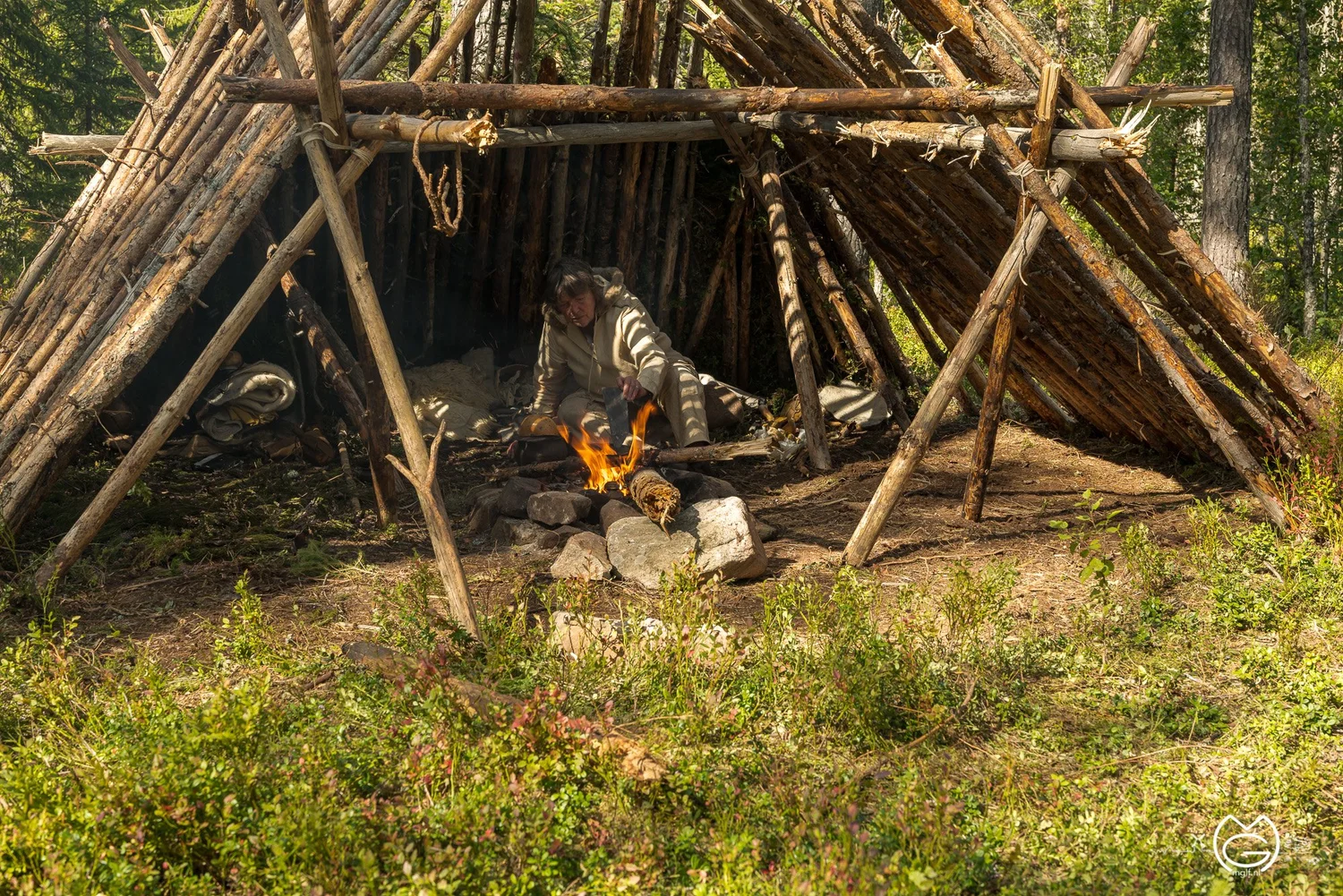
Keeping your shelter warm and well-insulated is a top priority when preparing for survival situations. Without proper shelter and warmth, your chances of staying safe and healthy drop dramatically. Think about how you would maintain heat during a cold night—what essentials would you need right at hand?
Insulation Materials
Insulation is your first line of defense against cold and moisture. Materials like foam boards, reflective blankets, and even natural elements such as leaves or pine boughs can trap heat effectively.
Don’t underestimate the value of thick tarps or heavy-duty plastic sheeting to block wind and dampness. Layering these with natural insulation creates a surprisingly cozy barrier.
Sleeping Gear
Choosing the right sleeping gear can mean the difference between shivering through the night and waking up refreshed. A high-quality sleeping bag rated for temperatures below your expected lows is essential.
Additionally, consider insulated sleeping pads to keep cold from seeping up from the ground. Have you tested your gear in cold conditions yet? Doing so reveals what you truly need to stay warm.
Fire Starting Tools
Fire is more than warmth—it’s a survival tool. Pack multiple reliable fire starters like waterproof matches, lighters, and ferro rods.
Store these tools in a waterproof container to ensure they work when you need them most. Remember, the ability to start a fire quickly can be your lifeline in harsh conditions.
Medical And Hygiene Items
Medical and hygiene items are crucial for any survival shelter. They help prevent infections, treat injuries, and maintain your overall health when professional help is out of reach. Neglecting this area can turn a minor issue into a major problem, so it’s vital to stock smartly and thoroughly.
First Aid Kit Essentials
Your first aid kit should be more than just bandages and antiseptic. Include items like sterile gauze pads, adhesive tape, scissors, tweezers, and safety pins. Don’t forget gloves to protect yourself and others when treating wounds.
Adding a CPR mask and a thermometer can make a big difference during emergencies. Also, consider including a first aid manual or quick reference guide. This helps you act confidently, even if you’re not a medical expert.
Personal Hygiene Products
Maintaining cleanliness prevents illness and keeps morale high. Stock up on biodegradable soap, toothbrushes, toothpaste, and feminine hygiene products. Wet wipes and hand sanitizer are lifesavers when water is scarce.
Think about items that reduce germs and odors, like deodorant and nail clippers. These small comforts can boost your mental state, which is just as important as physical health in survival situations.
Medications And Supplements
Keep a variety of over-the-counter medications such as pain relievers, antihistamines, and anti-diarrheal tablets. Prescription medications should be included if anyone in your group requires them.
Don’t overlook supplements like vitamin C and zinc, which support your immune system. Have a clear plan for rotating and replacing medications to avoid expired products. How prepared are you to handle common illnesses without a pharmacy nearby?
Credit: cenpadacademia.cl
Tools And Equipment
Tools and equipment form the backbone of a survival shelter. They help with daily tasks and emergencies. The right gear makes life easier and safer in tough situations. Every item should be durable and multipurpose. Organize tools to access them quickly.
Multi-tools And Knives
Multi-tools combine many tools in one compact device. They save space and offer versatility. A good multi-tool includes pliers, screwdrivers, and scissors. Knives are essential for cutting, preparing food, and self-defense. Choose knives with strong blades and comfortable handles. Keep them sharp and clean for best use.
Cooking Utensils
Cooking utensils must be lightweight and sturdy. Include pots, pans, and utensils made from metal or heat-resistant materials. A small camping stove or portable burner is useful for cooking. Carry a compact can opener and eating utensils. Clean tools immediately to avoid rust and bacteria.
Lighting And Batteries
Lighting is vital for night-time tasks and safety. Stock up on LED flashlights and headlamps for hands-free use. Carry extra batteries for all light sources. Solar-powered or hand-crank lights add reliability. Store batteries in a dry, cool place to extend life.
Communication And Navigation
Communication and navigation tools are essential in any survival shelter. They help you stay connected with the outside world and find your way if you need to move. Without them, you risk isolation and getting lost, which can be dangerous.
Emergency Radios
Emergency radios keep you informed about weather alerts, rescue operations, and important news. Look for radios that receive NOAA weather channels and can operate on batteries or hand crank power. Some models also include USB charging, which can be a lifesaver if you have other devices to power.
Having a radio with multiple power sources means you won’t be left in the dark if batteries run out. I once relied on a hand crank radio during a storm blackout, and it kept me updated for hours. Would you want to face an emergency without a way to get crucial updates?
Maps And Compasses
Digital GPS devices are handy, but paper maps and compasses never run out of battery. Keep detailed topographic maps of your area in your shelter. Knowing how to read a compass can guide you back to safety if technology fails.
Practice using your compass regularly. I learned the hard way that even the best maps are useless if you don’t know how to use them correctly. How confident are you in your navigation skills when there’s no signal or power?
Signal Devices
Signal devices like whistles, mirrors, and flares can attract attention when you need rescue. A whistle is lightweight and can be heard over long distances without using energy. Mirrors reflect sunlight to create a bright flash, which can be spotted by rescuers from miles away.
Carry multiple signal options to increase your chances of being found. Once, a simple whistle helped a friend alert nearby hikers after he got lost in the woods. Do you have the right tools ready if you need to signal for help?

Credit: www.youtube.com
Clothing And Protection
Clothing and protection are key for survival shelter readiness. Proper clothing shields the body from harsh weather and injuries. It keeps you warm, dry, and safe. Protection gear reduces risks from environmental hazards. Footwear ensures comfort and mobility over rough terrain. Each item plays a vital role in staying healthy and active.
Weather-appropriate Clothing
Choose clothes that fit the climate of your area. Layering works best for changing temperatures. Start with a moisture-wicking base layer to keep sweat away. Add an insulating middle layer for warmth. Finish with a waterproof outer layer to block rain and wind. Pack extra socks and gloves for cold conditions.
Protective Gear
Protection gear guards against cuts, bruises, and insect bites. Include sturdy gloves for handling rough materials. A wide-brimmed hat shields from sun and rain. Sunglasses protect eyes from glare and debris. A good quality face mask helps with dust and smoke. Keep a compact first aid kit nearby for emergencies.
Footwear
Footwear must be durable and comfortable. Boots with good ankle support prevent injuries. Waterproof shoes keep feet dry in wet conditions. Bring extra insoles for added comfort. Always have spare pairs to change when needed. Proper footwear helps maintain mobility and foot health.
Miscellaneous Essentials
Miscellaneous essentials cover items that do not fit into food, water, or medical categories but remain crucial for survival. These items provide security, convenience, and comfort. They help maintain order and mental strength during tough times. Including them in your shelter ensures preparedness for various situations.
Important Documents
Keep copies of essential papers in a waterproof bag or container. Include:
- Identification cards and passports
- Medical records and prescriptions
- Insurance policies
- Property deeds and legal documents
- Emergency contact lists
These documents help prove identity and access critical services quickly.
Cash And Barter Items
Cash is vital when electronic payments are unavailable. Store small bills and coins for easy trade. Barter items increase your chances of acquiring needed goods. Consider items such as:
- Gold or silver coins
- Alcohol and cigarettes
- Basic tools and batteries
- Seeds and hygiene products
These items hold value and can be exchanged in emergencies.
Entertainment And Morale Boosters
Stress relief is vital for mental health in survival situations. Pack simple entertainment options like:
- Books and puzzles
- Playing cards
- Journals and pens
- Small musical instruments
These items help pass time and lift spirits, keeping everyone motivated.

Credit: trueprepper.com
Frequently Asked Questions
What Essential Supplies Should A Survival Shelter Have?
A survival shelter must include water, non-perishable food, first aid kit, and warm clothing. These essentials ensure safety and basic needs during emergencies.
How Much Water Is Needed For A Survival Shelter?
Store at least one gallon of water per person daily. This amount covers drinking, cooking, and basic hygiene needs.
What Types Of Food Are Best For Survival Shelters?
Choose non-perishable foods like canned goods, dried fruits, nuts, and energy bars. They last long and provide necessary nutrients.
Why Is A First Aid Kit Important In A Survival Shelter?
A first aid kit helps treat injuries and prevent infections. It is vital for managing minor emergencies without immediate medical help.
Conclusion
A well-stocked survival shelter can save your life in tough times. Keep food, water, and tools ready and organized. Don’t forget first aid supplies and warm clothing. Regularly check your items to avoid spoilage or damage. A little planning today makes emergencies easier tomorrow.
Stay prepared, stay safe, and protect yourself and your loved ones. Simple steps can make a big difference in survival. Your shelter should be a place of comfort and security. Always think ahead and be ready for the unexpected.


