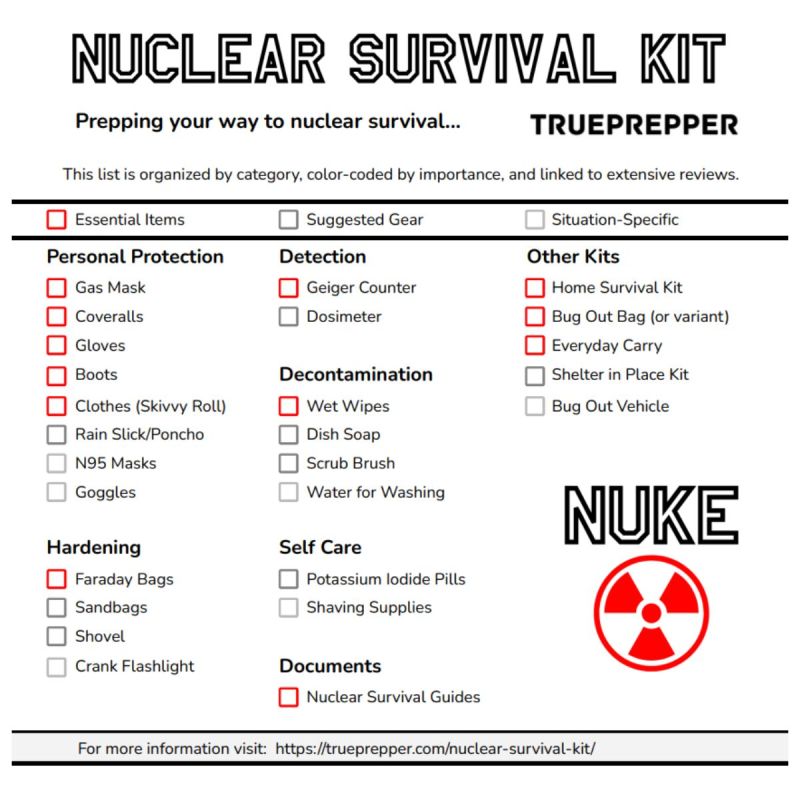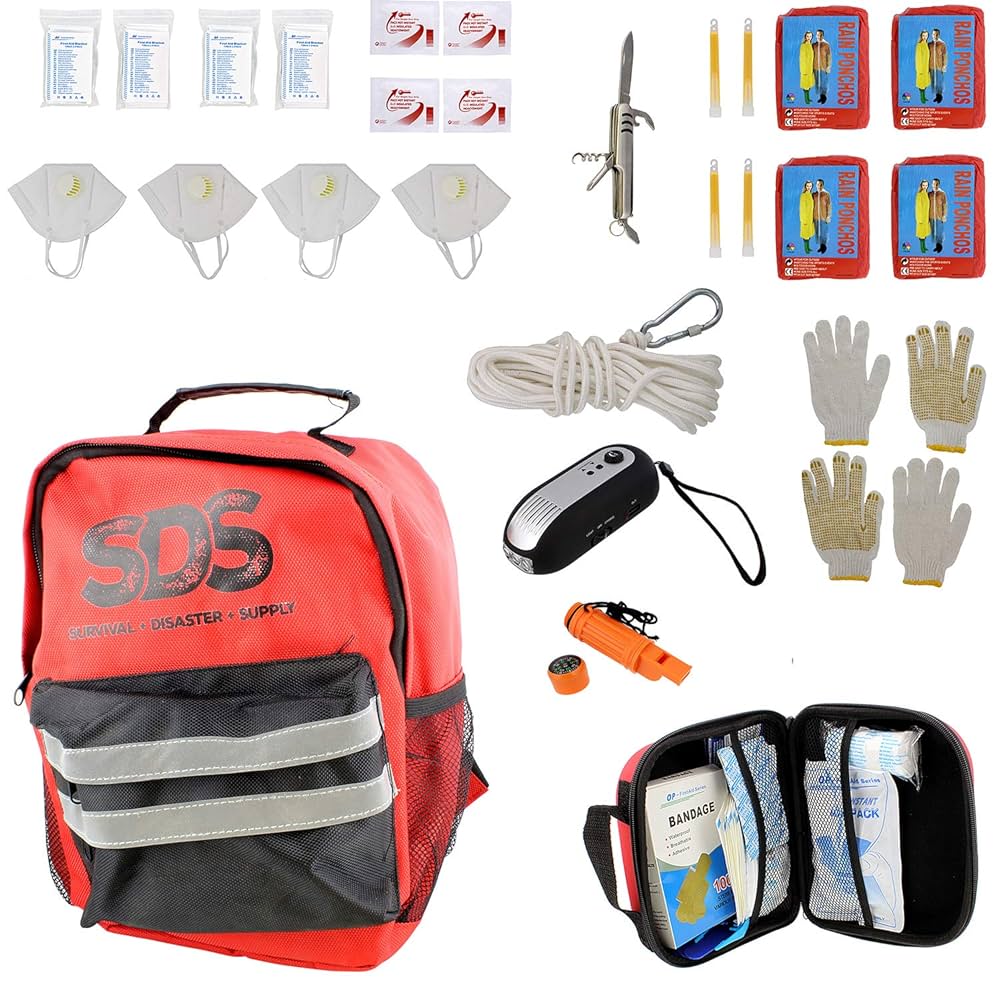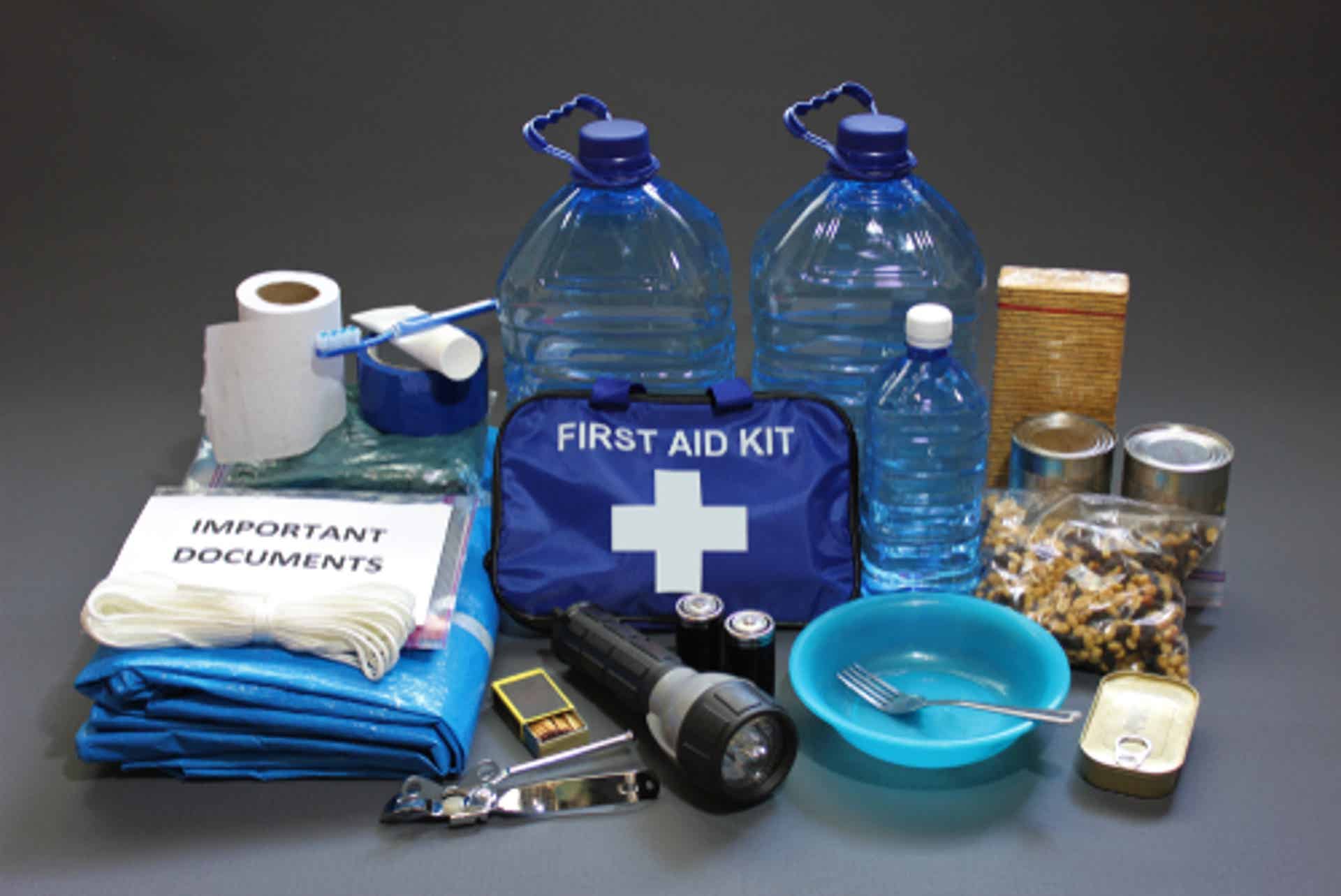
Imagine finding yourself in a tough situation with no help nearby. What would you reach for first?
Your survival kit could be the difference between staying safe or facing danger. But what exactly should you put in it to be truly prepared? You’ll discover the essential items that can keep you alive and comfortable when everything else fails.
By the time you finish reading, you’ll know exactly how to build a survival kit that works for you—simple, smart, and ready for anything. Keep reading, because your safety depends on what you pack today.
Basic Survival Essentials
When assembling a survival kit, focusing on basic essentials is the smartest move. These items form the foundation of your ability to stay safe and comfortable in unpredictable situations. You want gear that covers your most critical needs: water, food, and shelter.
Water And Hydration Tools
Your body can survive longer without food than without water. That’s why having reliable hydration tools is non-negotiable. A sturdy water bottle or hydration bladder paired with a compact water filter can be a lifesaver.
Think about including:
- Portable water filter or purification tablets to make natural water sources safe
- A durable, leak-proof water container
- Collapsible water bags to save space
How often have you found yourself near a stream or lake but hesitated to drink? Your survival kit should remove that doubt completely.
Food And Nutrition Supplies
Energy is your currency in survival situations. Pack lightweight, high-calorie food that won’t spoil quickly. Freeze-dried meals, energy bars, and nuts are excellent choices.
Consider these additions:
- Ready-to-eat meals with long shelf life
- Compact utensils or a small multi-tool for eating
- Electrolyte powders or tablets to replenish lost minerals
Keep in mind, the food you choose should be something you can eat without preparation if needed. Would you rather waste time cooking or focus on staying alert and safe?
Shelter And Warmth
Protection from the elements can mean the difference between comfort and danger. Include a lightweight tent, emergency blanket, or tarp to create shelter quickly. Don’t forget to pack something for warmth like a compact sleeping bag or thermal clothing.
Essentials you shouldn’t skip:
- Emergency bivvy or reflective blanket to retain body heat
- Insulating layers that pack small but keep you warm
- Rope or paracord for securing shelter or other uses
Have you ever experienced a cold night outdoors and realized how crucial just a simple emergency blanket can be? Your kit’s shelter gear should give you peace of mind no matter the weather.

Credit: www.amazon.com
Tools And Equipment
Having the right tools and equipment in your survival kit can make a huge difference when you face unexpected situations. These items are the backbone of your ability to solve problems quickly and safely. Choosing tools that are versatile, reliable, and easy to carry will help you stay prepared without adding unnecessary weight.
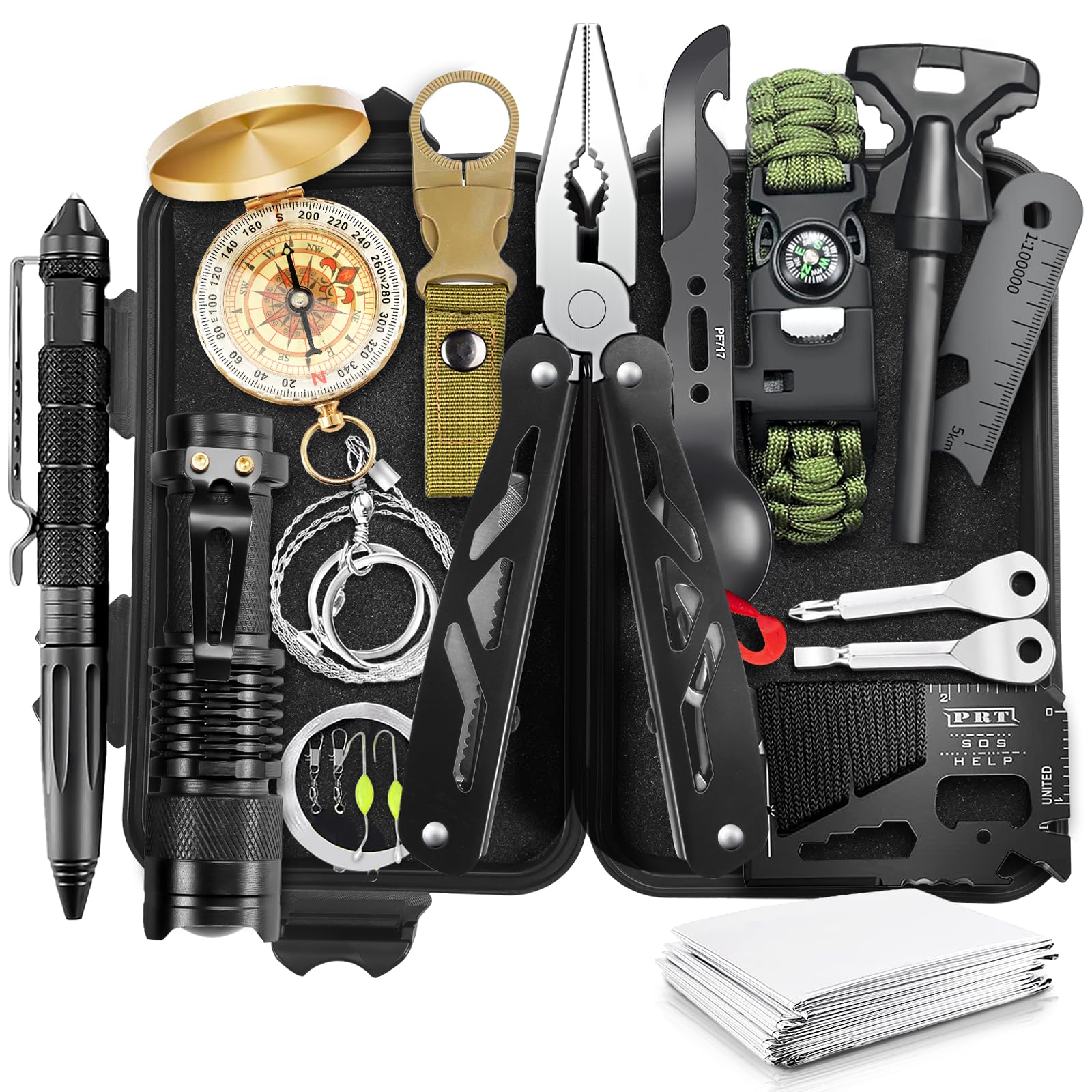
Multi-tools And Knives
A good multi-tool combines several functions in one compact device. It can have pliers, screwdrivers, scissors, and more, which can be incredibly useful for repairs or first aid.
Knives are essential for cutting rope, preparing food, or making kindling. I always carry a fixed blade knife because it feels sturdier and is easier to clean than folding ones. What’s your go-to tool for cutting tasks in emergencies?
Fire Starting Gear
Fire can provide warmth, cook food, and signal for help. Including waterproof matches, a lighter, and a fire steel in your kit covers different ways to start a fire, even in wet conditions.
I once struggled to start a fire with just matches during a rainy hike, so adding a magnesium fire starter was a game-changer. Think about what fire-starting tools will work best in your typical environment.
Lighting And Signaling Devices
Reliable light sources help you navigate in the dark and signal rescuers. A compact LED flashlight with extra batteries is a must-have for any survival kit.
Adding a whistle or a signal mirror can attract attention over long distances without using much energy. Have you ever considered how you’d signal for help if you were lost at night?
Health And First Aid
Health and first aid items are essential in any survival kit. They protect against injuries and illness. Being prepared means having tools to handle emergencies. Staying healthy improves your chances of survival and comfort.
Basic First Aid Kit
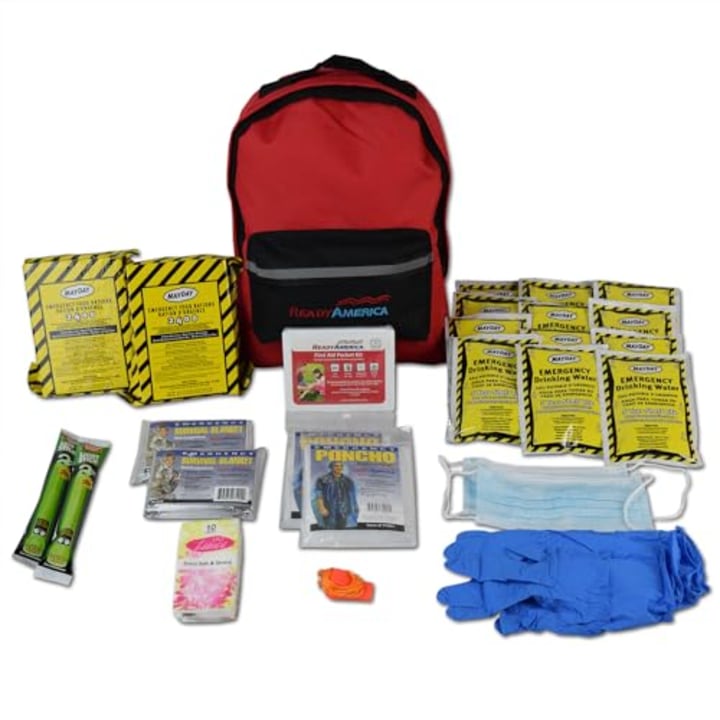
A basic first aid kit should include items for common injuries. Bandages stop bleeding and protect wounds. Antiseptic wipes clean cuts to prevent infection. Gauze pads help with larger wounds. Adhesive tape secures bandages and dressings.
- Band-aids in various sizes
- Antiseptic wipes or solution
- Gauze pads and rolls
- Adhesive tape
- Scissors and tweezers
- Disposable gloves
- CPR face shield
Medications And Supplements
Include essential medications for pain, allergies, and digestion. Pain relievers reduce discomfort. Antihistamines help with allergic reactions. Antacids soothe stomach issues. Carry extra prescription medicines if needed. Vitamins support your immune system during stress.
- Pain relievers like ibuprofen or acetaminophen
- Antihistamines for allergies
- Antacids for upset stomach
- Any personal prescription medicines
- Multivitamins or vitamin C supplements
Sanitation And Hygiene
Sanitation items prevent illness by keeping you clean. Hand sanitizer kills germs when water is unavailable. Wet wipes clean skin and surfaces. Toothbrush and toothpaste maintain oral health. Small towel or cloth helps with drying and cleaning. Proper hygiene reduces infection risk in survival situations.
- Hand sanitizer
- Wet wipes
- Toothbrush and toothpaste
- Small towel or washcloth
- Disposable bags for waste
Clothing And Protection
Your survival kit isn’t complete without the right clothing and protection. These items can make a huge difference in keeping you safe and comfortable in unexpected situations. Choosing what to pack requires thinking about the environment you might face and how to stay warm, dry, and shielded from hazards.
Weather-appropriate Clothing
Clothing that matches the climate you expect is crucial. You want layers that can be added or removed easily. Think moisture-wicking base layers, insulating middle layers, and waterproof outer layers.
I once had to wait hours in a cold rainstorm, and having a waterproof jacket saved me from hypothermia. Imagine being stuck without one—your body temperature drops quickly, and that’s dangerous. Pack clothes made of synthetic fabrics or wool, not cotton, since they dry faster and keep warmth better.
- Lightweight, quick-dry shirts and pants
- Insulating fleece or down jackets
- Waterproof rain jacket and pants
- Extra socks and gloves
Protective Gear
Protection goes beyond just warmth. Your survival kit should include gear to protect you from cuts, scrapes, and insect bites. Durable gloves, a wide-brimmed hat, and sturdy boots can make a huge difference.
Think about the terrain you might cross. Sharp rocks, thorny bushes, or rough surfaces can injure you quickly. In one tough hike, my boots prevented serious ankle twists and kept my feet dry, which helped me avoid blisters and infections.
- Sturdy, waterproof boots
- Work gloves or leather gloves
- Sun protection hat or cap
- Insect-repellent clothing or treated garments
Emergency Blankets
Emergency blankets are small but powerful tools. They reflect your body heat back to you and can prevent hypothermia in cold conditions. These compact blankets take up very little space and weigh almost nothing.
I always keep one in my kit because you never know when temperatures might drop suddenly. They can also serve as a ground cover or signal for rescue teams. Would you want to be caught without one when the temperature plunges overnight?
- Mylar emergency blankets (foil type)
- Compact and lightweight for easy packing
- Use for heat retention or shelter building
Navigation And Communication
Navigation and communication tools are essential in any survival kit. They help you find your way and call for help if needed. Staying oriented and connected can save lives in tough situations.
Maps And Compasses
Maps show the area around you in detail. They help you plan your route and avoid danger. A compass points north, so you always know your direction. Together, these tools keep you on track. Choose waterproof maps and a sturdy compass. Practice using them before you need them.
Communication Devices
Communication devices let you send messages or call for rescue. A basic option is a mobile phone with a portable charger. In remote places, a two-way radio or satellite phone works better. These devices do not rely on cell towers. Keep them charged and protected from water.
Emergency Whistles And Signals
An emergency whistle makes a loud noise to attract attention. It works even if you cannot shout. Whistles are small and easy to carry. Carry signal mirrors or bright cloth for daytime signaling. These simple tools increase your chances of being found quickly.
Credit: www.amazon.ca
Personal Documents And Money
Personal documents and money are vital in any survival kit. They help prove identity and provide access to resources. Without these items, managing emergencies becomes difficult. Prepare these essentials carefully to stay ready and safe.
Important Identification
Include your ID cards, such as a driver’s license or passport. These prove who you are and allow access to help. Carry medical cards and any important licenses too. Keep these documents in a waterproof pouch to avoid damage.
Cash And Cards
Cash is necessary when electronic payment fails. Keep small bills for easy transactions. Credit and debit cards provide backup and access to funds. Store cards in a secure, easy-to-reach spot within your kit. Avoid carrying large amounts of cash to reduce risk.
Copies And Storage
Make photocopies or digital scans of all important documents. Store them on a USB drive or cloud storage if possible. Keep physical copies separate from originals to prevent loss. This helps in case original documents get lost or damaged.
Additional Survival Items
Beyond the basics, additional survival items can make a real difference when you find yourself in tough situations. These extras often go unnoticed but can boost your chances of staying safe and comfortable. Think about what small tools or comforts could ease your challenges and lift your spirits.
Emergency Tools
Emergency tools are essential for handling unexpected situations. A compact multi-tool with pliers, screwdrivers, and a knife can solve many problems quickly. Adding a whistle or signal mirror helps you attract attention when you need rescue.
Consider packing a fire starter kit beyond just matches—magnesium rods last longer and work even when wet. A small flashlight or headlamp with extra batteries provides crucial light after dark. Have you thought about a portable water filter? It’s a game-changer when clean water is scarce.
Comfort And Morale Boosters
Survival isn’t just about physical needs; your mental state matters too. Including items like a lightweight blanket or an inflatable pillow can improve your rest dramatically. Even a favorite snack or a small book can keep your mind off stress and maintain morale.
Why not add a deck of cards or a small journal? These simple things can provide a distraction and help you stay grounded. Remember, comfort items don’t have to be bulky—choose compact and multi-use gear that fits your kit.
Specialized Gear
Specialized gear depends on your environment and personal needs. If you live in cold areas, hand warmers or thermal socks can prevent hypothermia. In wet climates, waterproof bags or quick-dry towels protect your belongings and keep you dry.
Do you have any medical conditions? Carrying extra supplies like an epinephrine injector or allergy medication is critical. Think about communication devices too—a portable charger or solar-powered battery can keep your phone alive when power is out.
Credit: www.nbcnews.com
Frequently Asked Questions
What Essentials Go In A Survival Kit?
A survival kit should include water, food, first-aid supplies, a flashlight, and a multi-tool. Add matches or a fire starter, a whistle, and a space blanket. Don’t forget personal items like medications and important documents. Customize the kit based on your location and needs.
How Much Water Should A Survival Kit Have?
Your survival kit should contain at least one gallon of water per person per day. Aim for a three-day supply. This ensures you have enough water for drinking and basic hygiene. Portable water filters or purification tablets are also great additions for emergencies.
Why Include A Multi-tool In A Survival Kit?
A multi-tool is versatile and compact, making it ideal for survival kits. It includes several tools like pliers, a knife, and screwdrivers. These tools are essential for various tasks, from repairs to preparing food. Its multifunctionality can be life-saving in emergency situations.
How Often Should I Update My Survival Kit?
Review and update your survival kit every six months. Check expiration dates on food, water, and batteries. Replace any used or expired items. Consider seasonal changes and adjust clothing or equipment as needed. Regular updates ensure your kit remains effective and reliable.
Conclusion
A good survival kit keeps you ready for emergencies. Choose items that help with food, water, and safety. Keep your kit simple but useful. Regularly check and update your supplies. Practice using your kit to feel confident. Being prepared can make a big difference in tough times.
Start building your kit today and stay safe.